Hackford Retrofit | Fabric-First Home Upgrade London
A sensitive ecological retrofit of a characterful, mid-century Victorian Home.
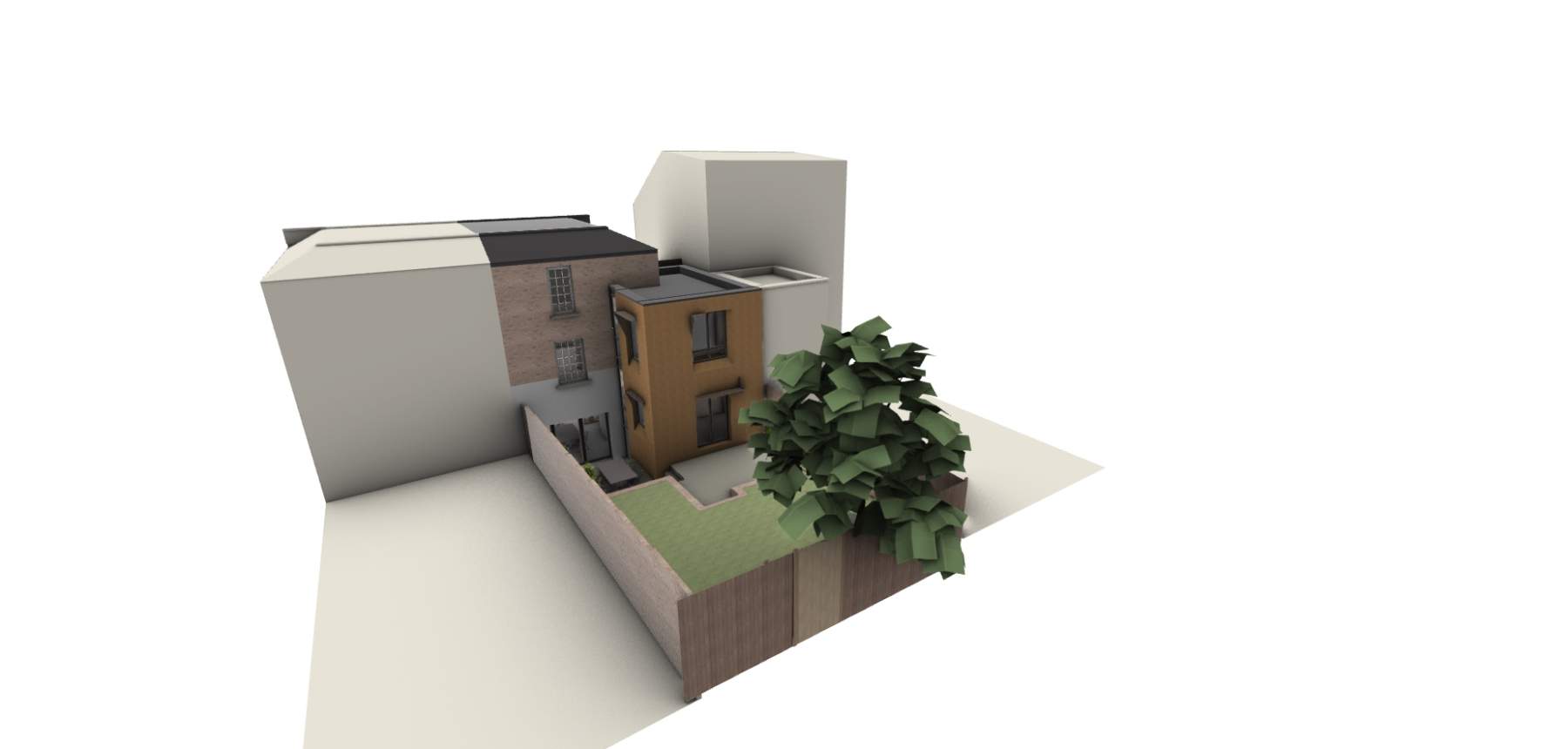
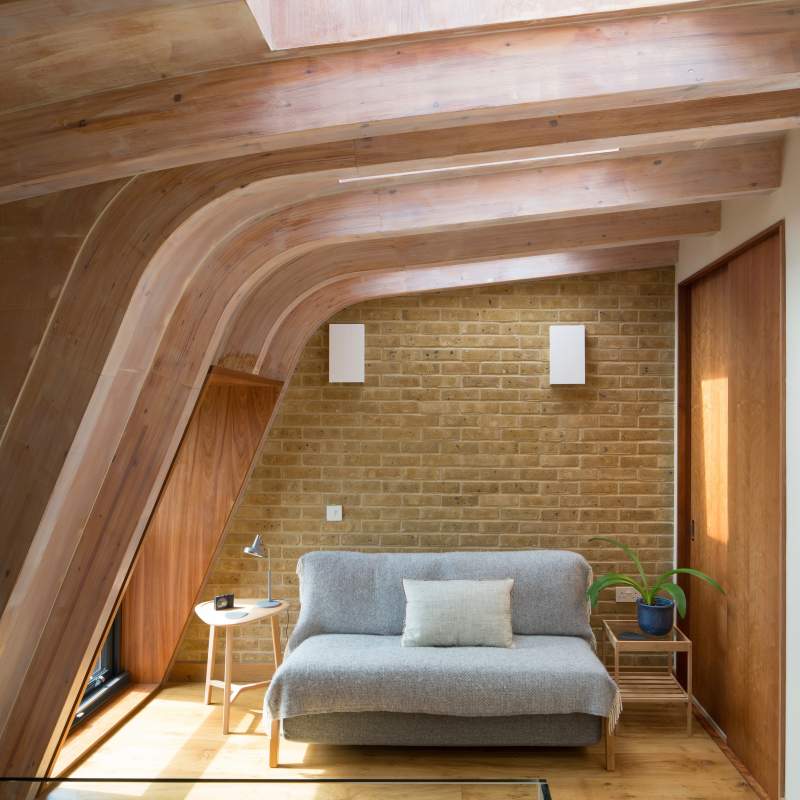
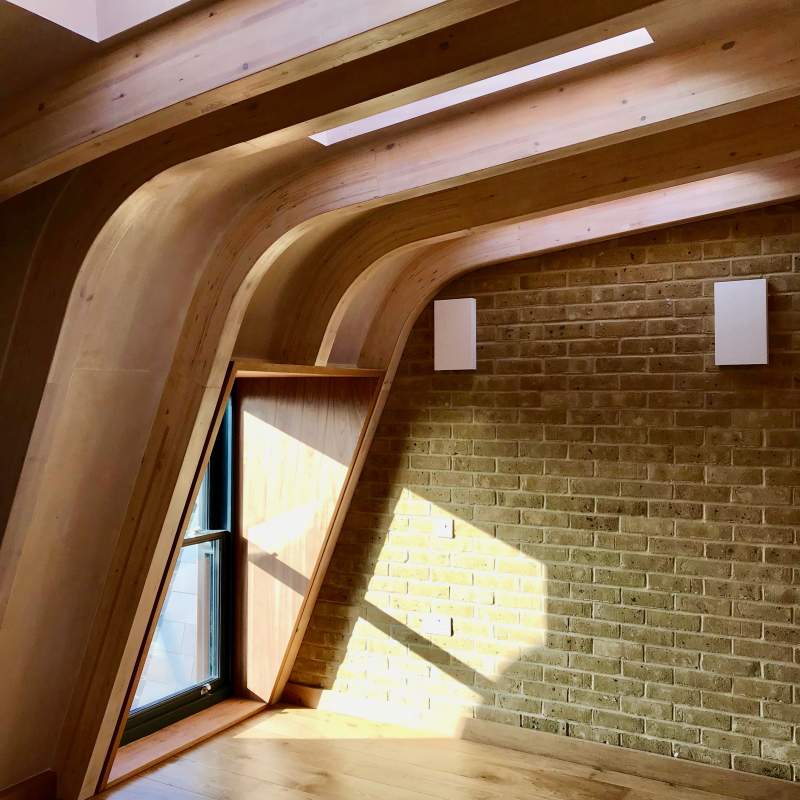
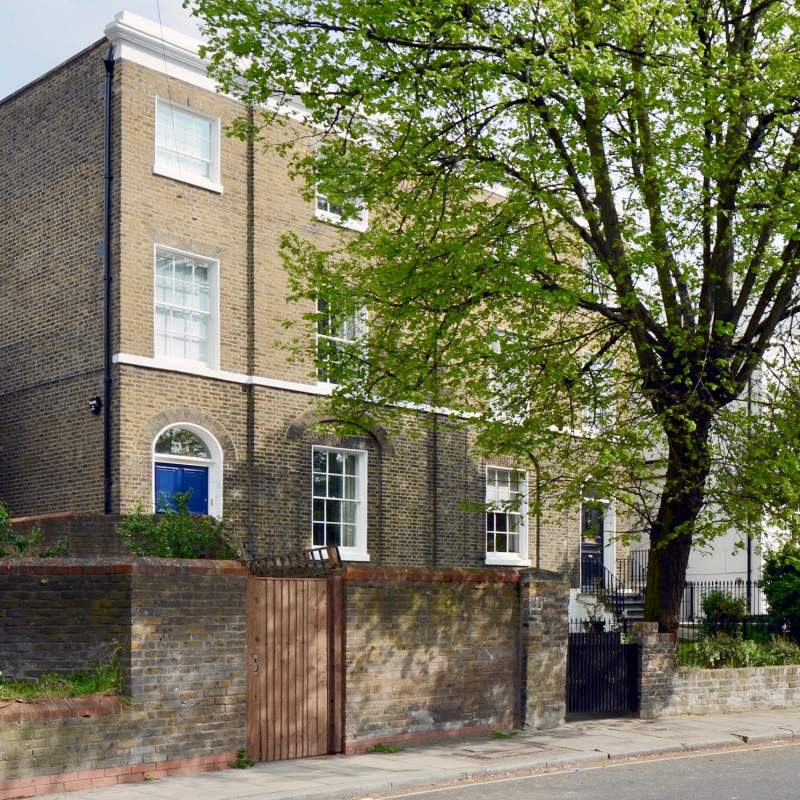
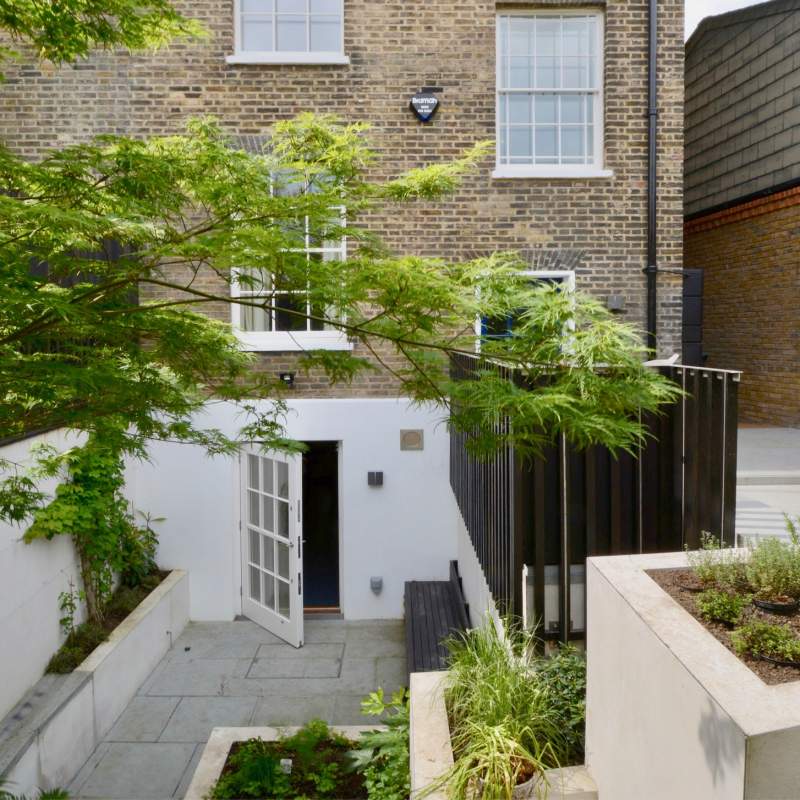
Hackford Retrofit is a proposal for the careful transformation of a mid-19th century Victorian terraced house, developed as a long-term response to the urgent need for low-carbon housing. The building reflects typical Victorian construction: solid brick walls, timber floors and roof structure, single-glazed sash windows, and multiple fireplaces originally designed for coal combustion.
Constructed before insulation, airtightness, or controlled ventilation were part of domestic design, the building envelope performs poorly by contemporary standards. While energy systems have shifted over time - from coal to gas and electricity - the thermal fabric remains largely unchanged, resulting in high annual energy demand and inefficient heat retention.
Towards an Eco-Centred Transition
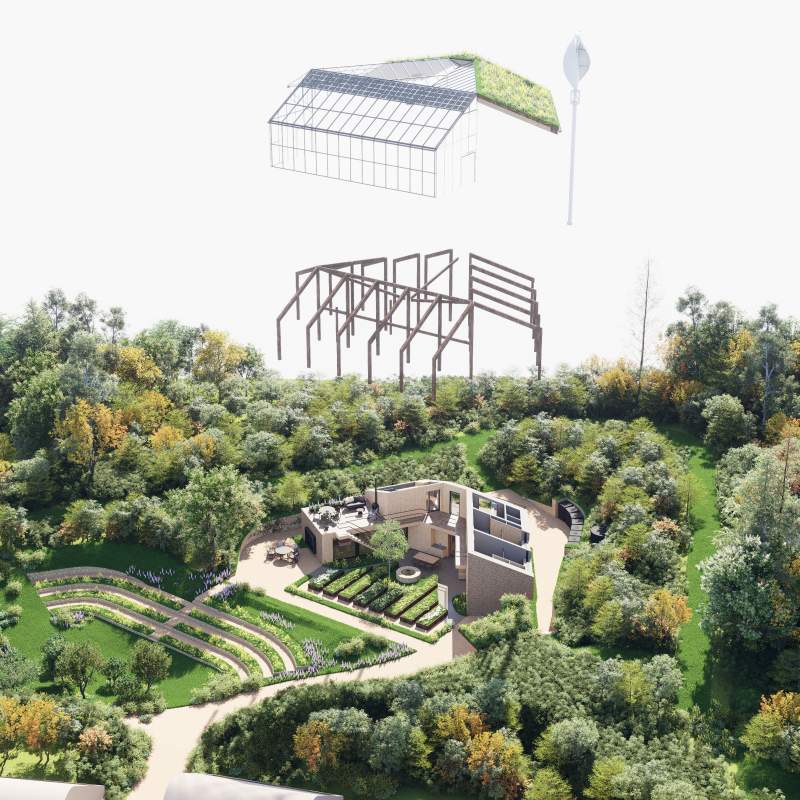
The current transition from gas-based heating systems to electrification offers an opportunity to reduce operational carbon, but meaningful change depends on addressing demand rather than simply changing supply. Reducing overall energy consumption is central to the strategy, alongside increasing the potential for on-site renewable generation through photovoltaic systems.
Given that space heating typically accounts for the majority of domestic energy use, the project focuses on reducing heating demand through comprehensive thermal upgrade measures rather than incremental efficiency improvements.
Fabric-Led Retrofit Strategy
The design approach prioritises the building envelope as the primary site of intervention. Through targeted upgrades to insulation, airtightness, and thermal continuity, space heating demand can be significantly reduced, improving both energy performance and internal comfort.
Key interventions include:
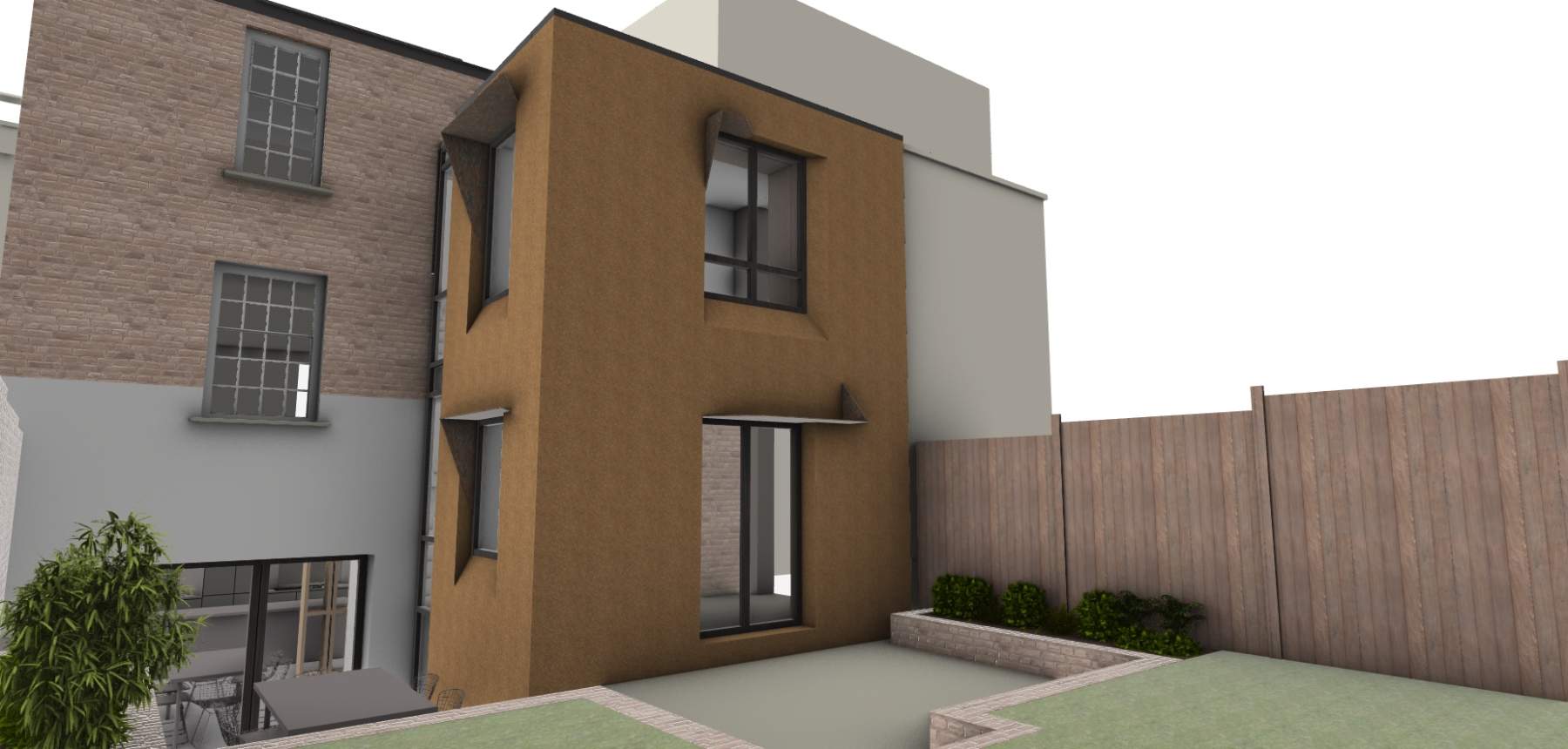
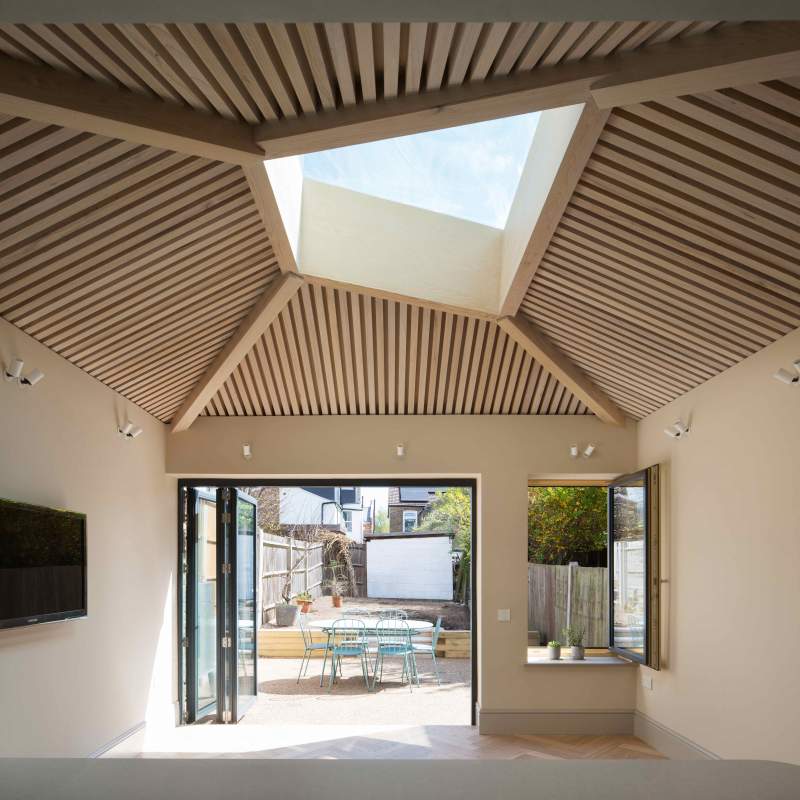
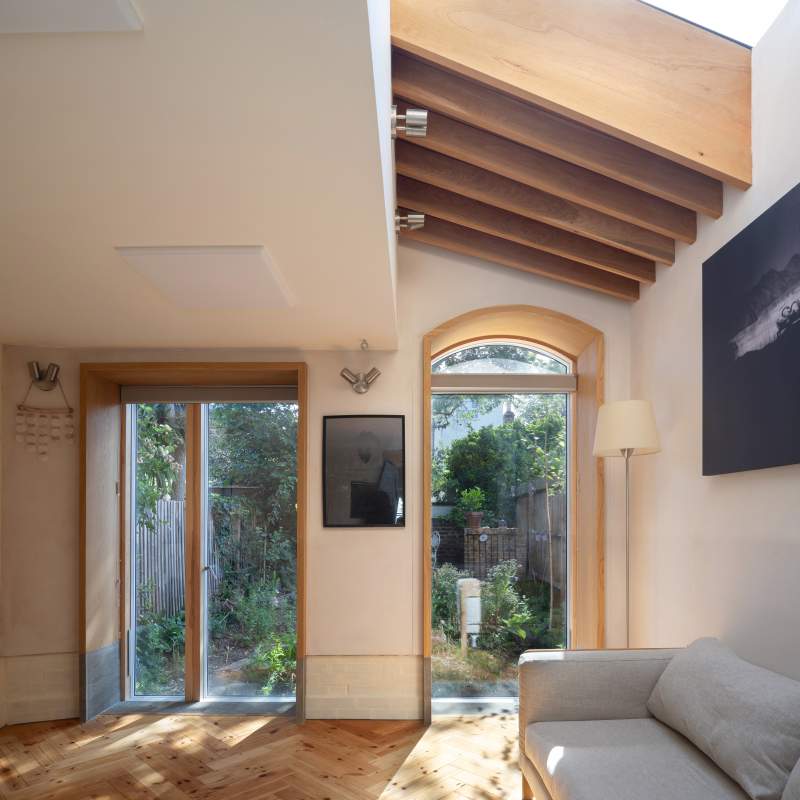
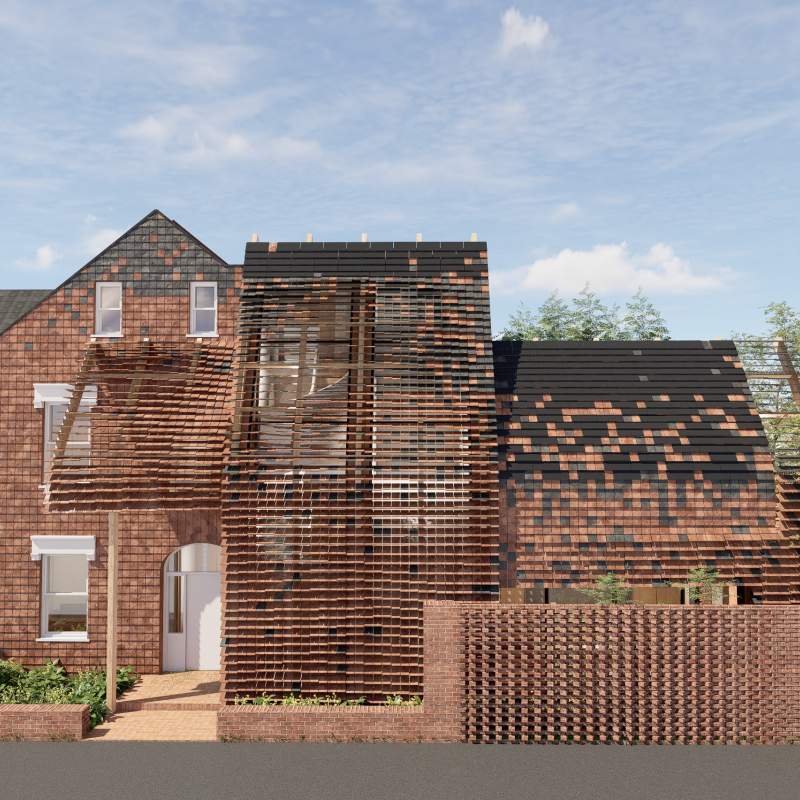
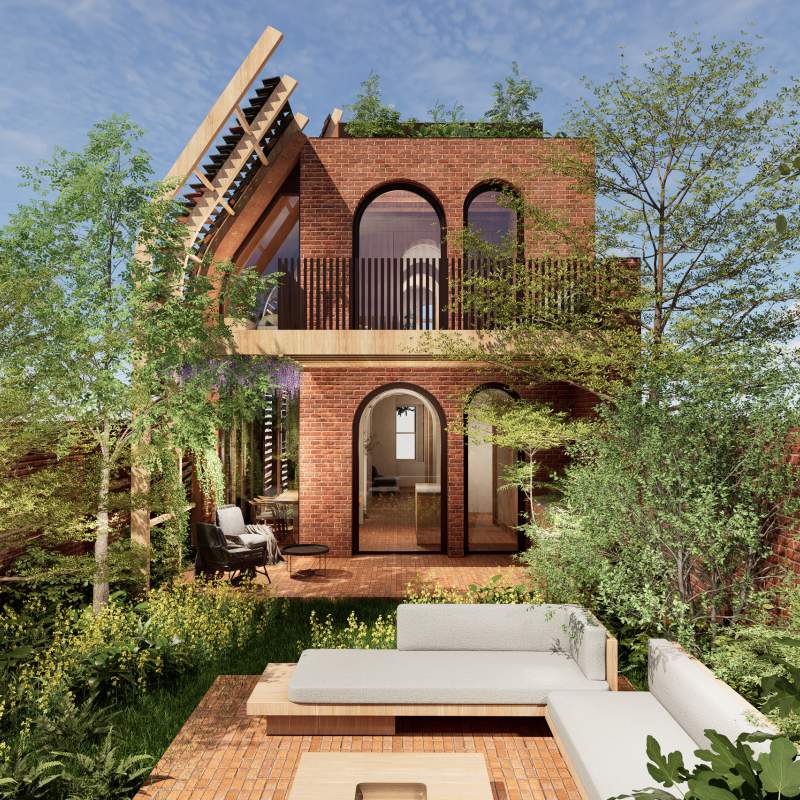
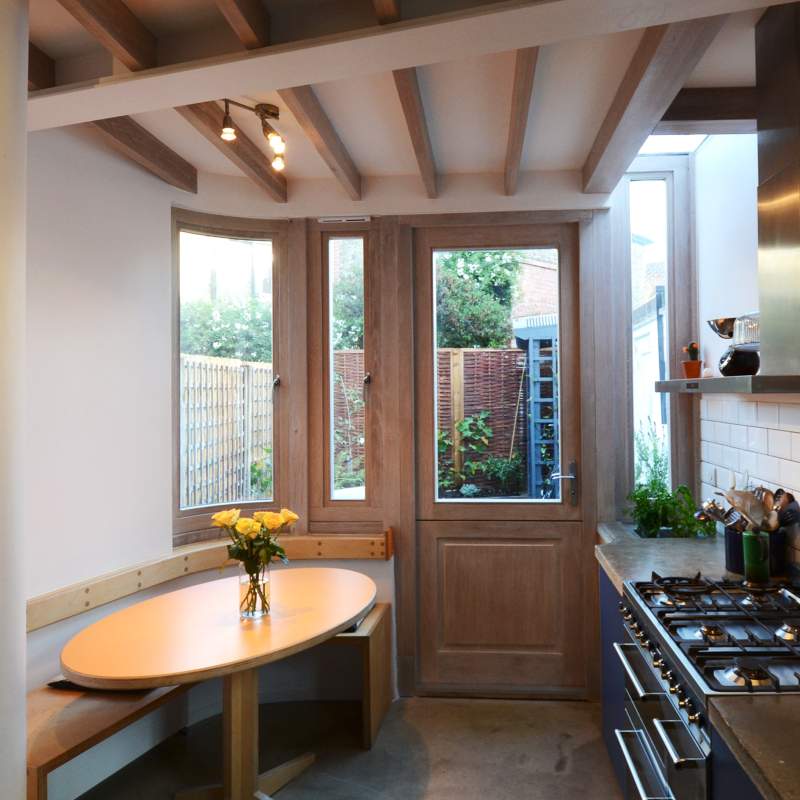
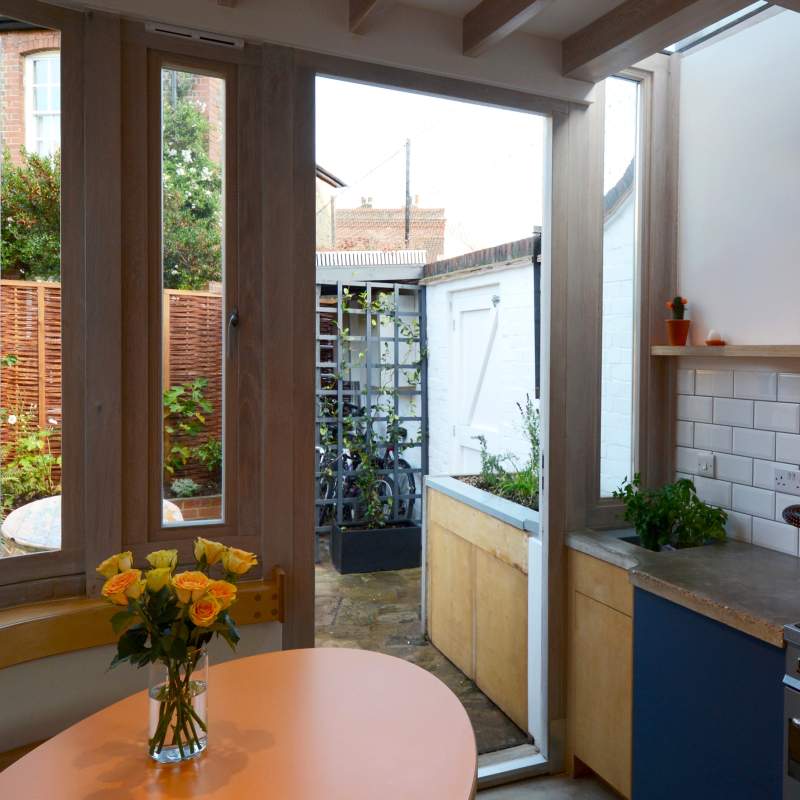
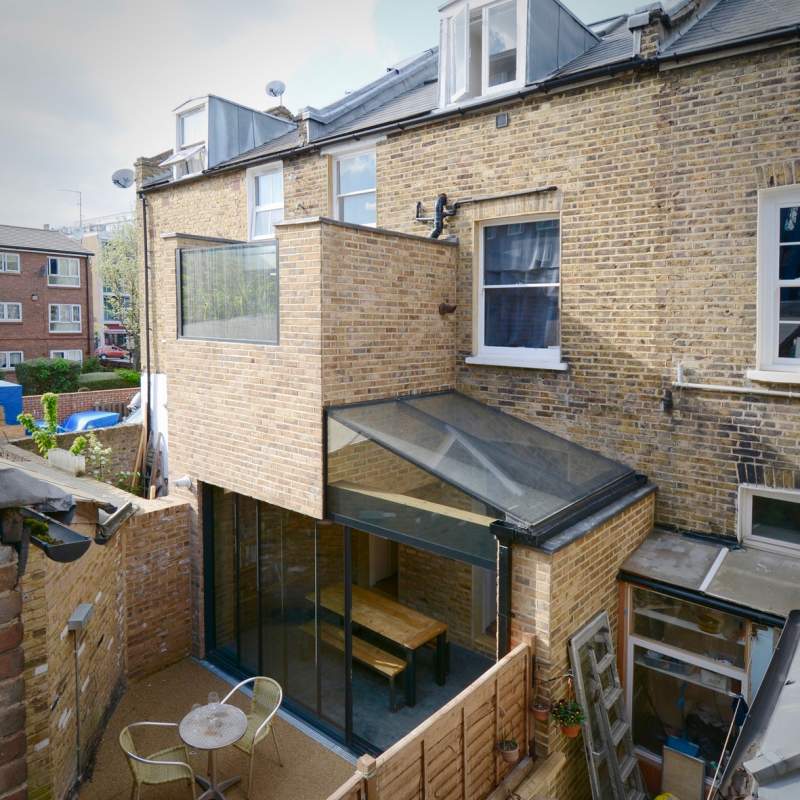
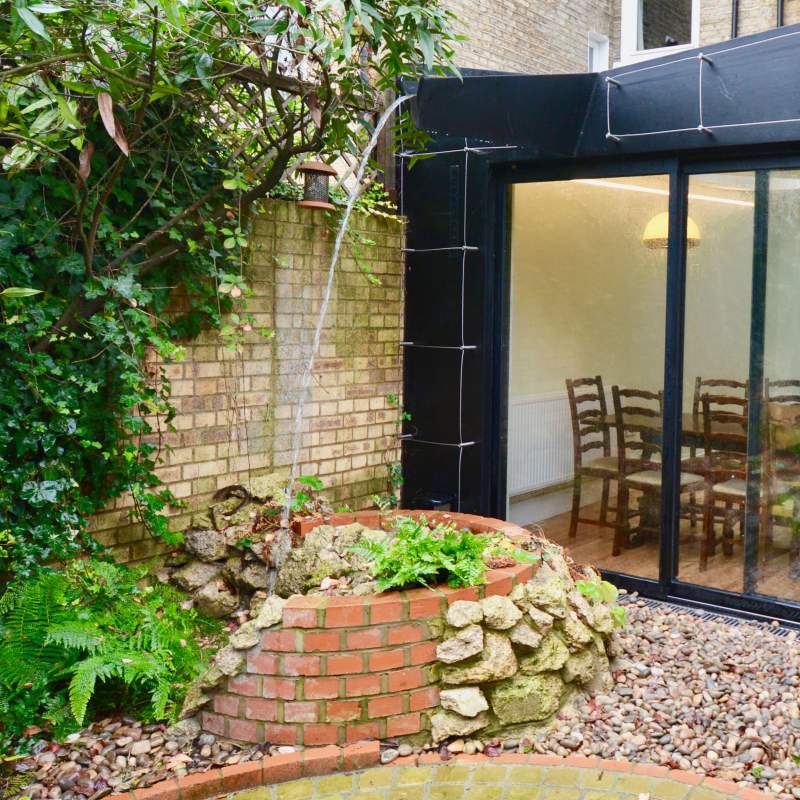
Replacement of single glazing with high-performance triple glazing, maintaining contextual appearance at the front while allowing more contemporary expression at the rear
Reduction of thermal bridging and air leakage throughout the existing structure
Upgrading of roof and wall assemblies with high levels of insulation
Closure of the rear party wall void to eliminate continuous heat loss paths
Together, these measures are designed to reduce heating demand by up to 80–85%, while also improving acoustic performance and year-round thermal stability.
Designing for a Changing Climate
Alongside winter performance, the retrofit addresses the increasing risk of summer overheating in traditionally solid-walled Victorian homes. The design integrates a passive environmental response that includes:
External solar shading to south-facing glazing
Improved roof ventilation and radiant barrier strategies
Light-reflective roof finishes to reduce heat absorption
Enhanced natural ventilation and passive stack effect for night-time cooling
These strategies work together to ensure the building remains resilient under future climate conditions, reducing reliance on active cooling systems.
Location: Hackford, London, United Kingdom
Property type: Mid-19th century Victorian terraced house (deep energy retrofit of existing residential dwelling)
Scope: The project involves the comprehensive thermal and environmental retrofit of a mid-19th century Victorian terraced house, focusing on improving fabric performance, reducing operational energy demand, and preparing the building for a low-carbon future. The scope includes upgrading the building envelope through enhanced insulation, airtightness improvements, and thermal bridge reduction, alongside replacement of single glazing with high-performance triple glazing. Works also address roof and wall upgrades, party wall heat loss reduction, and the integration of passive ventilation and shading strategies to improve both winter efficiency and summer overheating resilience. The retrofit is designed as a fabric-first intervention, prioritising long-term energy reduction and comfort without compromising the character of the existing building.
Key Features:
Deep energy retrofit of a mid-19th century Victorian terrace
Fabric-first strategy prioritising insulation, airtightness, and thermal continuity
Replacement of single glazing with high-performance triple-glazed windows
Retention of traditional street-facing character with improved rear façade performance
Reduction of thermal bridging and uncontrolled air leakage throughout the envelope
Roof and wall insulation upgrades to significantly reduce heat loss
Closure of rear party wall void to eliminate continuous heat loss paths
Passive overheating mitigation through external shading and roof ventilation strategies
Improved natural ventilation and night-time cooling through stack effect design
Enhanced acoustic performance and year-round internal comfort
Designed to reduce heating demand by up to 80–85%
Preparation of historic building for low-carbon, electrified energy systems