Dune Croft Nature House | Eco-village Findhorn
Findhorn Nature House: Off-Grid Self-Sufficient Home within a Greenhouse Envelope
Planning Approved: A Groundbreaking Nature House for the Future of Regenerative Living
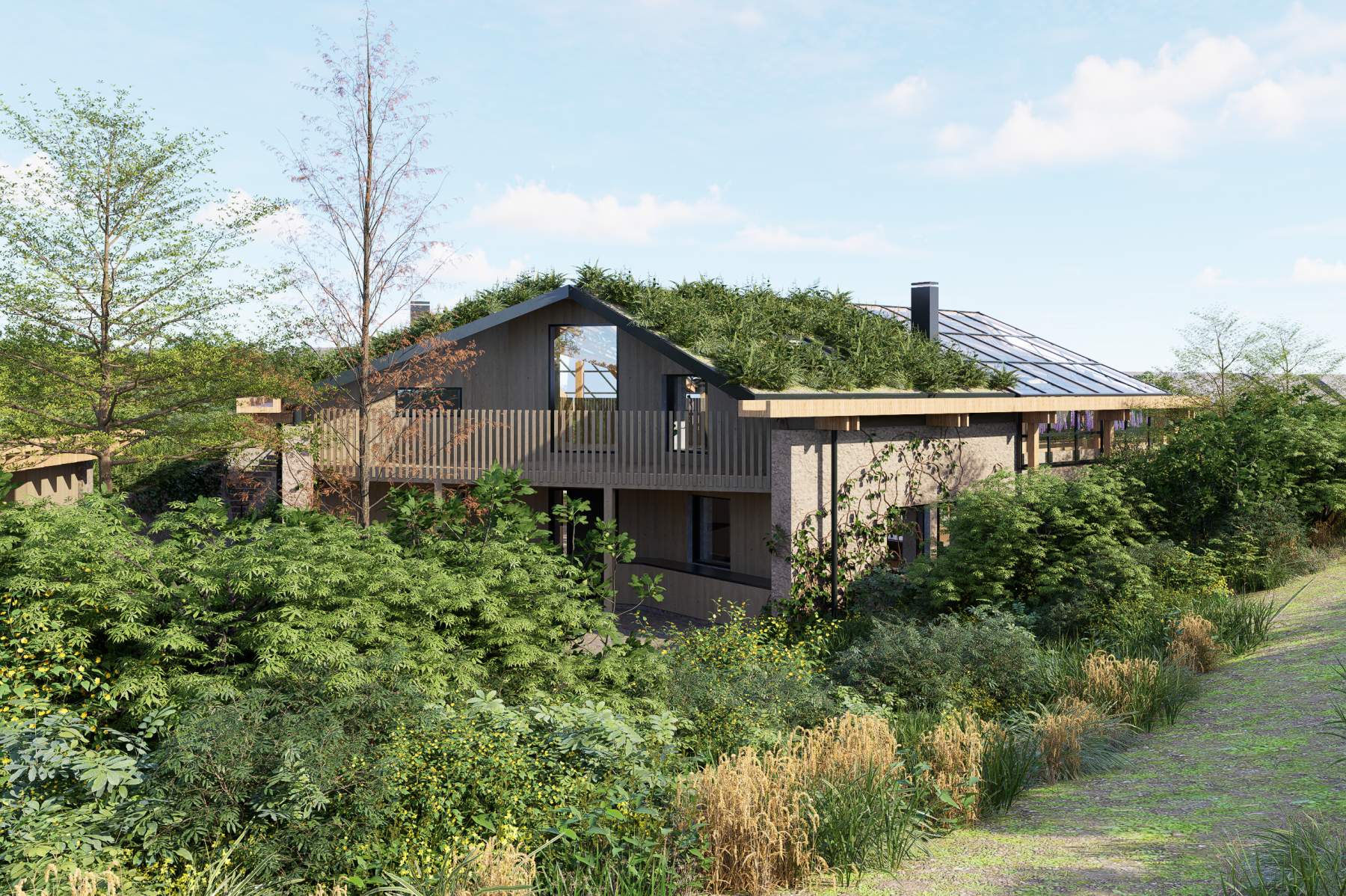
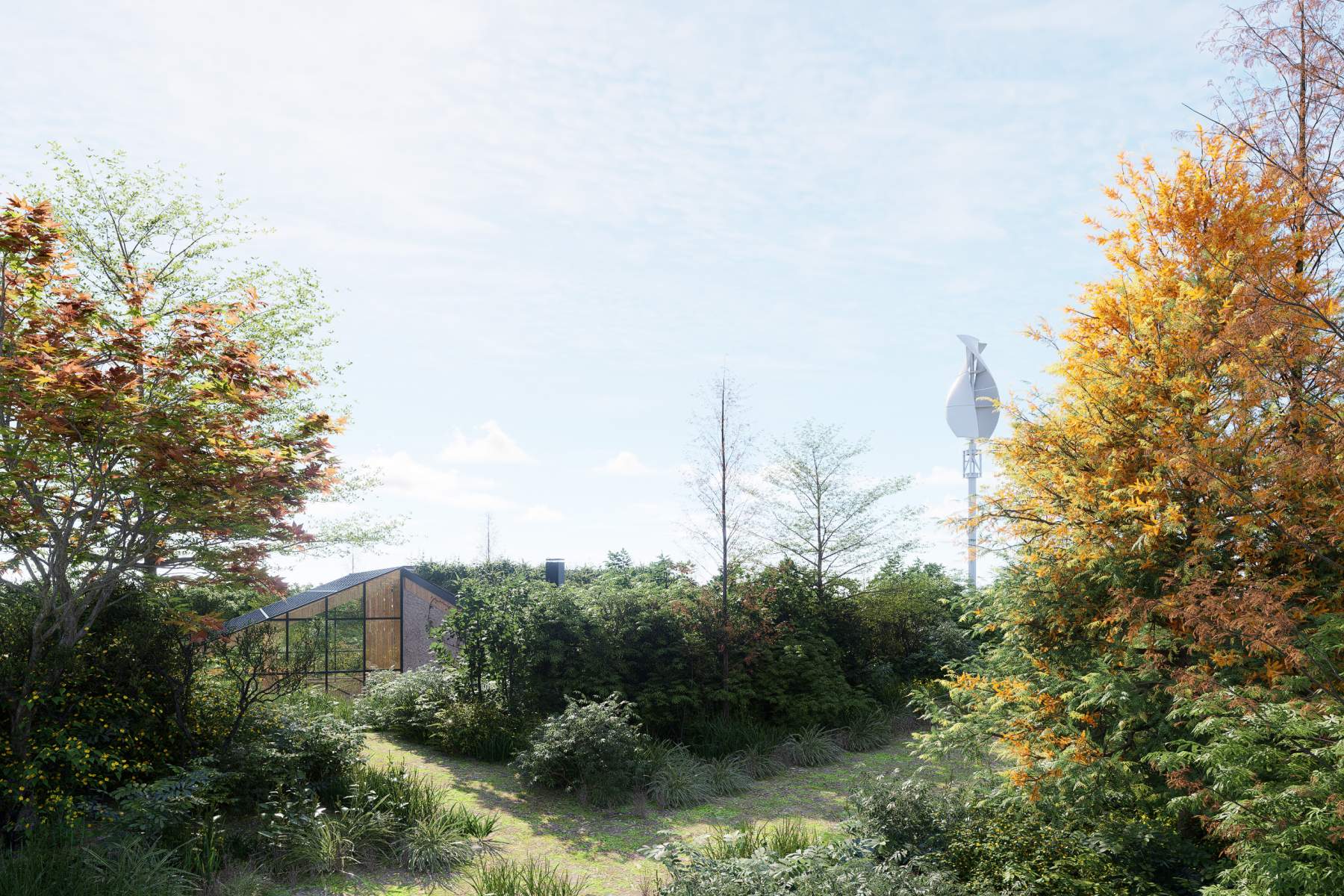
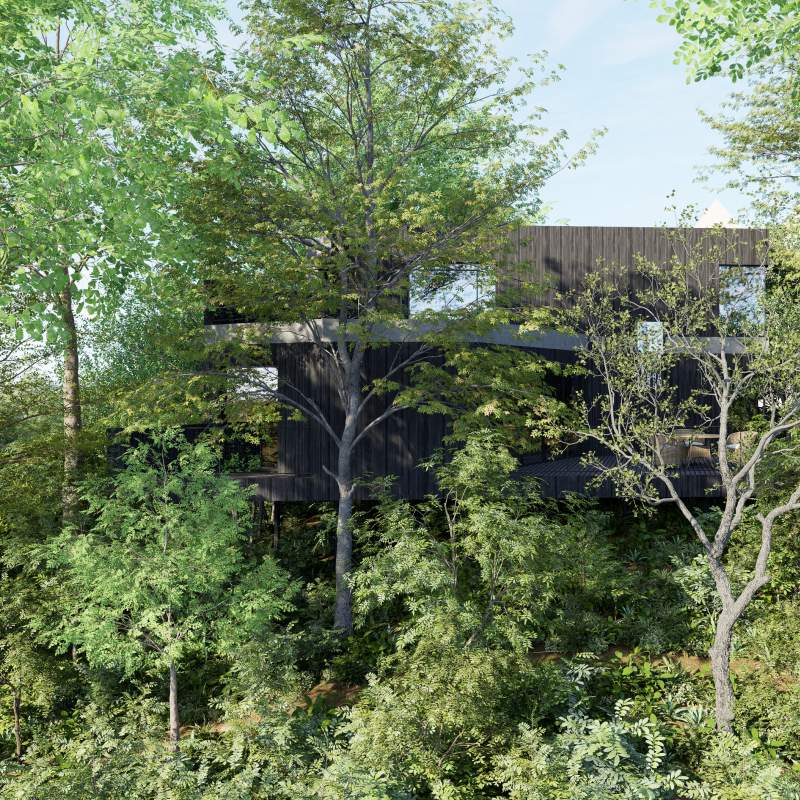
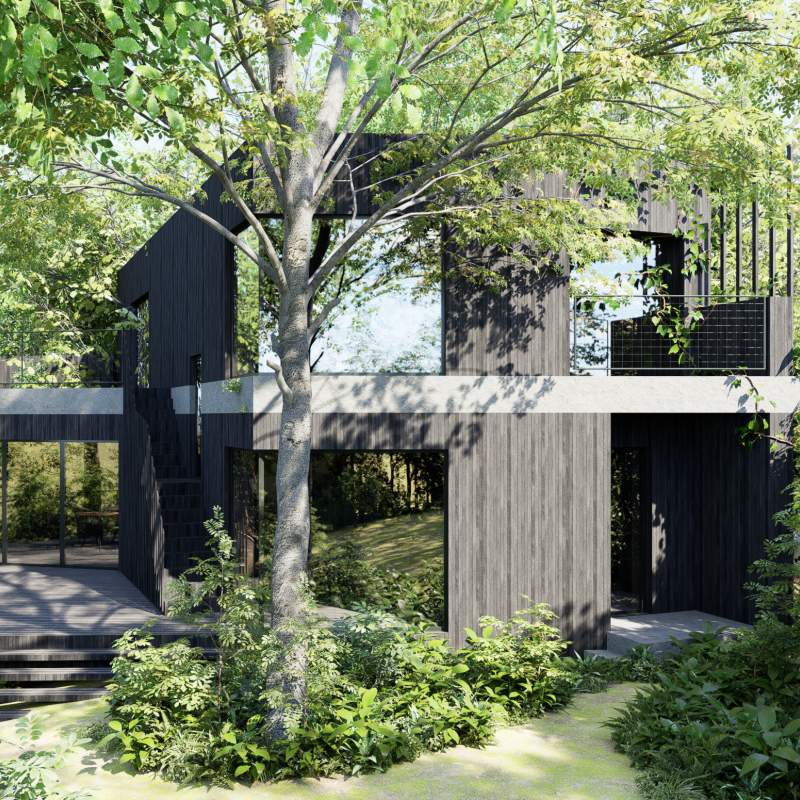
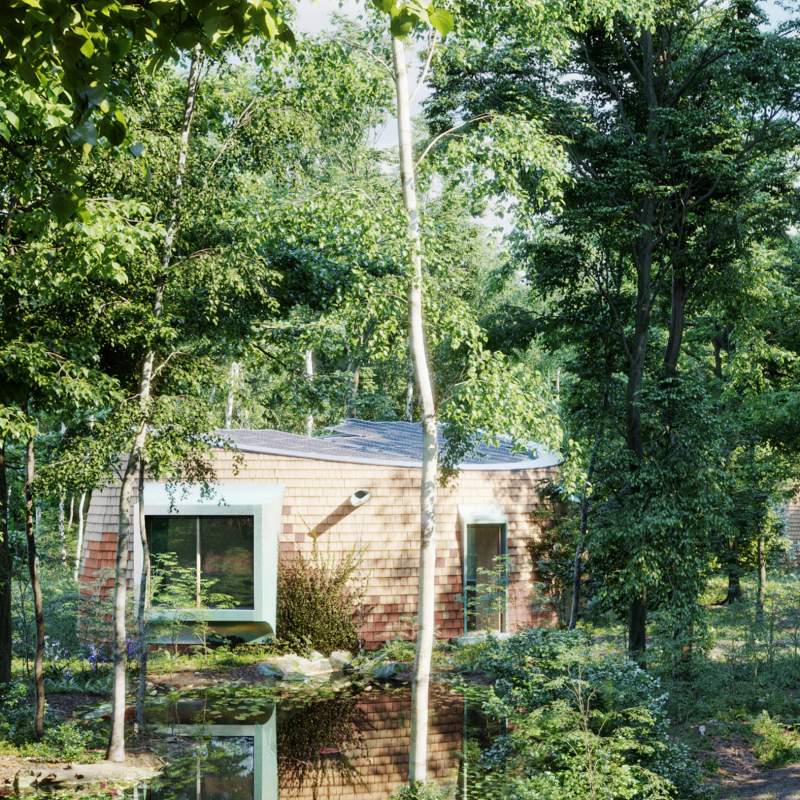
We are delighted to announce that planning permission has been granted for an ambitious and boundary-pushing ecological home within the Park Ecovillage at Findhorn, Scotland. Designed as a next-generation Nature House, this pioneering project reimagines how we live, grow food, generate energy, and interact with the natural world.
At a time when climate resilience, food security, and resource independence have never been more important, this project demonstrates a bold alternative: a fully off-grid, self-sufficient home that functions as both a high-performance dwelling and a productive ecosystem.
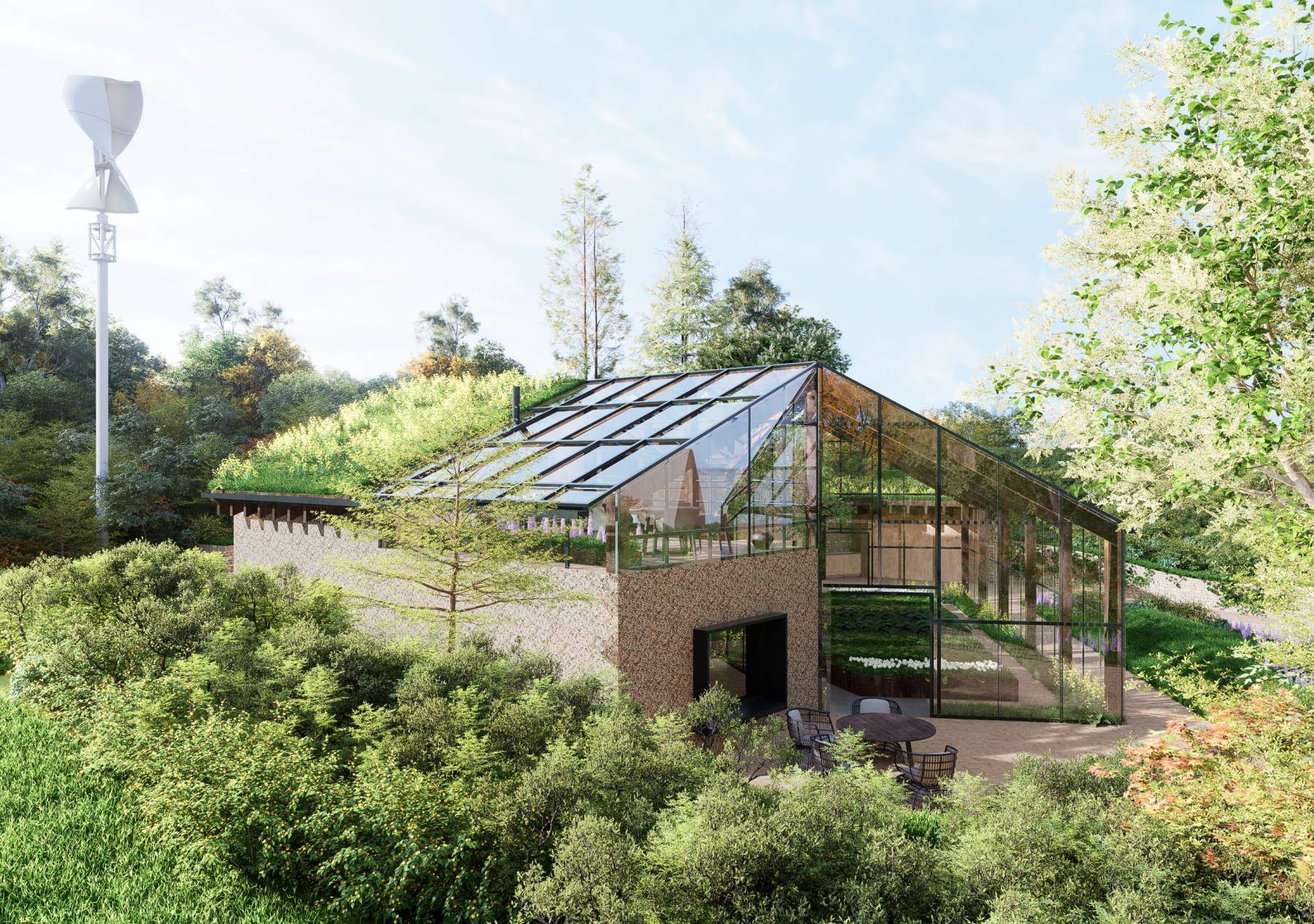
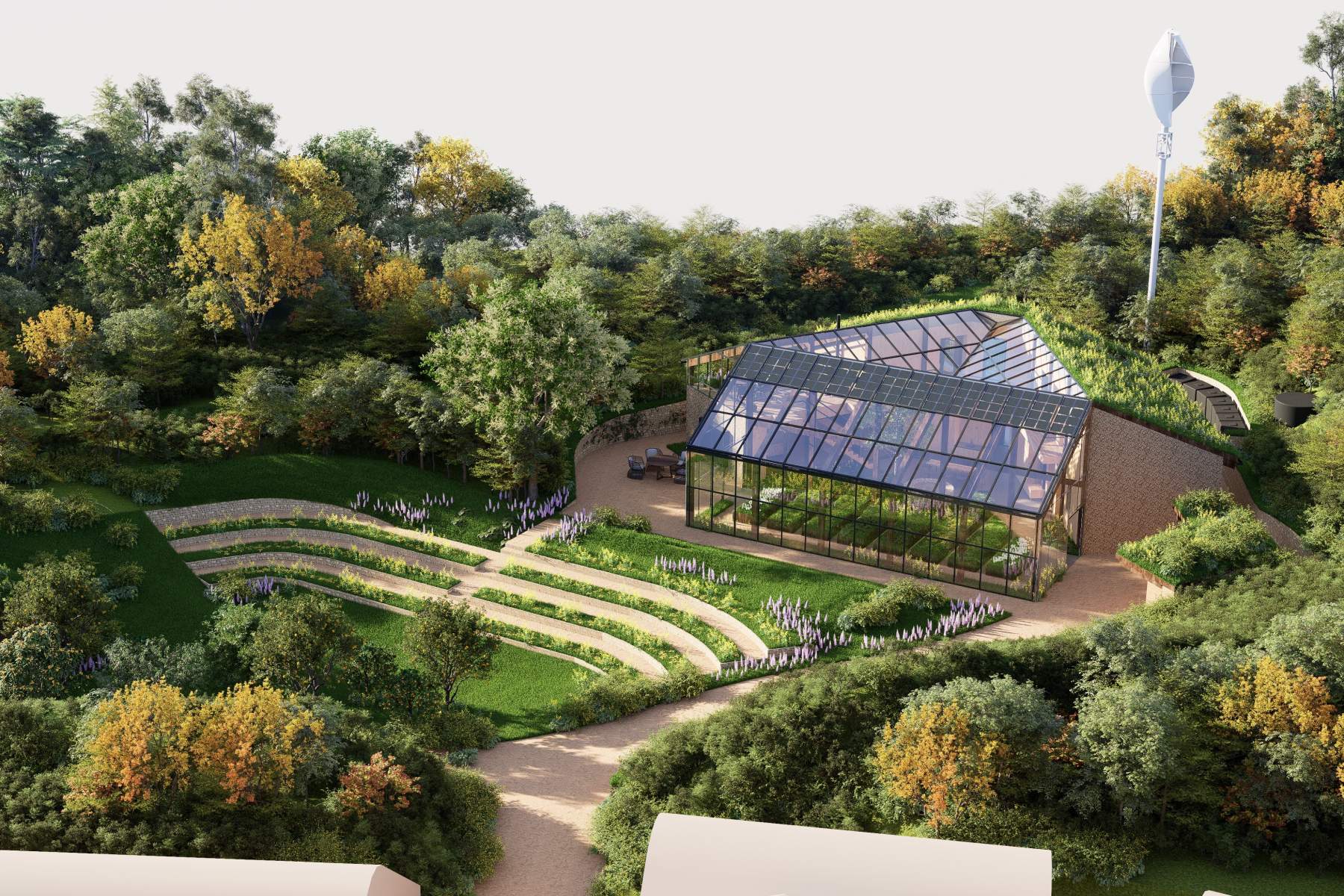
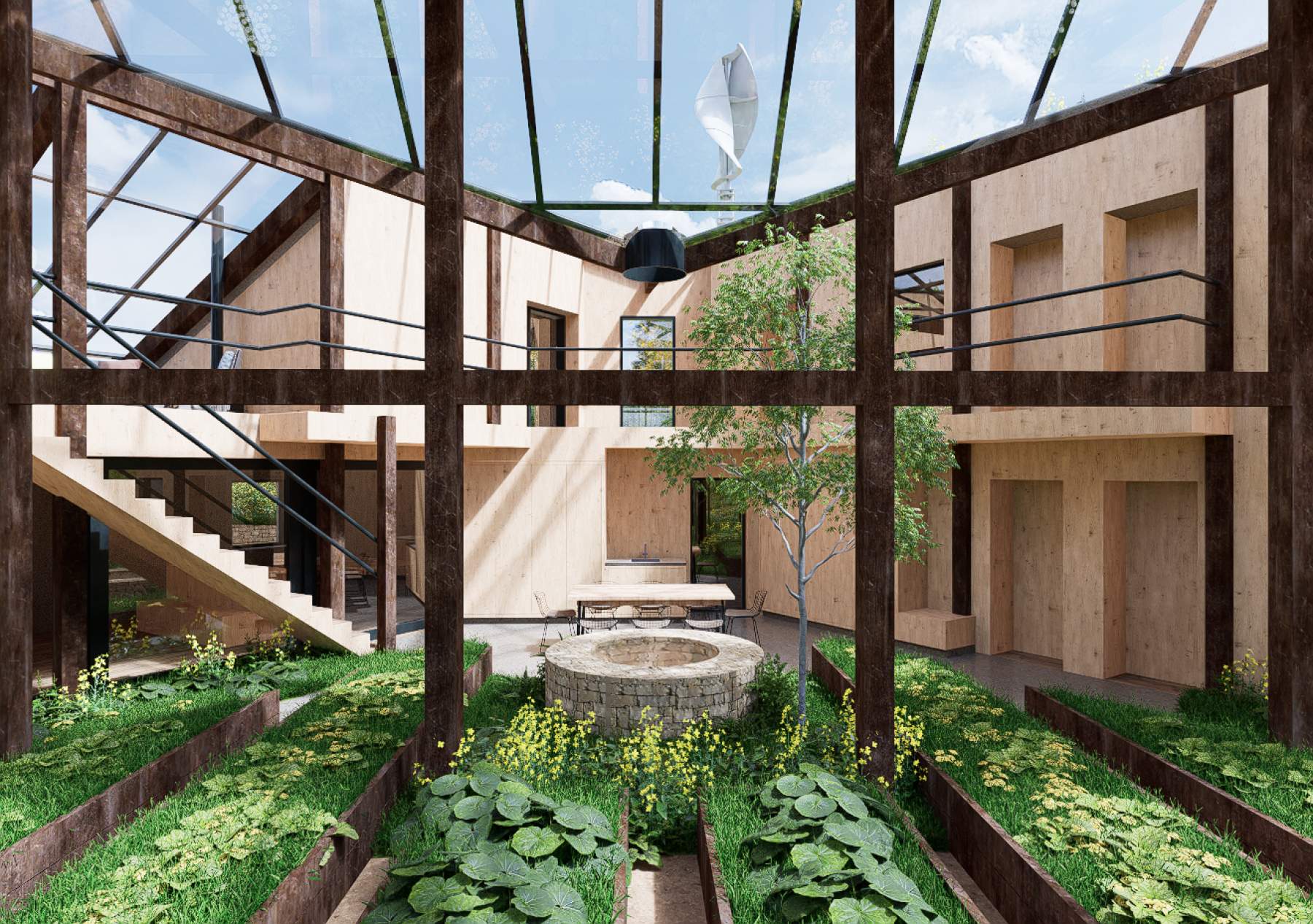
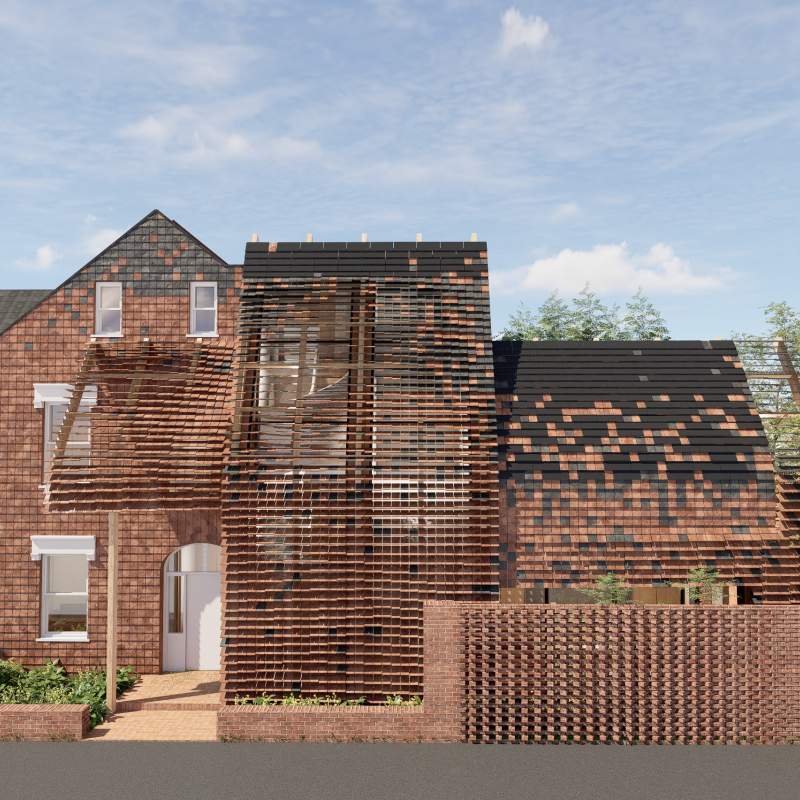
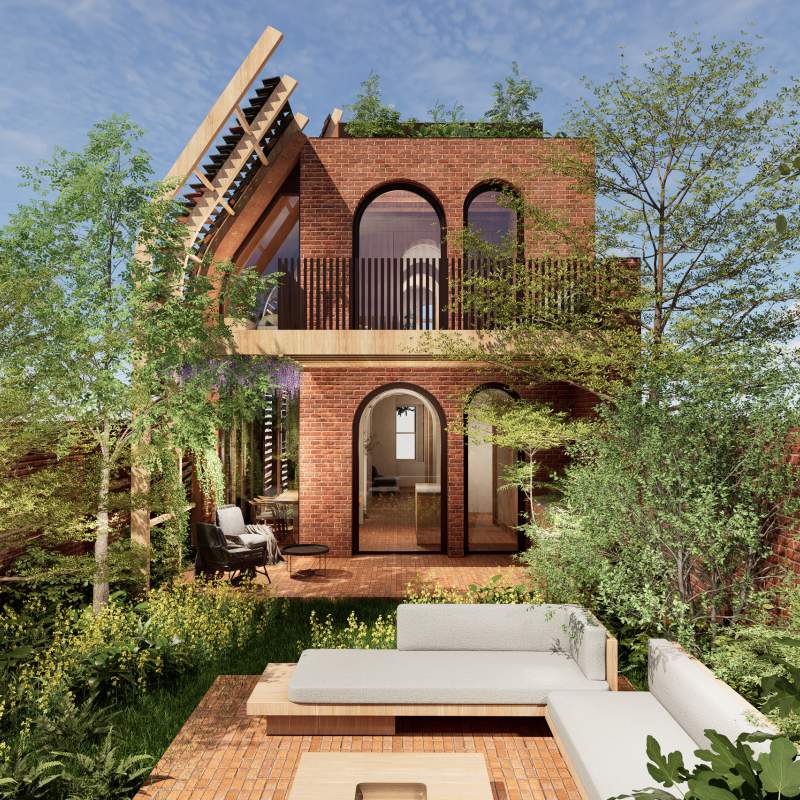
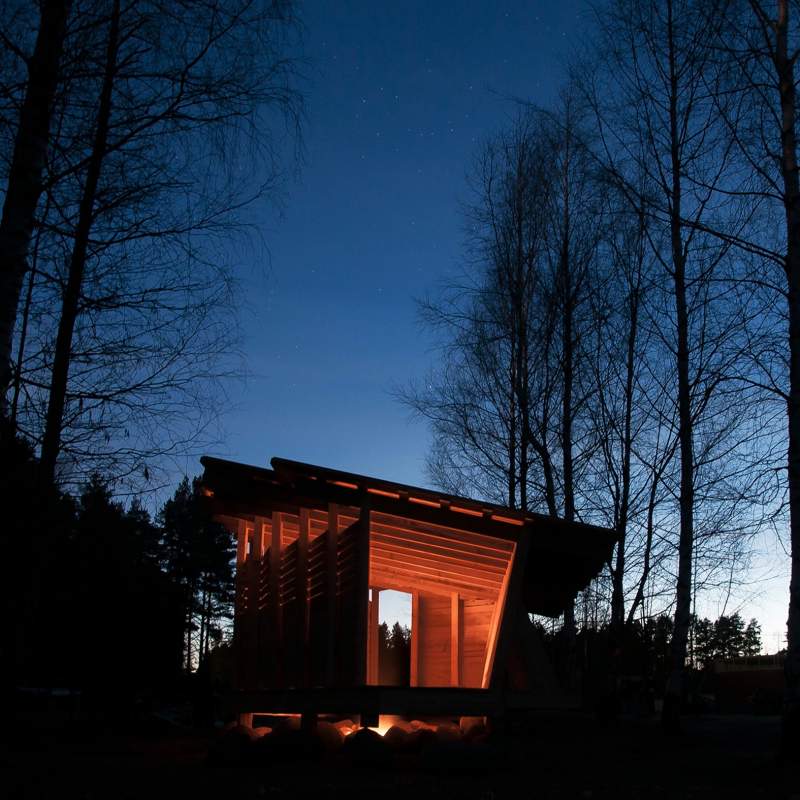
Inspired by the Swedish Naturhus concept, the house will be enclosed within a large greenhouse structure, creating a unique living environment where architecture, ecology, and food production operate as a single integrated system. The result is a home designed not only for today's challenges but for future generations.
A Home That Produces More Than It Consumes
Unlike conventional housing, this Nature House has been designed to actively contribute to environmental regeneration while supporting year-round self-sufficiency for its inhabitants.
Every major infrastructure system has been carefully integrated into a closed-loop ecological framework:
Renewable Energy Independence
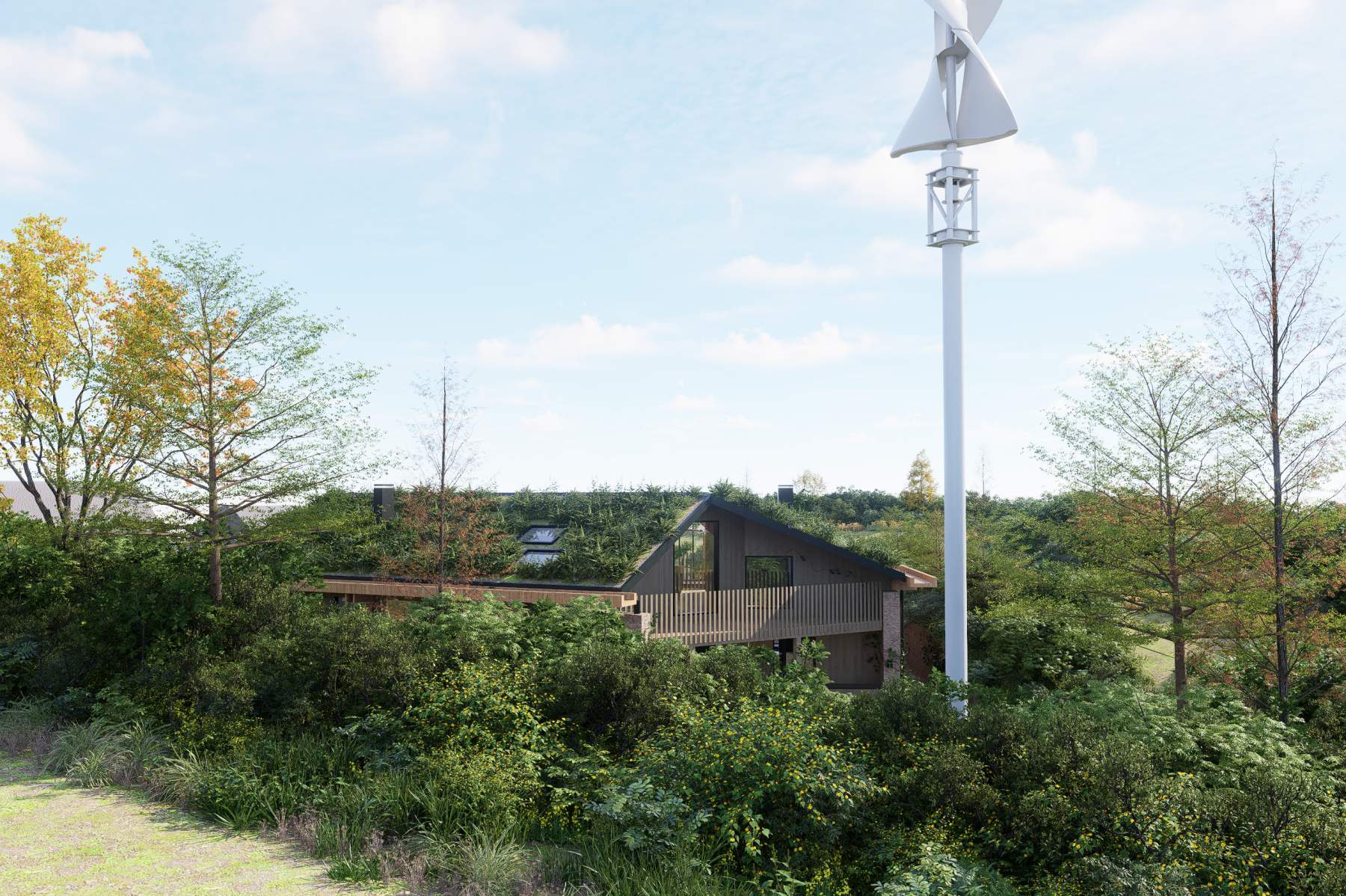
The home will operate entirely off-grid, generating its own electricity through renewable wind power. Taking advantage of the consistent coastal winds of northeast Scotland, the energy system will provide reliable, low-carbon power throughout the year.
Water Security and Circular Resource Use
Rainwater harvesting and advanced on-site filtration systems will provide both potable and non-potable water supplies, reducing reliance on external infrastructure while creating a resilient and sustainable water cycle.
Wastewater will be treated through ecological processing systems that recover valuable nutrients and safely recycle water back into the landscape, creating a truly circular approach to resource management.
Year-Round Food Production
One of the project's most exciting features is its ability to provide fresh food throughout the entire year.
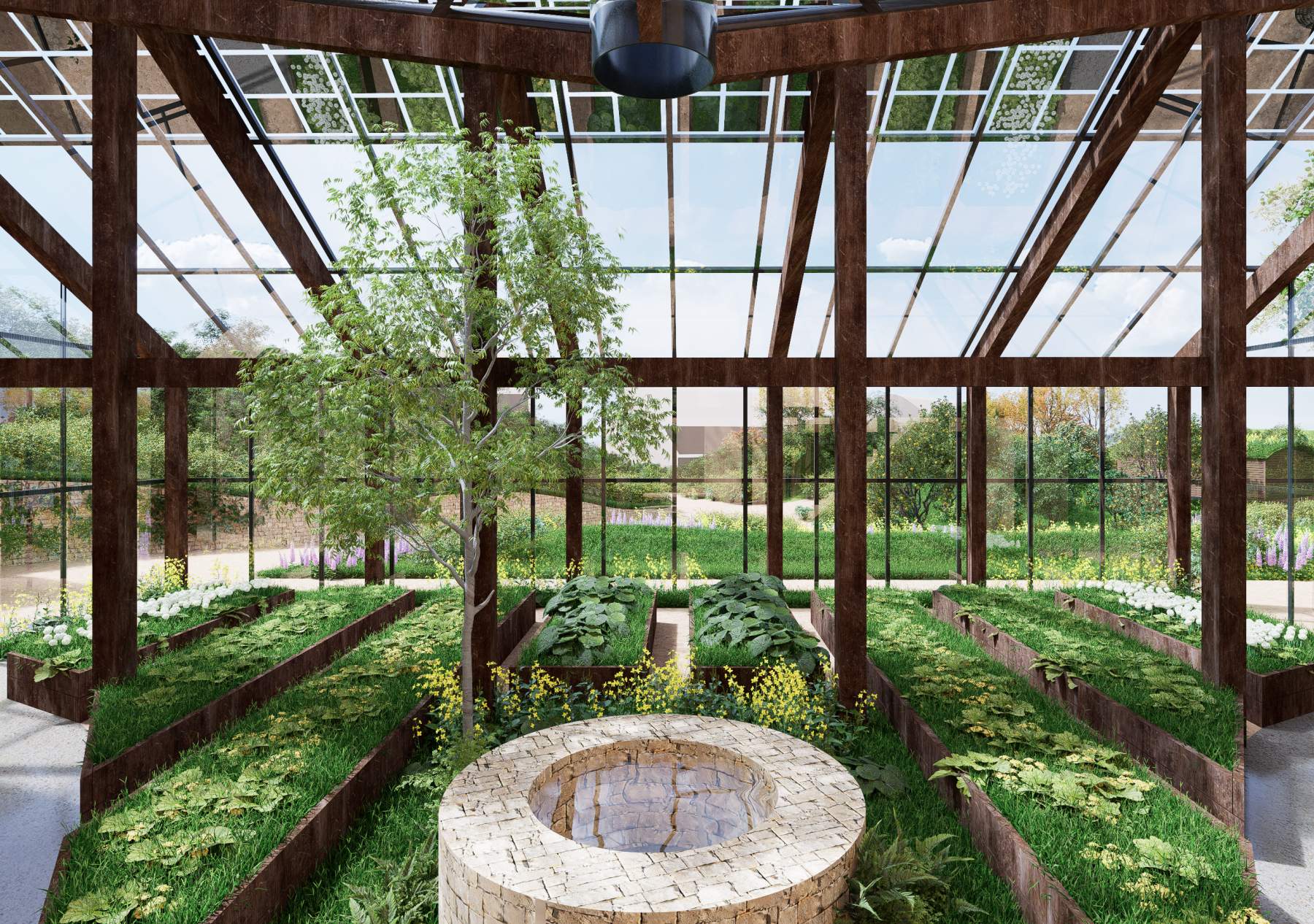
The greenhouse envelope creates a protected microclimate that dramatically extends growing seasons and supports productive cultivation even during Scotland's colder months. Combined with permaculture principles, nutrient cycling, composting systems, and integrated edible landscapes, the home becomes a living food-producing environment.
Fruit, vegetables, herbs, and productive planting systems are woven throughout both the greenhouse and surrounding landscape, creating a direct connection between habitation and food production while significantly increasing household self-sufficiency.
The Nature House Concept
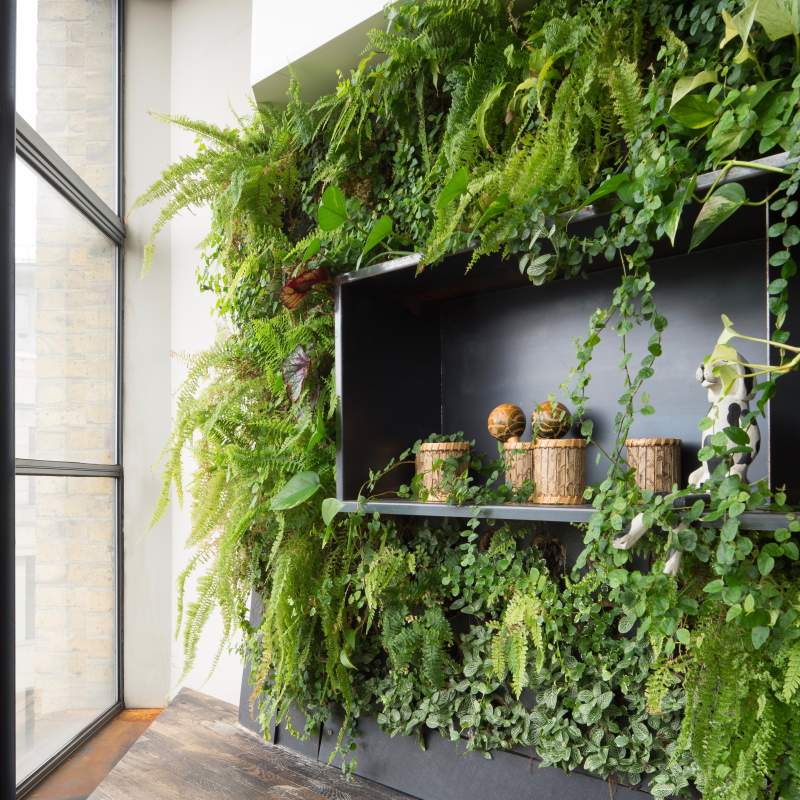
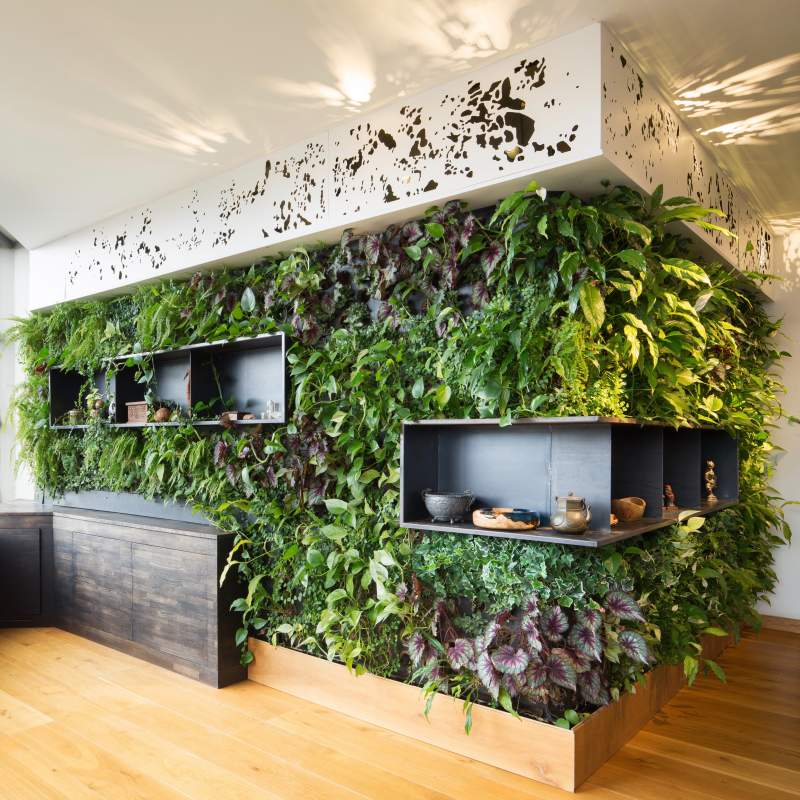
At the heart of the design is the greenhouse enclosure that surrounds the home. Far more than an architectural feature, this environmental layer acts as a climatic buffer, ecological engine, and productive growing space.
The greenhouse provides:
Passive solar heating that reduces energy demand
Stable internal temperatures throughout the year
Exceptional daylight levels and indoor environmental quality
A protected environment for year-round food cultivation
A seamless relationship between living spaces and nature
Enhanced biodiversity and ecological performance
In Scotland's temperate and high-wind climate, this protective envelope transforms the building into a resilient ecological system that works with natural processes rather than against them.
A Living Prototype for Regenerative Housing
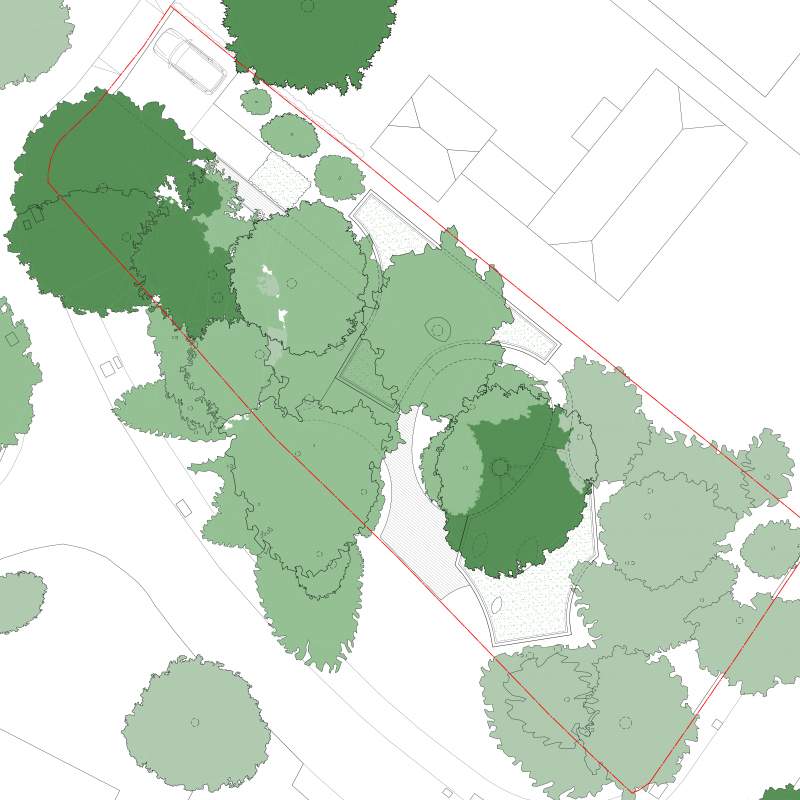
Located within the internationally recognised Park Ecovillage at Findhorn, a long-established centre for ecological innovation and sustainable community living, the project serves as a research-led exploration into the future of regenerative housing.
By combining renewable energy, circular water systems, food production, passive environmental design, and permaculture-based land strategies, the Nature House demonstrates how homes can evolve beyond simply minimising environmental impact and instead become active contributors to ecological health and resilience.
This is more than a house. It is a living prototype for a future where homes generate their own energy, produce food throughout the year, recycle resources, support biodiversity, and provide a healthier, more connected way of living.
Project Information
Location: The Park Ecovillage, Findhorn, North-East Scotland
Project Type: New-build Nature House
Status: Planning Permission Granted
Scope: Design and development of a fully off-grid, self-sufficient Nature House integrating domestic living spaces, renewable energy systems, circular water infrastructure, ecological wastewater treatment, year-round food production, and regenerative landscape design within a single unified environmental framework.
Key Features
Fully off-grid autonomous dwelling
Groundbreaking Nature House (Naturhus) concept
Large greenhouse envelope surrounding the home
Wind-powered renewable energy generation
Rainwater harvesting and filtration systems
Closed-loop wastewater treatment and nutrient recovery
Year-round food production capability
Permaculture-based landscape strategy
Passive solar design principles
Integrated ecological infrastructure
Biodiversity enhancement and habitat creation
Climate-resilient design for future living
Expected Outcomes
Complete operational independence from conventional utility networks
Net-zero operational infrastructure
Fresh food production throughout the year
Significant reduction in energy demand
Closed-loop water and nutrient management
Enhanced biodiversity and ecological regeneration
Increased resilience to future environmental and resource challenges
A scalable model for regenerative housing in temperate climates
A pioneering demonstration of what future homes can become
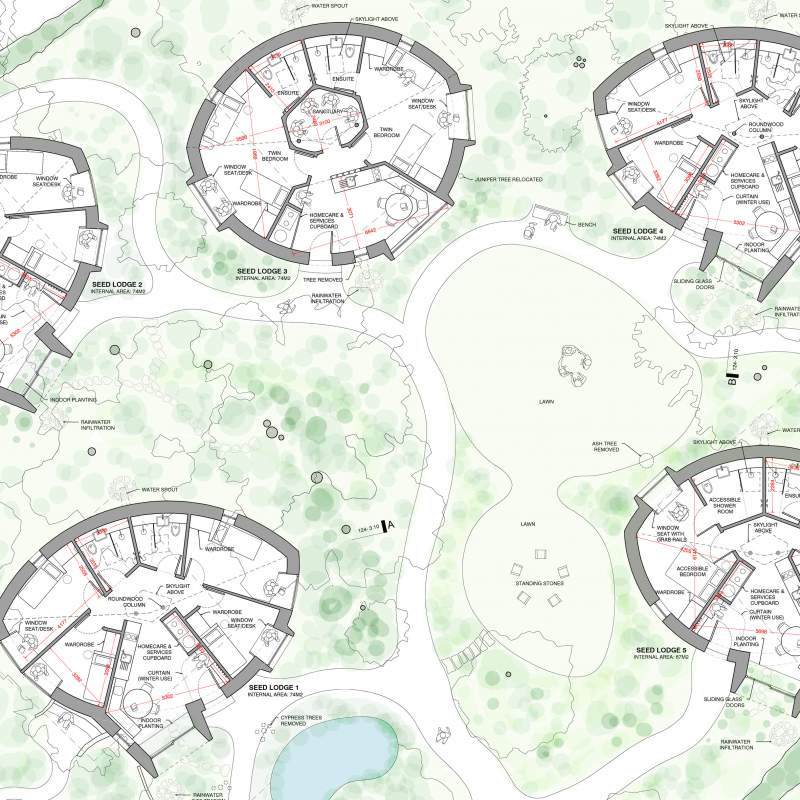
Find out more about Naturhus in The Par Ecovillage in a Feasibility Study created by Arboreal Architecture in collaboration with the AA Architectural Association in London with the support of the Just Transition Fund Scotland.