The Places of Trees | Tessina Camera Photography
Photographic Observations by Tom Raymont on Trees, Architecture, and the Everyday City
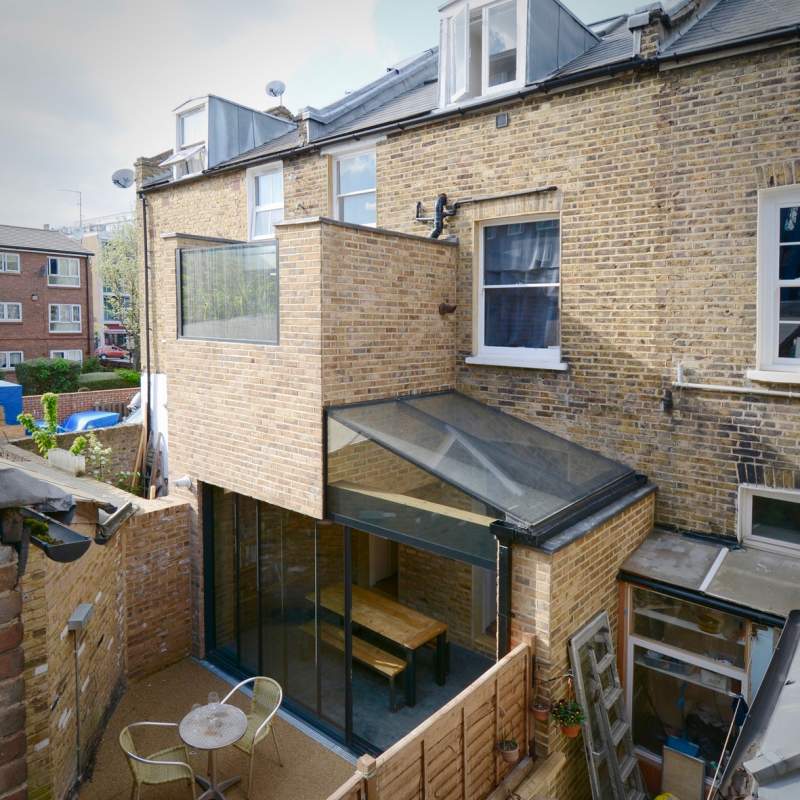
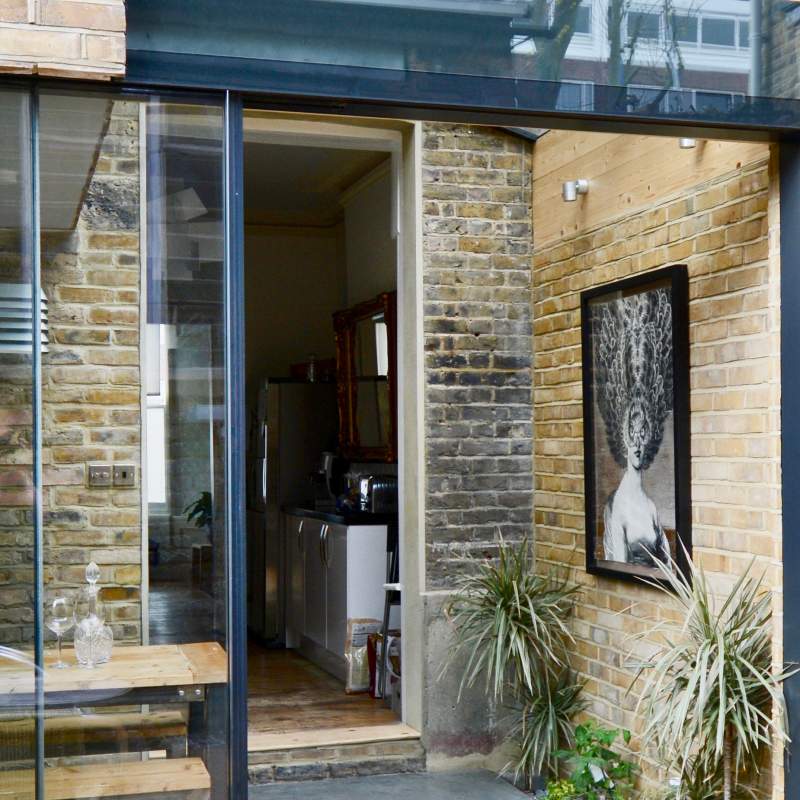
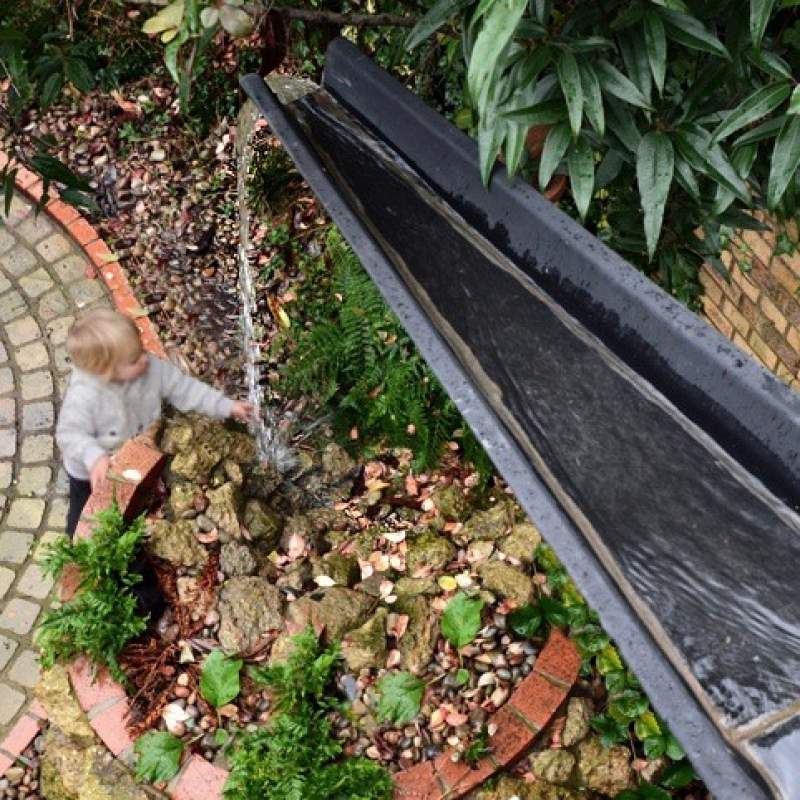
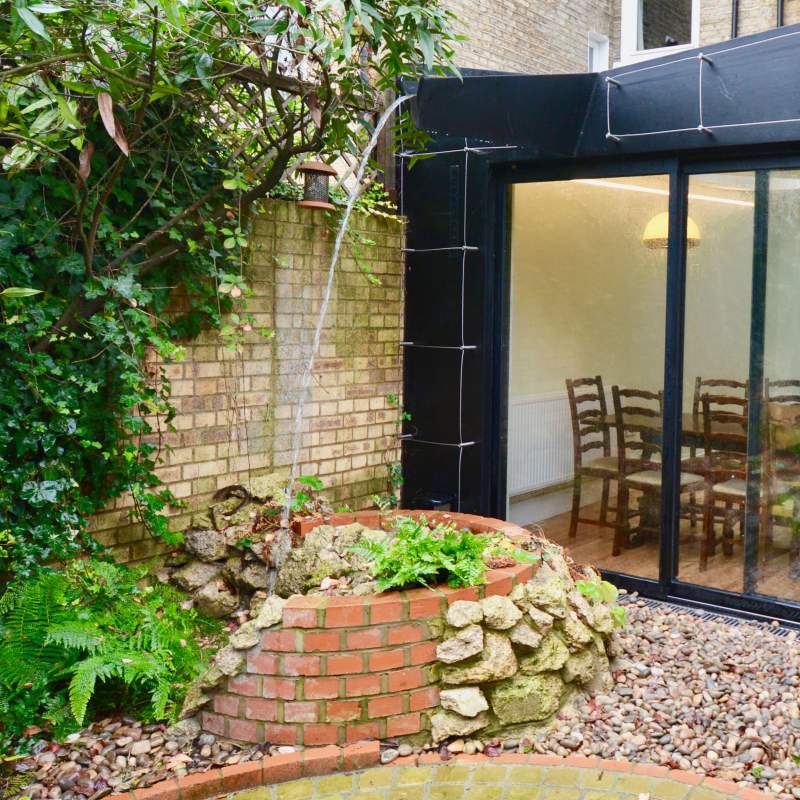
Within Arboreal Architecture, drawing, photography, and observation are treated as part of the same architectural practice - ways of reading the world before designing within it. These photographs by architect Tom Raymont are taken from daily routes between home and studio, recording familiar streets, thresholds, and fragments of landscape encountered in passing.
Trees as Co-inhabitants
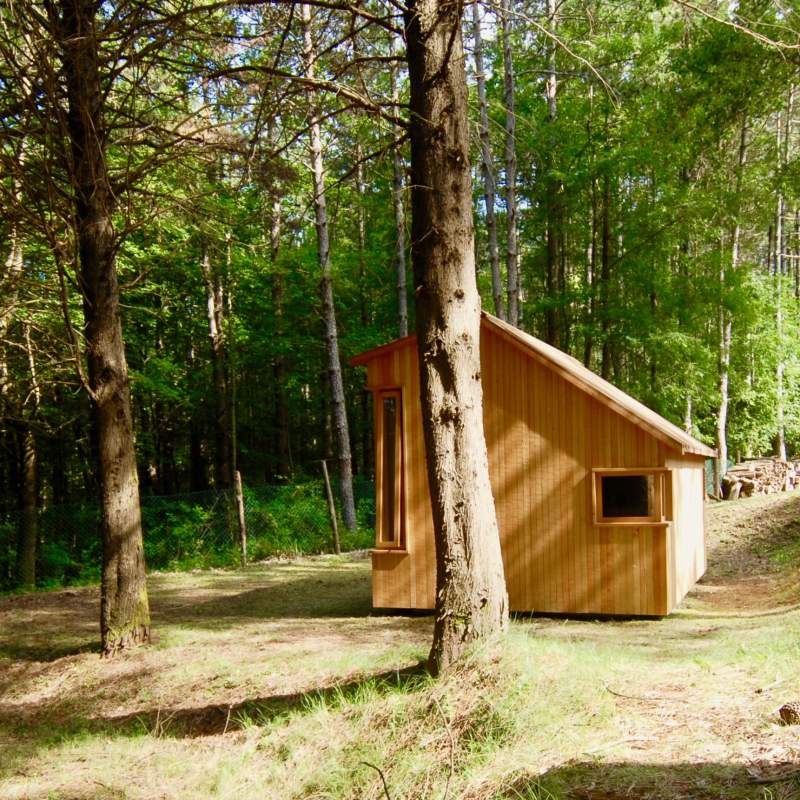
Trees are among the most persistent and visible living systems within urban environments. Moving without displacement, they cross the assumed boundaries of public and private space, finding light, water, and continuity through the built fabric.
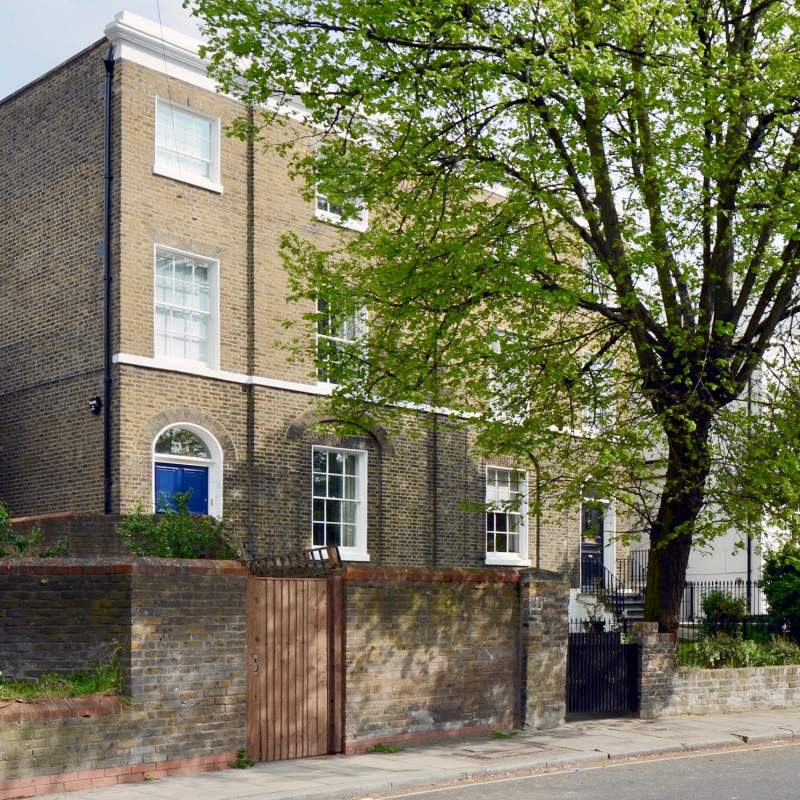
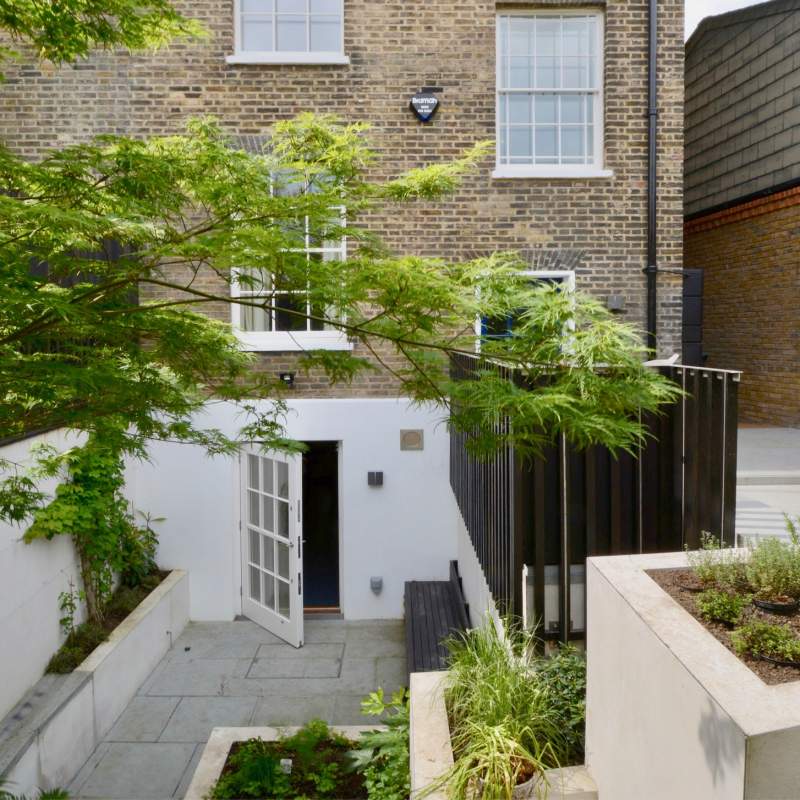
Across streets, courtyards, and façades, they establish ongoing relationships with architecture - casting shadow, filtering light, softening edges, and introducing movement into otherwise static environments. In doing so, they become co-authors of the city, shaping how space is experienced over time.
These photographs document that relationship as it is encountered in the everyday conditions surrounding our studio in Bethnal Green, London.
The Practice of Looking
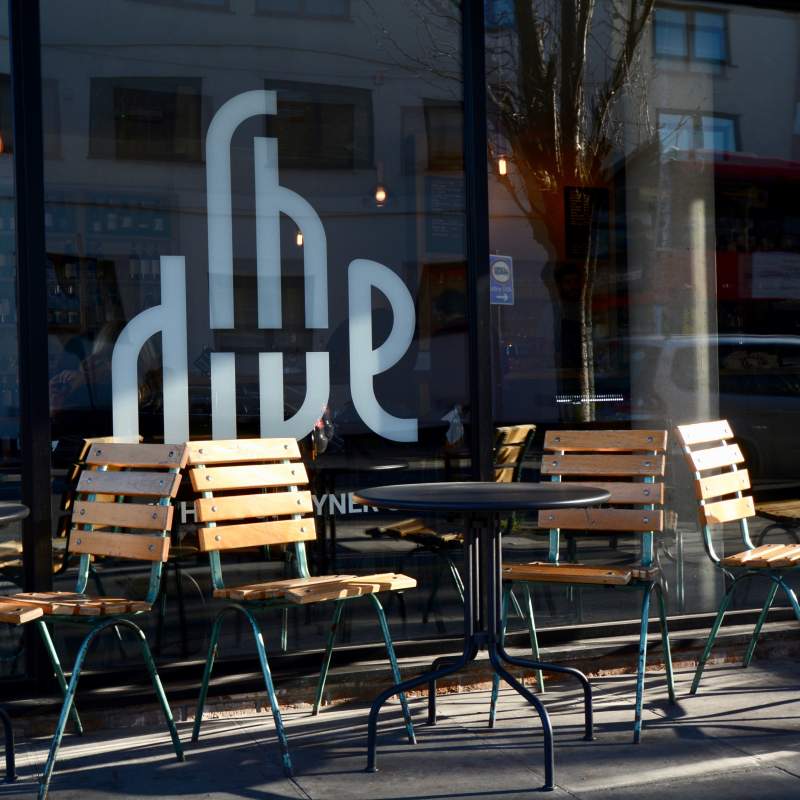
Many of the images are taken around St Margaret’s House, where the office is based. The building and its immediate surroundings become a repeated point of return - an evolving set of views shaped by season, weather, and time of day.
This body of work reflects a broader architectural position within the practice: that design begins with observation, and that careful attention to ordinary environments is as critical as formal invention. The act of looking becomes a form of research, where atmosphere, proportion, and ecological presence are recorded before they are translated into built work.
Art, Architecture and Everyday Life
Alongside architectural practice, these photographs reflect an ongoing engagement with artistic observation. They sit between documentation and interpretation, where framing, light, and timing become tools for understanding space.
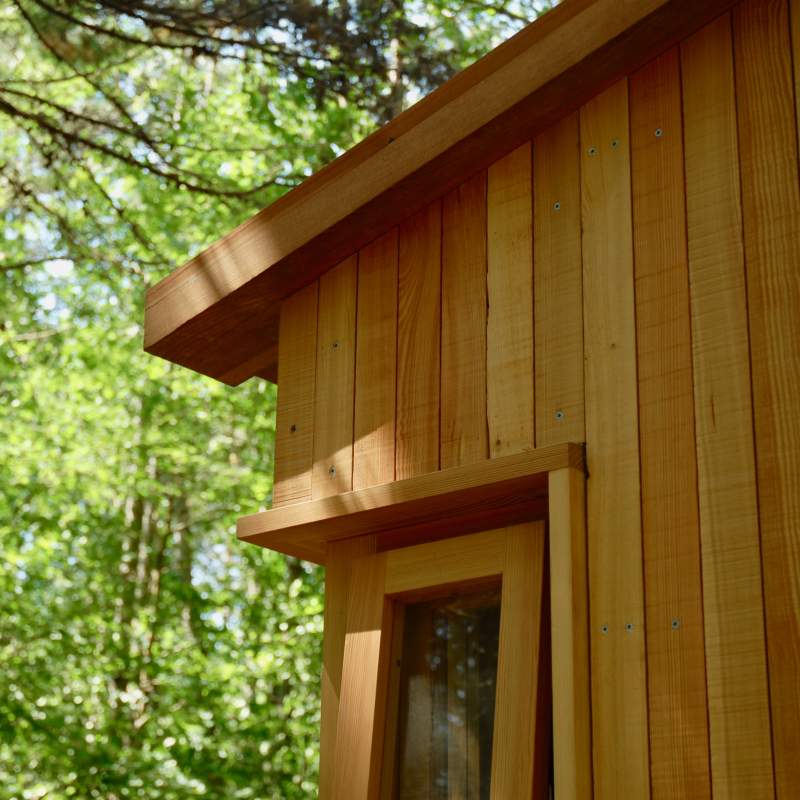
Here, artistry is not separated from architecture but embedded within it. The same attention used in design - reading light, understanding material presence, and sensing spatial relationships - is present in the act of photographing a tree against a façade or a branch extending into a street.
Tessina camera, the co-author!
The Tessina camera is a small Swiss-made subminiature film camera produced from the late 1950s, best known for its distinctive twin-lens reflex (TLR) design in an extremely compact format.
It was designed by engineers Heinz Kilfitt and Paul Nagel and manufactured in Switzerland by Paillard (the same company behind Bolex film equipment). What makes the Tessina unusual is that it uses 14×21mm frames on standard 35mm film, meaning it shoots “half-frame of a half-frame” images - allowing a full roll of film to produce a very high number of exposures.
Despite its size, the camera has a surprisingly sophisticated mechanism:
Twin-lens reflex viewing system (separate viewing and taking lenses)
Waist-level viewfinder with a ground glass screen
Spring-wound motor drive (no batteries required)
Fully mechanical shutter and exposure system
Often used with a wrist strap or even hidden for discreet photography
Because of its compactness, it was widely used for spy photography, surveillance, and discreet documentary work, including Cold War intelligence contexts. At the same time, it also attracted artists and experimental photographers who valued its portability and its ability to slow down composition despite its small scale.
Today, the Tessina is considered both a technical curiosity and a cult object in analog photography - valued for its mechanical precision, miniature engineering, and distinctive image aesthetic.
Photos by: Tom Raymont on Tessina