Plant Drawings | Biophilic Design & Nature-Inspired
Hand Drawn Observations by Tom Raymont
Within Arboreal Architecture, drawing is not treated as representation but as a mode of inquiry - an essential way of testing ideas about structure, material, and ecological systems. These meticulous graphite pencil studies of the natural world by architect Tom Raymont form part of a wider body of work that connects observational drawing with built architectural practice.
Made through slow, close reading of plant structures, the drawings capture branching systems, leaf arrangements, and surface geometries with careful attention to proportion and variation. Rather than abstracting natural forms into fixed diagrams, they remain grounded in direct observation, allowing architectural logic to emerge through looking rather than preconception.
As the Spanish architect Antoni Gaudí noted, “originality is the return to the source.” In this sense, the drawings operate as a return to fundamental systems of growth, where repetition is always slightly altered, and structure is inseparable from process.
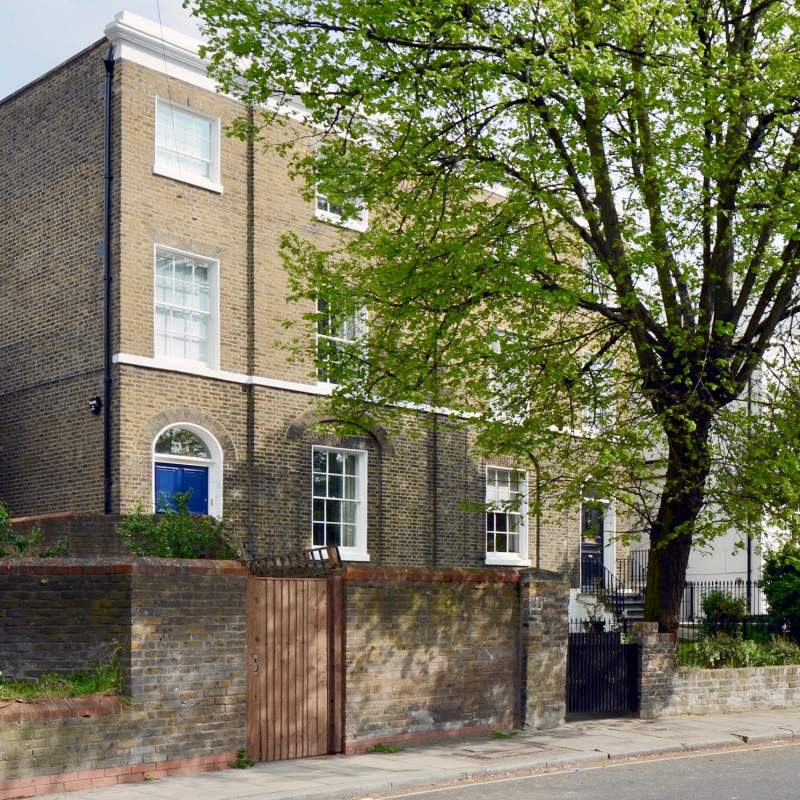
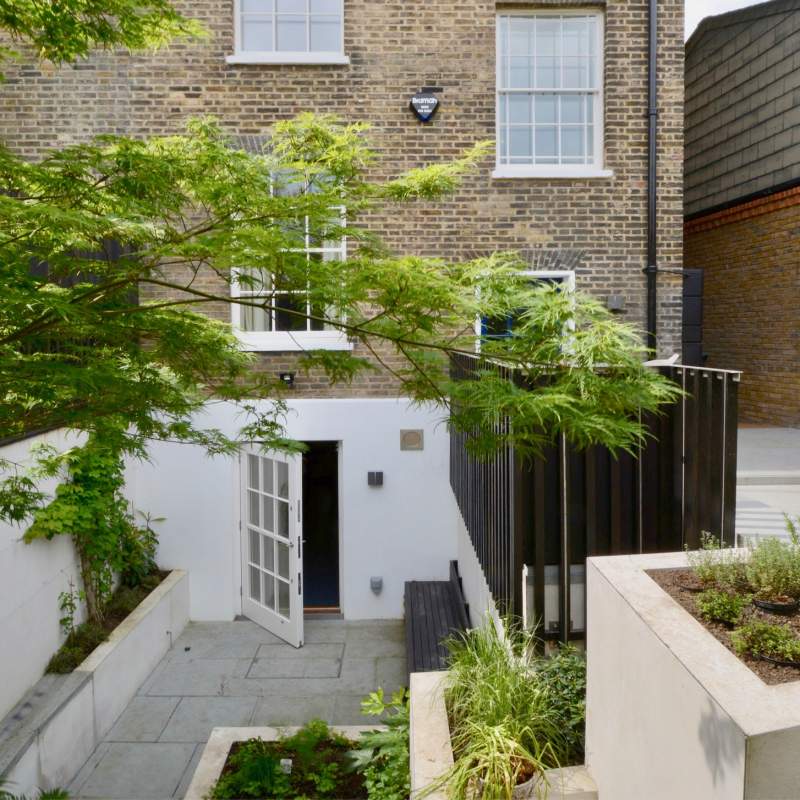
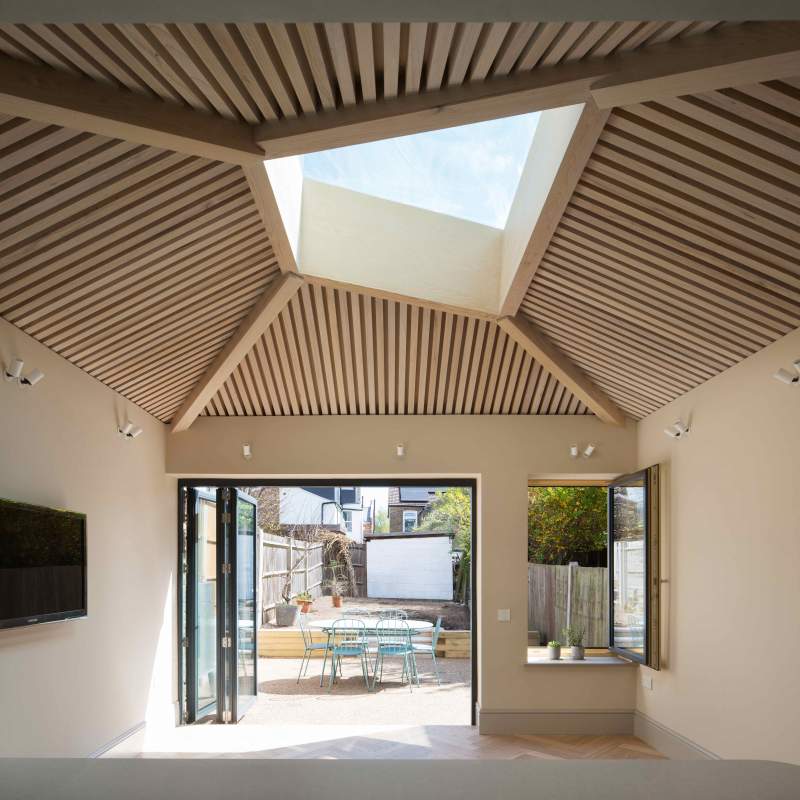
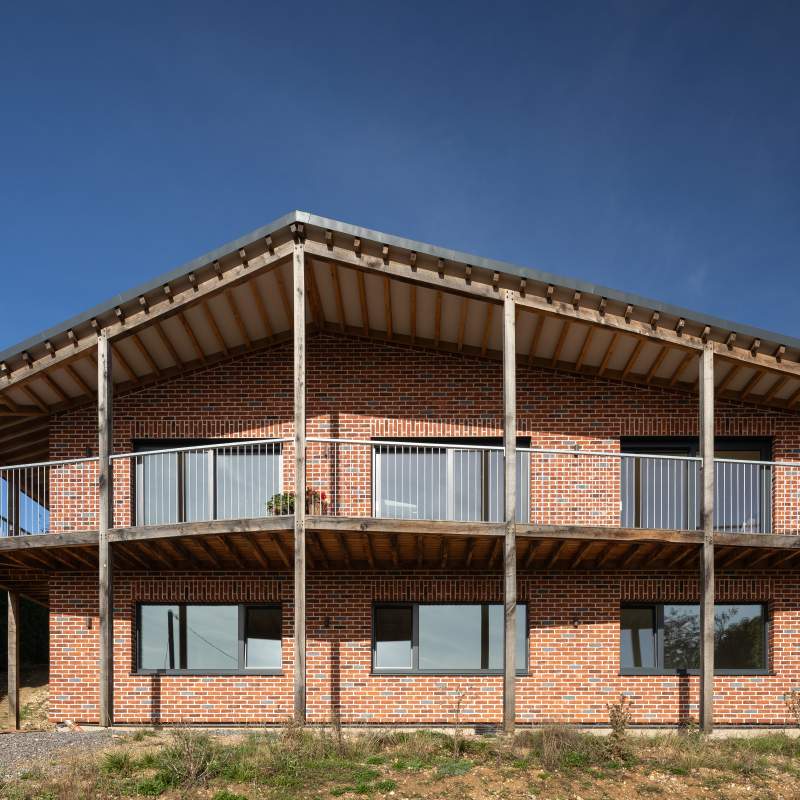
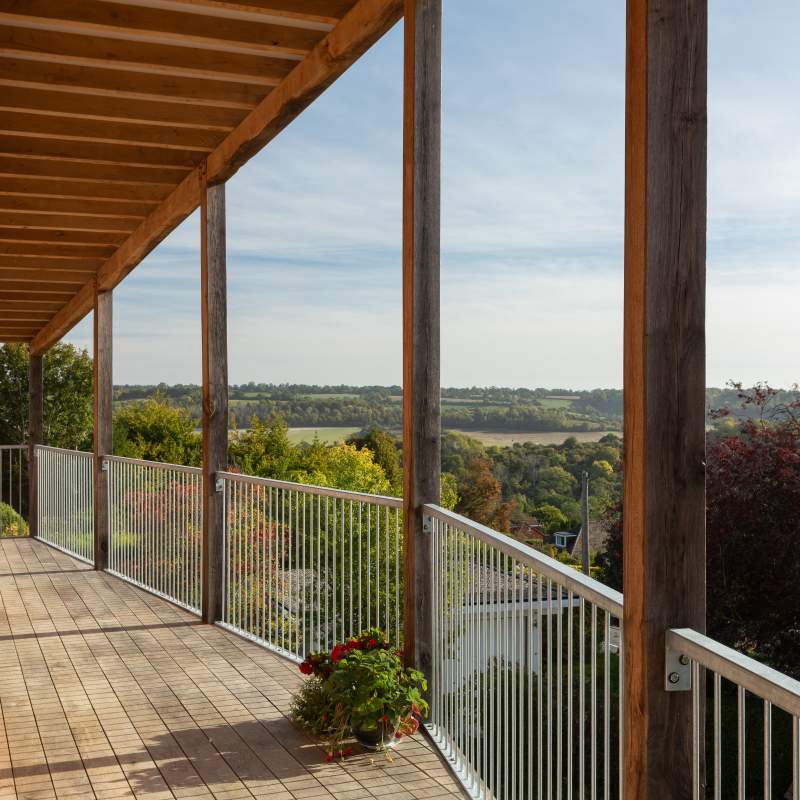
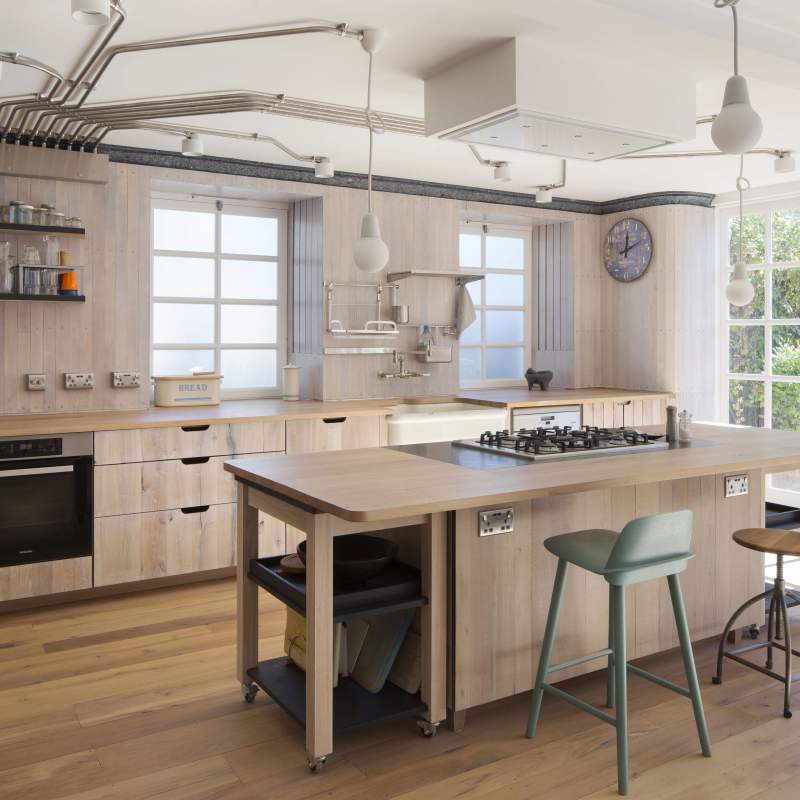
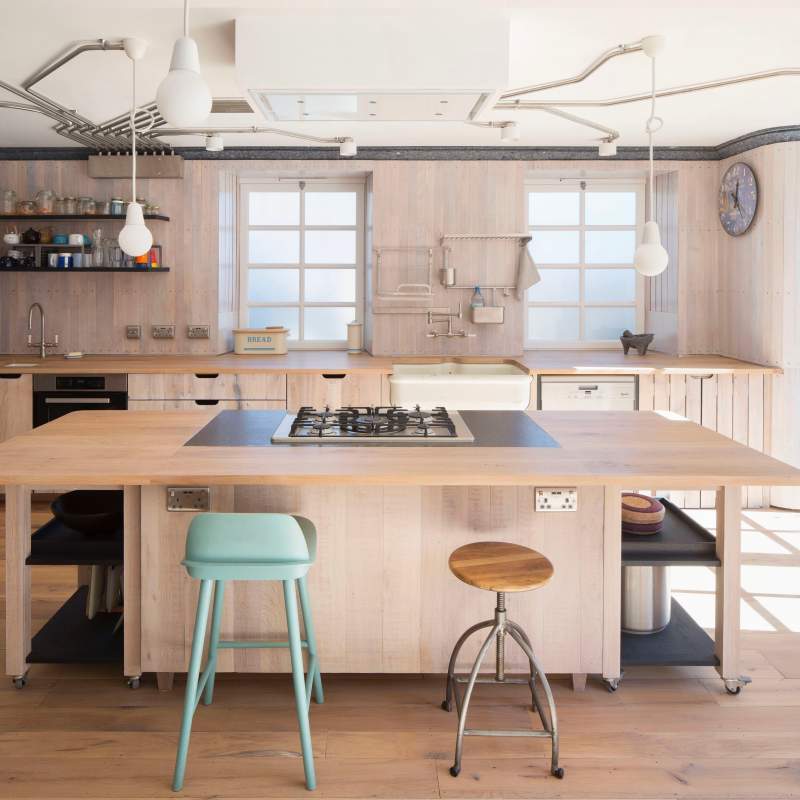
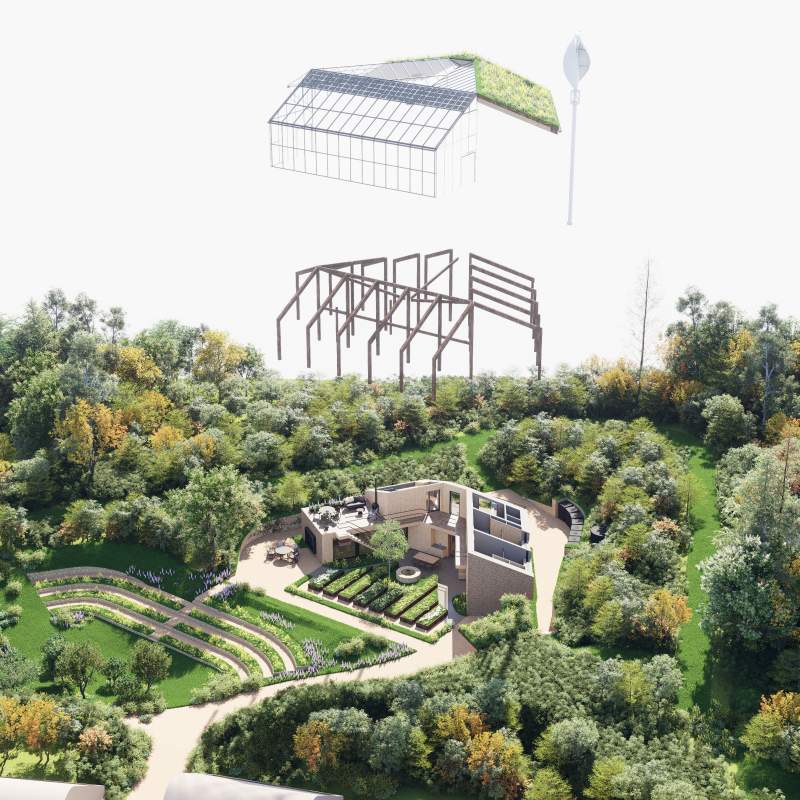
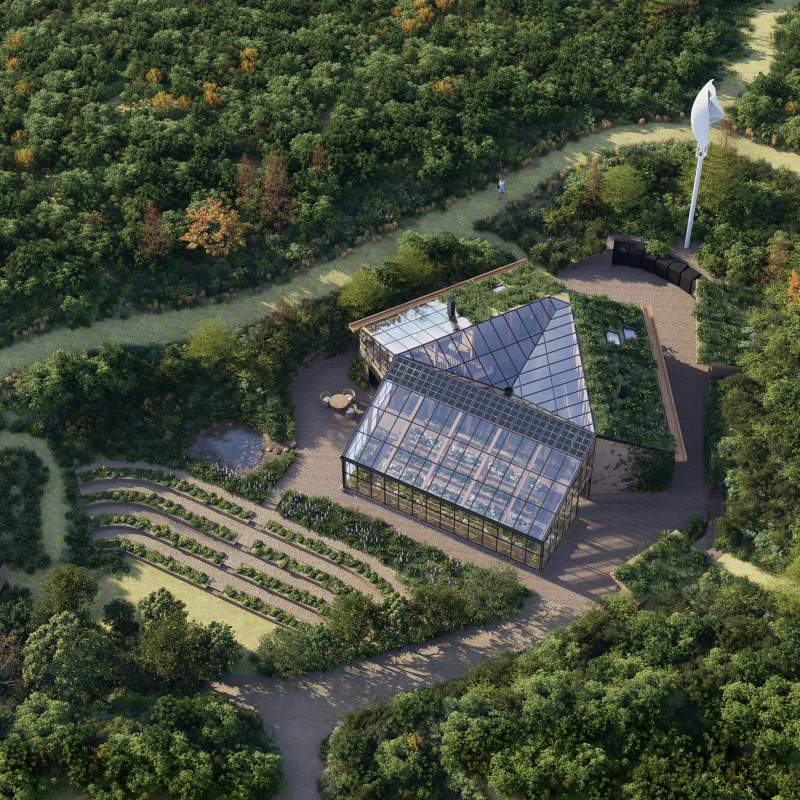
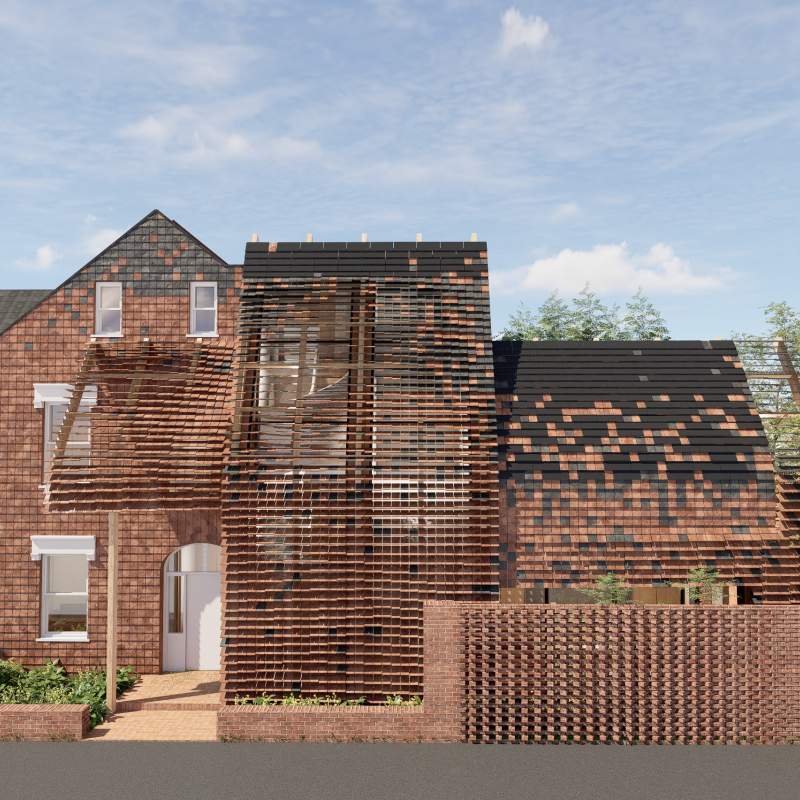
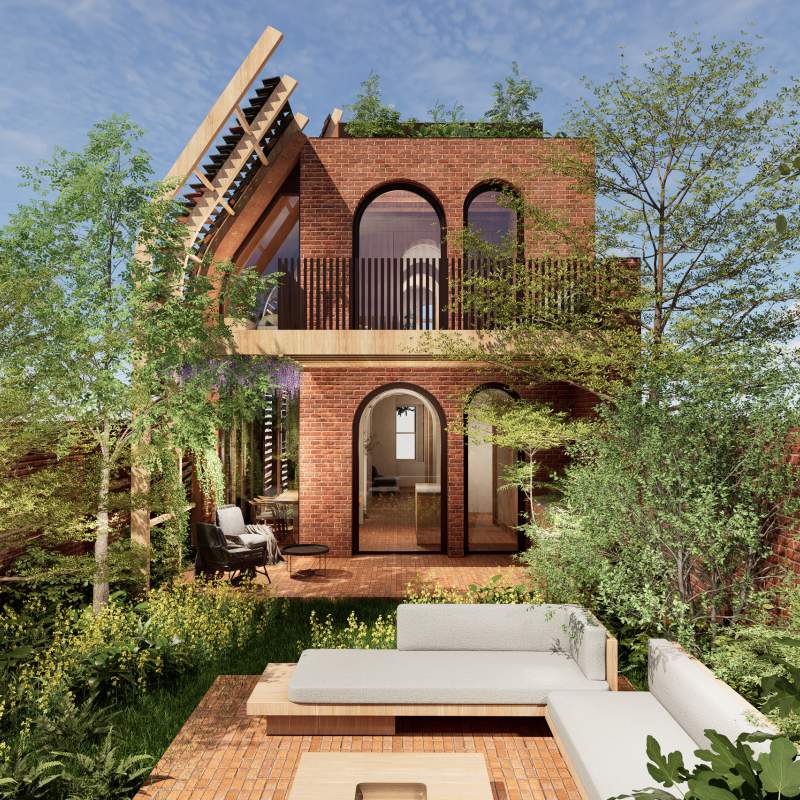
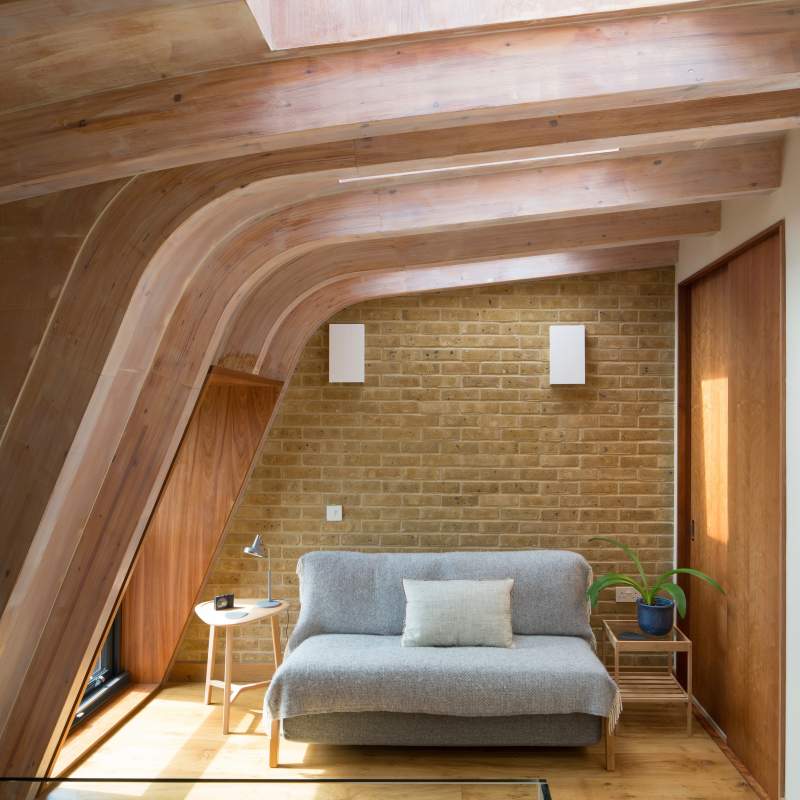
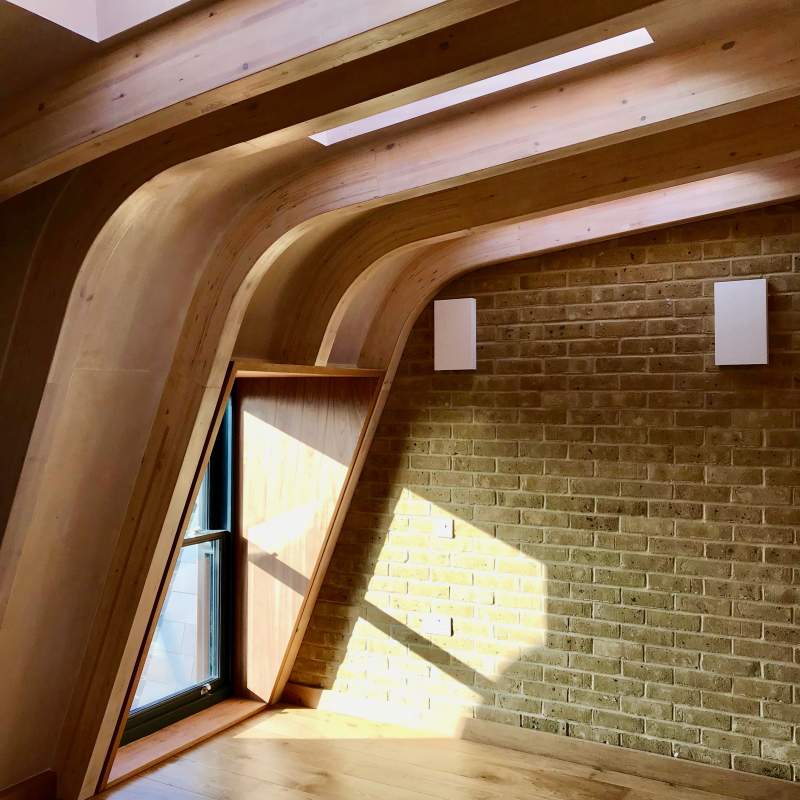
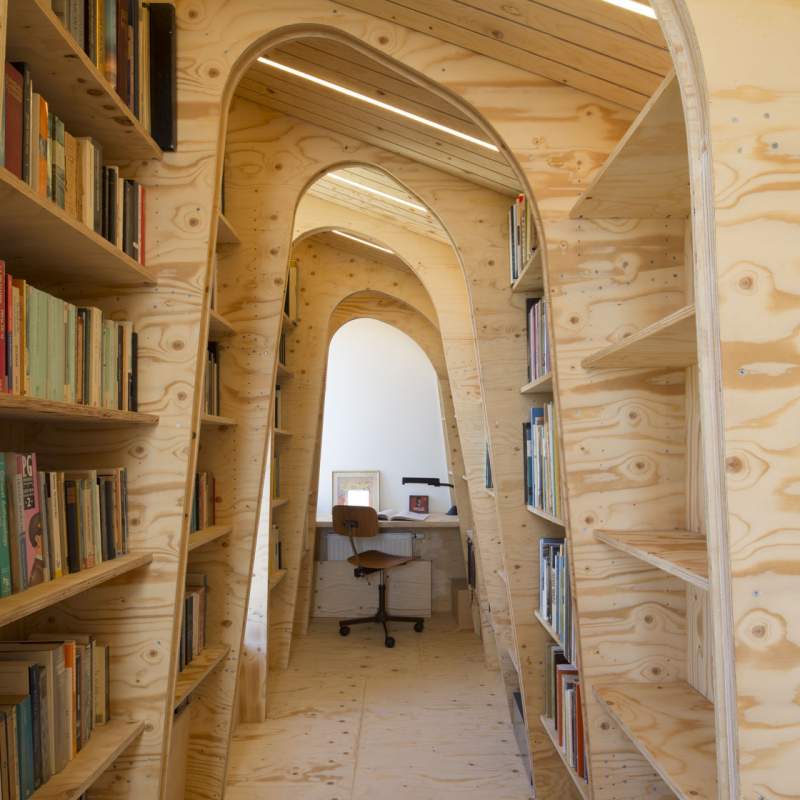
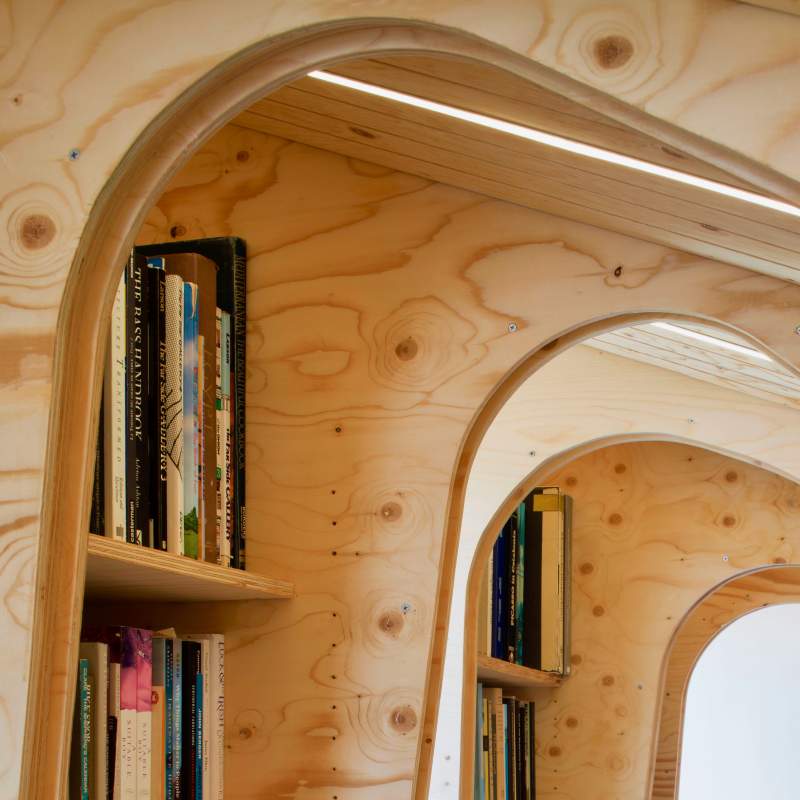
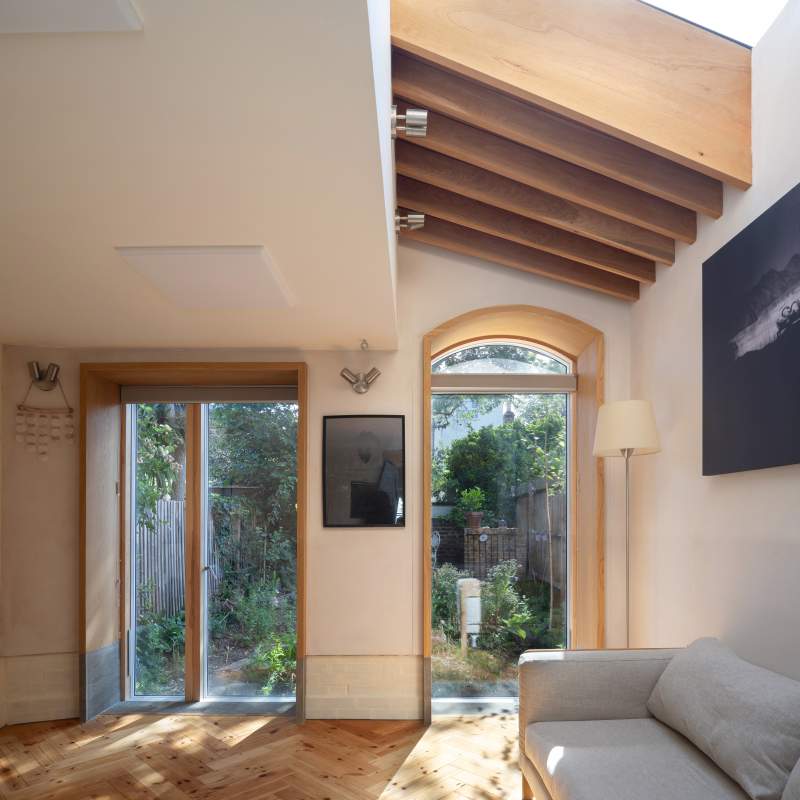
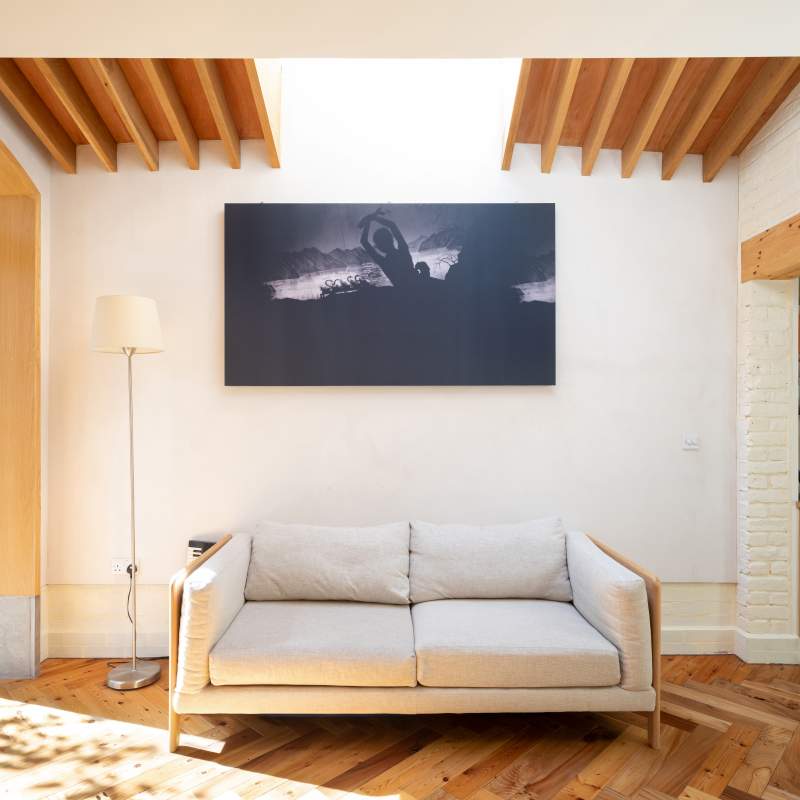
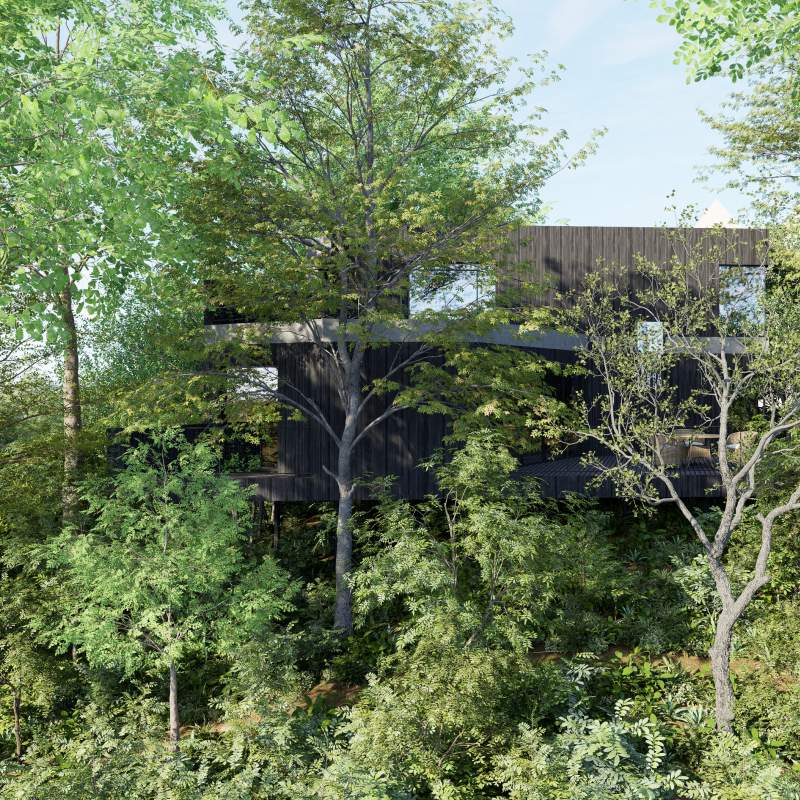
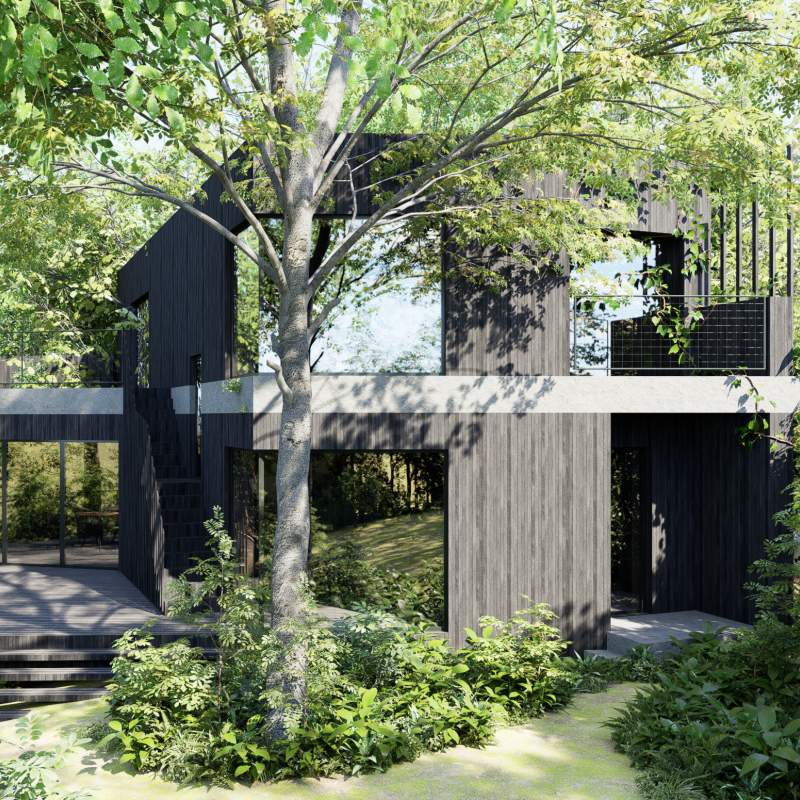
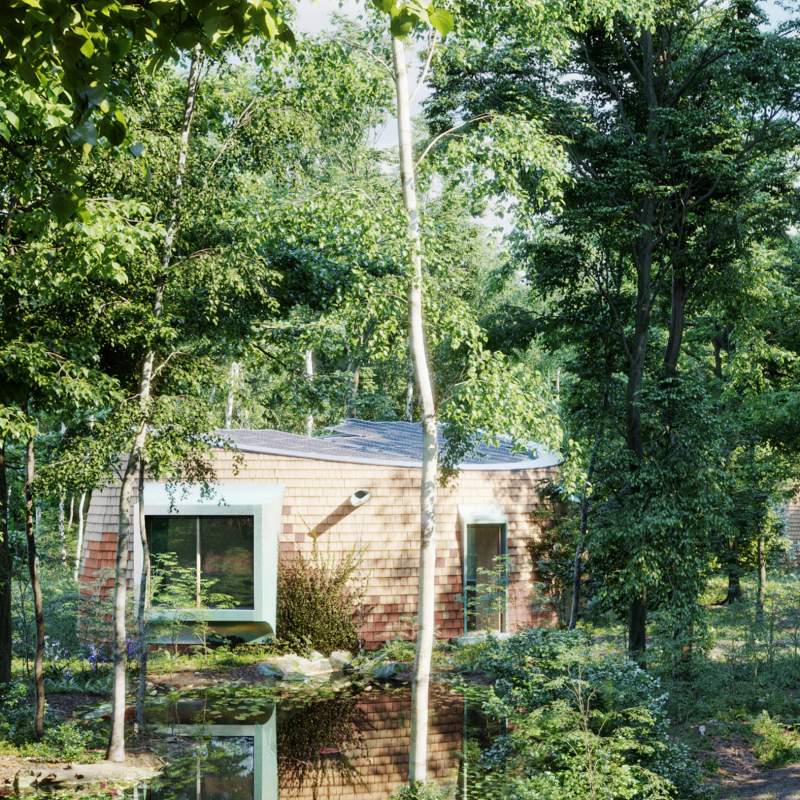
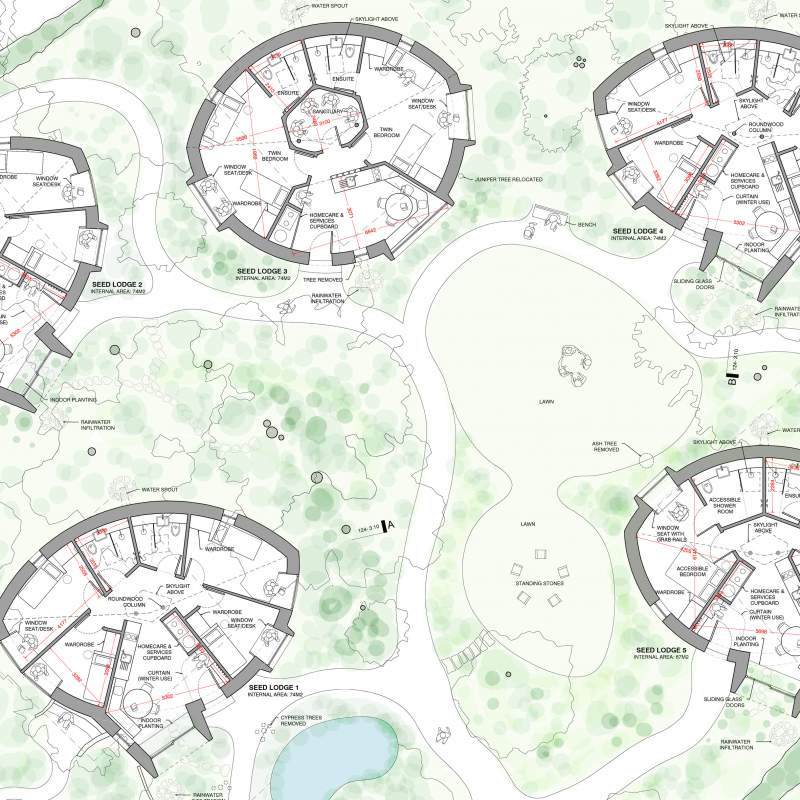
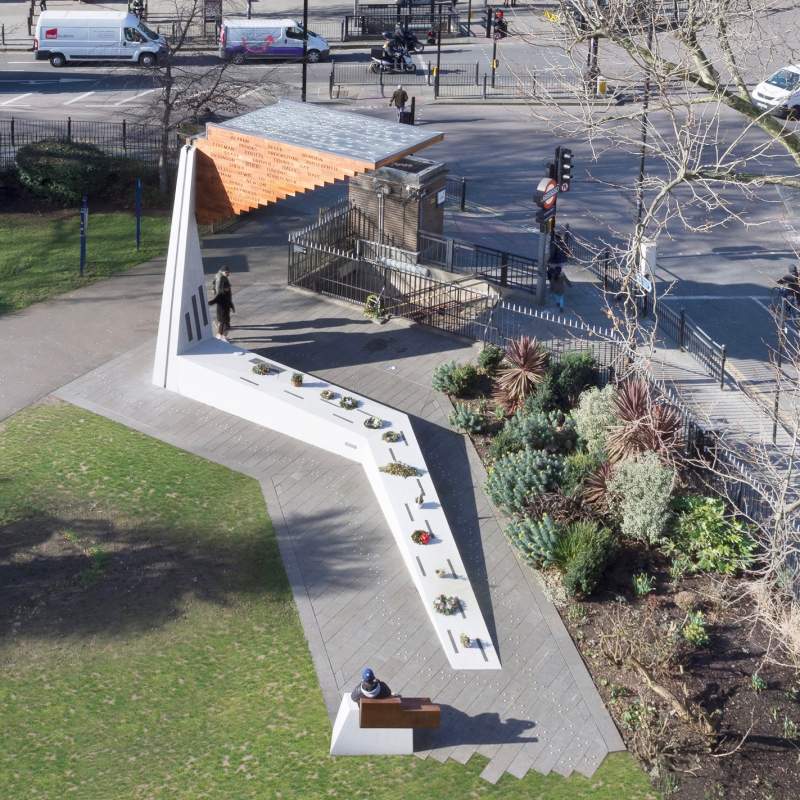
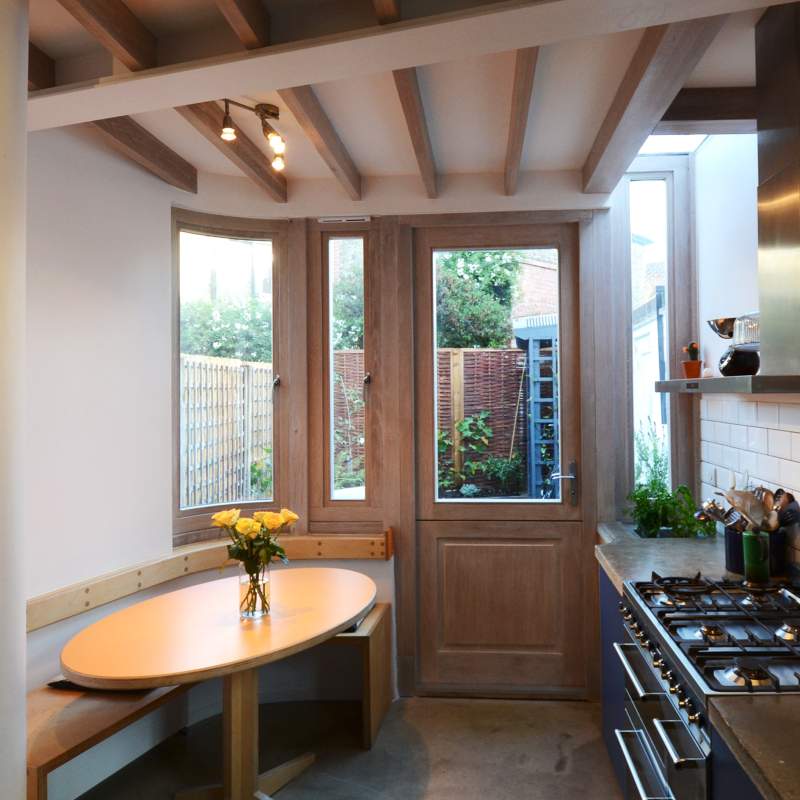
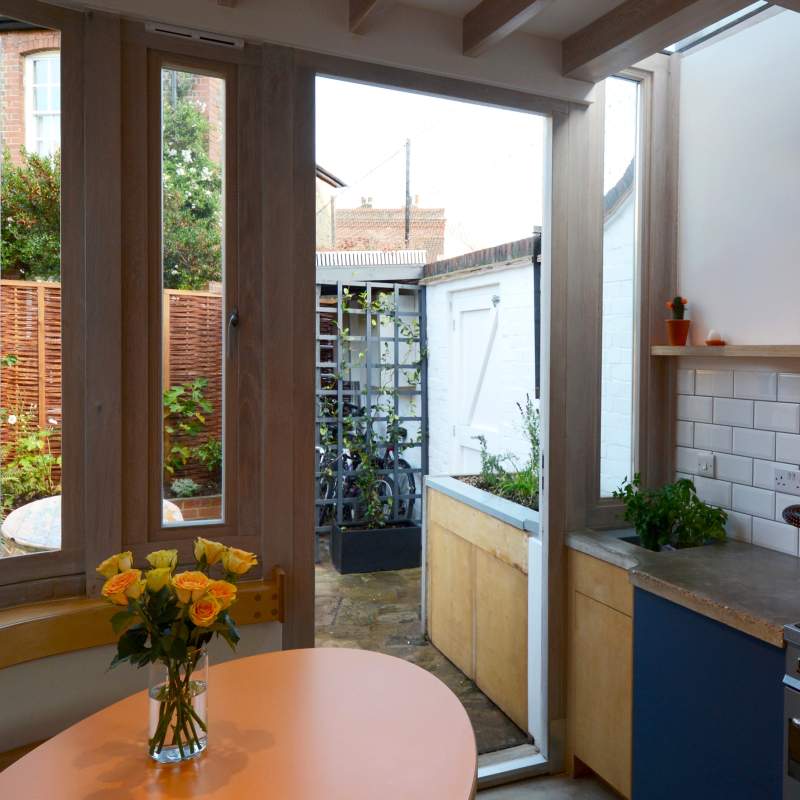
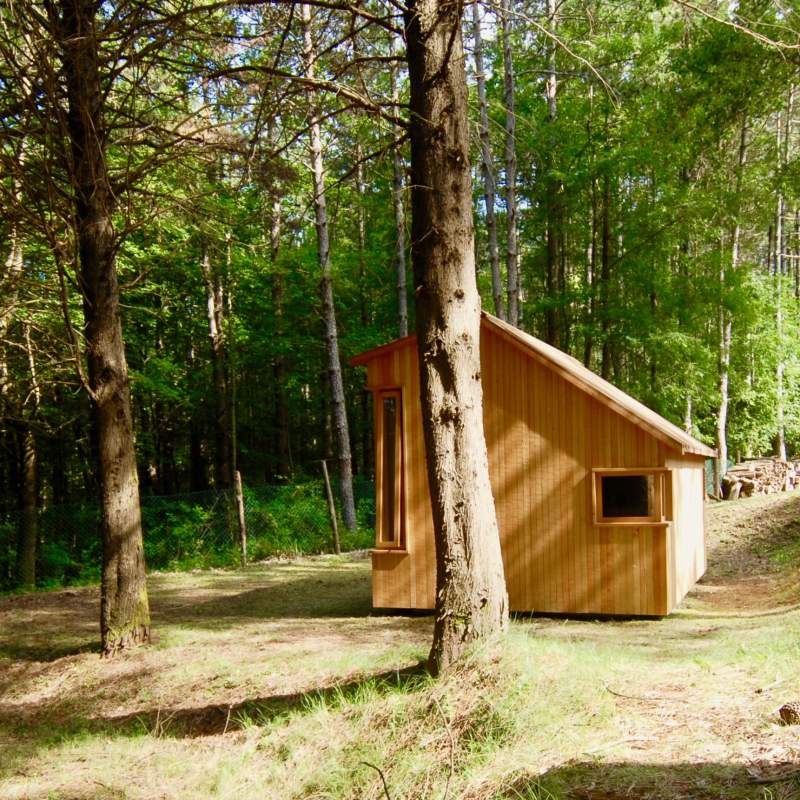
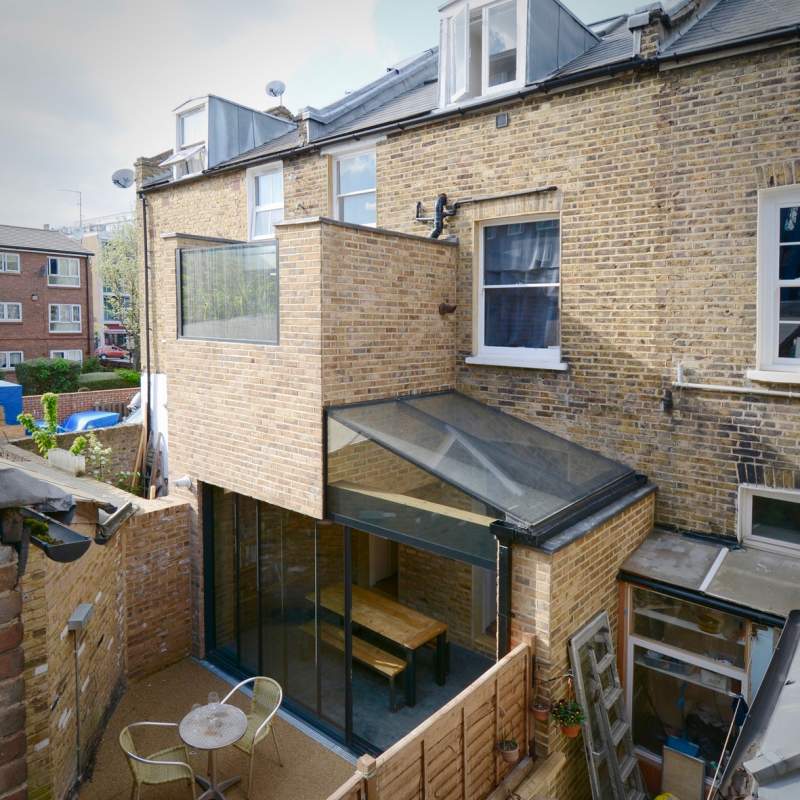
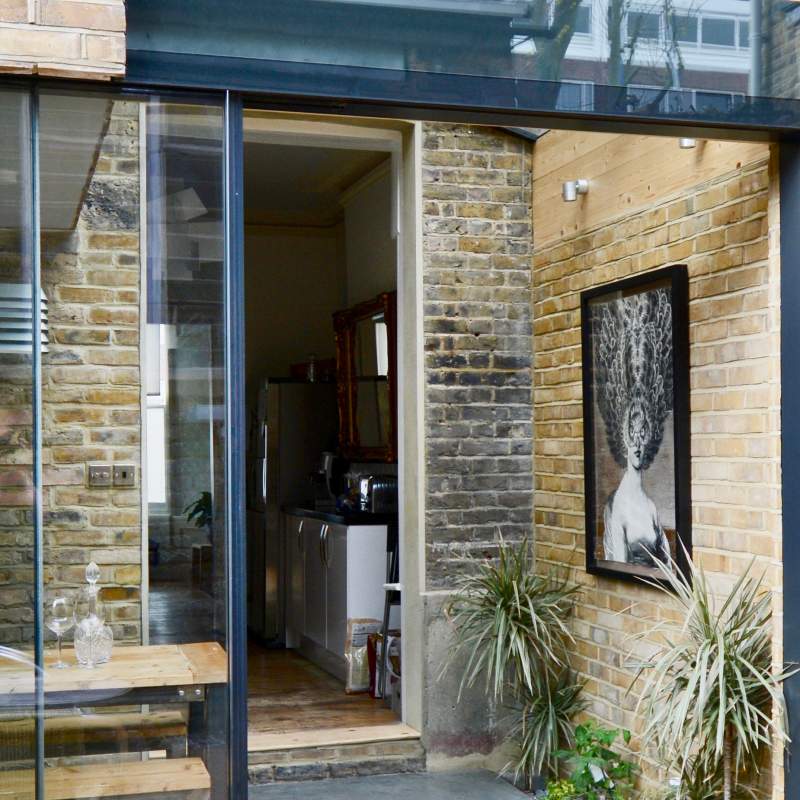
This drawing practice is not separate from architectural production - it directly informs the design of Arboreal Architecture’s built work. The same attention to material behaviour, ecological systems, and incremental formation can be traced in completed eco-buildings, timber structures, and regenerative retrofit projects, where form emerges from environmental logic rather than imposed geometry.
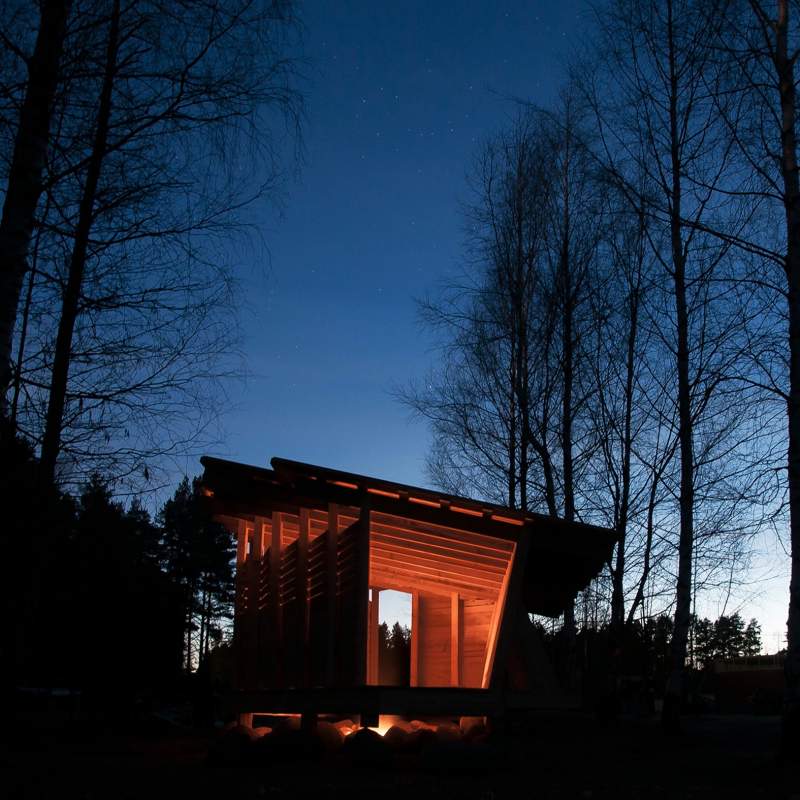
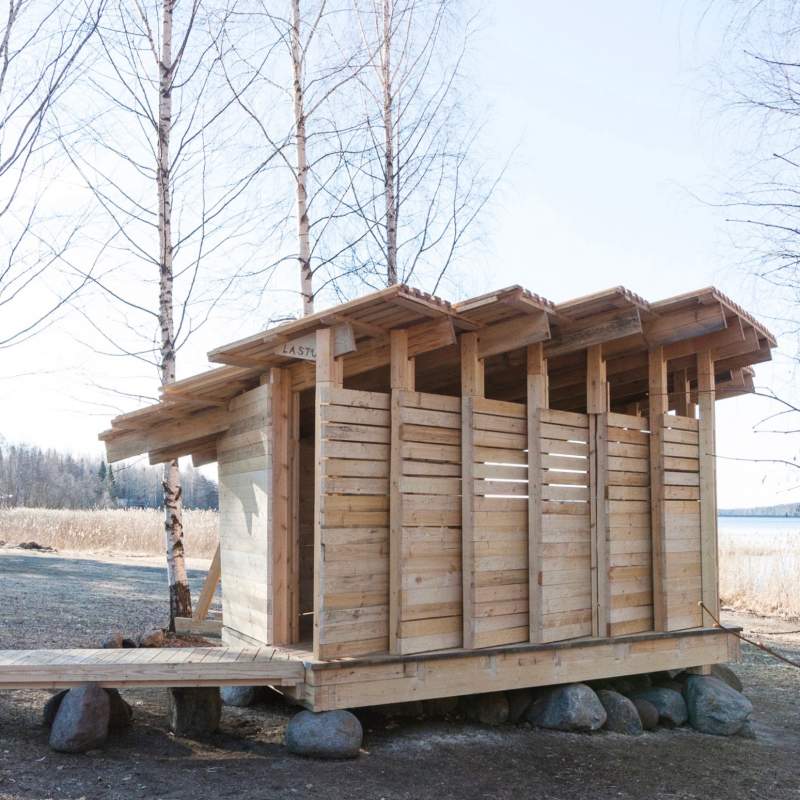
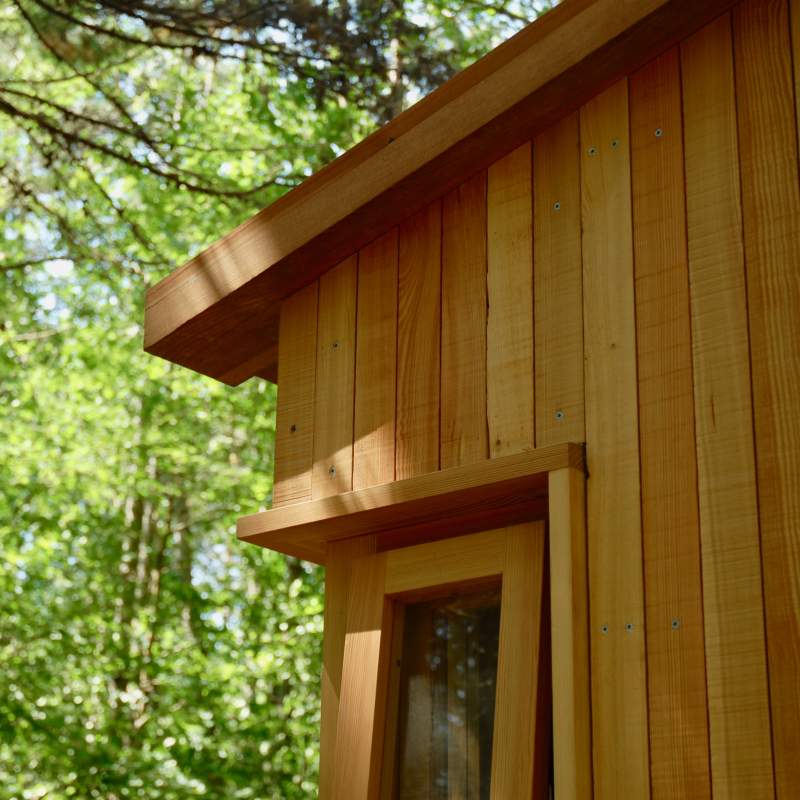
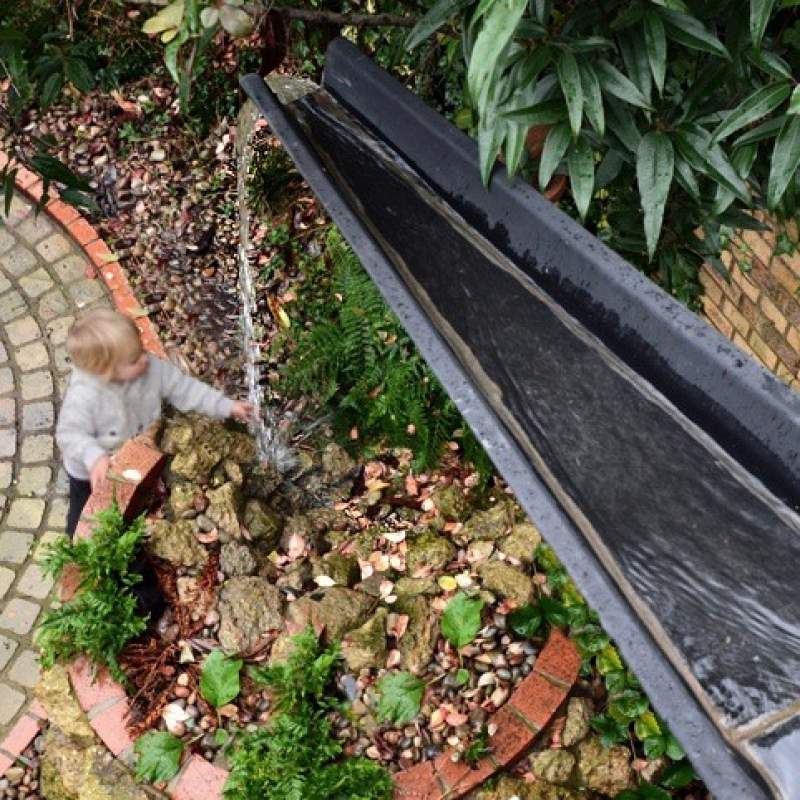
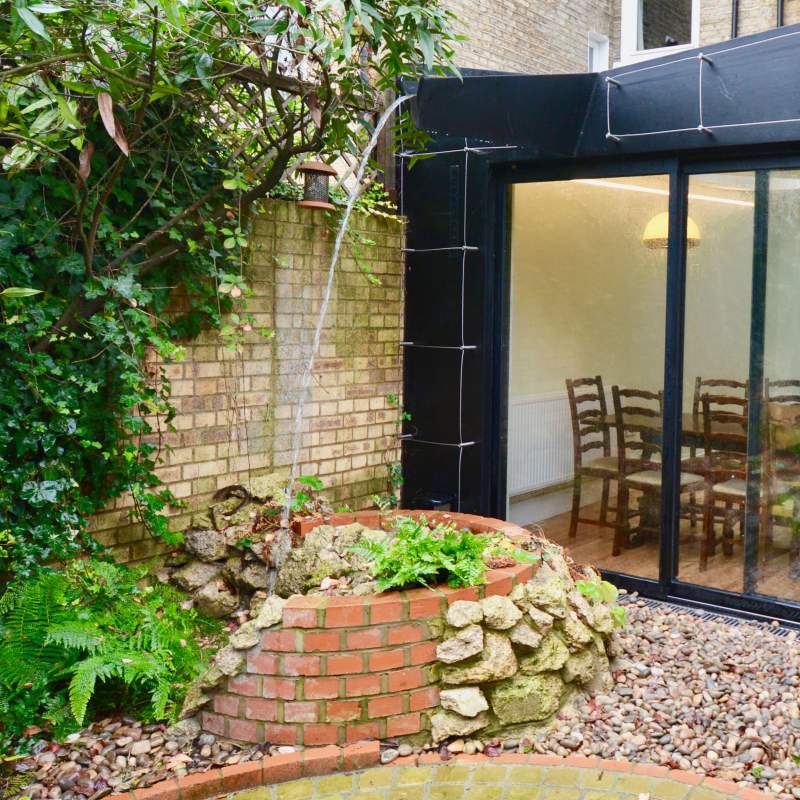
The translation from drawing to building is particularly evident in projects such as low-energy timber houses, ecological retrofits, and small-scale landscape structures, where material expression, passive environmental performance, and structural clarity are closely aligned. In these works, the sensibility developed through graphite studies - attention to variation, growth, and subtle differentiation - becomes embedded in architectural detail, spatial organisation, and envelope design.
Graphite allows for a physical responsiveness that mirrors the unpredictability of natural systems. Tonal shifts, hesitation, and layering become tools for thinking, echoing the behaviour of living structures over time. This approach reinforces a broader architectural position: that ecological buildings are not only designed for nature, but learned from it.
Together, the drawings and built projects form a continuous practice - where observation leads to architecture, and architecture returns again to observation.