Draw Down Carbon
The defining challenge of our time - perhaps of any time - is as imperceptible as it is profound. The concentration of carbon dioxide in Earth’s atmosphere is now higher than at any point in the last 900,000 years. Humans have existed for only a fraction of that time; agriculture for around 10,000 years, and recorded history for less still. We are living in unprecedented conditions, and everything we design, make, use, and consume must now be reconsidered through this lens.
Architecture has a vital role to play in the transition to a zero-carbon future - the only viable future, and one that is arriving too slowly. Can it come within our lifetimes?
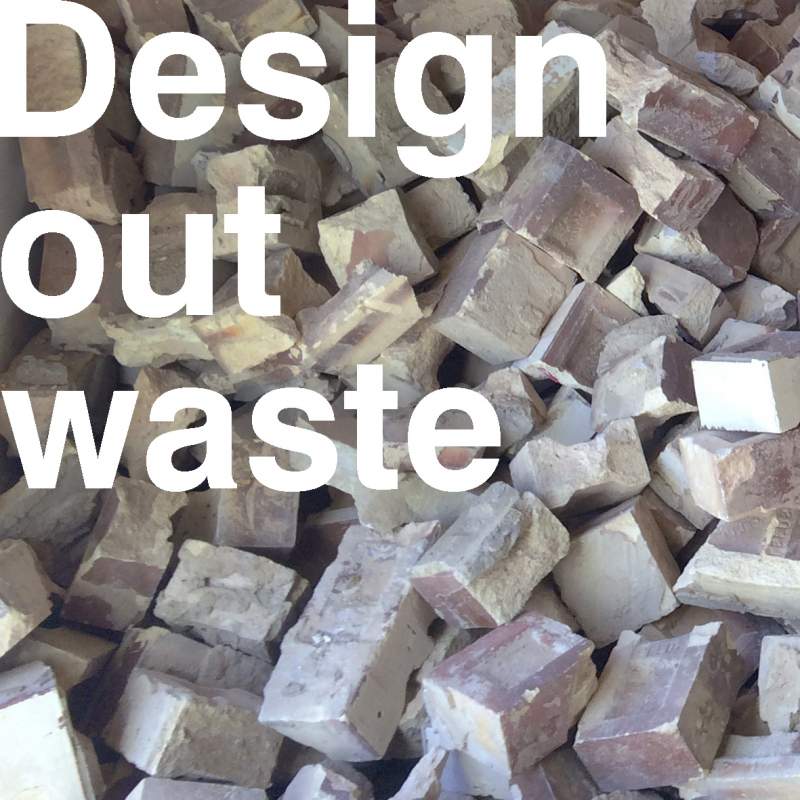
Buildings are responsible for approximately 40% of global greenhouse gas emissions. They are a major part of the problem, but we already possess the knowledge and tools needed to address it. Around 30% of global emissions come from the energy used to heat, cool, light, and power our buildings. The remaining 10% comes from construction itself: the extraction and manufacture of materials, the processes of building and maintenance, and the waste generated through demolition. Though embodied emissions account for a smaller proportion overall, they are often more immediate and concentrated, released all at once during construction.
This reality brings both a deep responsibility and a powerful sense of possibility. Architecture must change. There is no reason to hesitate, nor to look backwards. The challenge of designing and inhabiting zero-carbon buildings is also an opportunity: to create the world we want to live in - the only world in which we, and countless other species, can continue to live.