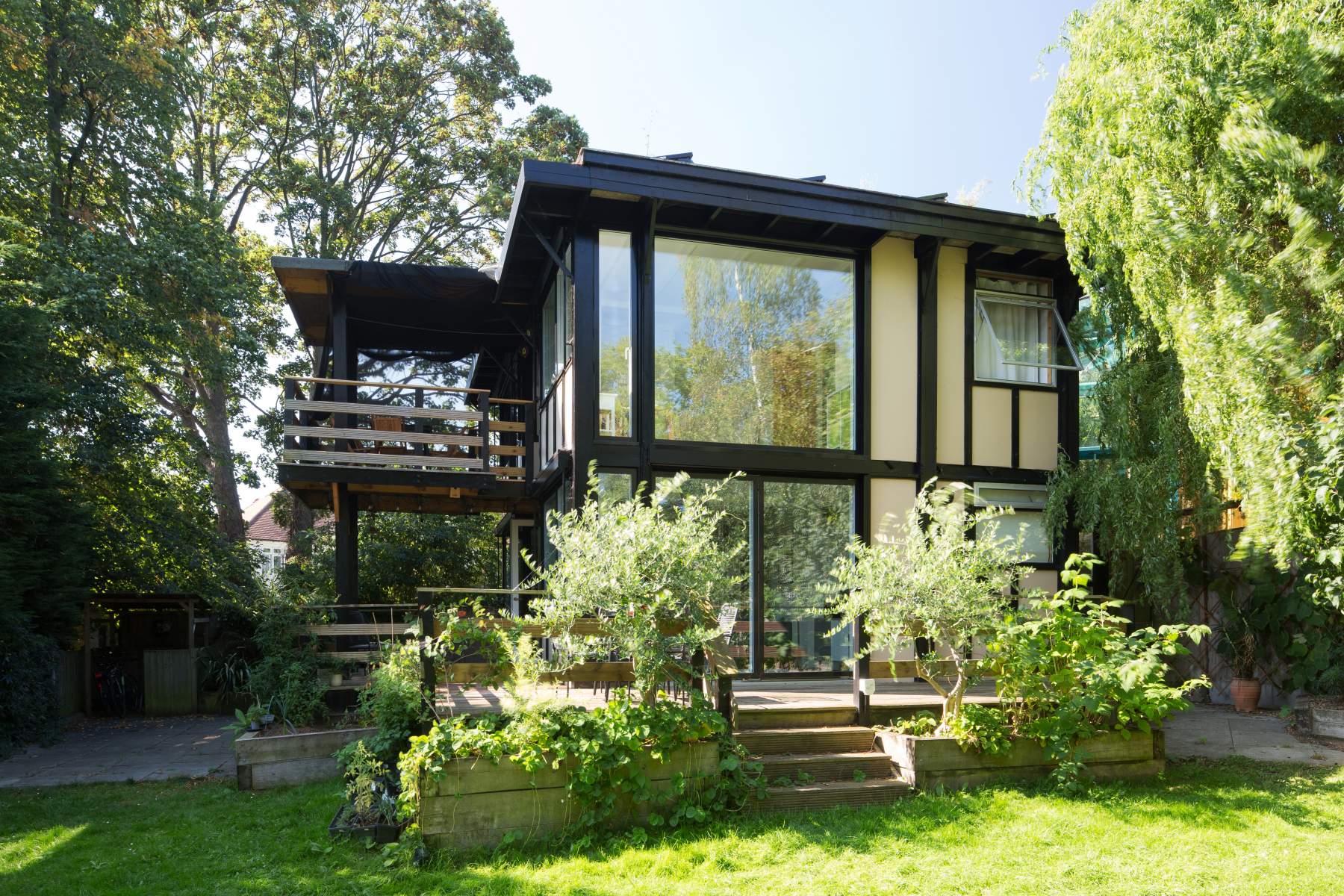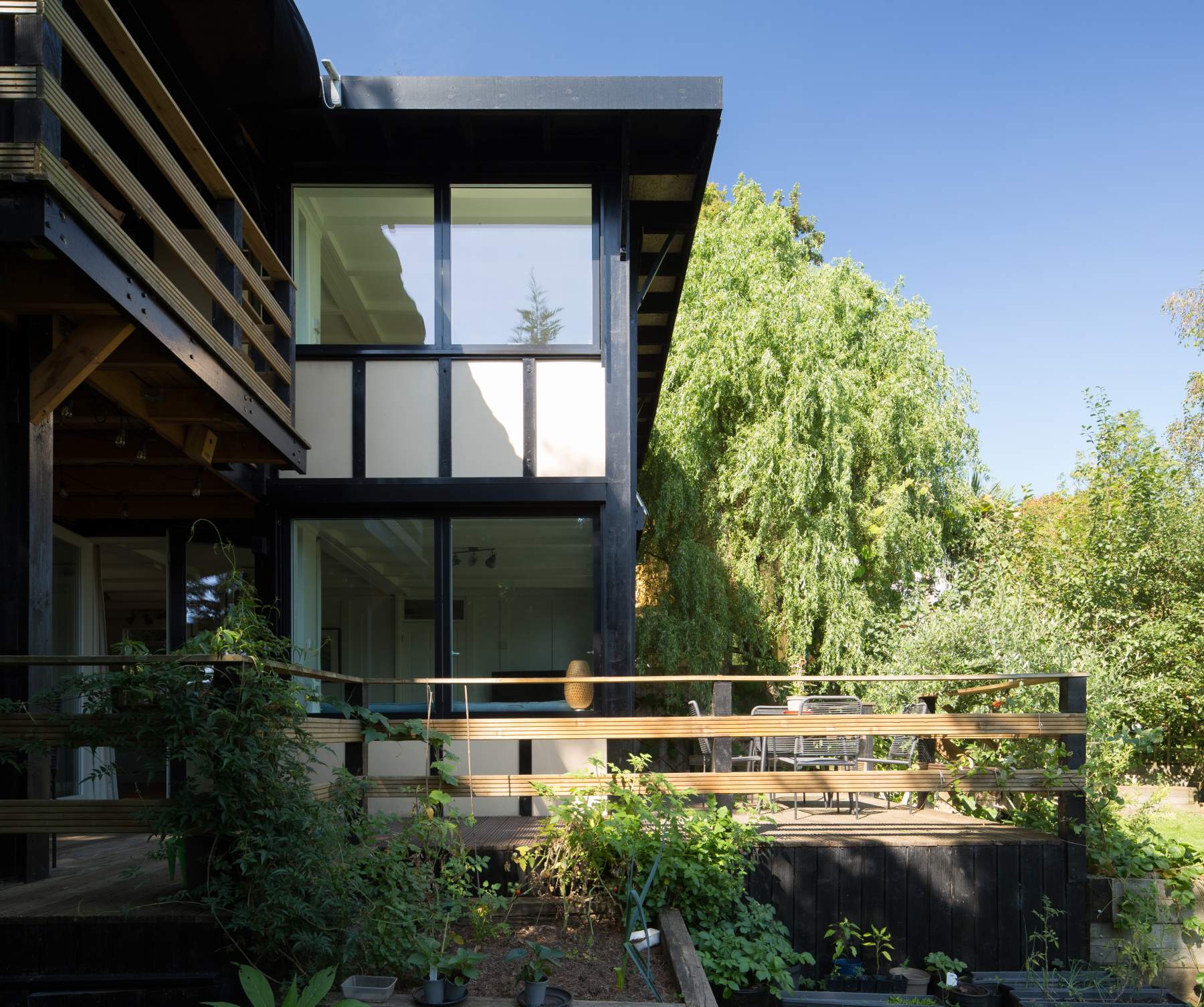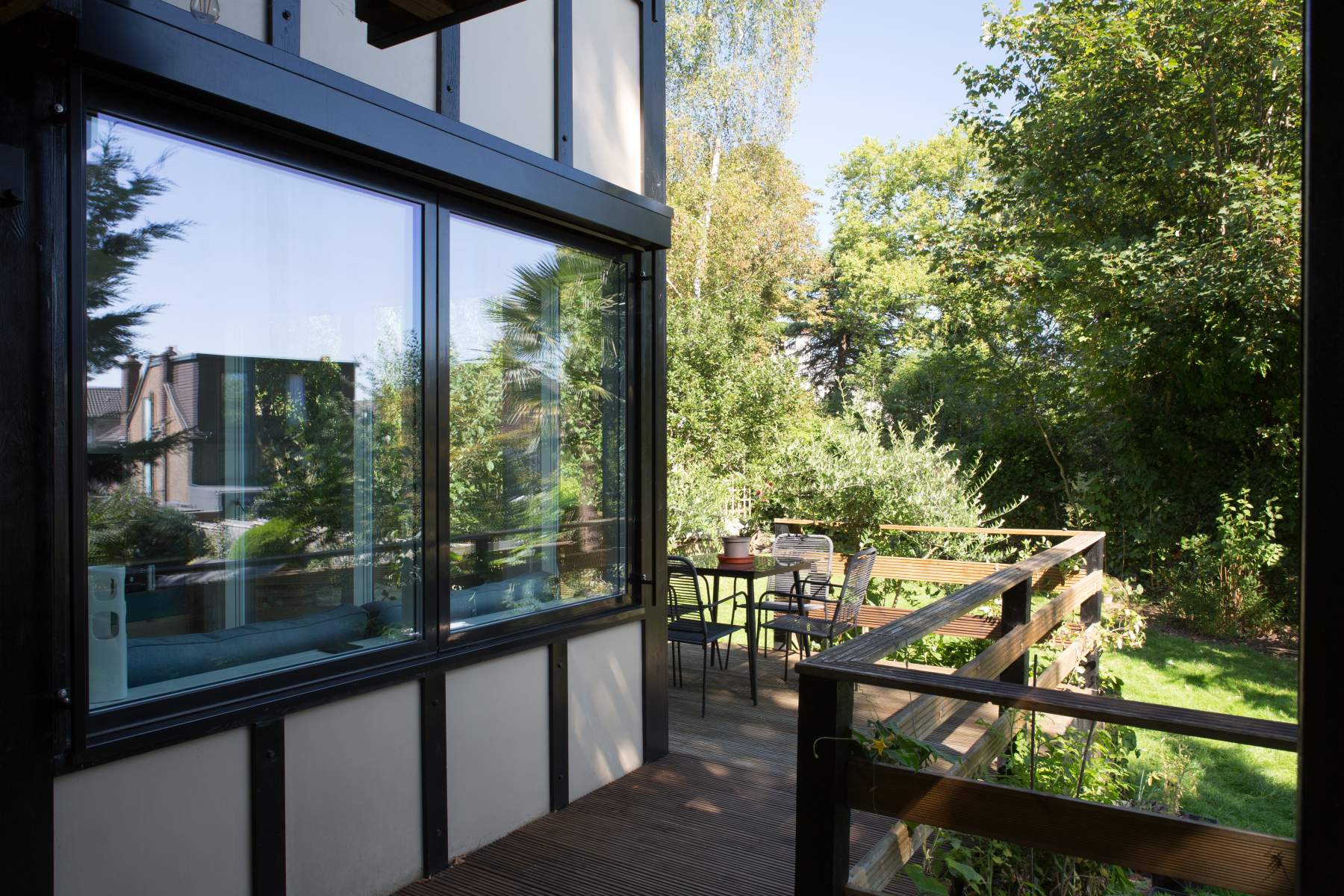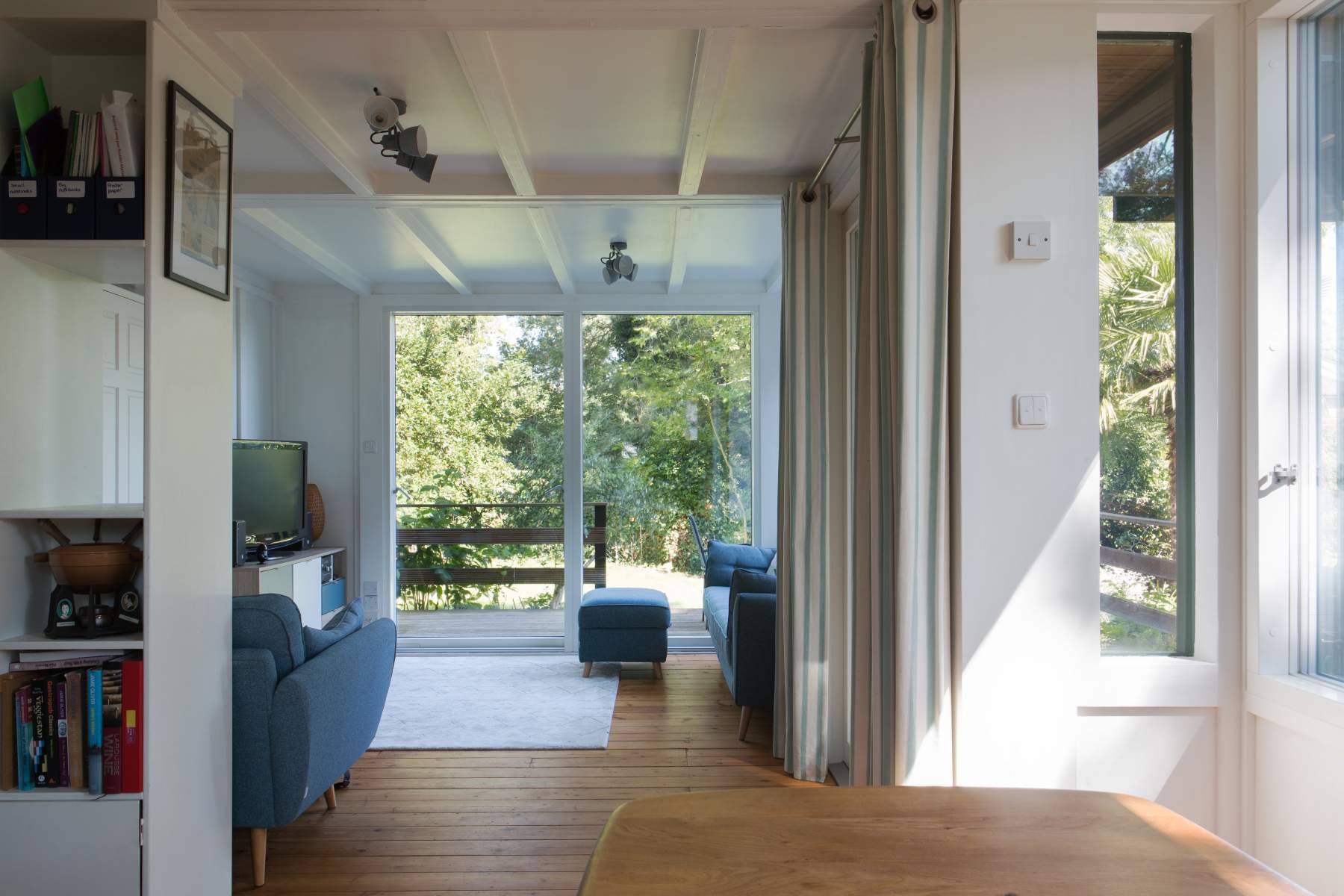
Walter Segal Self-Build Retrofit
Passivhaus Retrofit of a Walter Segal Self-Build Home Walters Way, Low-Energy Upgrade, London
Whilst innovative in their time, Segal-method self-build homes have a low energy efficiency compared to modern homes and are prone to draughts, largely due to the ‘dry’ construction techniques used. Many of the original materials used are also approaching the end of their life, particularly the waterproof membranes and insulation.
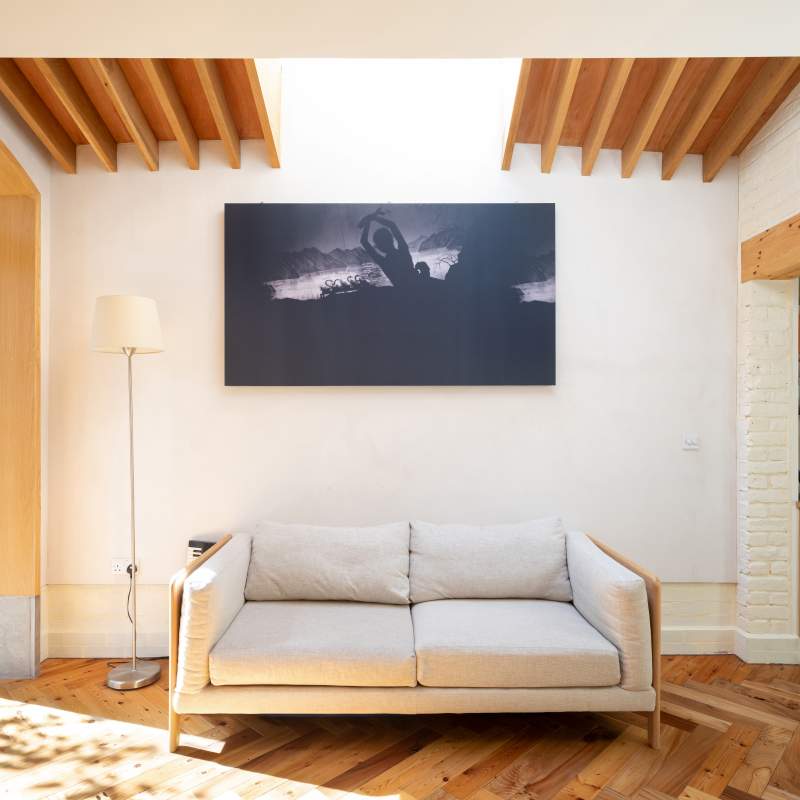
Many occupants of Segal-method homes also find them to be ‘tight’ internally – and a number of properties on the street have been extended since their construction, in-line with the original design concept.
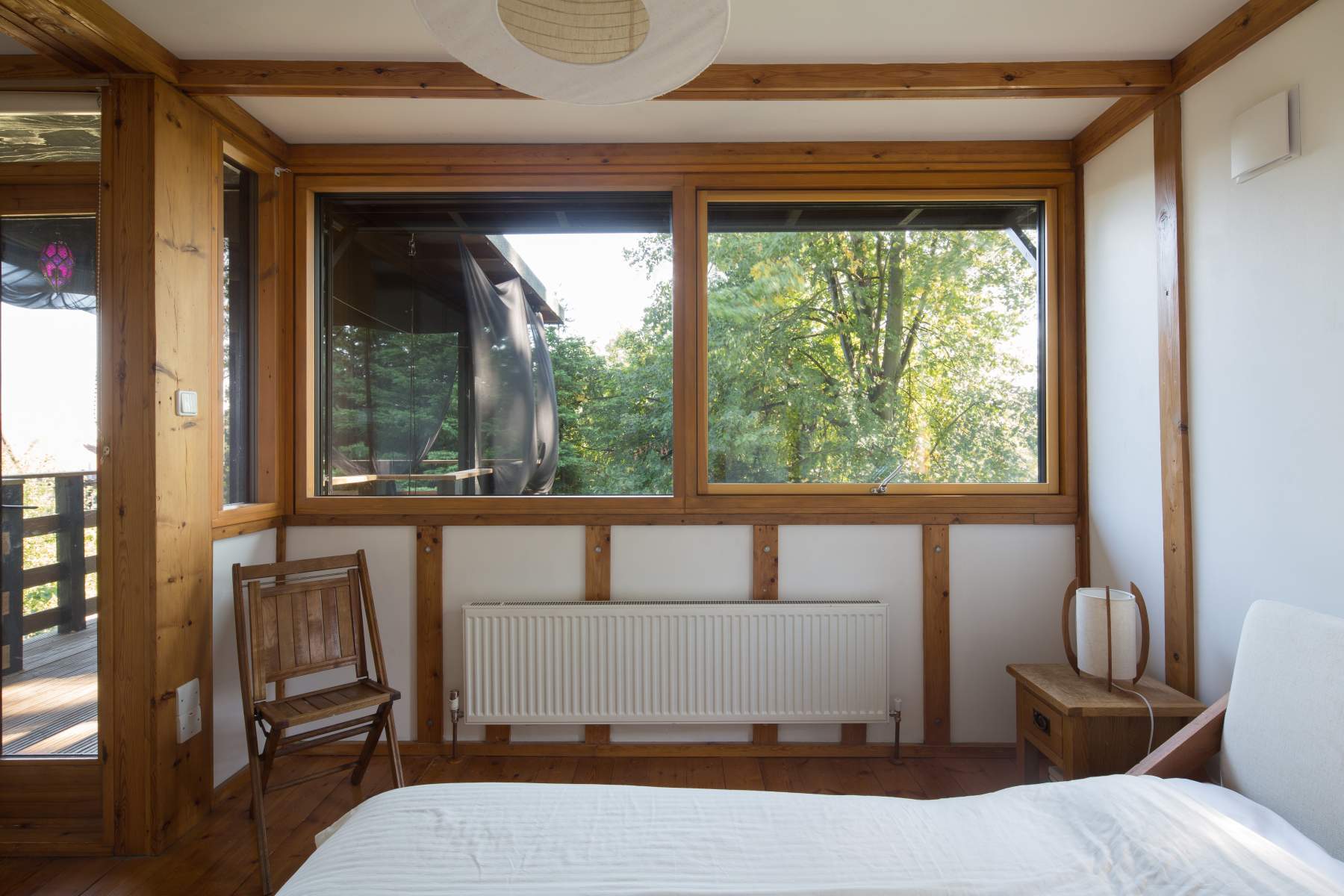
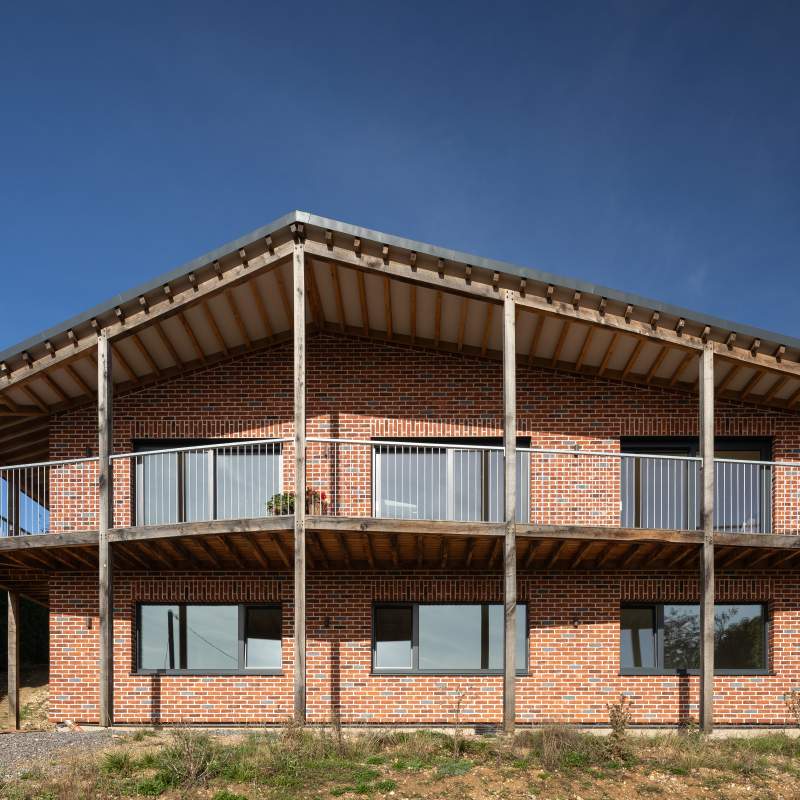
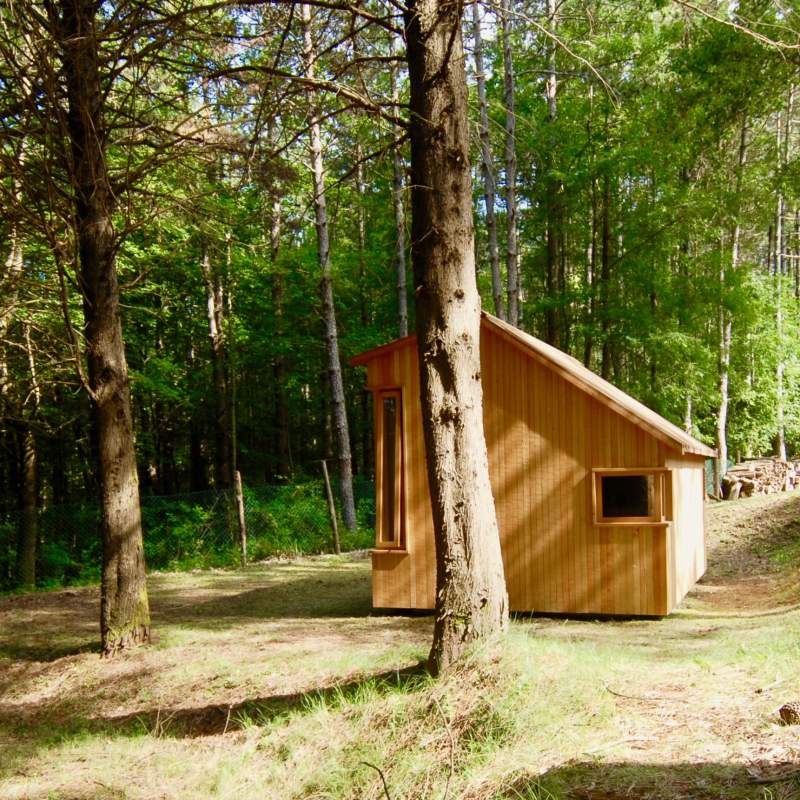
The existing house was built in the 1980s and built using the self-build system developed by the architect Walter Segal. The ‘Segal Method’ allowed inexperienced self-builders to construct their own homes using standard sized materials and basic carpentry skills. This was flexible architecture that could respond to the needs of the people who lived within the buildings and could be easily altered as those needs changed.
Over the years the homeowners on Walters Way have made full use of this flexibility; adapting the size and layout of their homes in response to the needs of their families.
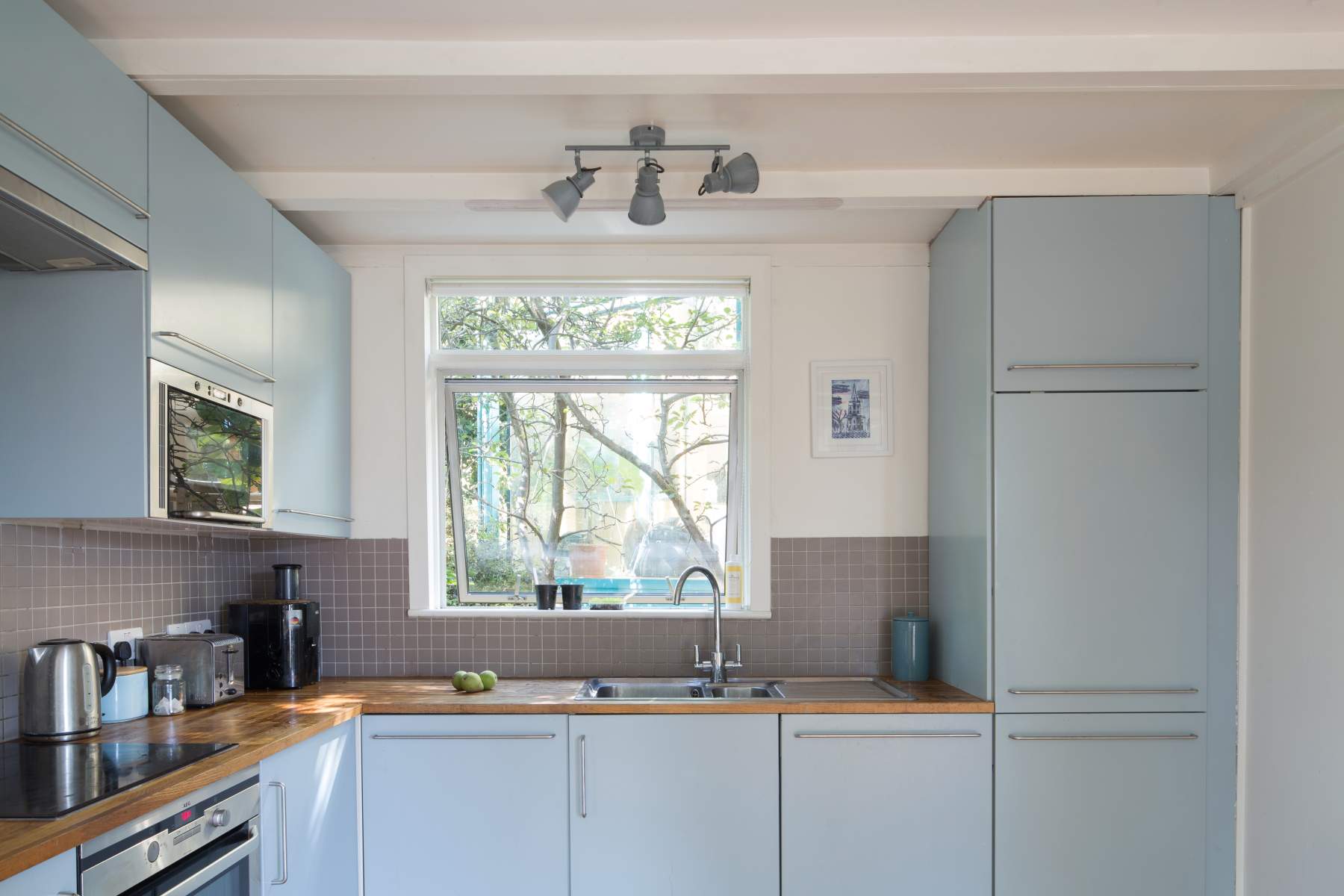
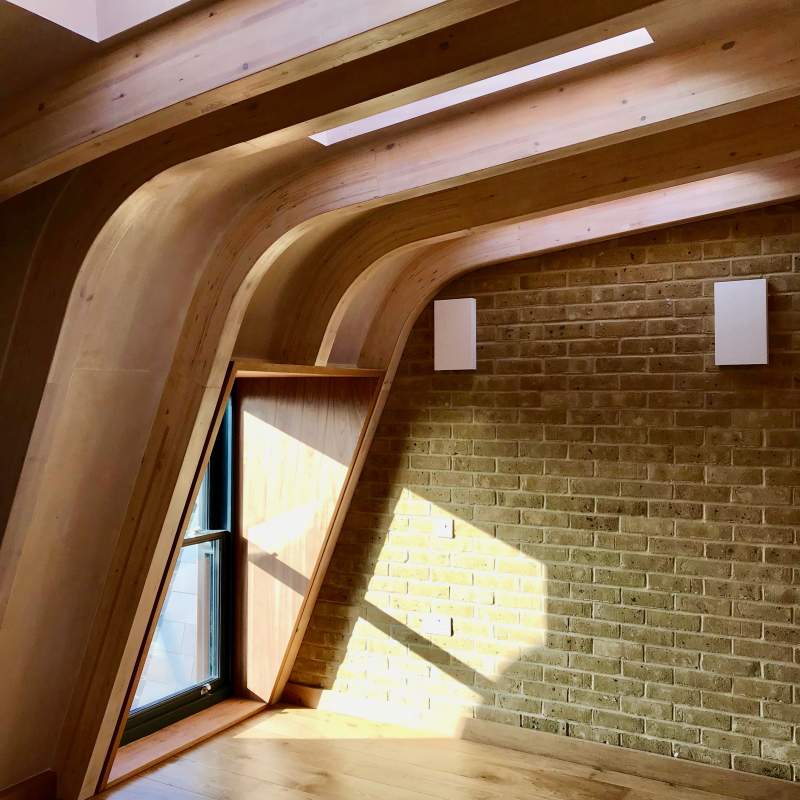
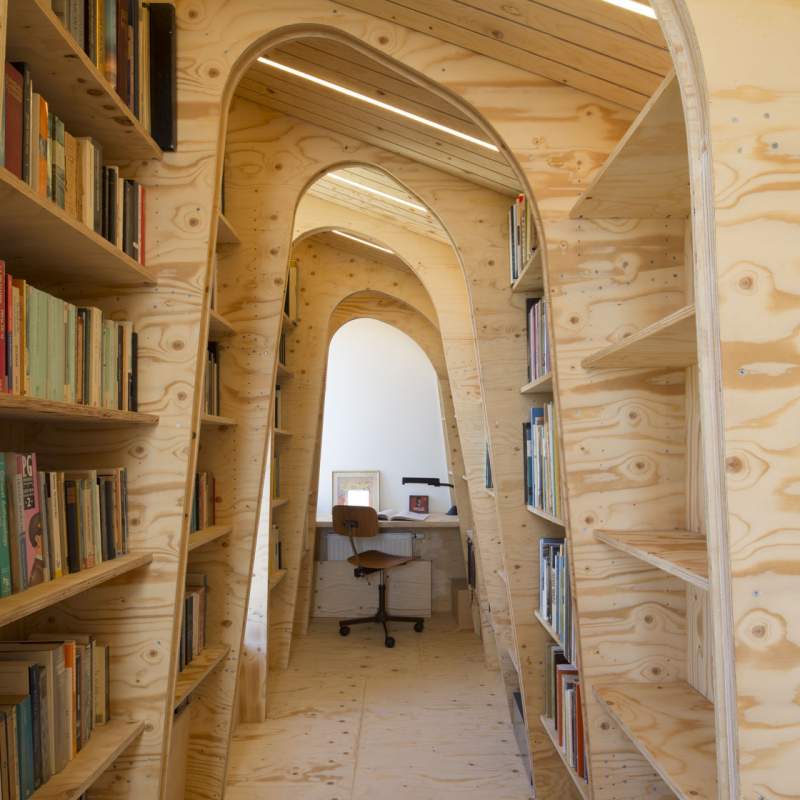
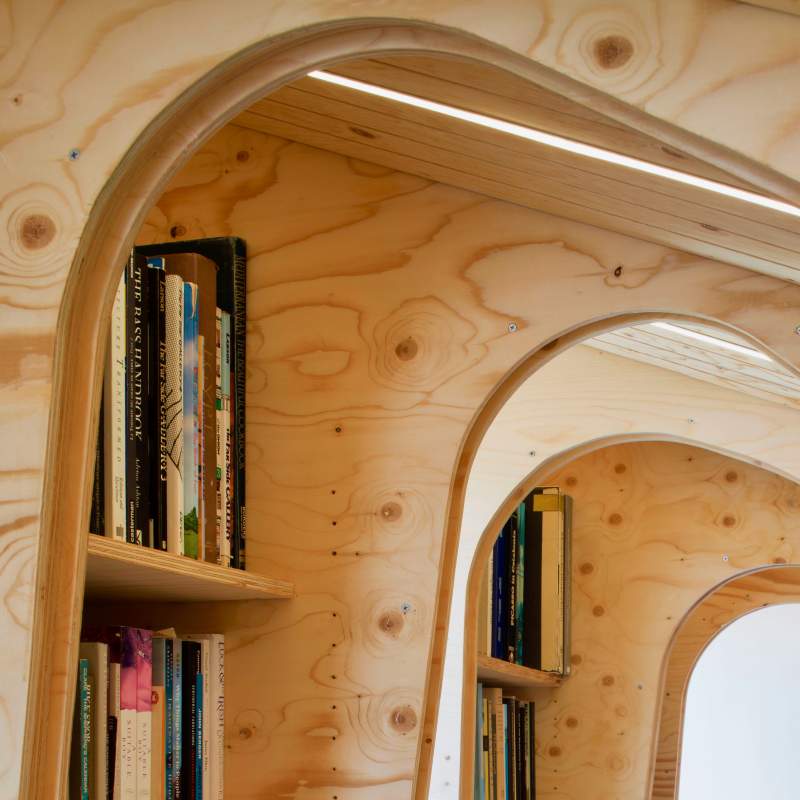
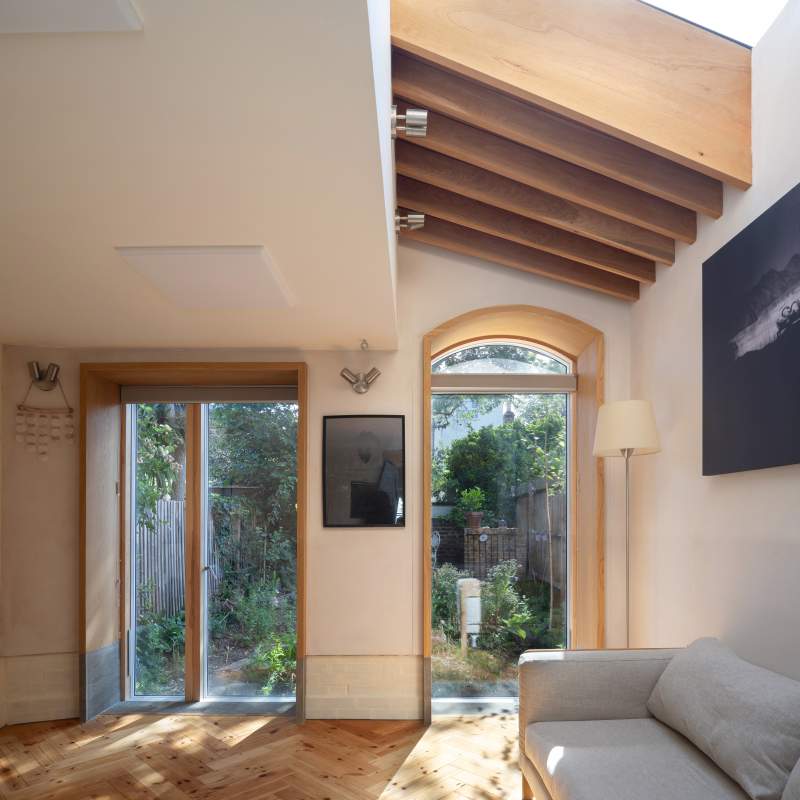
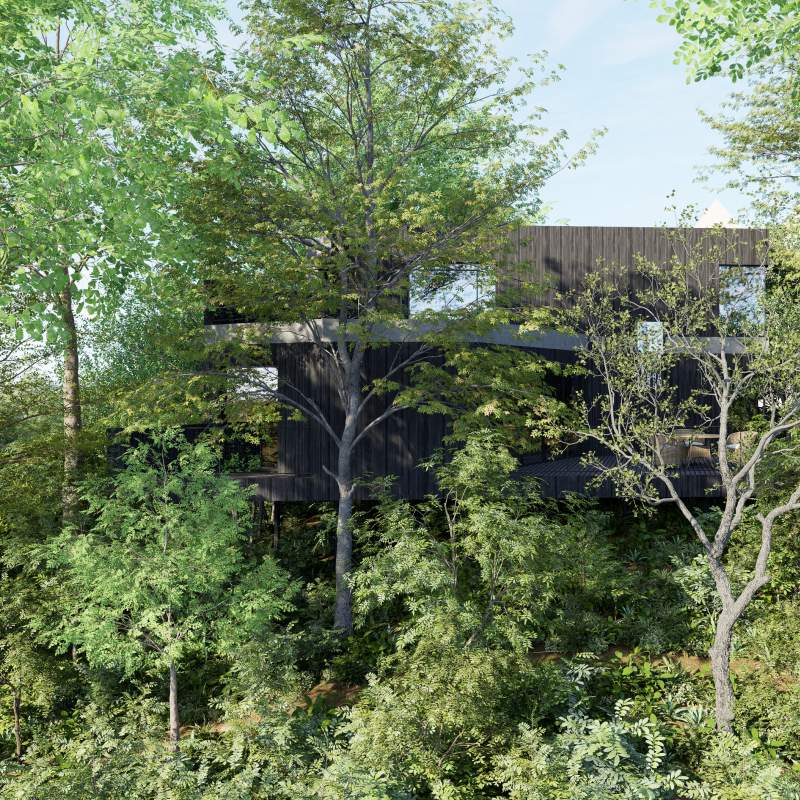
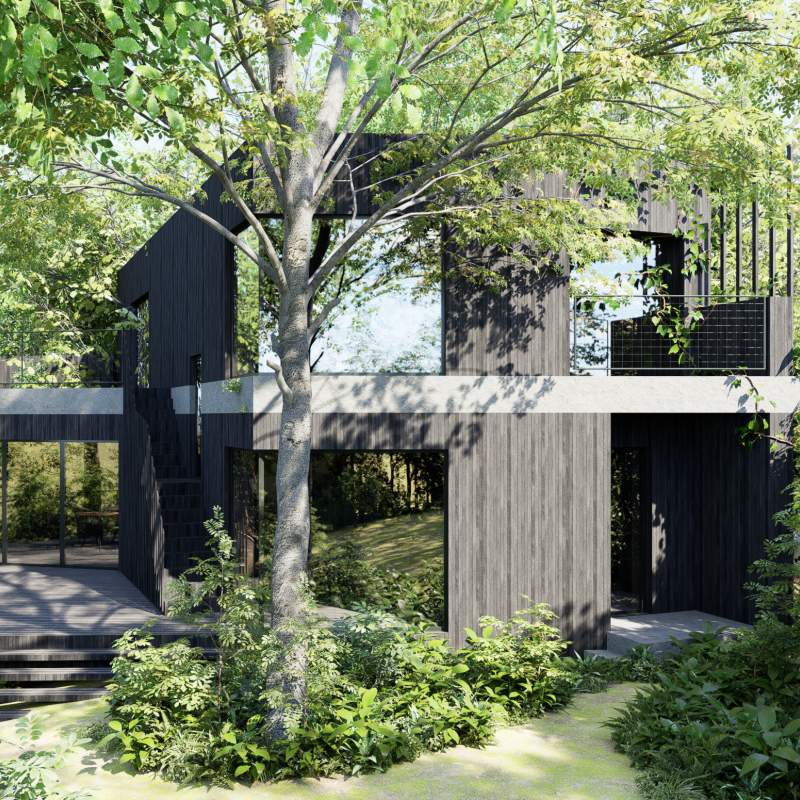
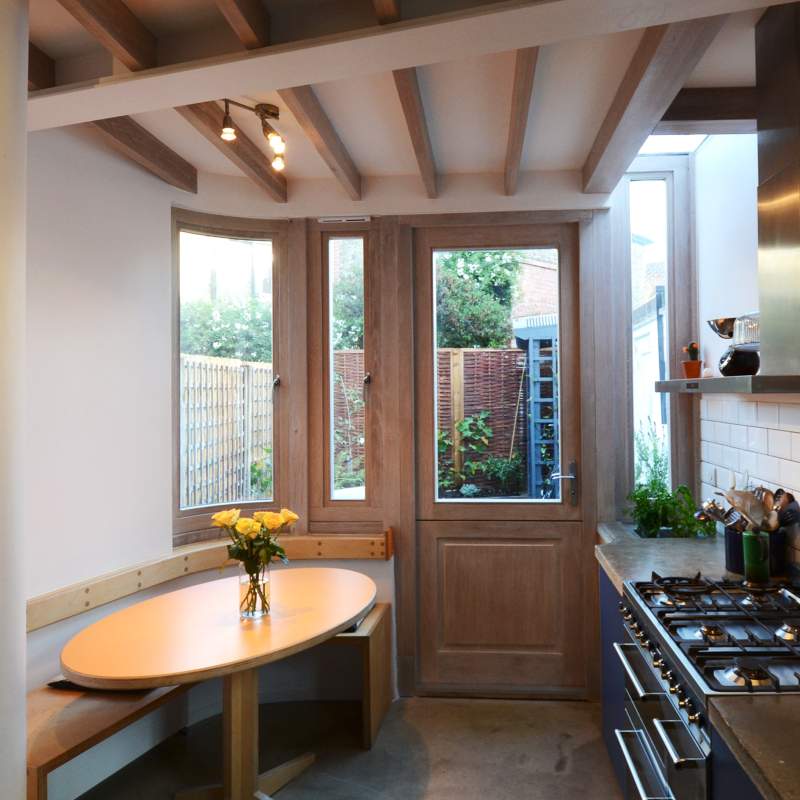
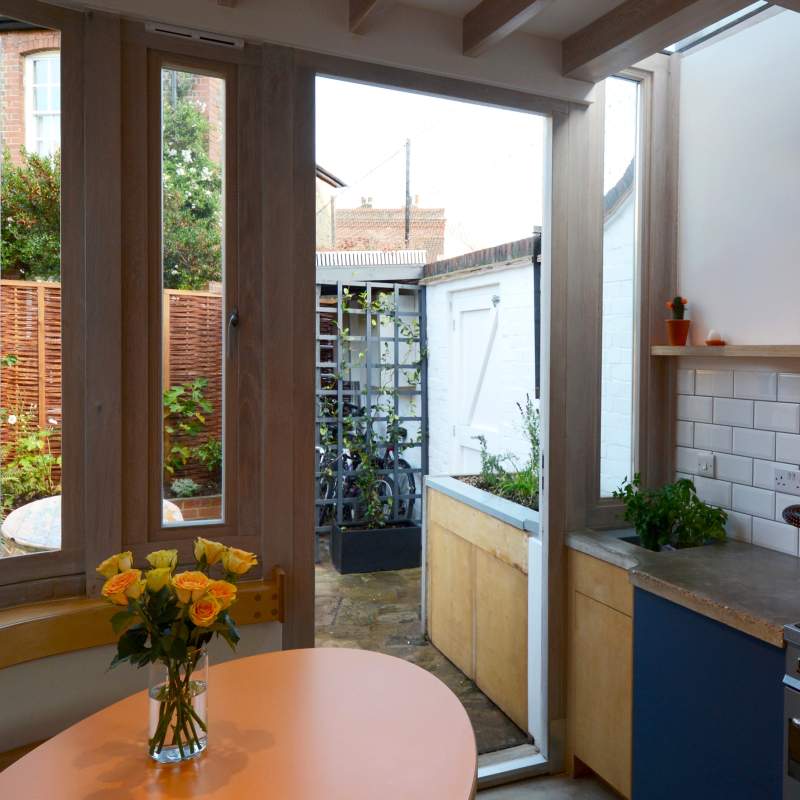
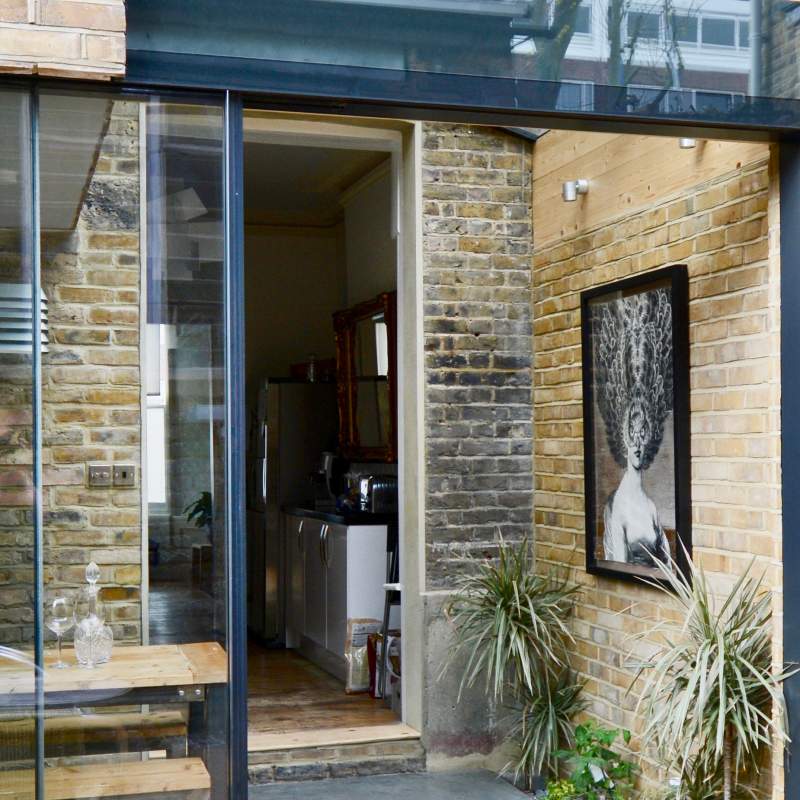
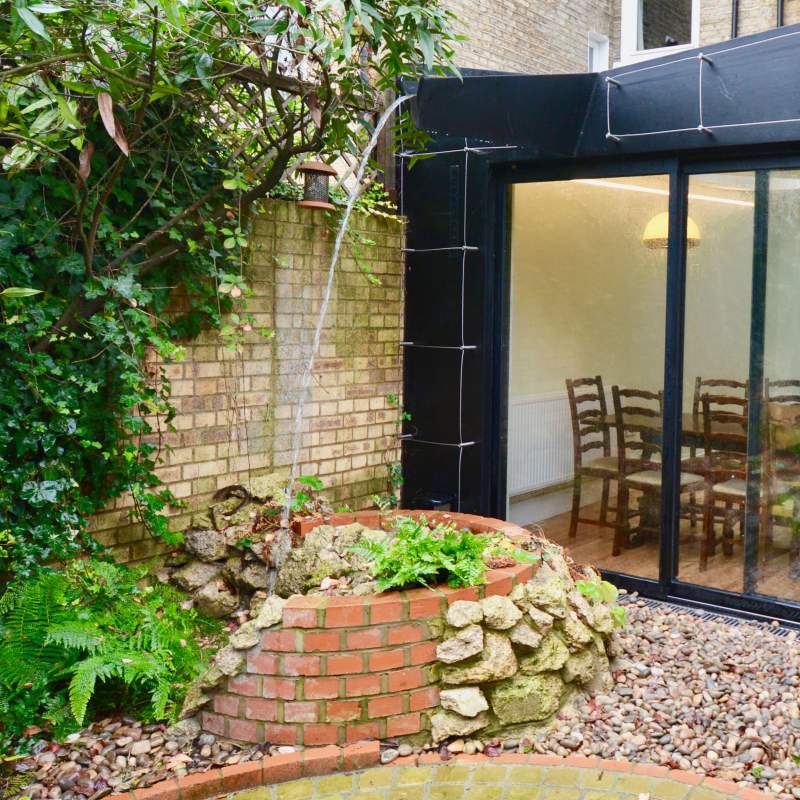
Arboreal Architecture retrofitted the house to the Passivhaus standard, upgraded the thermal envelope of the house improving heat loss and solar gain. The entire retrofit has been harmonious and consistent with the spirit of the original design, appreciating its qualities.
Walters Way is locally listed – and recorded on the London Borough of Lewisham’s ‘Local List’, which highlights that ‘alteration to the dwellings is entirely in the spirit of the original concept and in no way detracts from their local historic and illustrative significance’. The full listing is described as follows:
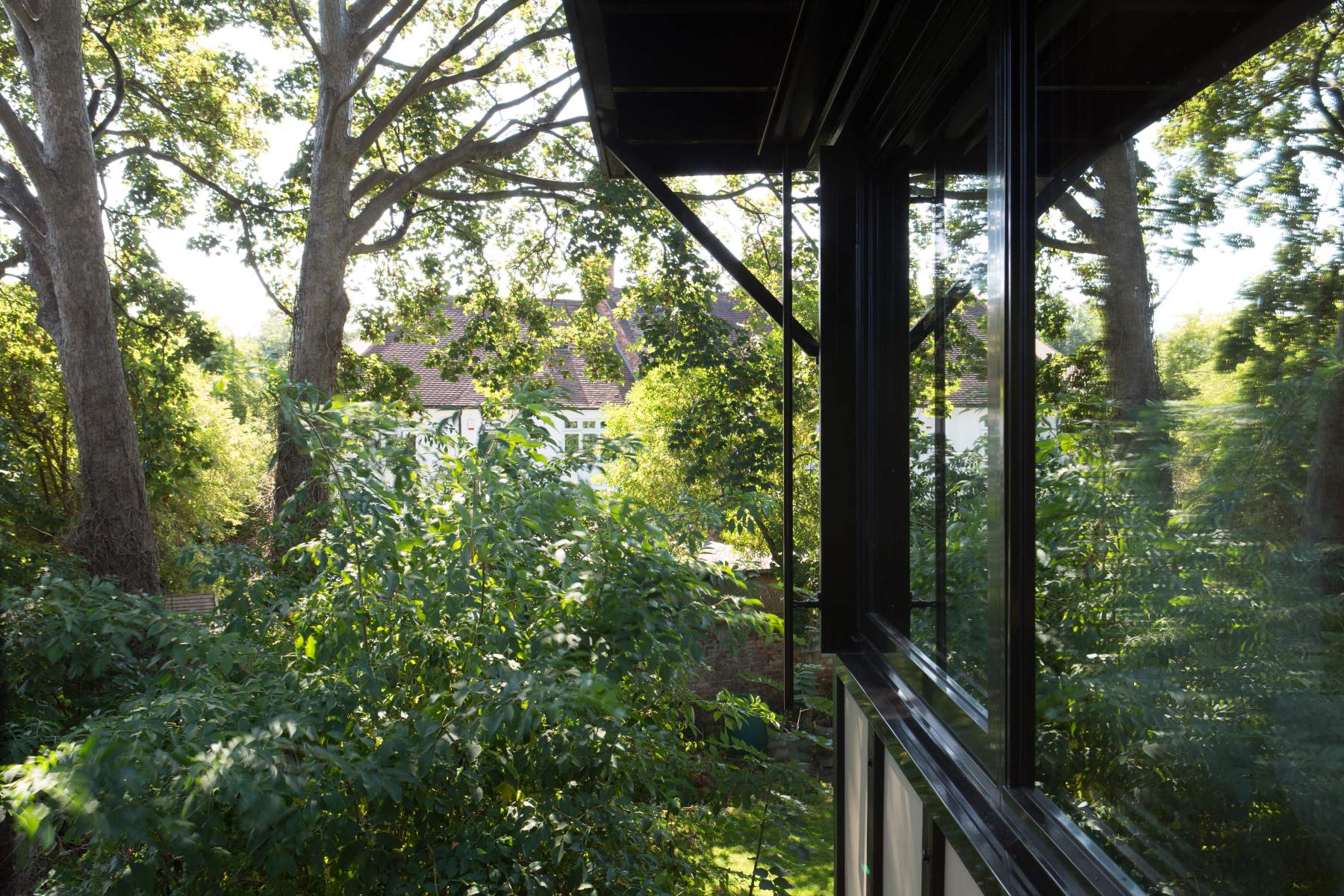
“A development of thirteen timber frame clad houses with flat roofs from 1987. The buildings vary in layout and plan but all are built of the same materials and to the same design. Walters Way was named after the architect, Walter Segal.
One of four phases of a pioneering self-build initiative by Lewisham Council for Borough residents, which began in the 1970s and was the brainchild of the architect Walter Segal. Segal’s vision was a simple modular design that avoided the use of the ‘wet trades’ like bricklaying and plastering and utilised a timber frame clad in standard size materials that were available from builder’s merchants. The simplicity of the design and the use of standard material sizing was to enable easy alterations and enlargements. The beauty of his design meant that these houses, built on deep but narrow concrete foundations, could be built on ground not traditionally suitable for development. The houses were designed to be built by one to two people with extra help required for larger jobs like frame lifting.
Walter’s Way is one of the self largest self-build sites in the Borough and is significant as a representation of Lewisham’s innovative schemes that launched social self-build housing in England. The houses on Walter’s Way have been largely altered which is entirely in the spirit”
Location: South London, Walters Way (Honor Oak Park)
Property type: Walter Segal Modern House
Scope: Deep retrofit and thermal upgrade of a 1980s Walter Segal self-build timber frame house in Walters Way, London, focusing on fabric-first improvements, airtightness enhancement, insulation replacement, and energy performance upgrades to bring the dwelling towards Passivhaus-level efficiency while respecting the original modular self-build construction system.
Key Features:
Deep retrofit of Walter Segal self-build timber frame house
Fabric-first energy upgrade
Improved airtightness and thermal envelope performance
Replacement of ageing insulation and membranes
Respectful adaptation of Segal modular construction system
Low-energy retrofit approach informed by Passivhaus principles
Extended building lifespan through targeted fabric improvements
Reduced operational carbon emissions
Low-impact intervention
Demonstration of scalable retrofit approach
Project Results:
Significant reduction in heat loss
Improved overall building energy performance
Lower operational energy demand and reduced heating requirements
Extended lifespan of existing Walter Segal timber structure
Enhanced indoor thermal comfort and air quality
Reduced draughts and improved envelope continuity
Lower operational carbon emissions
Retention of original self-build architectural character and adaptability
Improved resilience of ageing 1980s self-build housing to future climate conditions
With Corbett & Tasker Engineers.
Photos by: Agnese Sanvito