Treehouse in Hemel Hempstead | Biophilic Design & Sustainable Home
Living with the Woodland: A Tree-Led Architecture, an elevated, low-impact home designed around mature trees.
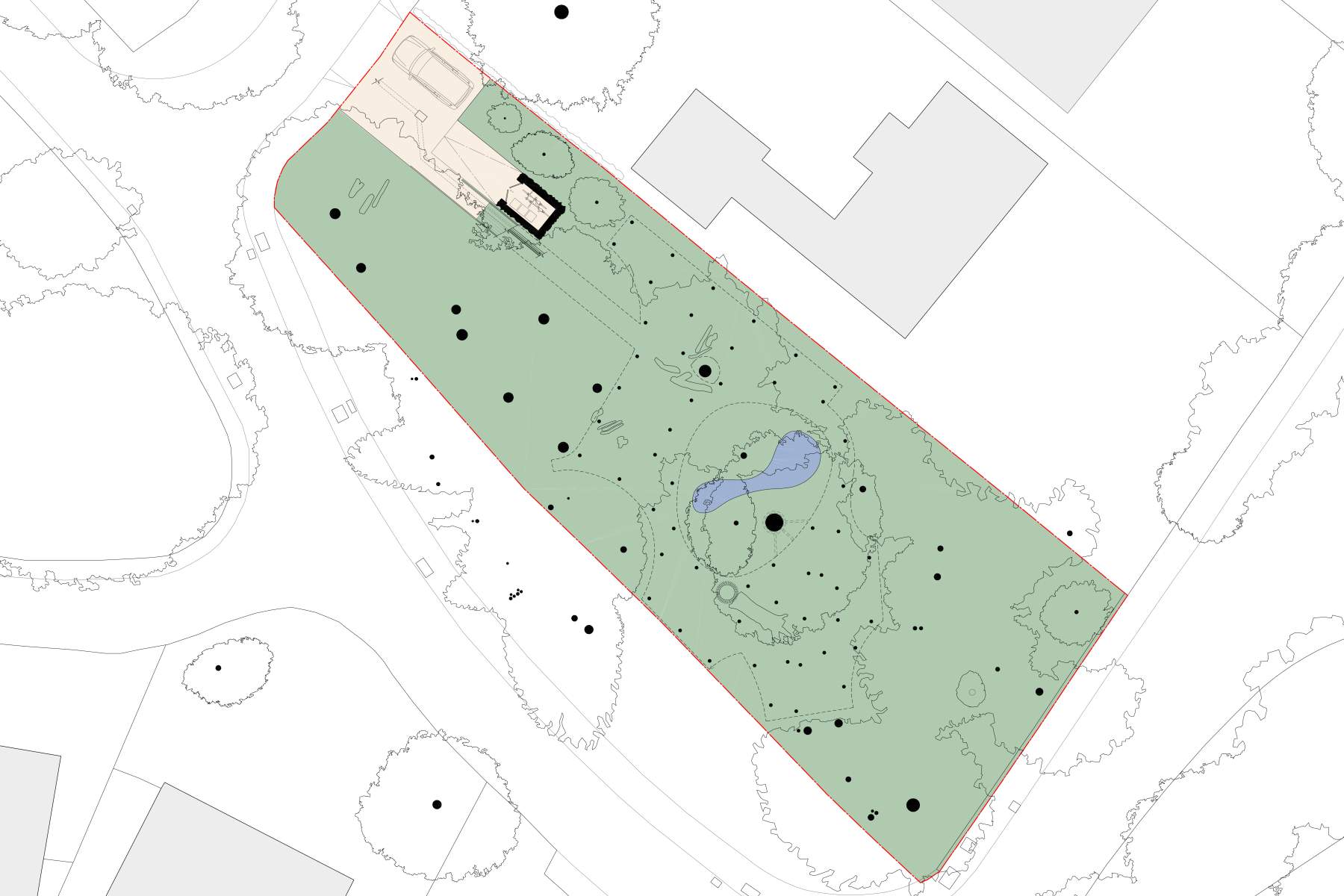
On the south-western edge of Hemel Hempstead, the town softens into countryside, giving way to the fields and woodlands that rise gently toward the Chiltern Hills. This threshold landscape carries layers of history: once home to a Roman villa, later occupied by Boxmore House, and eventually divided in the 1940s into generous plots for detached homes. Fragments of the original woodland endured, held within expansive gardens. By the 1970s, suburban infill reshaped the area again, as cul-de-sacs lined both sides of Box Lane-yet one plot remained untouched.
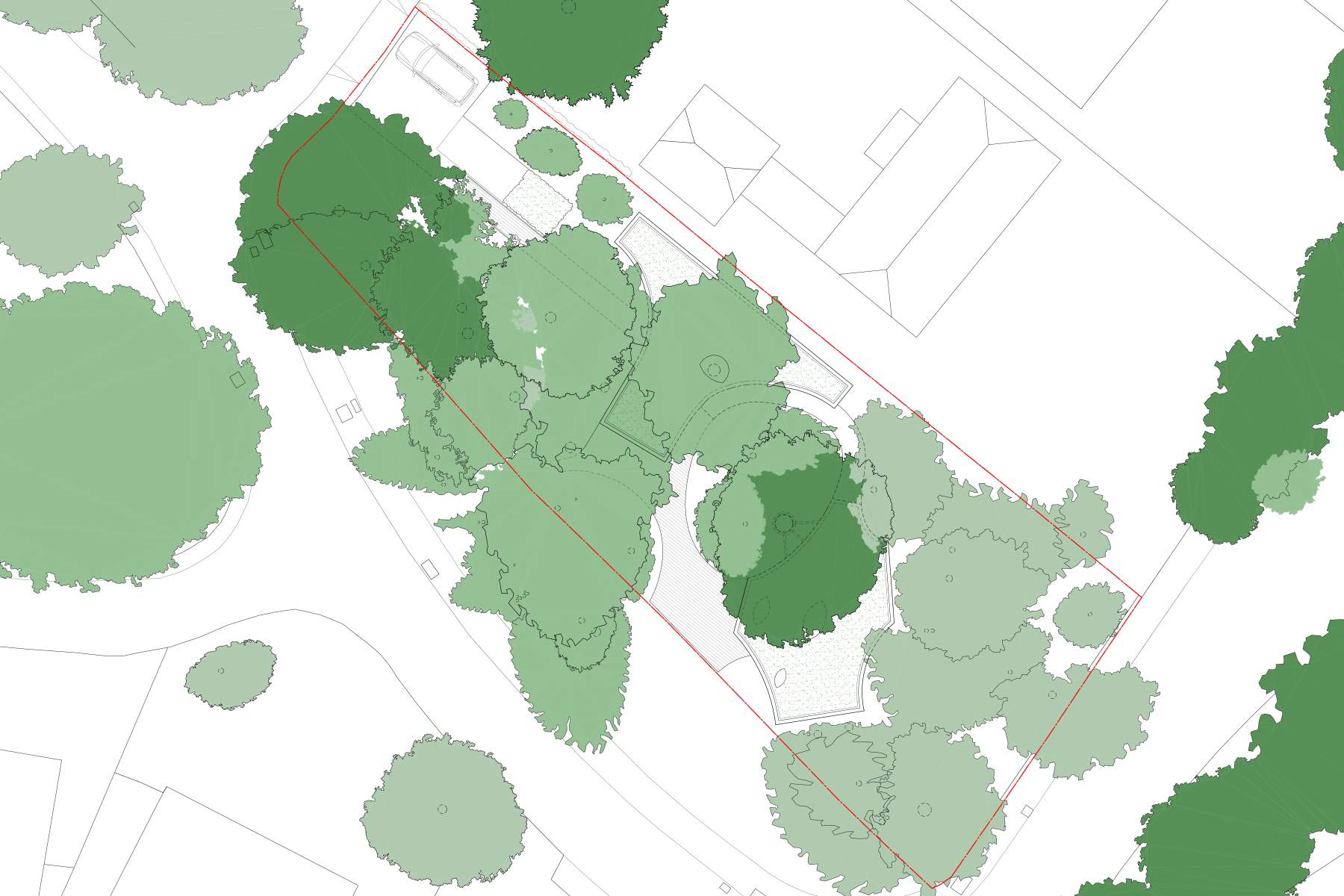
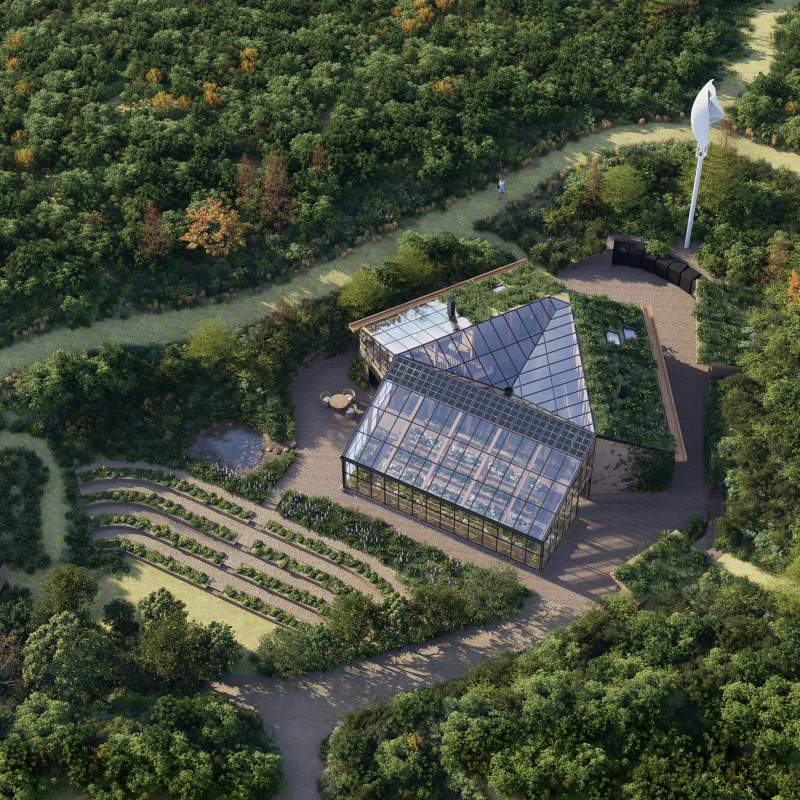
Densely planted with mature Beech, Horse Chestnut, and Sycamore, this last parcel resisted development. Earlier proposals sought to clear the site, but were refused; the trees were granted protection, establishing them as the true constants of the landscape. Our approach began with a simple shift in perspective: to treat the trees not as obstacles, but as co-clients. The ambition was to choreograph a relationship between architecture and ecology - one where habitation could occur without erasure. This vision found support, and planning permission followed.
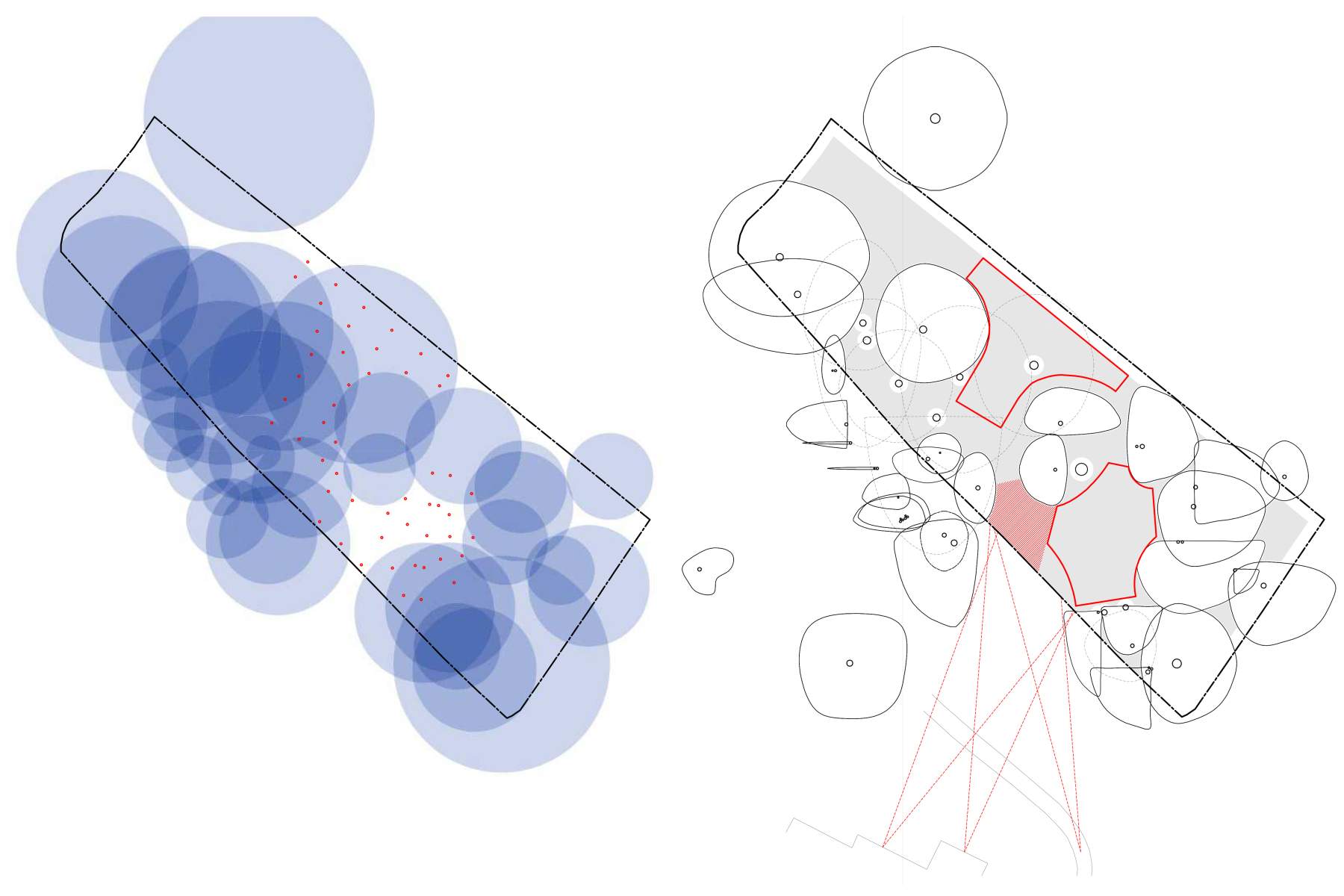
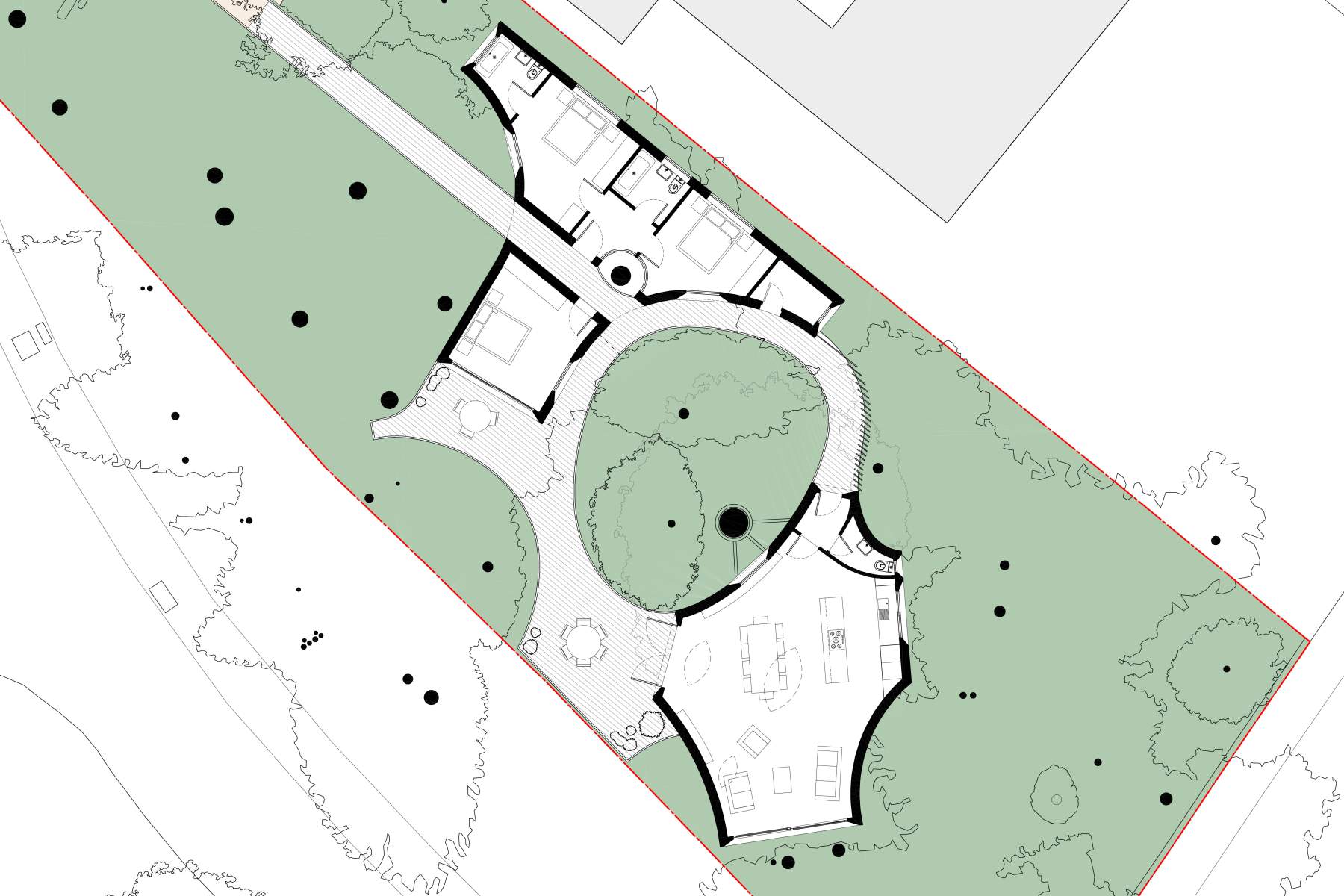
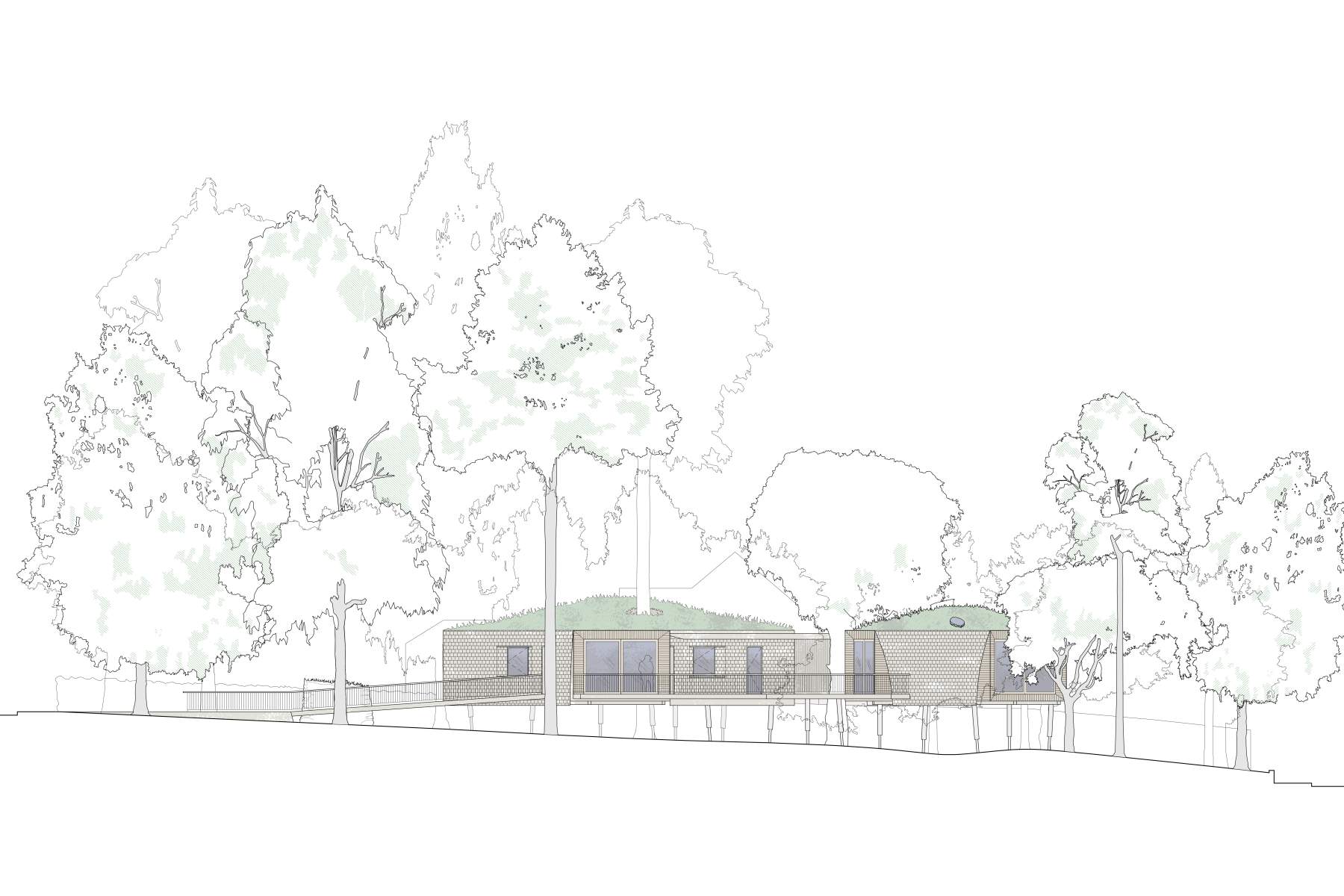
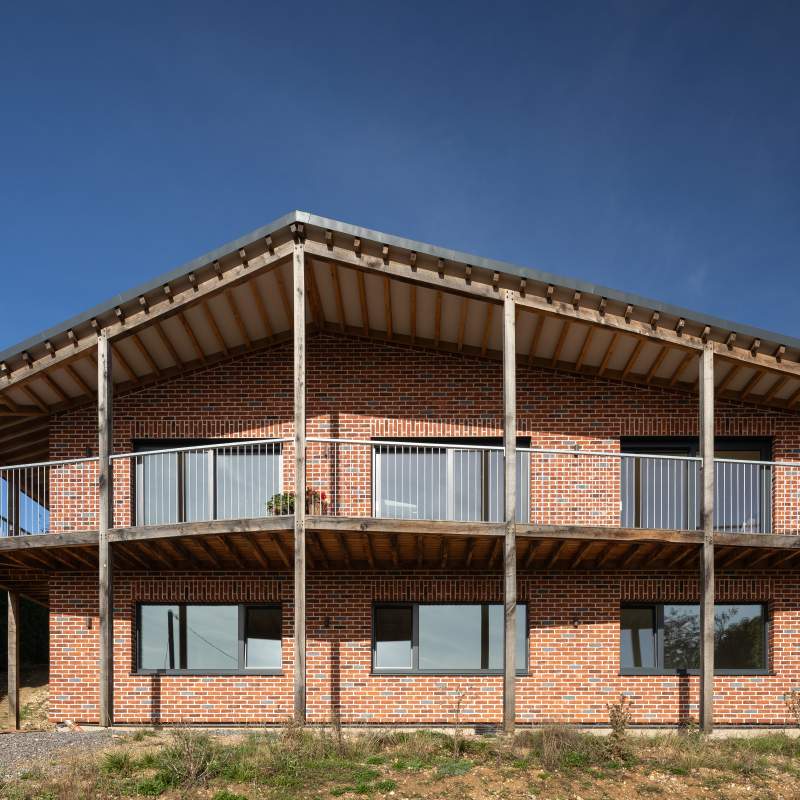
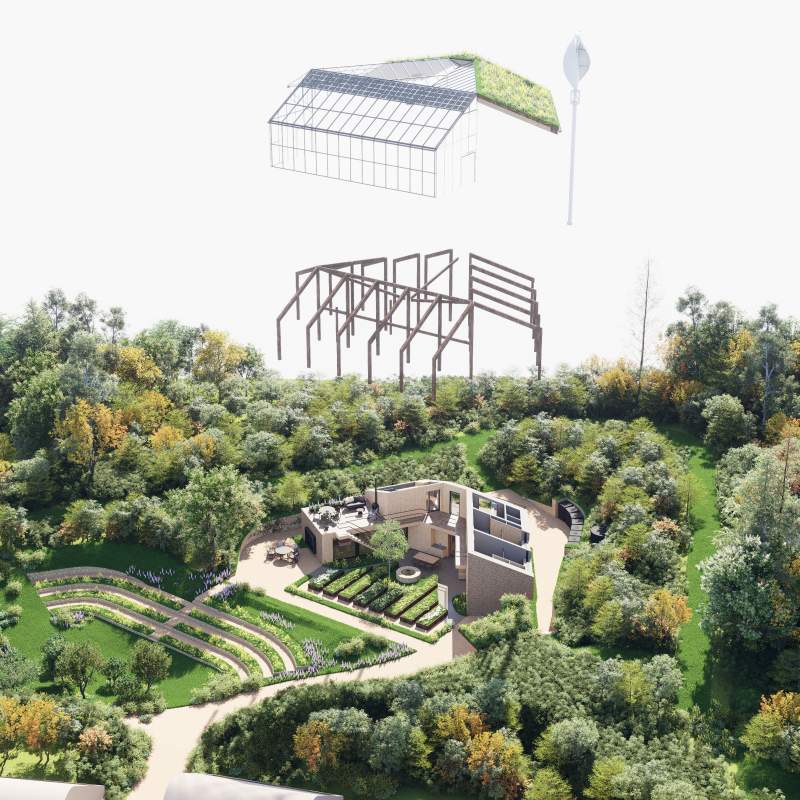
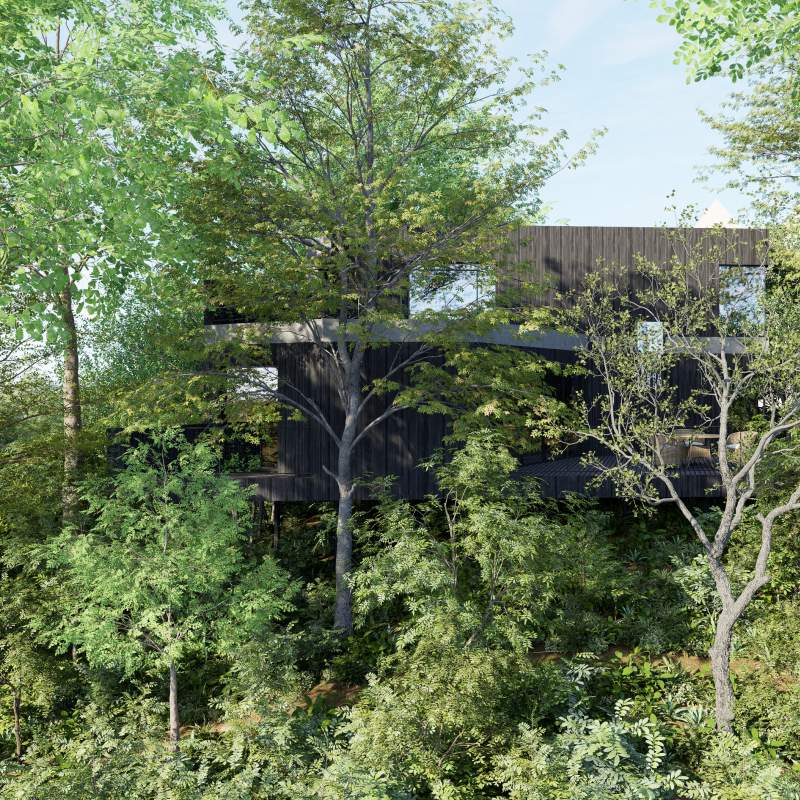
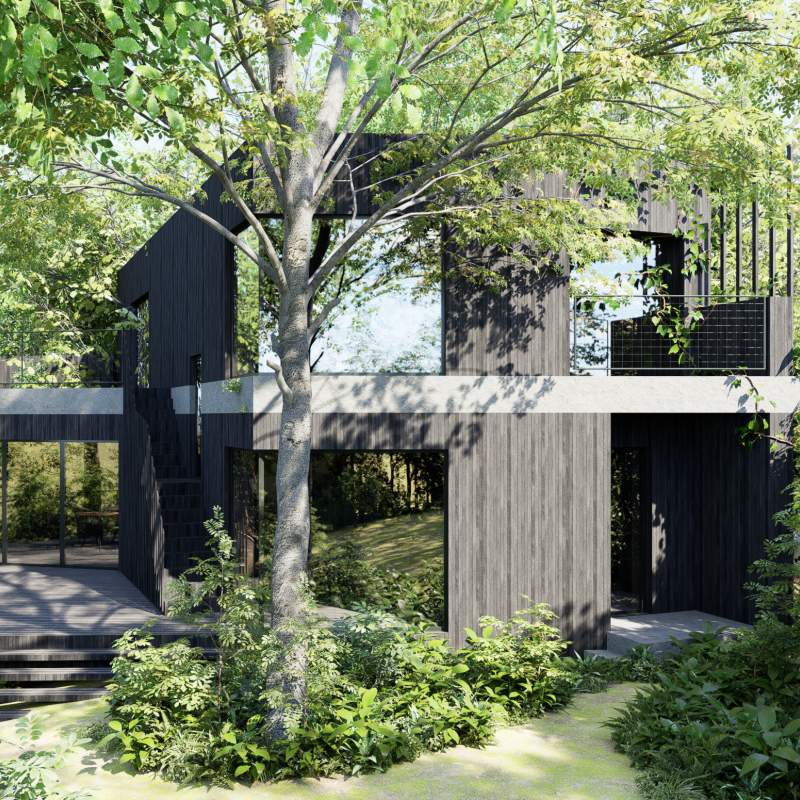
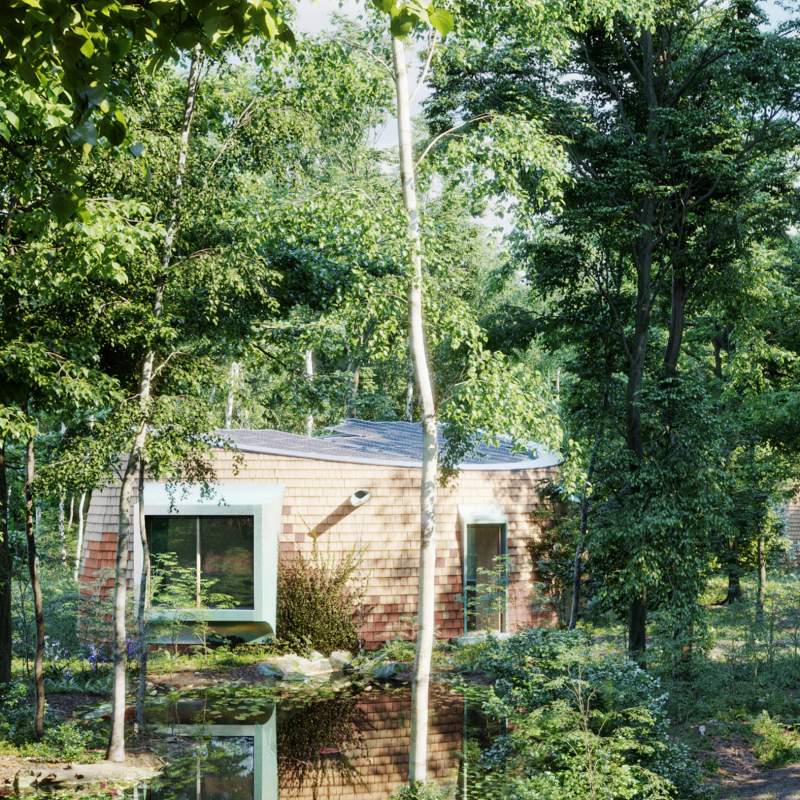
A detailed survey mapped not only the canopy above, but the intricate root systems below, revealing pockets where intervention could be carefully introduced. No single footprint could accommodate the entire home without compromise. Instead, the programme was dispersed: living spaces and sleeping quarters separated into two lightweight volumes, linked by a circular walkway that traces the presence of the site’s largest tree - an architectural gesture of respect as much as connection.
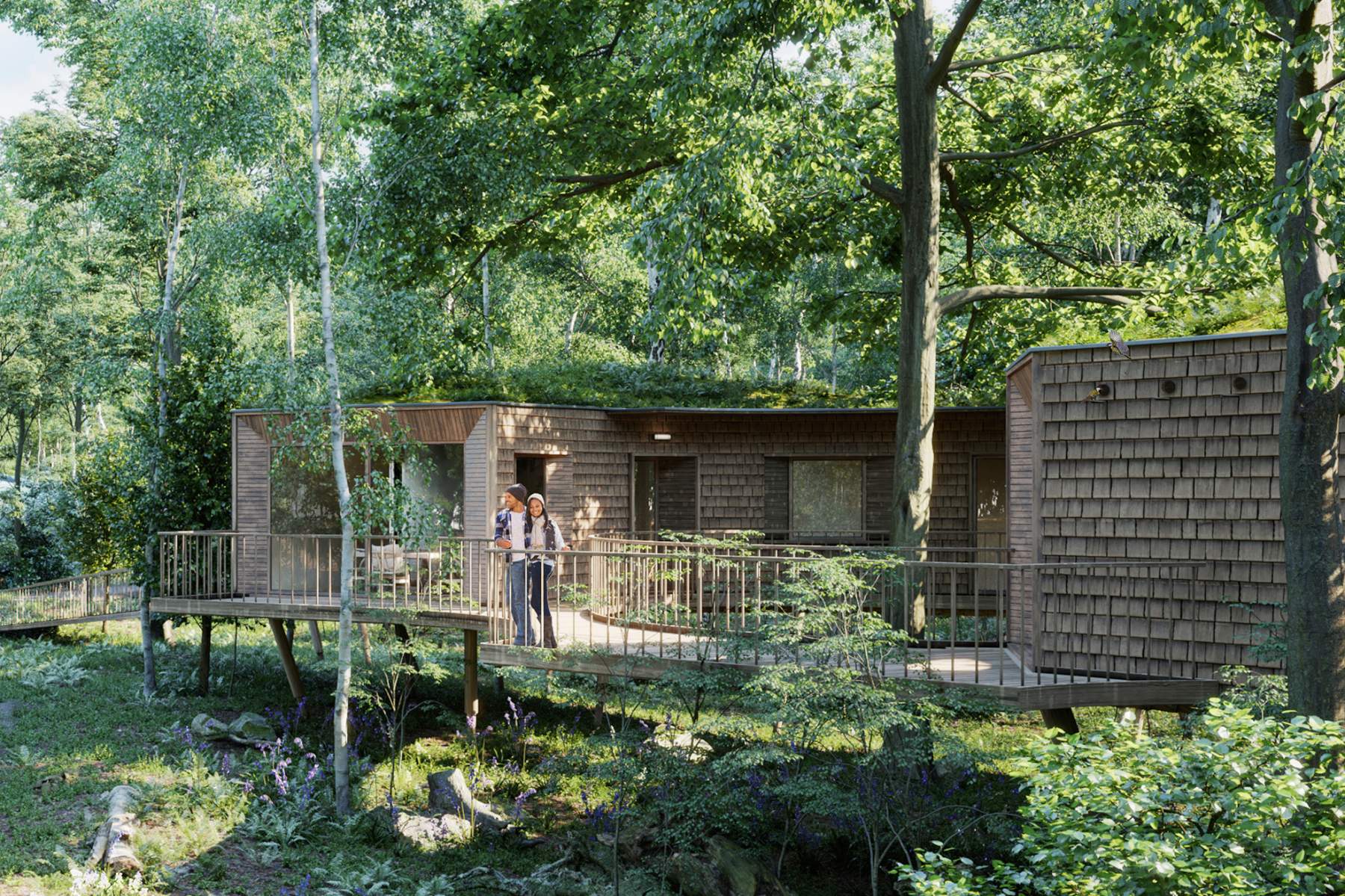
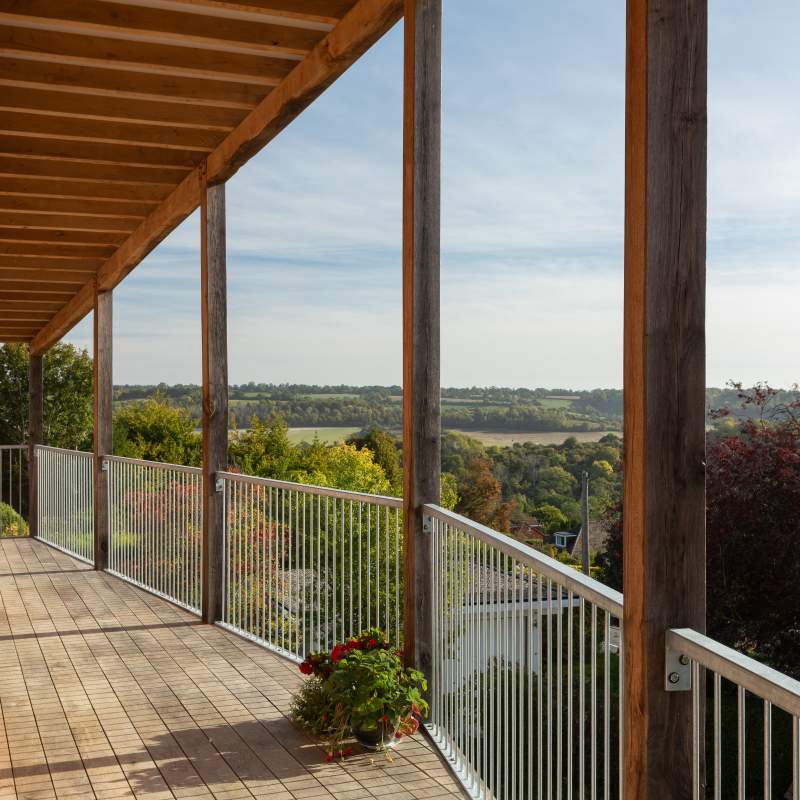
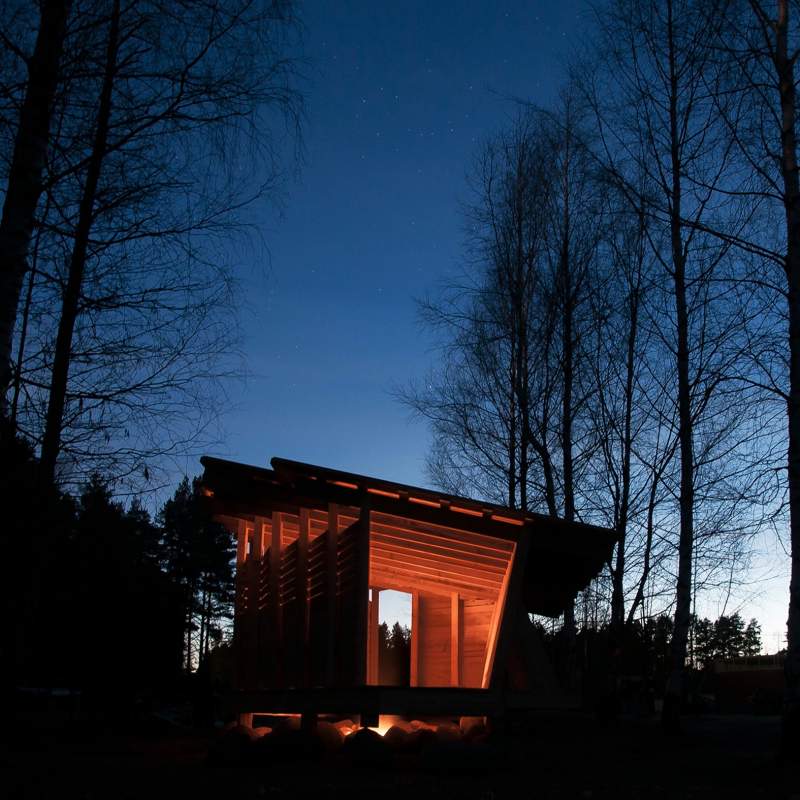
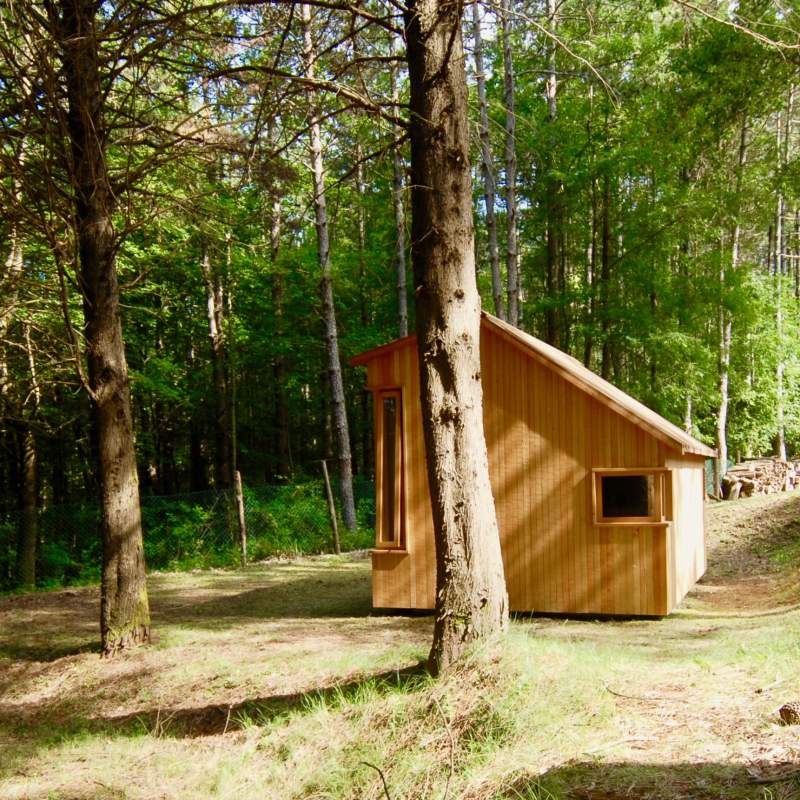
The house itself is lifted lightly from the ground on slender stilts, preserving the fragile ecology beneath. Here, Dog’s Mercury, Periwinkle, and Herb Robert continue to thrive undisturbed. Above, a new datum emerges: a sequence of decks and walkways forming a quiet, elevated realm for human life. Moving through the house becomes an immersive experience - inhabitants pass among branches, inhabit shifting light, and engage daily with the rhythms of the woodland canopy.
In this way, the project reframes the role of architecture: not as an imposition on the landscape, but as a mediator within it - adaptive, attentive, and rooted in coexistence.
Location: Hemel Hempstead, North London
Property type: Treehouse on a plot of land with mature trees
Scope: The scope of work comprised the sensitive design and delivery of a low-impact residential dwelling within a protected woodland setting on the south-west edge of Hemel Hempstead. The project included detailed site analysis and arboricultural mapping to understand both canopy spread and root protection zones, enabling a carefully positioned architectural response that preserves all existing mature trees. The design developed a split-building typology, separating living and sleeping functions into two lightweight volumes connected by an elevated circular walkway, with construction raised on stilts to avoid ground disturbance and maintain the ecological integrity of the understorey. The work also involved close coordination with planning authorities to demonstrate ecological sensitivity and compliance with tree preservation requirements, alongside the integration of sustainable construction principles that minimise land take, protect biodiversity, and allow the dwelling to coexist as part of the woodland rather than replace it.
Key features
Woodland-first design approach, positioning mature trees as defining elements of the architectural layout
Split-programme arrangement separating living and sleeping functions into distinct lightweight volumes
Elevated structure on stilts to avoid ground disturbance and preserve existing root systems
Circular connecting walkway carefully aligned around the site’s most significant trees
Detailed arboricultural and spatial mapping informing precise siting and minimal-impact construction zones
Minimal land take strategy to retain natural ground ecology and understorey planting
Integration of raised decks and walkways to create a secondary “canopy-level” living experience
Planning strategy developed in response to Tree Preservation Orders and ecological constraints
Project results
Full planning permission secured for a previously constrained and ecologically sensitive site
Complete retention and protection of all mature trees on the plot
Successful coexistence of residential use with intact woodland ecology
Enhanced biodiversity conditions through undisturbed ground layer regeneration
Creation of a distinctive elevated living environment immersed within tree canopy
Strong precedent established for tree-led architectural design within suburban infill sites