Bethnal Green Memorial
Arboreal Architecture Transforms Civic Advocacy into Built Memorial for Bethnal Green Disaster
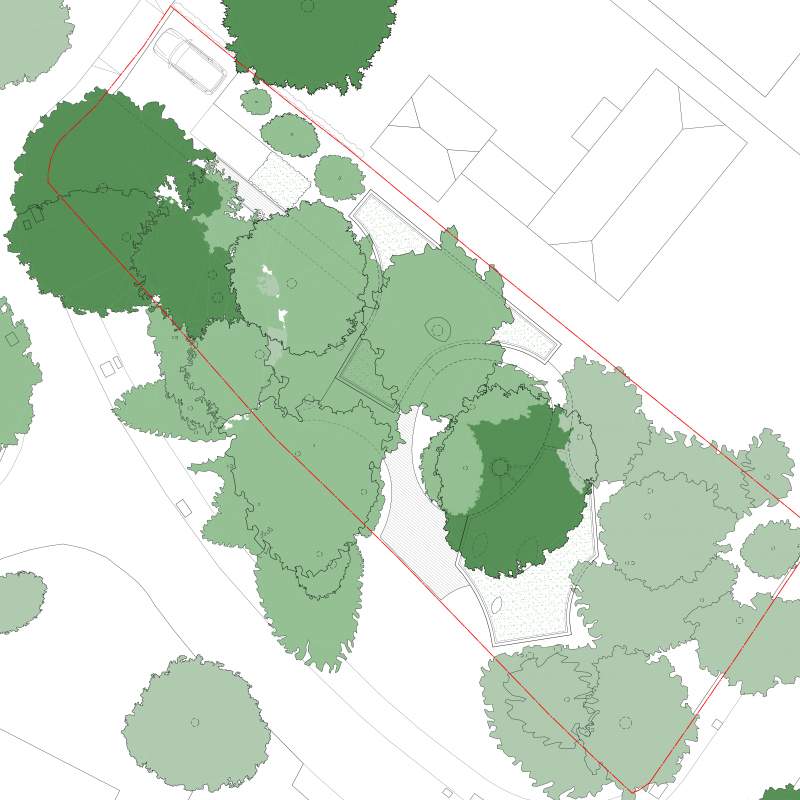
The Bethnal Green Memorial occupies a peripheral quadrant of Bethnal Green Gardens, operating simultaneously as sculptural intervention and commemorative landscape. It marks the site of the Bethnal Green tube disaster, a fatal crowd crush that occurred on 3 March 1943 at the entrance to Bethnal Green Underground station. During an air raid alert, civilians queuing to access the station serving as an improvised shelter reacted to the unfamiliar acoustic signature of newly deployed anti-aircraft rockets. The resulting panic-induced surge on the stairwell led to the deaths of 173 individuals.
Wartime censorship protocols suppressed immediate reporting, and official directives discouraged public discussion; in this vacuum, erroneous narratives - most notably that of a direct bomb strike - circulated widely, functioning as inadvertent propaganda aligned with wartime morale objectives.
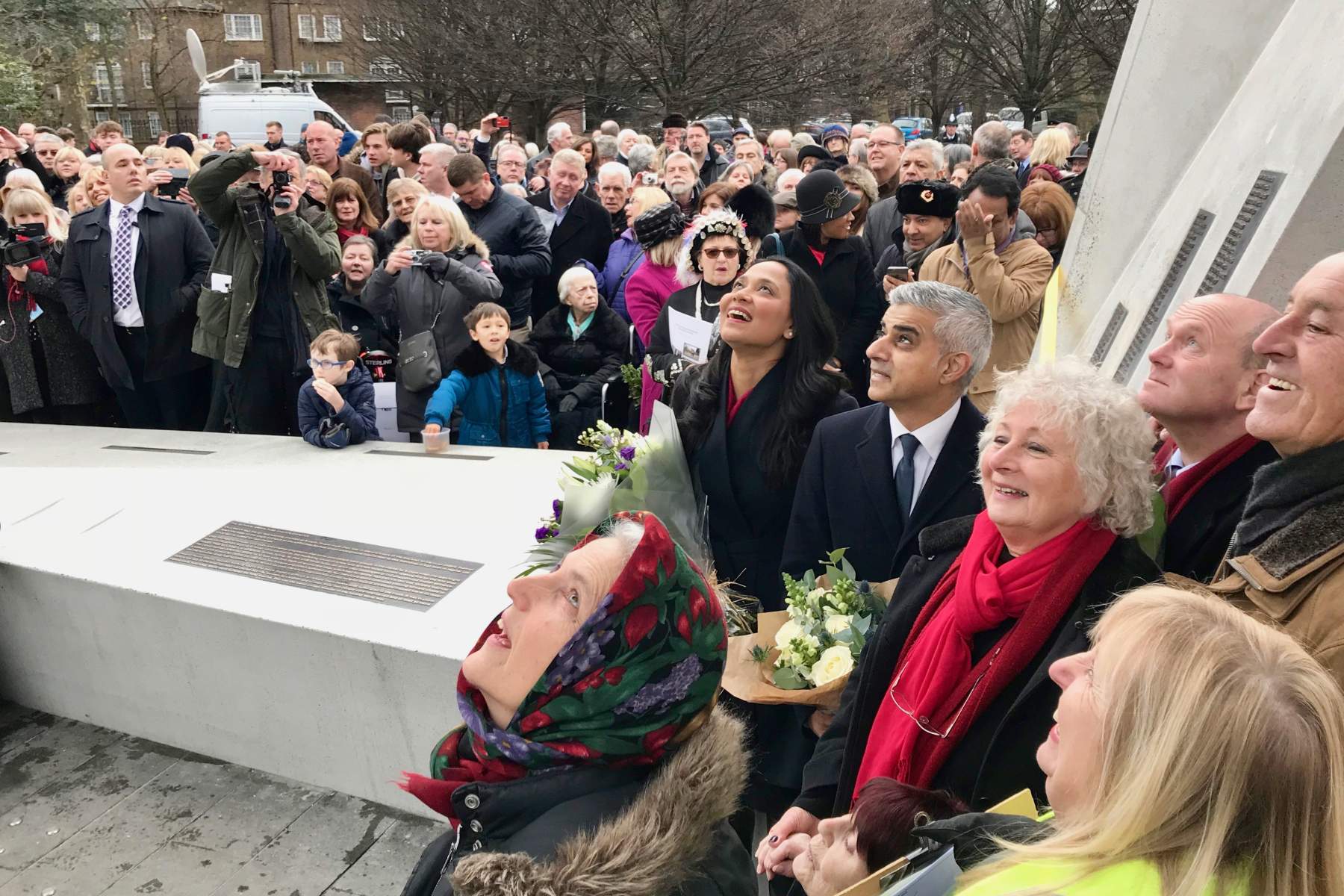
A survivor- and family-led charitable trust, established in 2006, initiated a long-term civic and financial campaign to materialize a permanent memorial. The completed work was inaugurated in 2017, with participation from survivors, local stakeholders, and representatives of the Greater London Authority.
The project was initiated and driven forward by Arboreal Architecture, following the architects discovery that the site of the Bethnal Green tube disaster was marked only by a modest plaque, despite being the location of the deadliest civilian incident in Britain during the Second World War. Arboreal Architecture helped catalyse the transition from long-standing survivor advocacy into a realised architectural commission, translating an absence in the urban memorial landscape into a formally resolved civic structure.
The architects role combined design authorship with sustained coordination across stakeholders, including the memorial trust formed by survivors and bereaved families in 2006. The resulting intervention - the inverted teak stair structure opened in 2017 - emerged through this intersection of architectural practice, community testimony, and public funding frameworks, rather than from a single isolated commission brief.
In recognition of the architects contribution to community-focused design and the creation of a permanent memorial to the 173 victims of the disaster, the architects were appointed a Member of the Order of the British Empire (MBE) in the 2020 New Year Honours, awarded during the reign of Queen Elizabeth II. The honour reflects not only the formal architectural outcome but also the extended civic process required to bring the memorial into being.
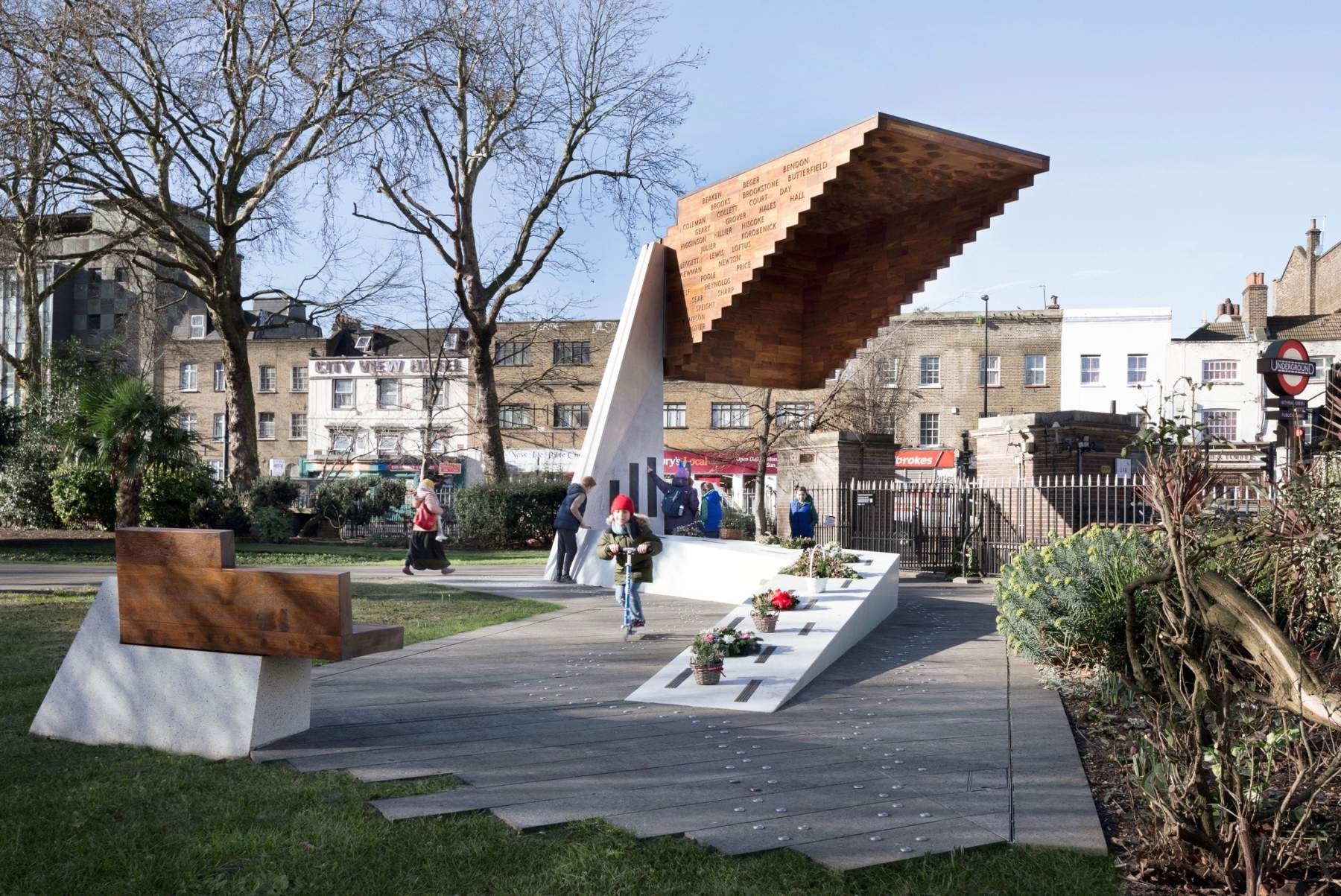
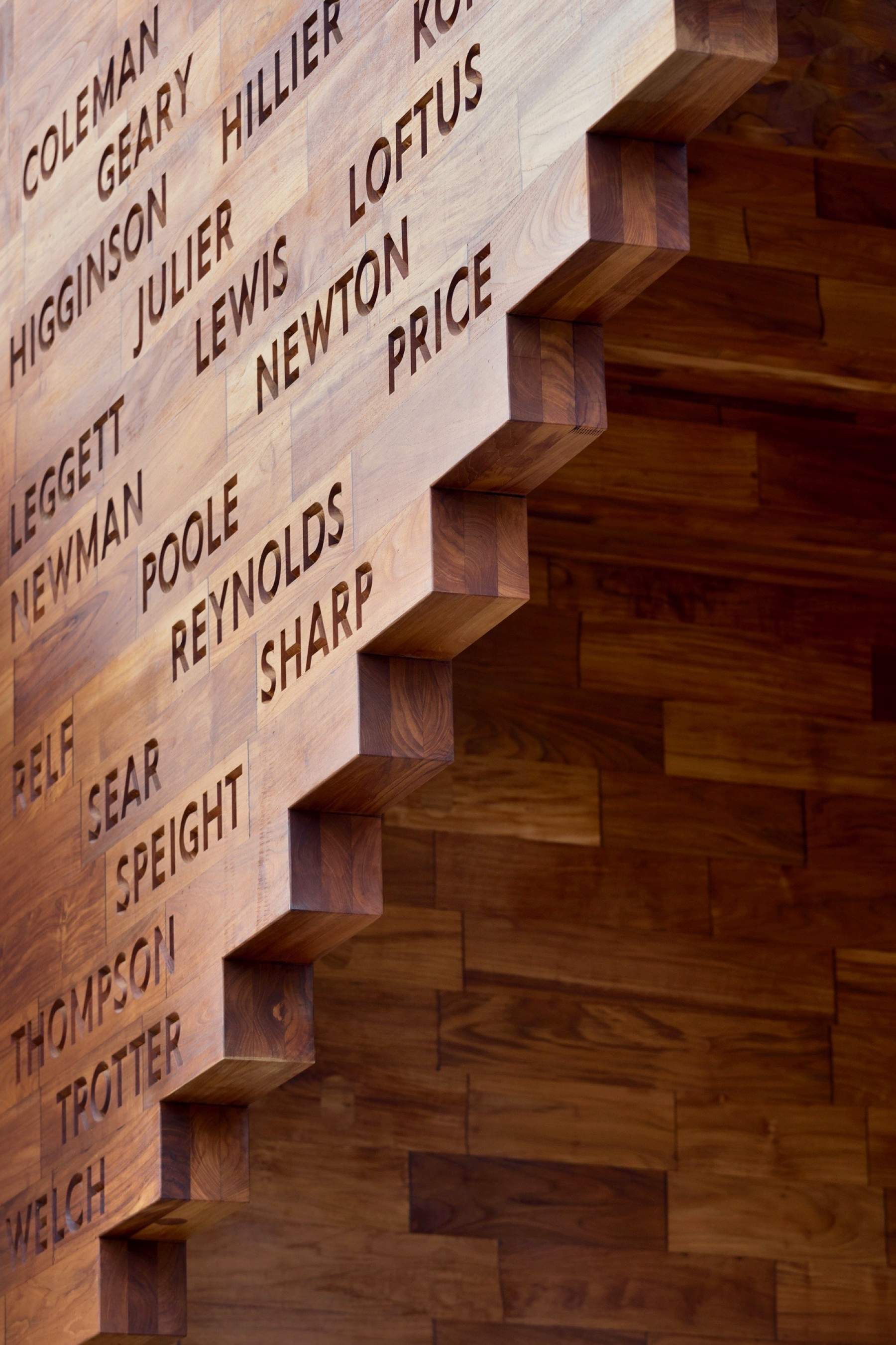
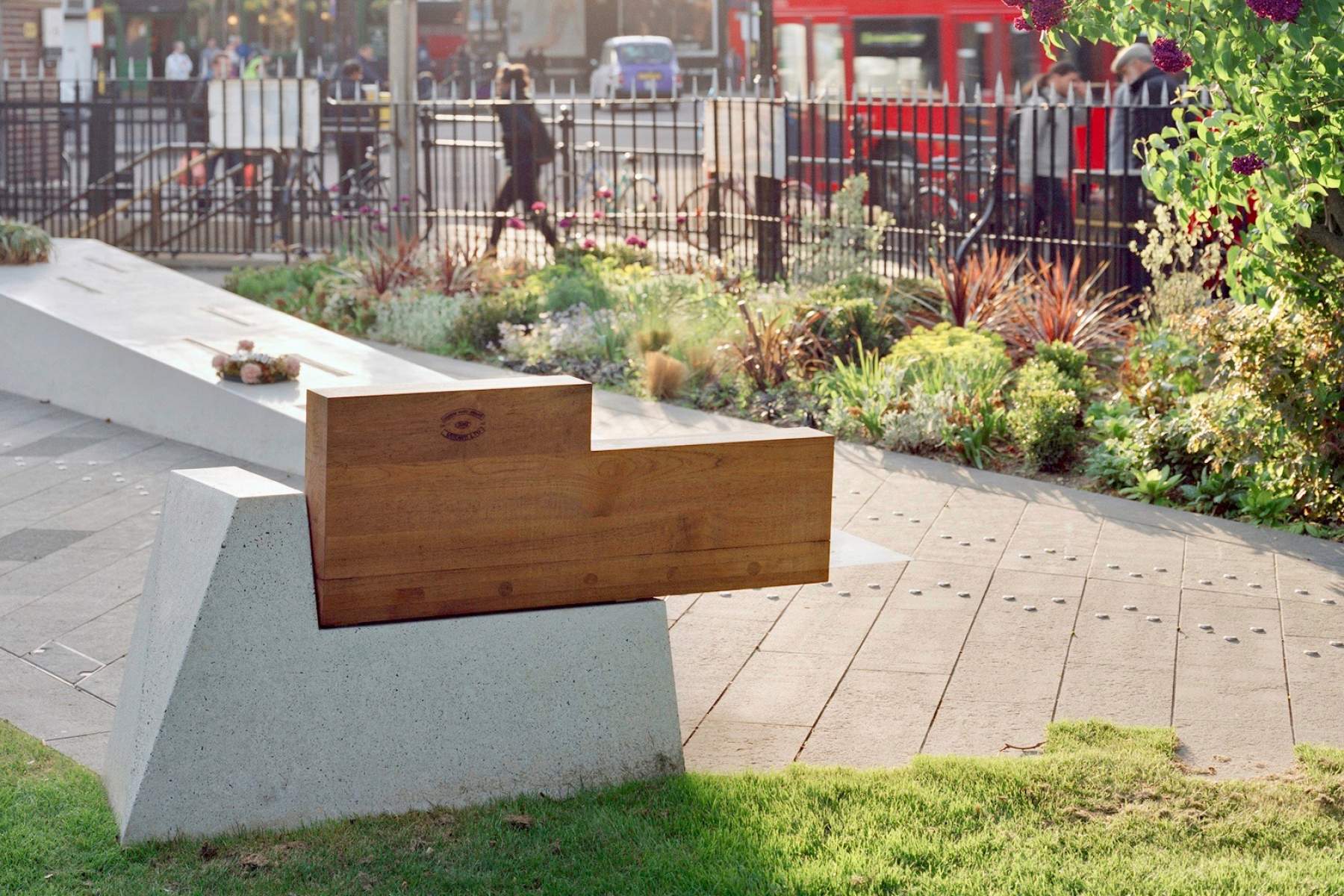
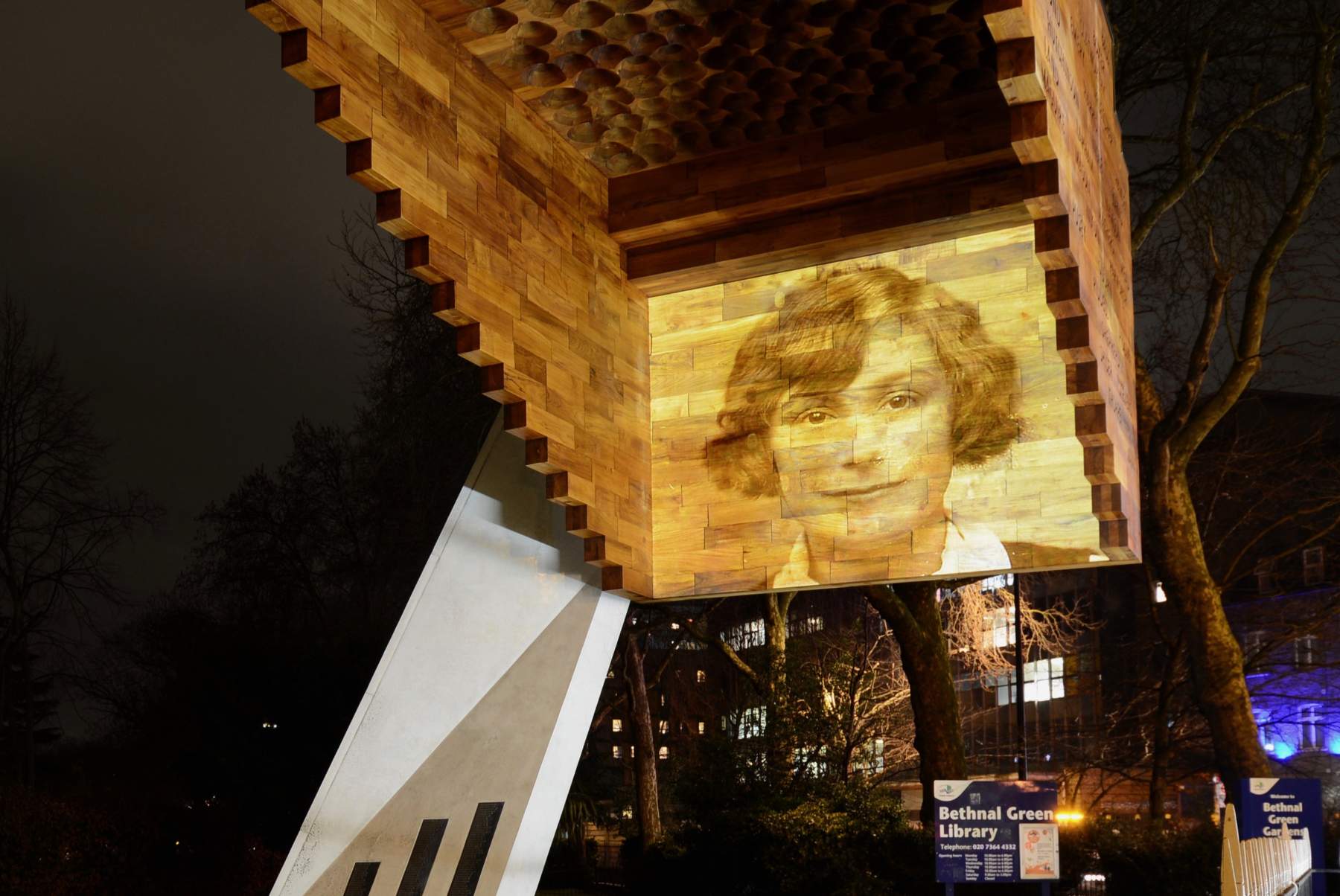
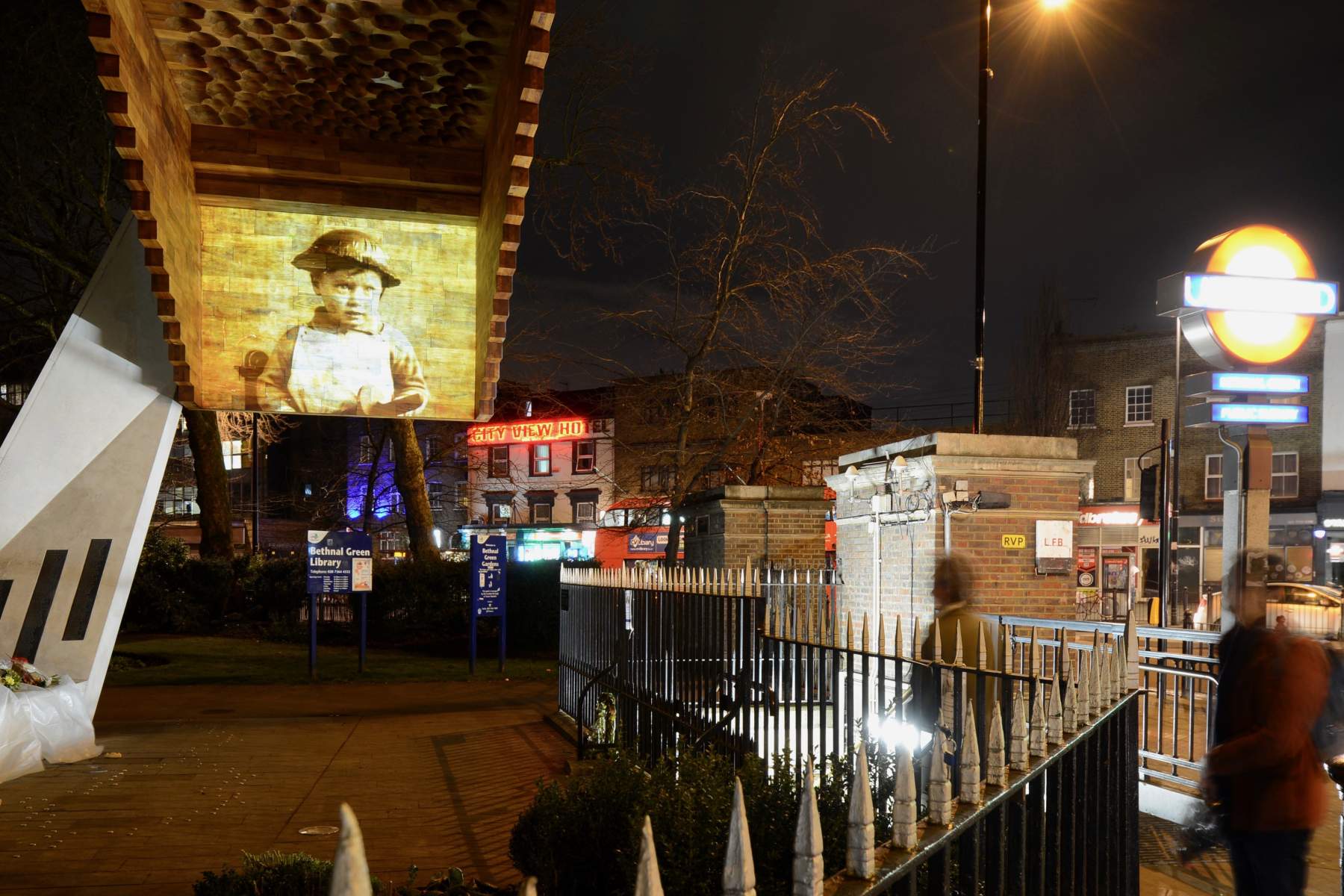
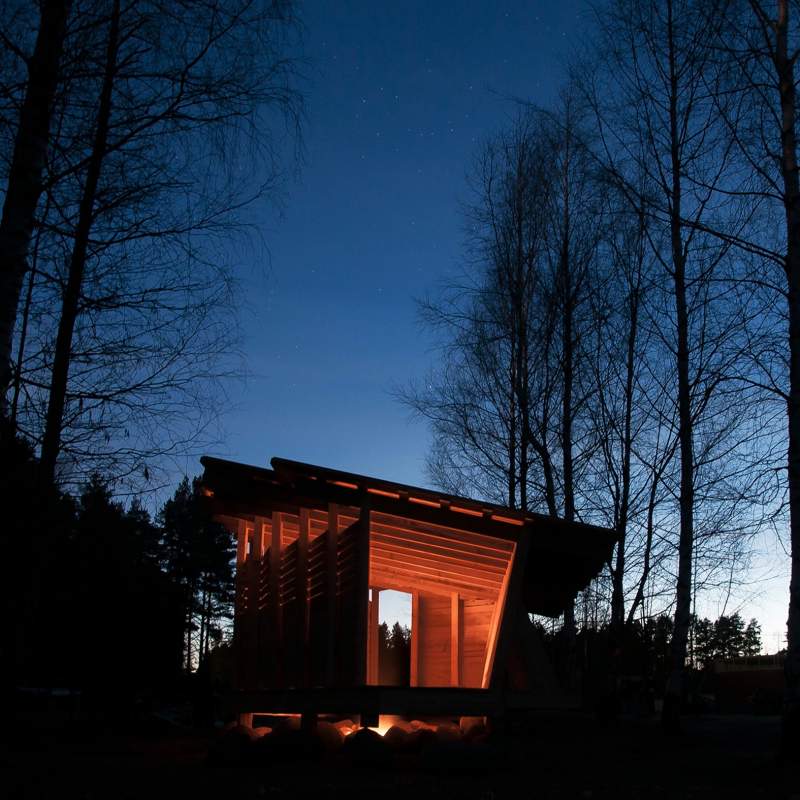
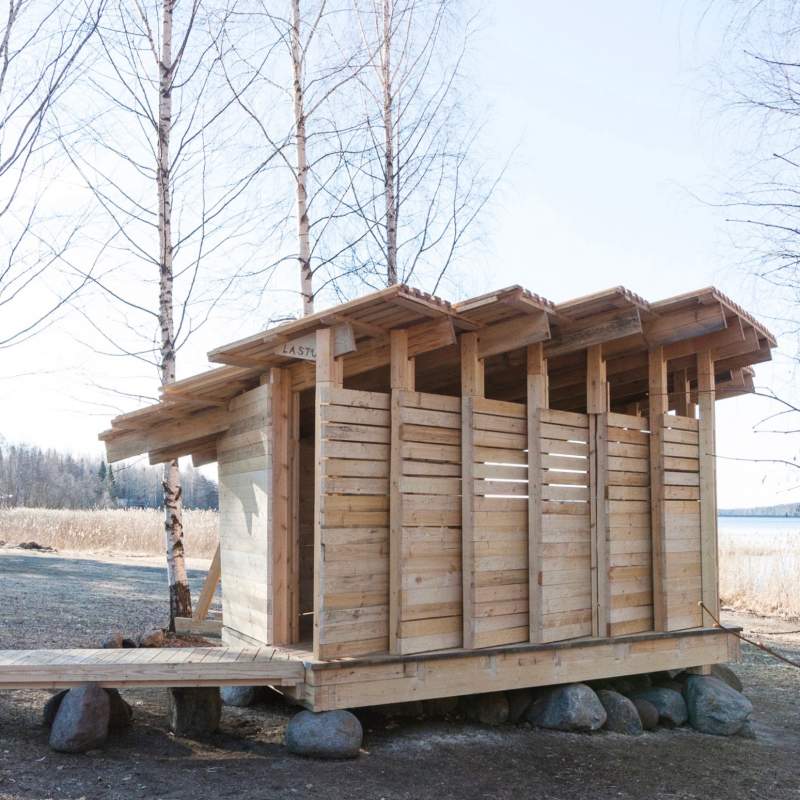
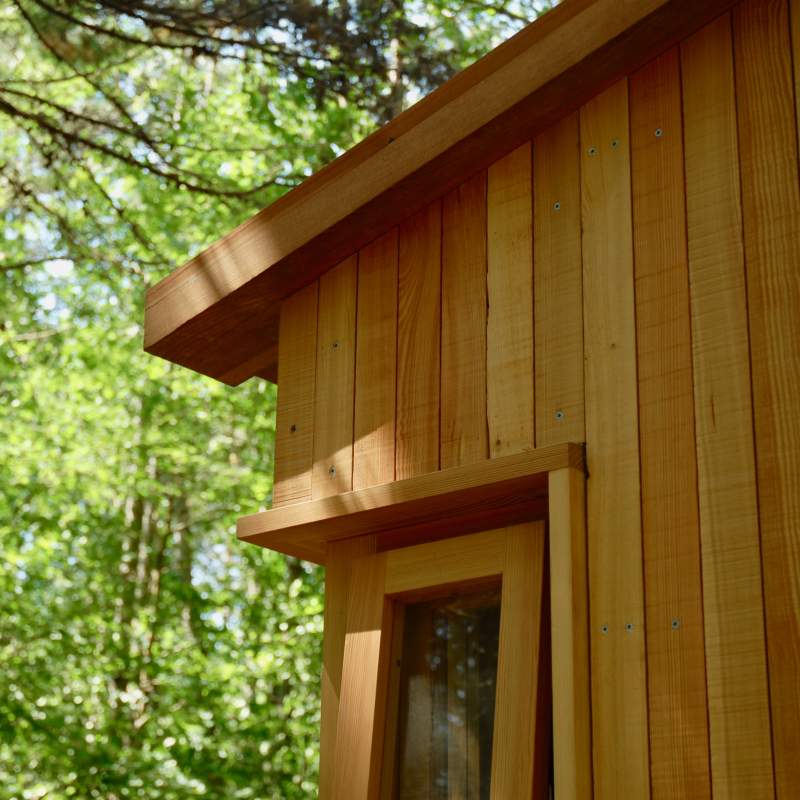
The design adopts a spatial inversion strategy, abstracting the negative volume of the teak stairwell and reconstituting it as an elevated, voided form - an architectural cenotaph oriented skyward. Constructed from sustainably sourced solid teak, the structure foregrounds material ethics alongside mnemonic intent. A perforated roof plane incorporates 173 conical apertures calibrated to solar geometry; at solar noon, these generate discrete solar shafts that penetrate the interior volume, each corresponding to an individual fatality. The assembly is grounded by a folded polished concrete plinth that choreographs movement across the site. Embedded bronze plaques, inscribed with testimonies from survivors and bereaved families, establish a narrative substrate that integrates oral history into the spatial experience.
Photography: NAARO, Max Creasy
Awards:
RIBA London Regional Award 2018
RIBA London Project Architect of the Year 2018
Special Mention for the RIBA Stephen Lawrence Award 2018
Shortlisted for the New London Awards 2018
Finalist for the Structural Timber Awards 2018
Shortlisted for the Selwyn Goldsmith Awards for Universal Design 2018.
Location: East London, Bethnal Green (London Borough of Tower Hamlets)
Property type: Memorial, sculpture
Scope of work: Project initiation and advocacy; concept and detailed design of the inverted teak memorial structure and plinth; stakeholder coordination with survivor groups, authorities, and funders; planning and approvals; collaboration with engineers and fabricators; sustainable material specification; and construction oversight through to completion (2017).
Key Features:
Sculptural memorial integrated within Bethnal Green Gardens as a hybrid object: landscape + architectural intervention
Spatial inversion of the original stairwell, forming an elevated, voided teak structure (architectural cenotaph)
Material strategy using sustainably sourced solid teak, emphasizing durability and ethical sourcing
Perforated roof with 173 calibrated conical apertures aligned to solar geometry
Solar-responsive design: individual light shafts at solar noon symbolizing each victim
Folded polished concrete plinth guiding circulation and framing the memorial threshold
Embedded bronze plaques incorporating survivor and family testimonies into the spatial narrative
Strong integration of memory, movement, and light as primary design drivers
Collaboration-driven design process involving survivors, families, and public bodies
Project Results:
Delivered a permanent civic memorial marking the UK’s deadliest WWII civilian disaster
Transformed an under-recognized historic site into a resolved public landmark
Successfully translated community-led advocacy into a built architectural outcome
Coordinated multi-stakeholder engagement including charitable trust, local authorities, and public funding bodies
Recognised with major industry awards, including RIBA National and Regional Awards (2018)
Contributed to wider public awareness and historical acknowledgment of the 1943 disaster
Demonstrated the role of architecture in mediating collective memory and trauma
Resulted in national recognition for the architects (MBE, 2020) for community-focused design leadership