Seahaven Holiday House | Low-Energy Guesthouse
A Low-Energy Coastal Guesthouse Designed for Biodiversity, Passive Performance, and Circular Construction Principles
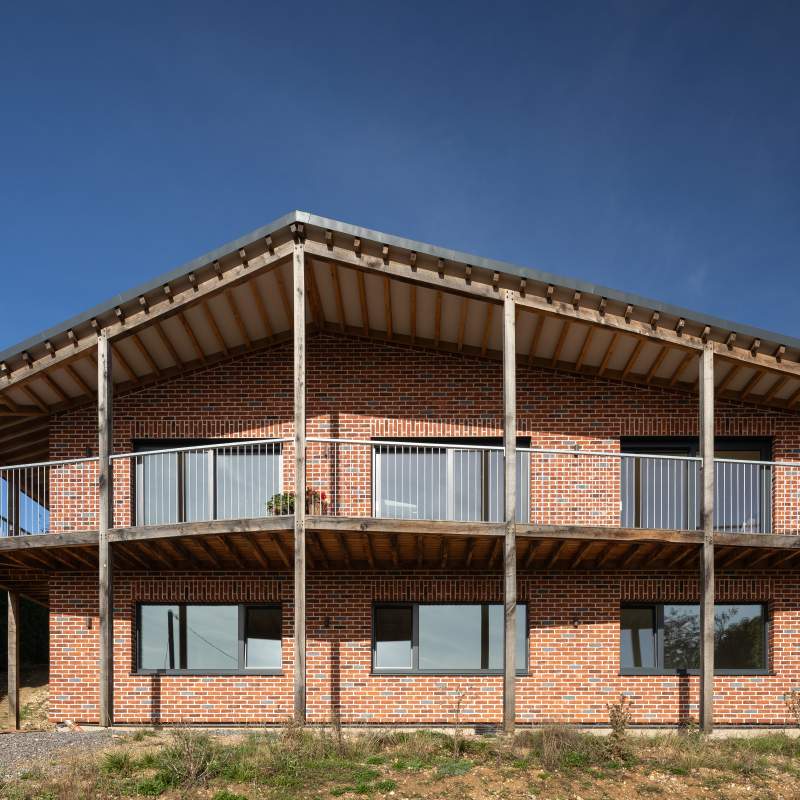
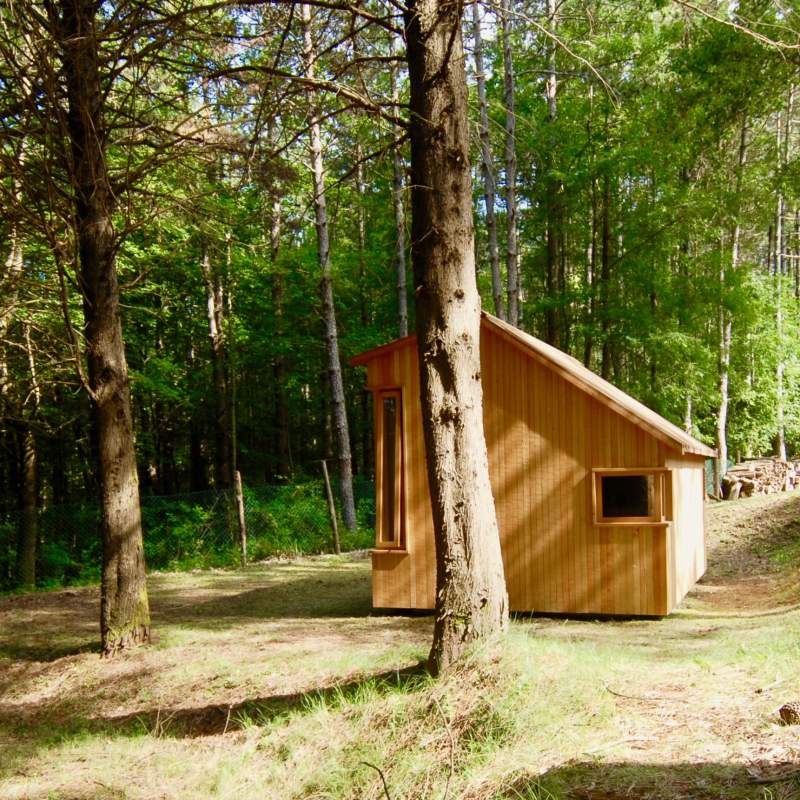
A proposal for a coastal holiday let house in the southern UK is currently paused, pending planning determination.
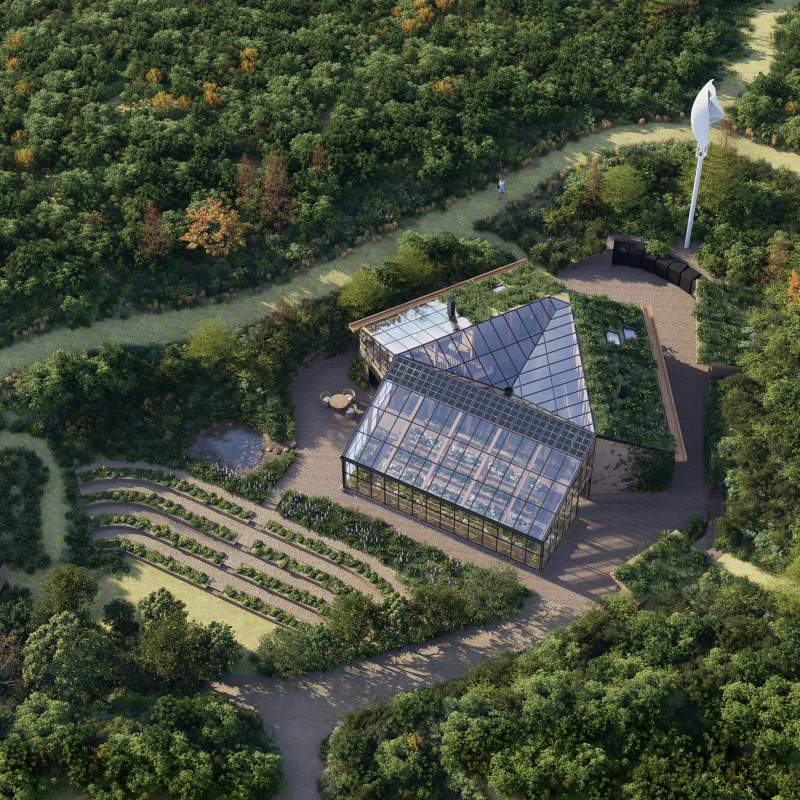
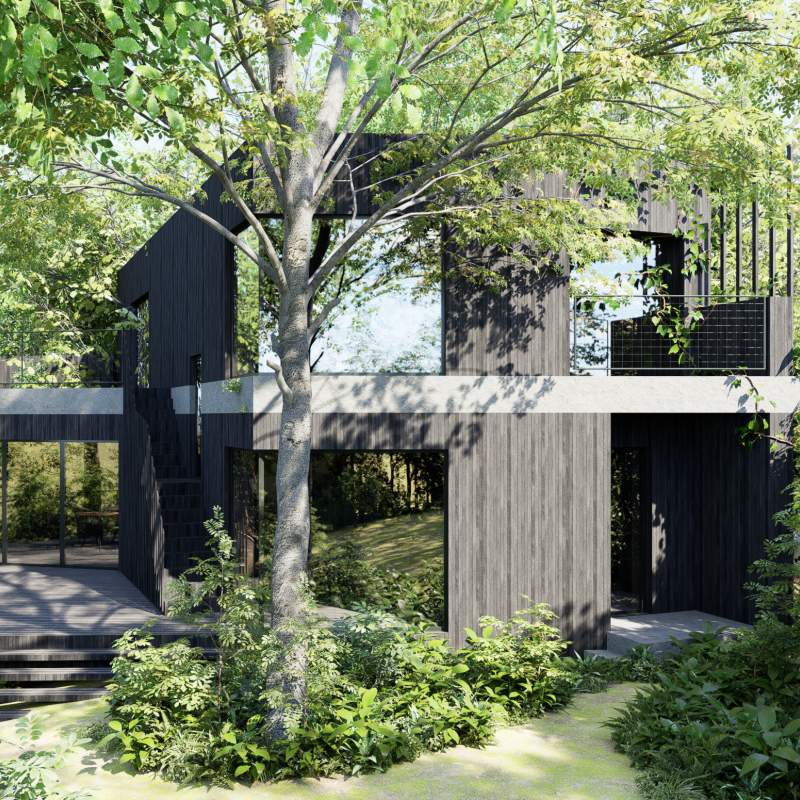
The design has been developed as a low-energy guest house rooted in a holistic approach to sustainability, where architectural performance, material choice, and landscape integration operate as a single system. The scheme is guided by Passivhaus principles, targeting a significant reduction in operational energy demand and associated carbon emissions through a highly efficient building fabric and careful environmental design.
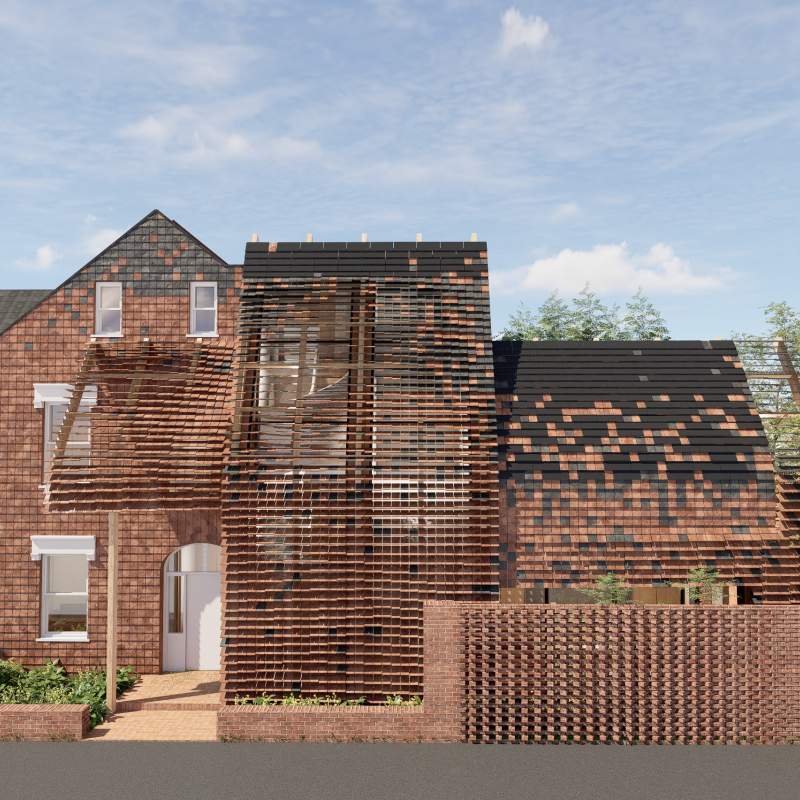
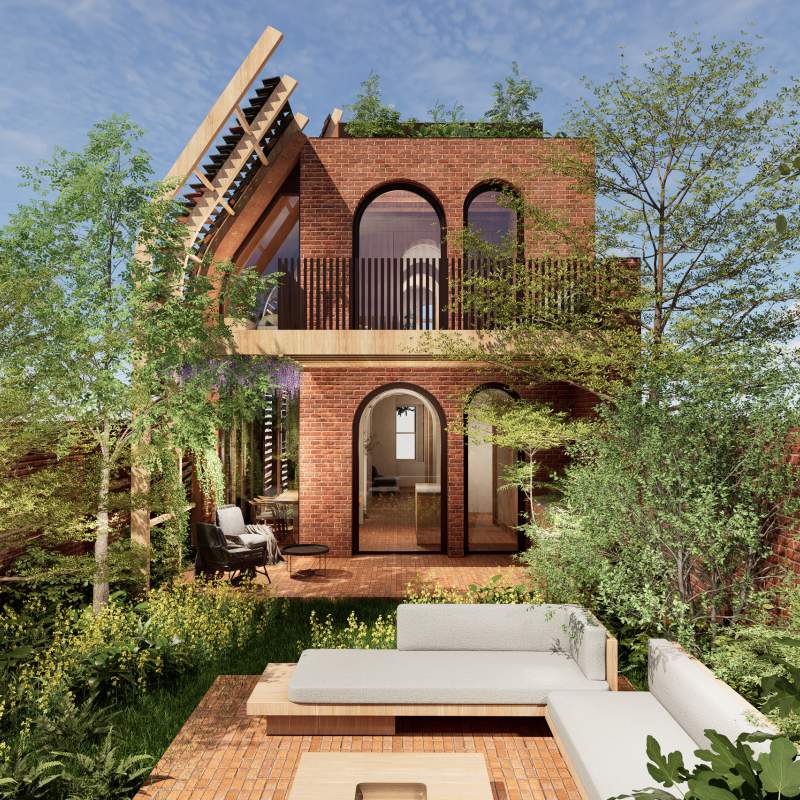
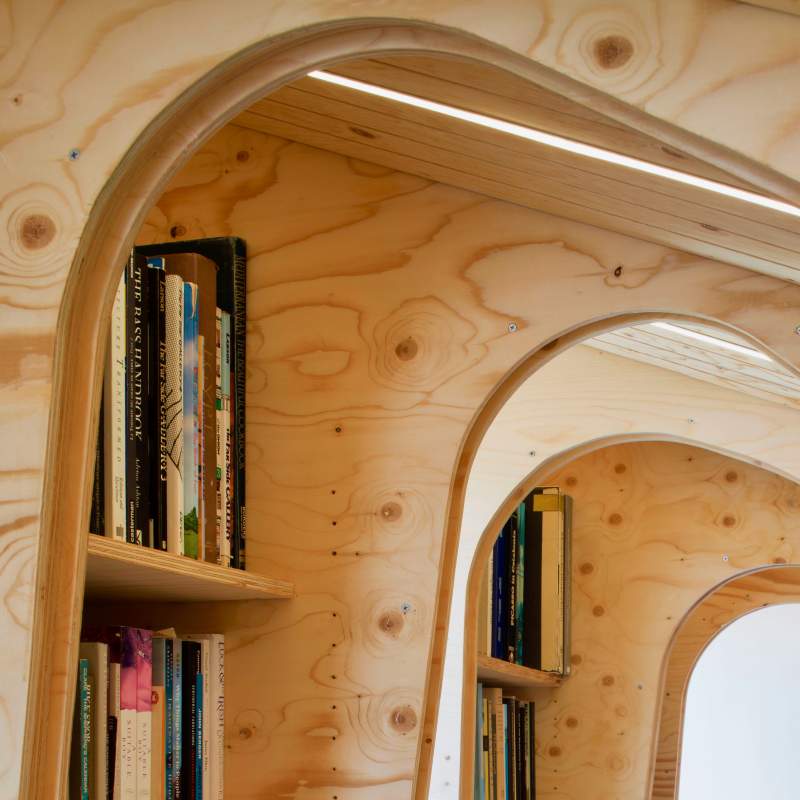
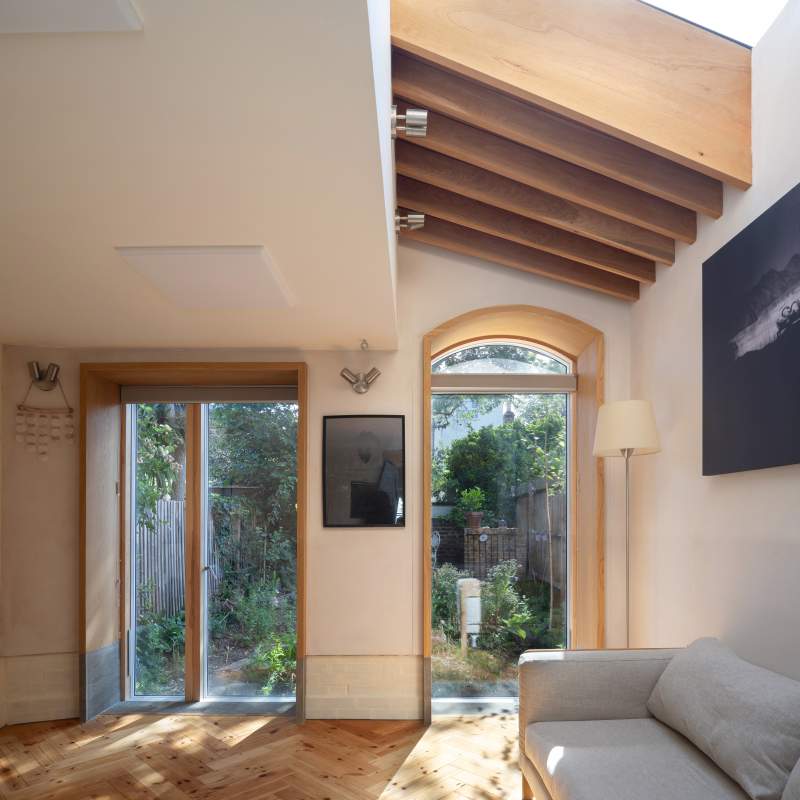
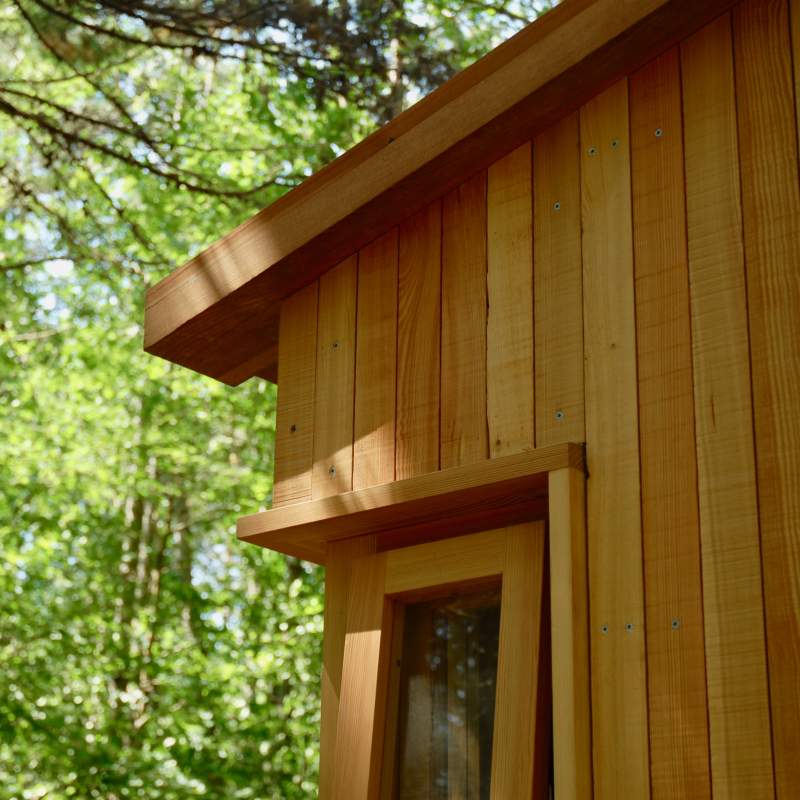
Material strategies prioritise natural, minimally processed, and low-embodied-carbon products, selected for both performance and provenance. All specifications are assessed not only for their environmental impact in manufacture and transport, but also for their contribution to a healthy internal environment, with a focus on breathable, non-toxic construction assemblies that support indoor air quality.
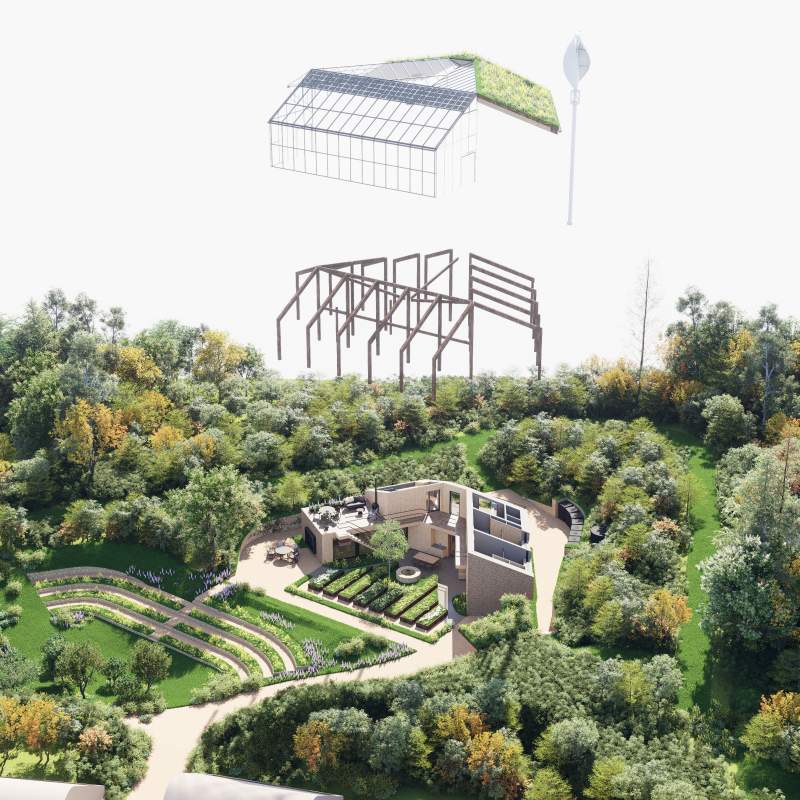
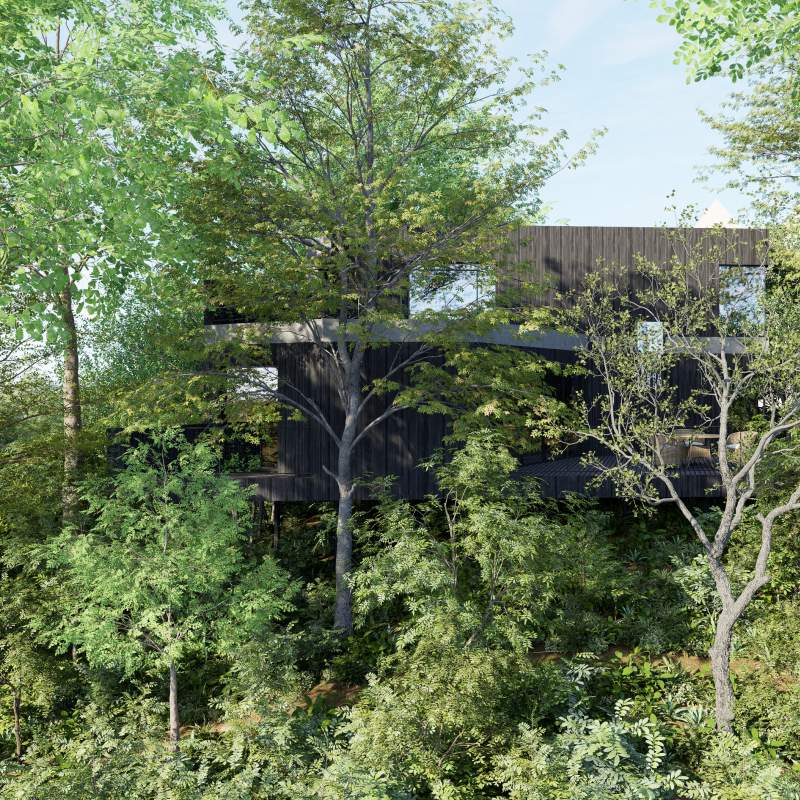
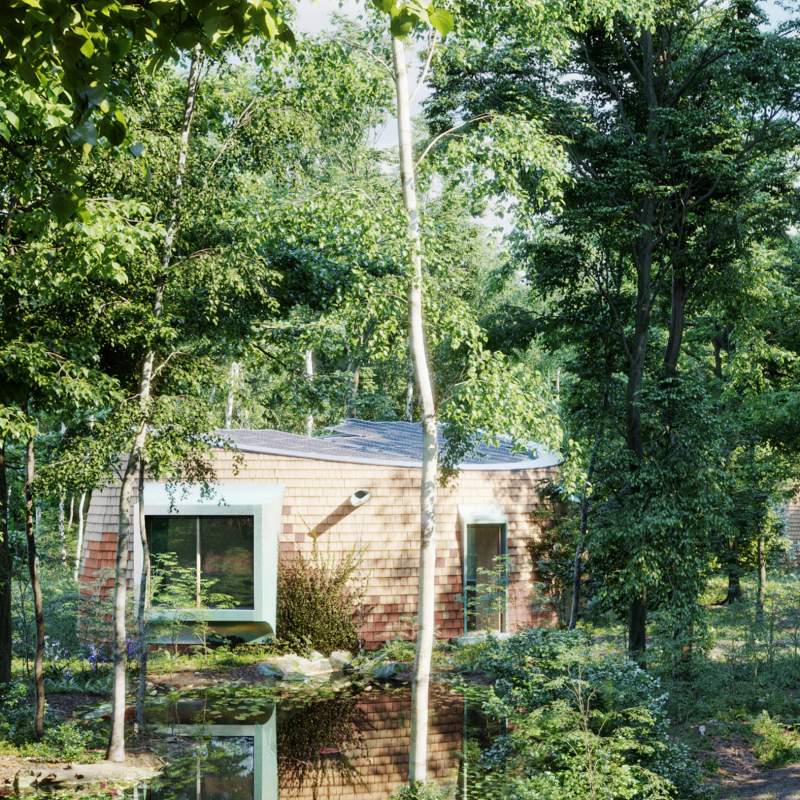
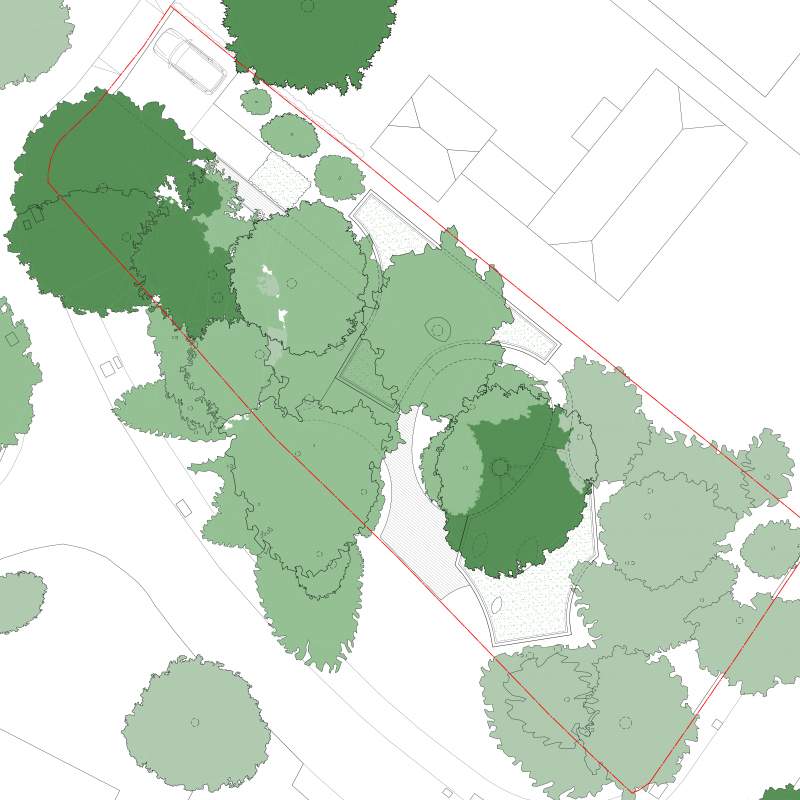
The wider landscape approach is conceived as an extension of the building’s ecological role. The house and surrounding grassland are designed to support local biodiversity, introducing planting and habitat strategies that actively contribute to the surrounding ecosystem rather than simply occupying it.
In parallel, the project adopts principles of design for disassembly, allowing key building components to be carefully separated and reused in the future. This approach reduces long-term waste, extends material life cycles, and reinforces a regenerative model of coastal development that considers both present use and future adaptability.
Location: Seahaven, East Sussex, Southern United Kingdom (coastal setting)
Property type: Holiday let house / guest accommodation (low-energy coastal dwelling)
Scope: The project involves the design of a new-build coastal holiday let house developed to high environmental performance standards, currently paused at planning stage. The scheme integrates Passivhaus-informed design principles to reduce operational energy demand through an efficient building envelope, airtight construction, and controlled ventilation strategies. The architectural approach prioritises the use of natural, low-embodied-carbon materials and non-toxic internal finishes to support healthy indoor environments. The design also incorporates landscape-led ecological strategies to enhance local biodiversity and establish a strong relationship between the building and its surrounding coastal grassland setting. In addition, the project applies principles of design for disassembly to enable future adaptability, reuse, and material recovery.
Key Features:
Low-energy holiday let house in a coastal setting in southern UK
Passivhaus-informed design strategy targeting reduced operational energy demand
High-performance building envelope with emphasis on insulation, airtightness, and thermal continuity
Natural, low-embodied-carbon material palette selected for durability and environmental performance
Non-toxic internal finishes supporting healthy indoor air quality
Landscape-led design approach integrating building with surrounding coastal grassland ecology
Biodiversity enhancement strategy through habitat-sensitive planting and site integration
Passive environmental design principles supporting stable internal comfort conditions
Design for disassembly approach enabling future reuse and material recovery
Flexible, long-life construction strategy prioritising adaptability over permanence
Reduced whole-life carbon approach balancing embodied and operational emissions
Building conceived as part of a wider regenerative coastal ecosystem rather than isolated object
Testimonials
"Tom has been superb to work with throughout. We found him online when looking for sustainable architects in London and immediately connected with him upon meeting. We met with two other architects (one who was cheaper!) but went with Tom and have had no regrets.
His work is always thoughtful and he took the project in directions we couldn't have predicted but really love. He has a lot of patience for our endless dreams and thoughts and has managed to integrate those that made sense into a coherent whole.
Will definitely be working with Tom again if we can on future projects either way."