Eco-village Findhorn Garden Renewall (2019)
Ecological Architecture for Low-Impact Accommodation, Workspace and Garden Integration
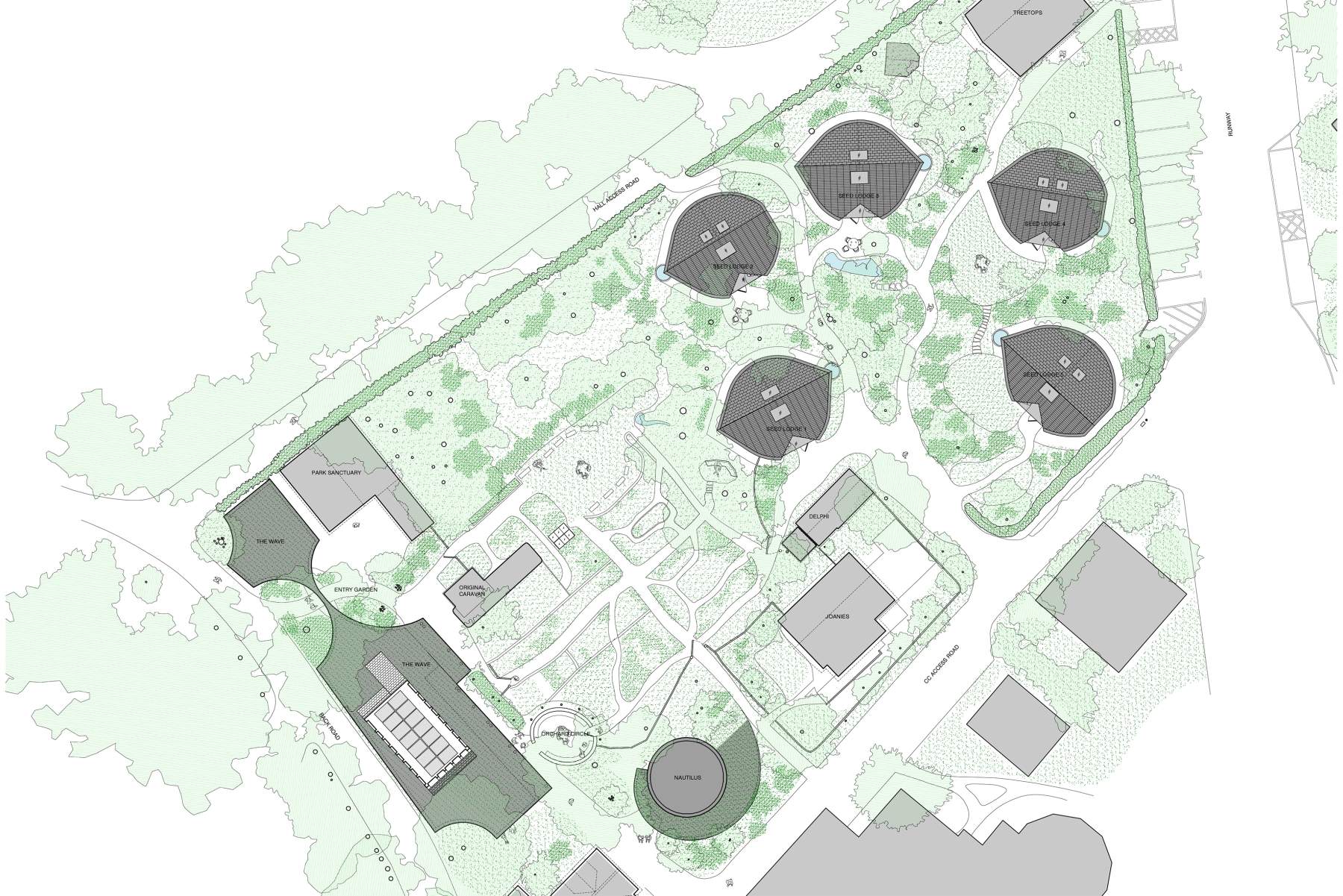
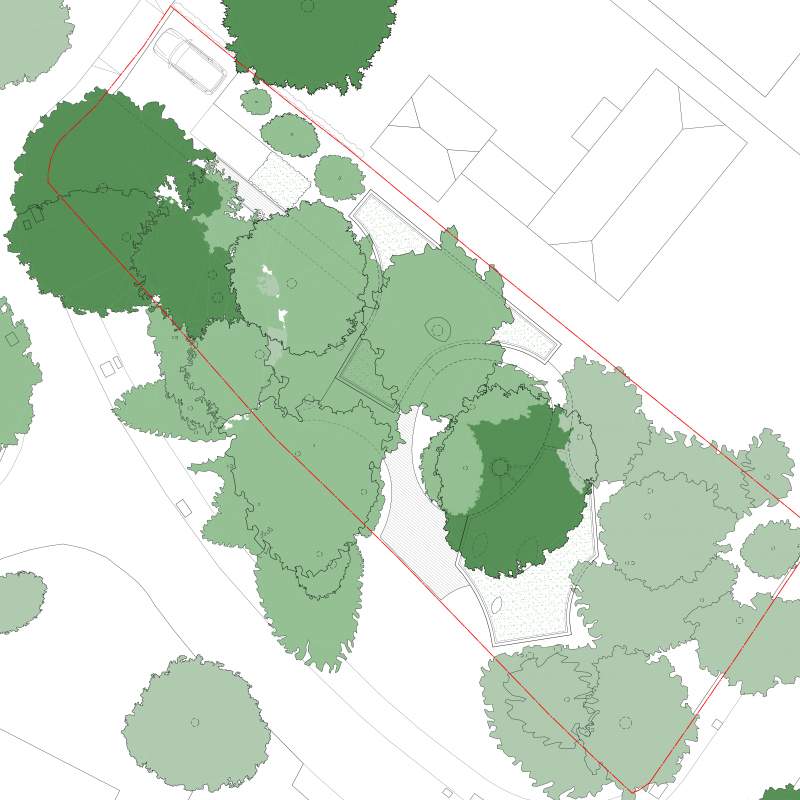
The Findhorn Foundation, now known as The Park Eco-village Findhorn, developed proposals in 2019 for the renewal of its campus within the Original Garden, the historic heart of the community in Findhorn, Scotland. The brief addressed a series of ageing temporary chalet and bungalow structures that, while never intended for long-term use, had remained in operation for over 50 years and had reached the limits of their adaptability. The proposed masterplan sets out a coherent replacement strategy, grounded in ecological design principles and aligned with the community’s ethos of inner listening, co-creation with nature, and “work as love in action.”
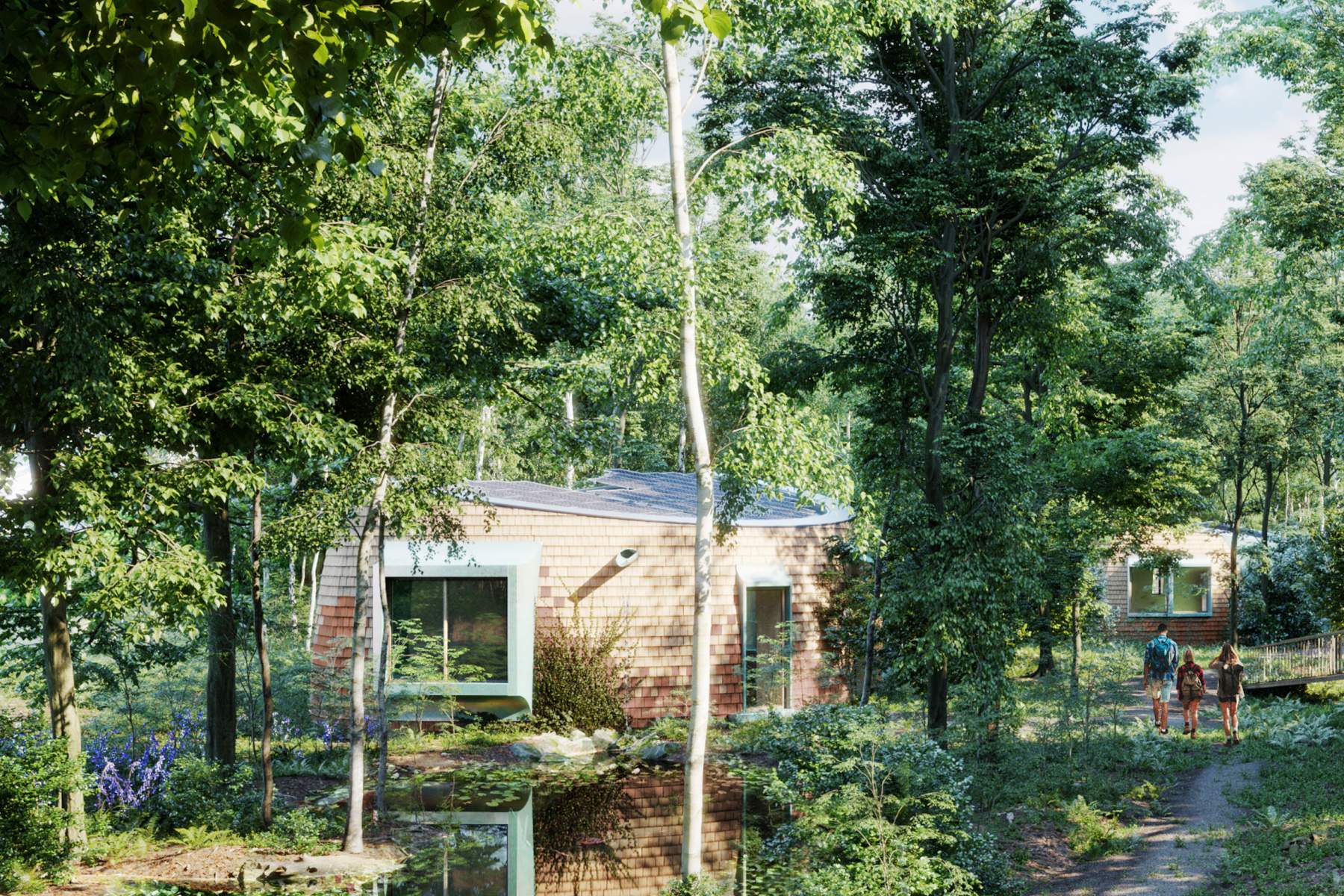
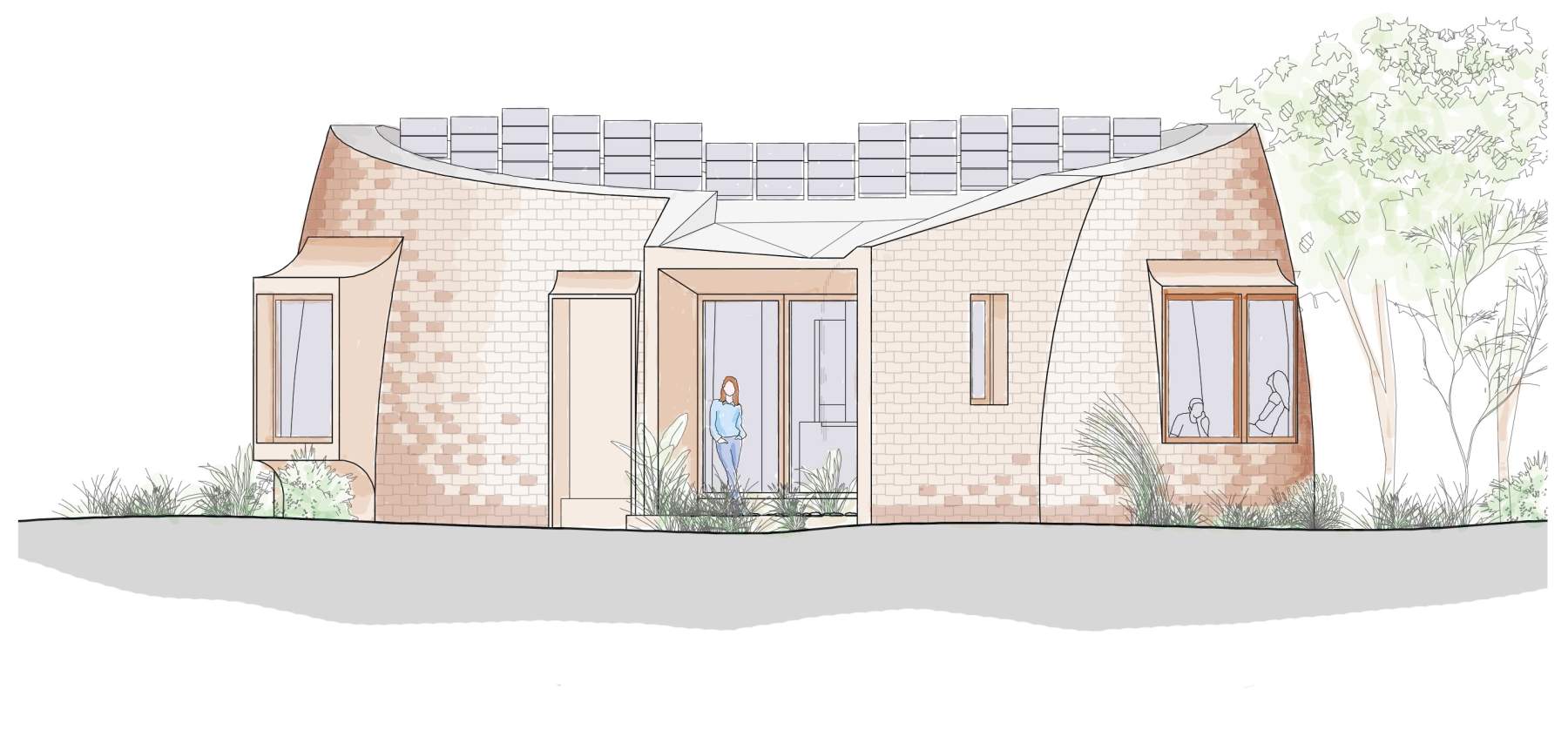
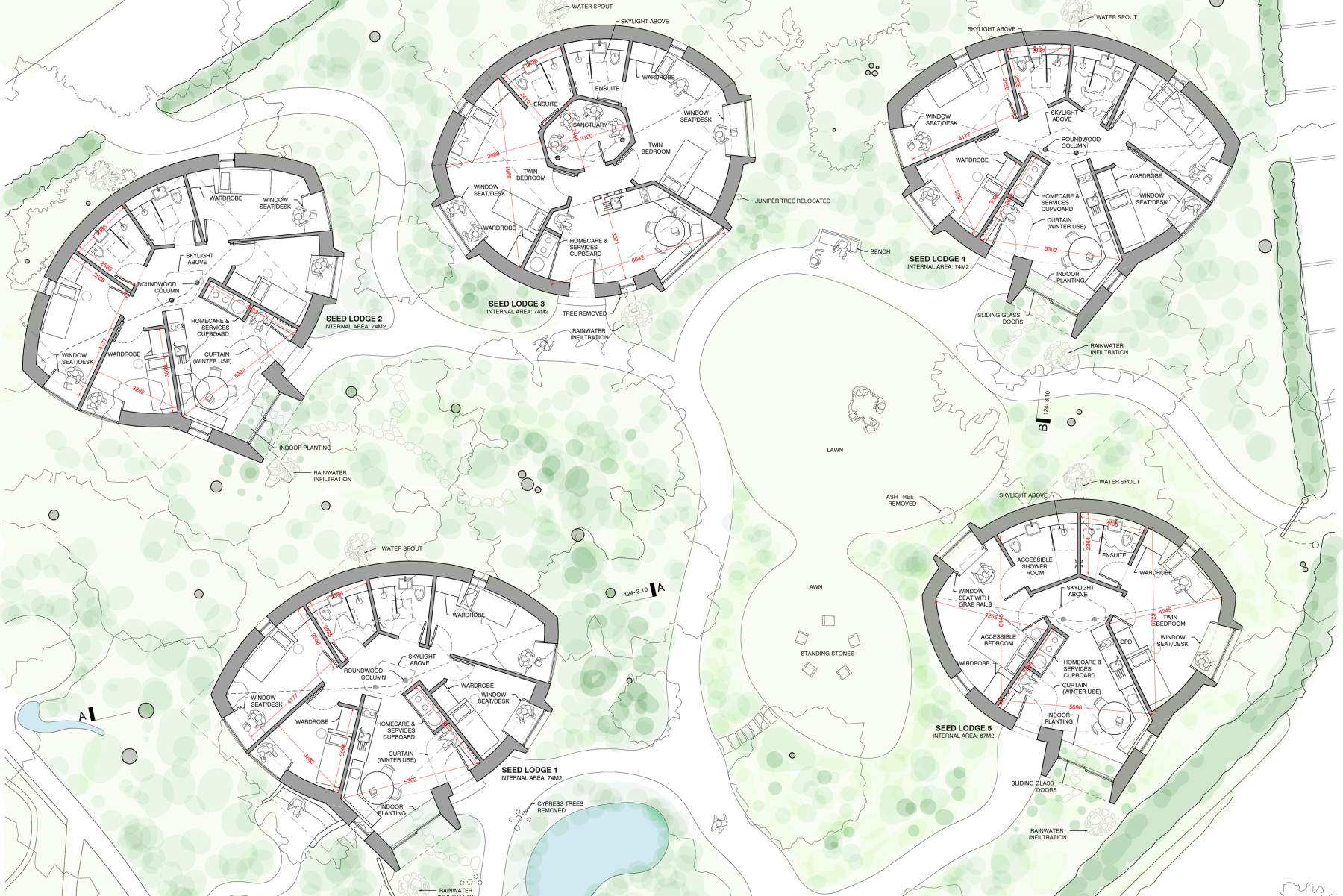
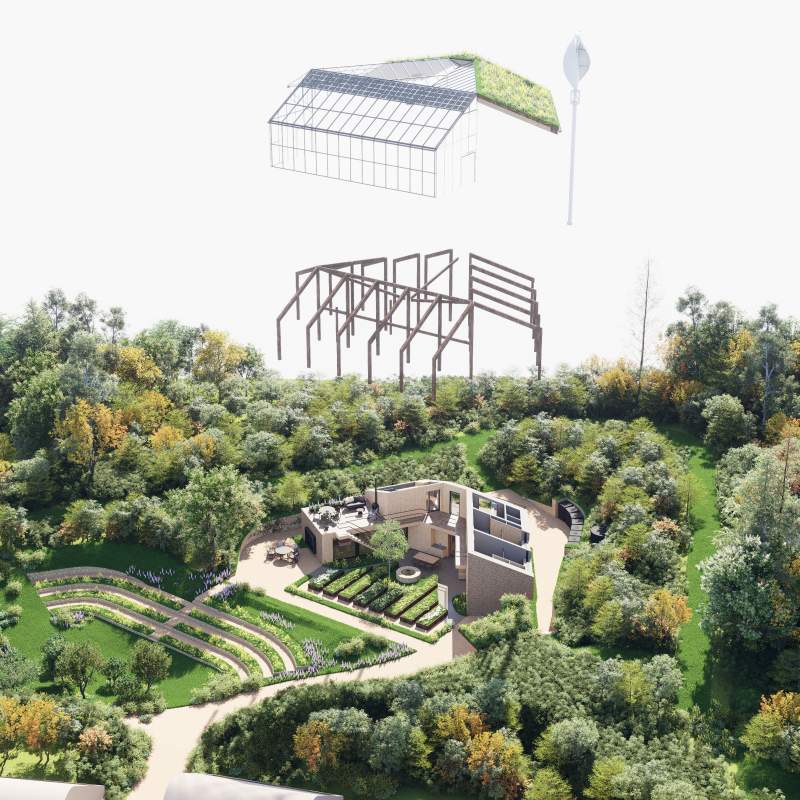
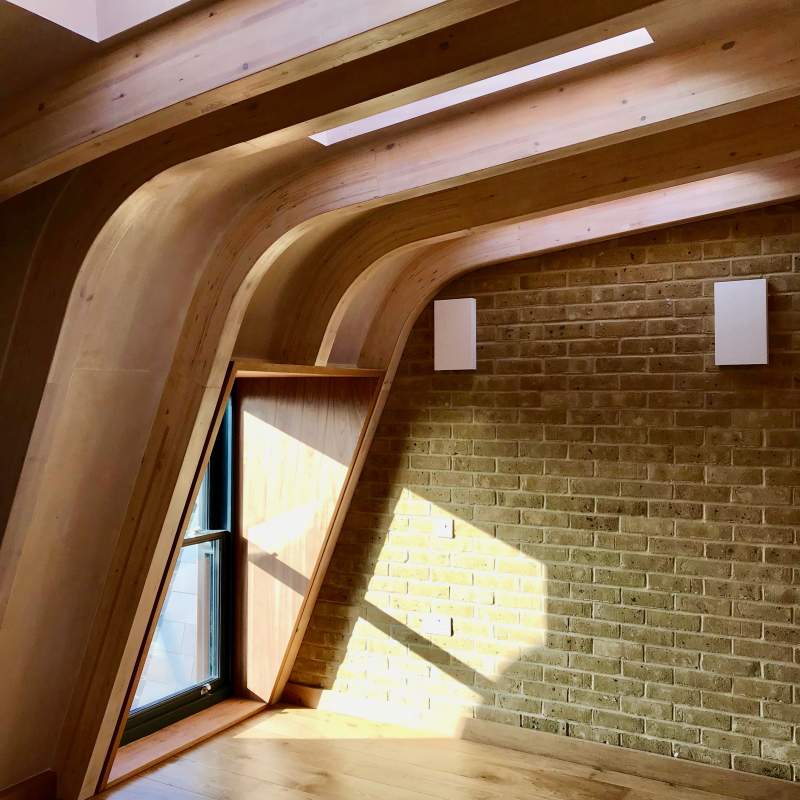
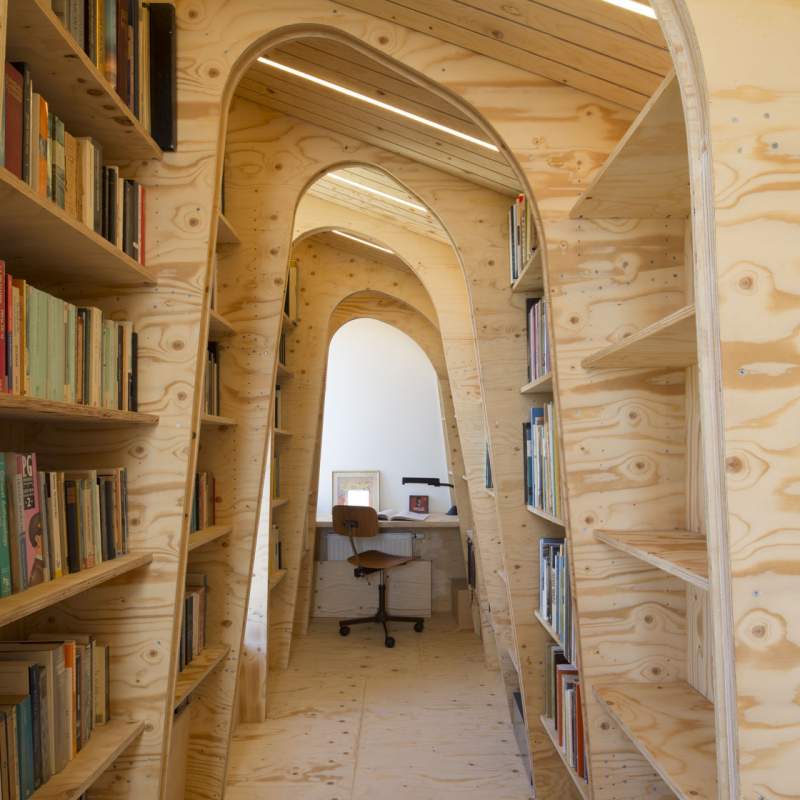
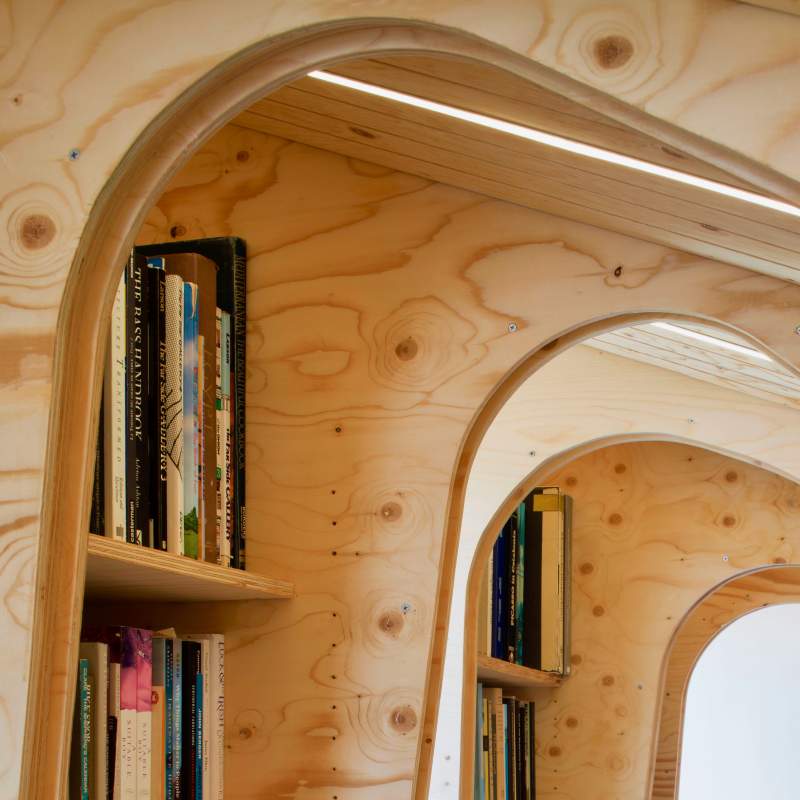
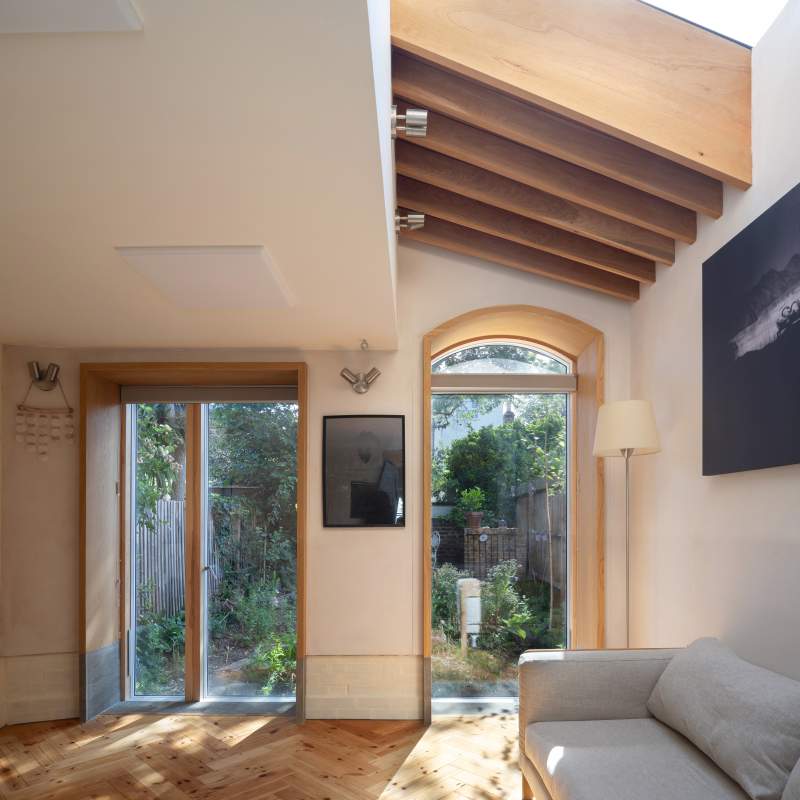
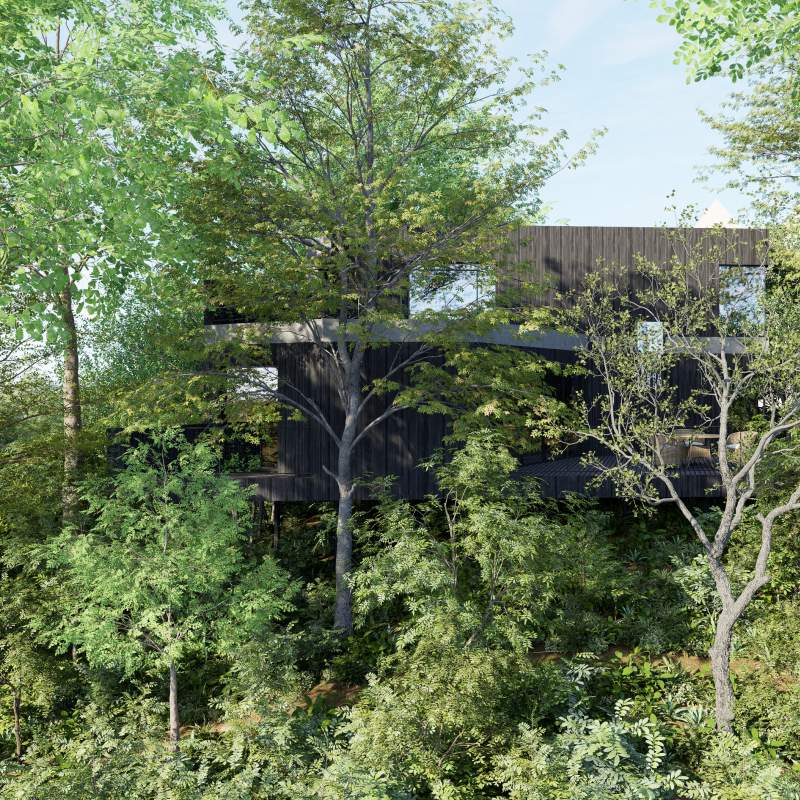
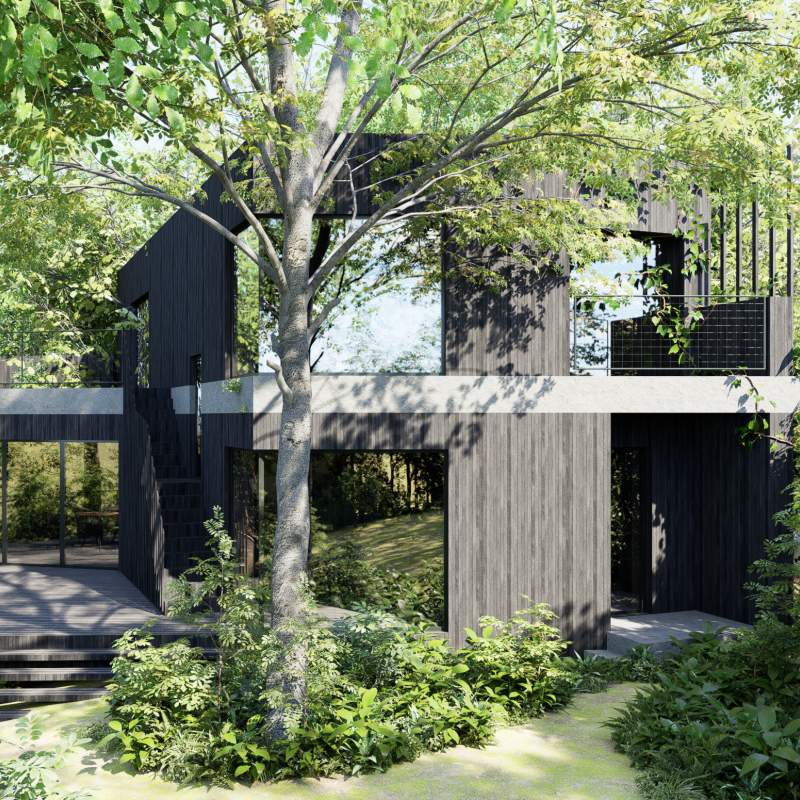
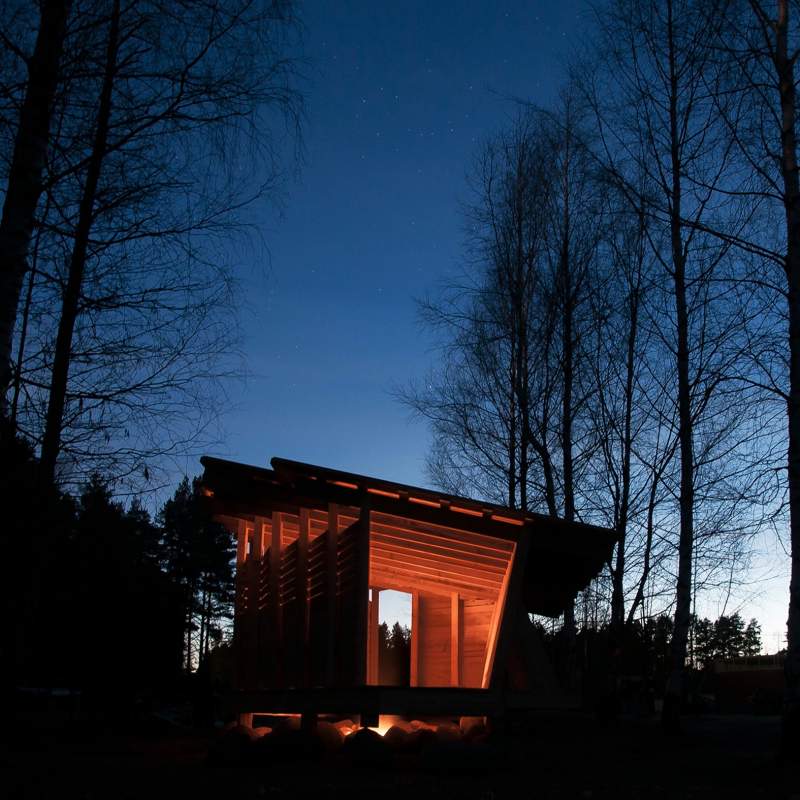
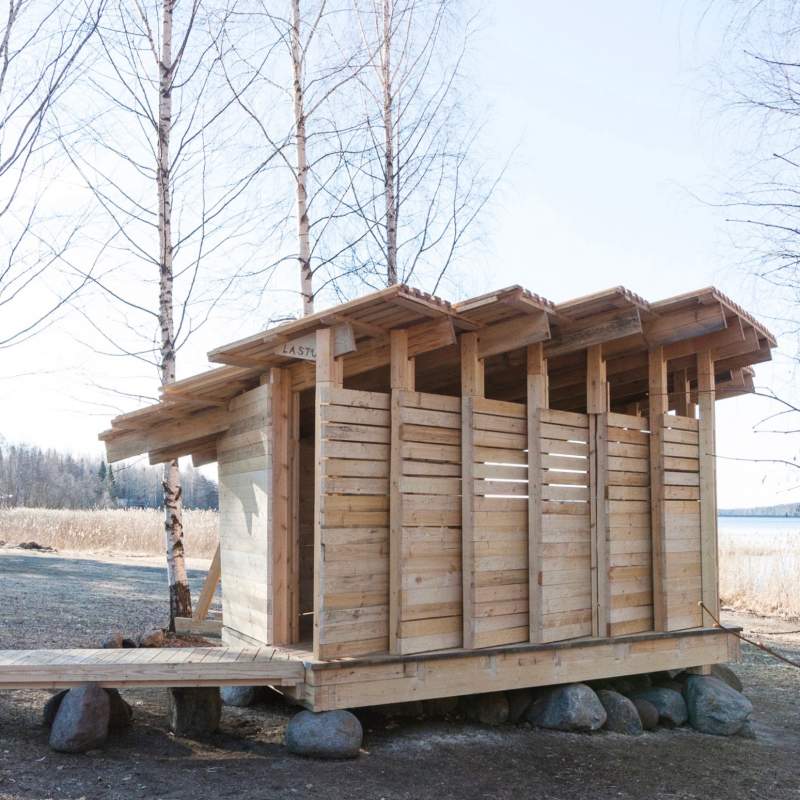
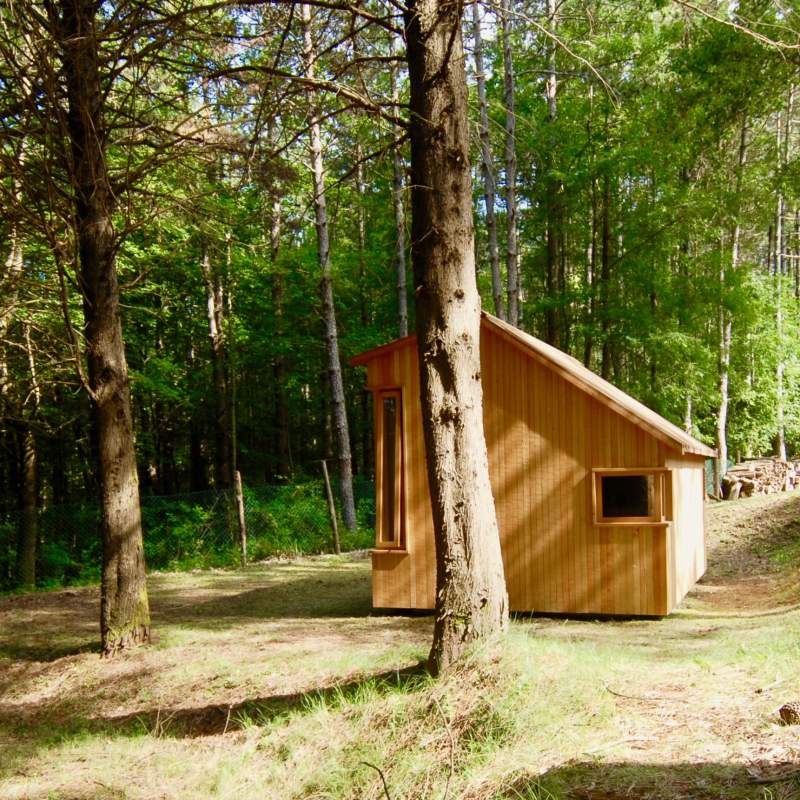
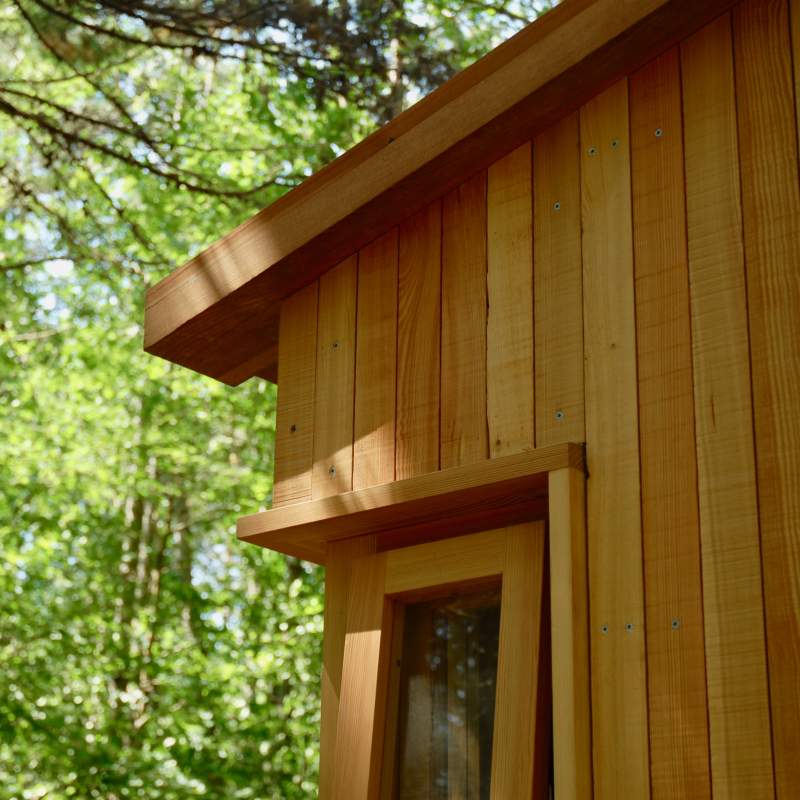
The scheme introduces five new guest accommodation buildings, known as the Seed Lodges, alongside two new administrative buildings. The Seed Lodges are conceived as small-scale inhabitable elements embedded within the garden landscape, providing accommodation for participants attending educational programmes and workshops. Each unit accommodates three to four guests with compact living, kitchen, and sleeping spaces. Lightweight timber structures are proposed on low-impact micro-pile foundations, allowing minimal disturbance to existing trees, planting, and soil systems. Their curved geometries are expressed through a restrained material palette of timber shingles and ceramic tiles, deployed selectively according to exposure and environmental performance requirements.
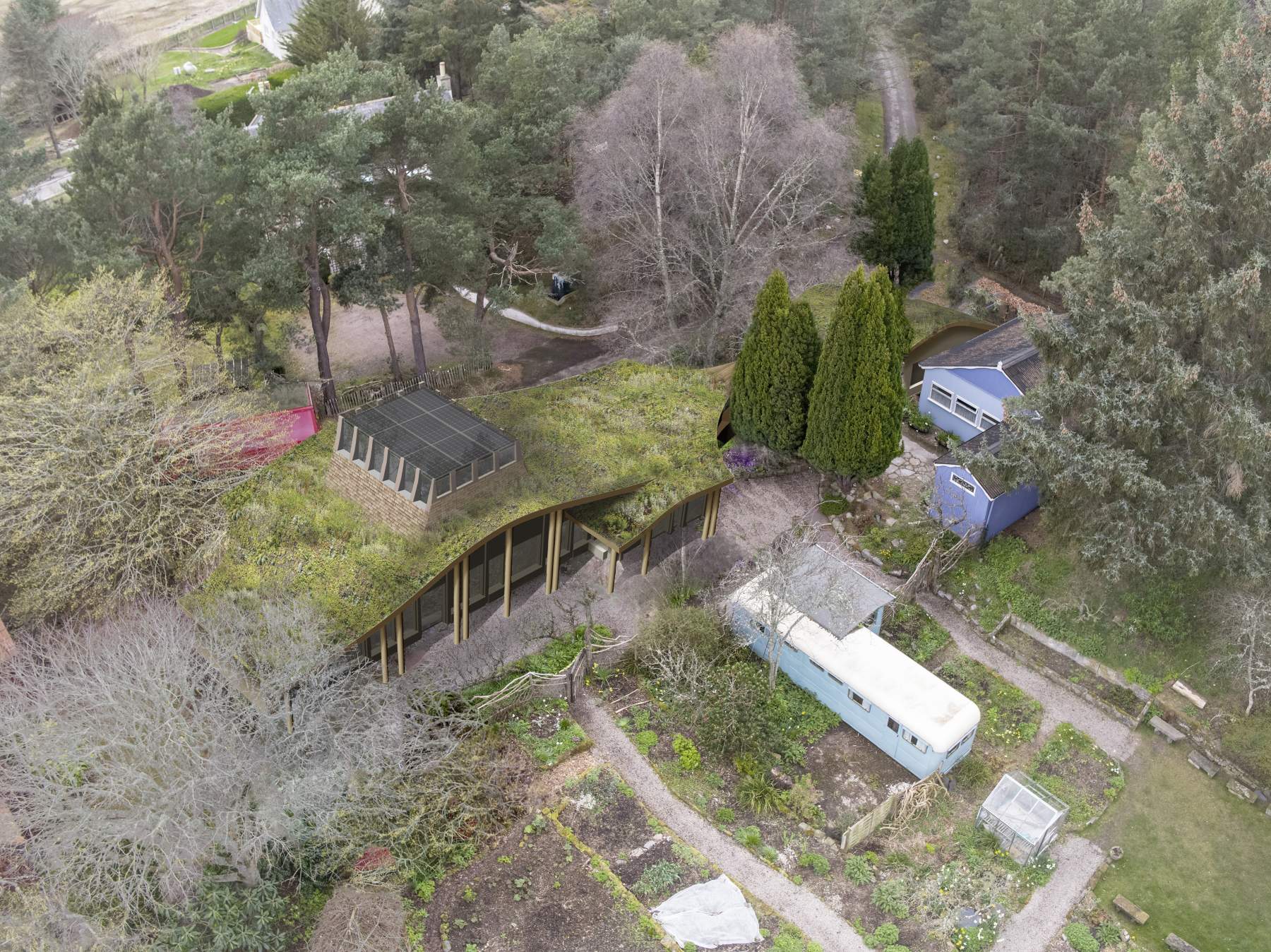
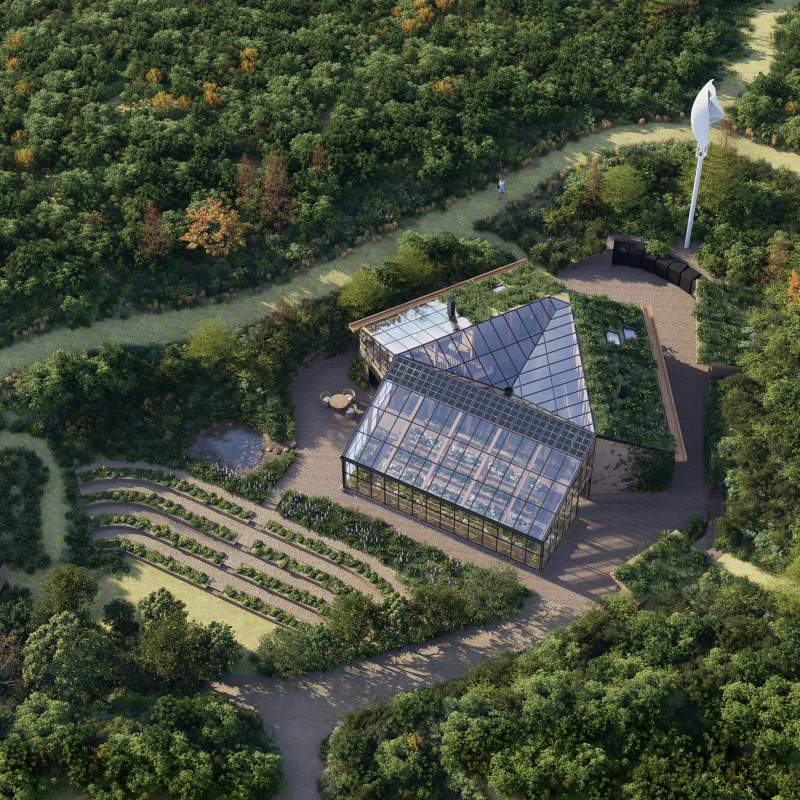
The two administrative buildings reorganise dispersed functions into a more legible spatial framework. The Wave consolidates office and meeting spaces into a single, flexible volume shaped in direct response to its landscape context. Its profile is modulated to remain low at its edges where it meets trees and adjacent buildings, rising centrally to accommodate shared working and gathering spaces, forming a sectional condition that integrates architecture with the site’s natural topography.
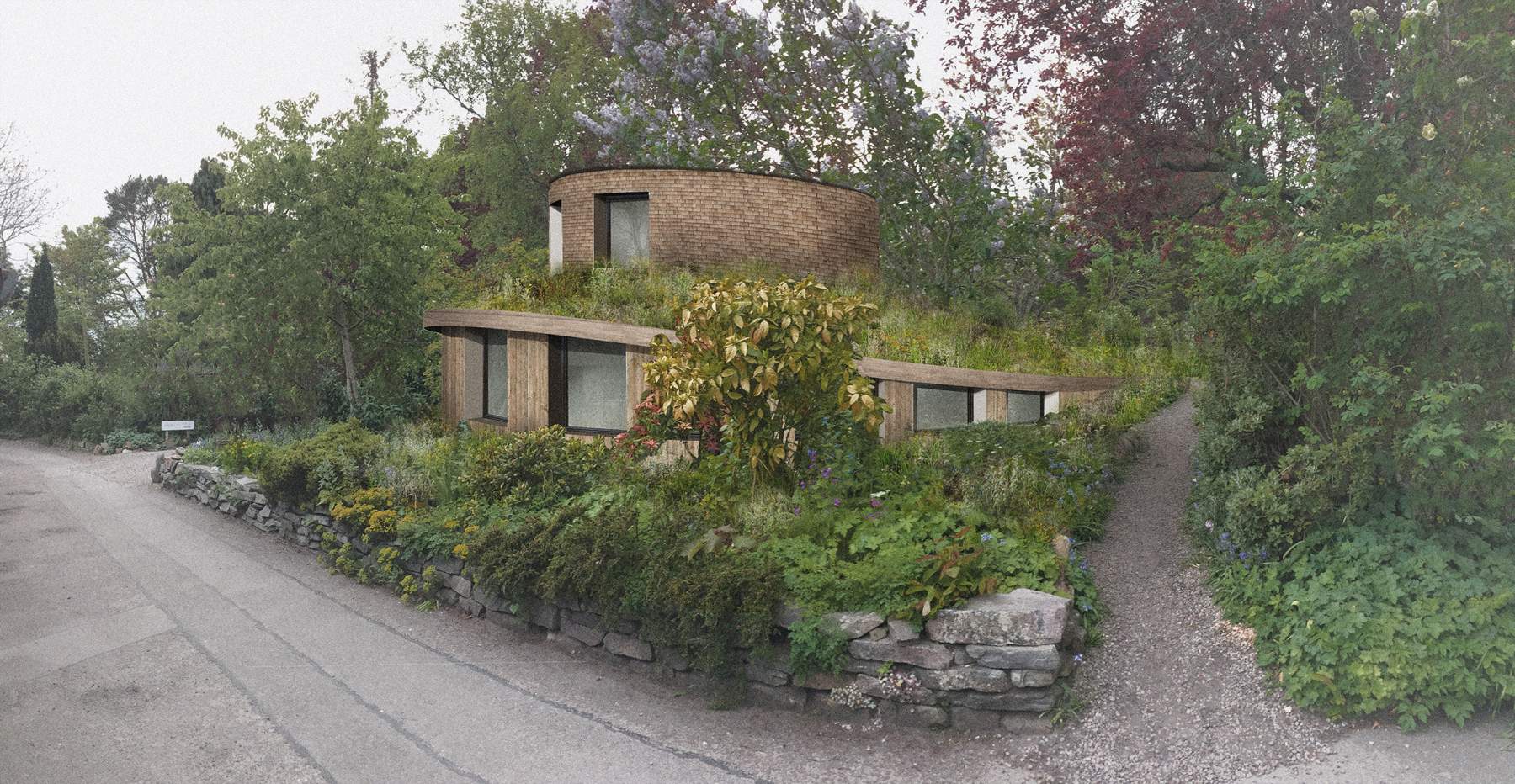
The Nautilus building is located at a key intersection of pedestrian routes within the campus. Its circular form establishes a clear spatial marker within the movement network, improving orientation and legibility across the site. Partially embedded into an existing earth bank, it is conceived as emerging from the landscape, reinforcing its relationship with the Original Garden while providing a grounded civic presence within the wider eco-village context.
Collectively, the proposal replaces a fragmented and deteriorating building stock with a coherent ensemble of low-impact structures. It prioritises ecological integration, reduced ground disturbance, and spatial clarity, offering a long-term framework for renewal that reflects the environmental and cultural values of The Park Eco-village Findhorn.
Location: The Park Eco-village, Findhorn, Scotland
Property type: The original garden renewal
Scope: The project comprises a 2019 masterplan for the renewal of The Park Eco-village Findhorn’s campus within the Original Garden, replacing long-serving temporary chalet and bungalow structures that had exceeded their intended lifespan. The scope includes the design of five Seed Lodges for guest accommodation and two administrative buildings, The Wave and Nautilus, together with associated spatial planning and landscape integration. The proposals explore low-impact timber construction on micro-pile foundations, curved and site-responsive forms, and a material strategy combining timber and ceramic cladding, with a focus on minimal ground disturbance, ecological integration, and the reorganisation of campus functions within an established garden landscape.
Key Features:
Five Seed Lodges (low-impact guest accommodation)
Timber-frame construction on micro-pile foundations
Landscape-embedded, minimal disturbance siting strategy
Curved architectural forms responding to garden context
Hybrid timber shingle & ceramic cladding system
The Wave administrative building (consolidated workspace)
Topography-led massing (low edges, raised central volume)
Flexible office & meeting space planning
The Nautilus administrative building (circular form)
Landscape-integrated, partially earth-embedded design
Activation of pedestrian junction / improved site legibility
Campus-wide spatial reorganisation and consolidation