Haw Lane Passivhaus
A Four-Bedroom Low-Energy Family Home in High Wycombe Combining Passivhaus Performance and Landscape-Sensitive Design
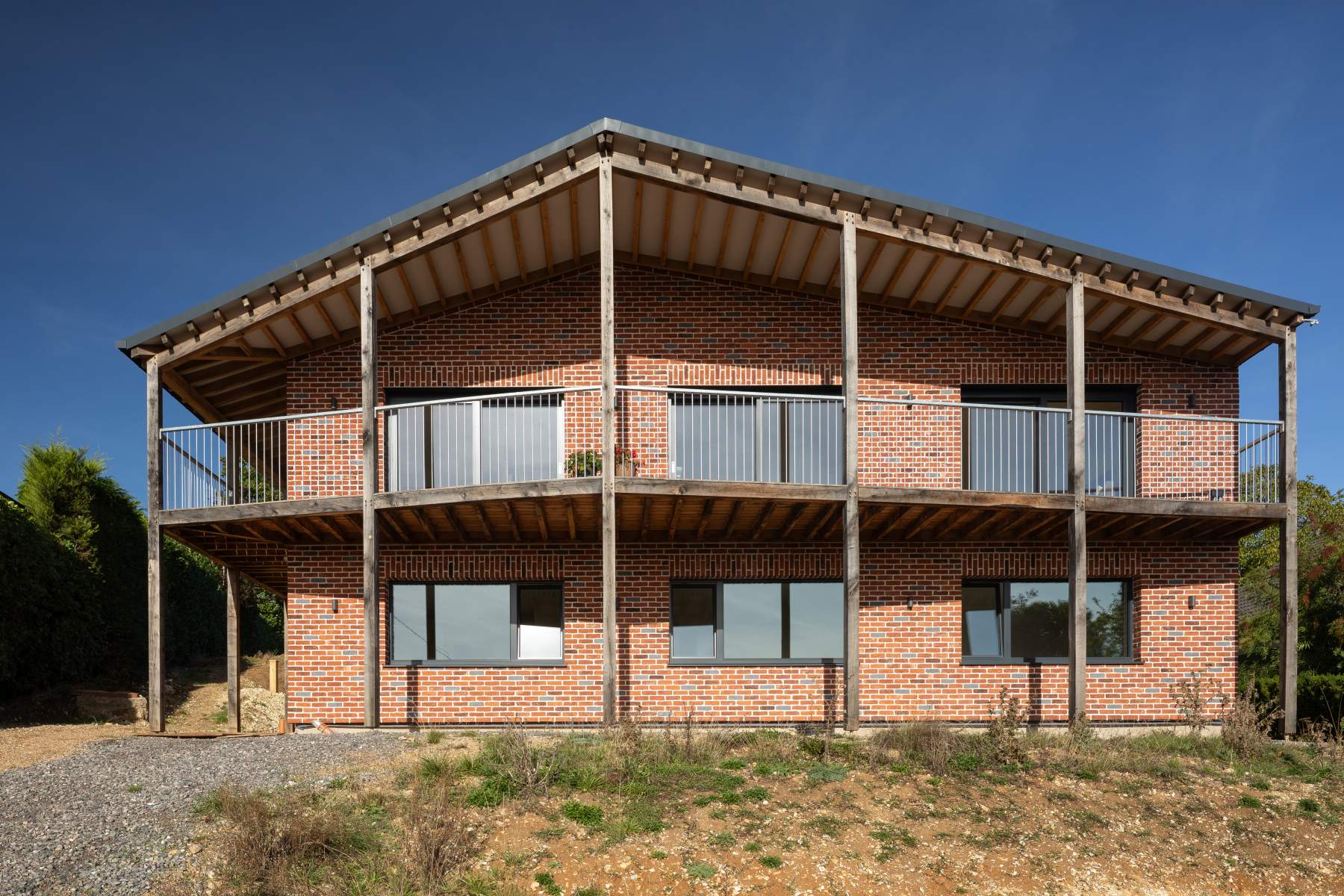
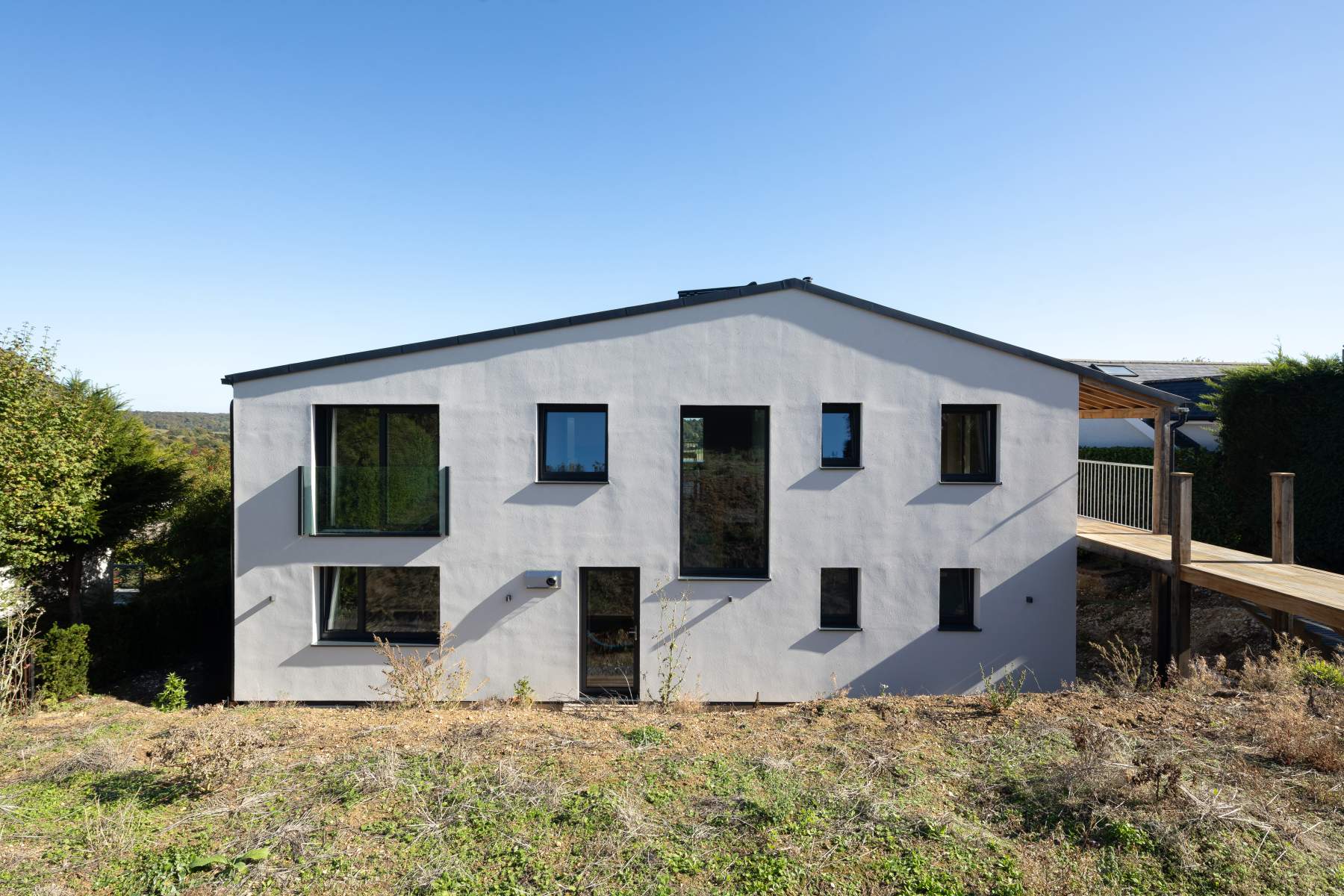
Haw Lane is a newbuild four-bedroom Passivhaus family home in High Wycombe, within the Chilterns Area of Outstanding Natural Beauty.
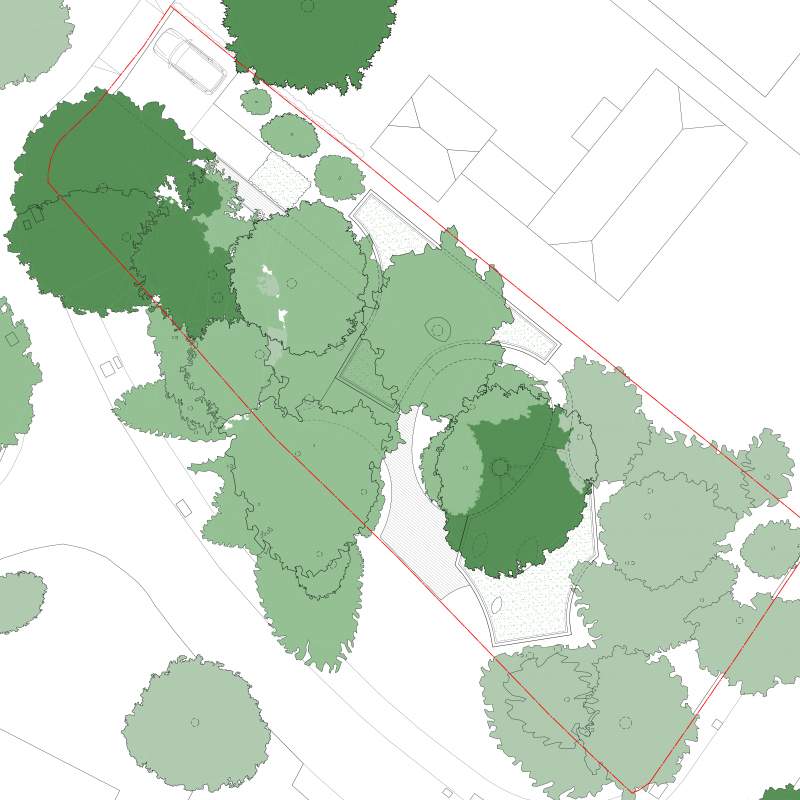
The house replaces a small, inefficient cottage on a steeply sloping site of around 1,350sqm. The challenge was to provide a generous contemporary family home while reducing its visual impact and responding carefully to the surrounding landscape.
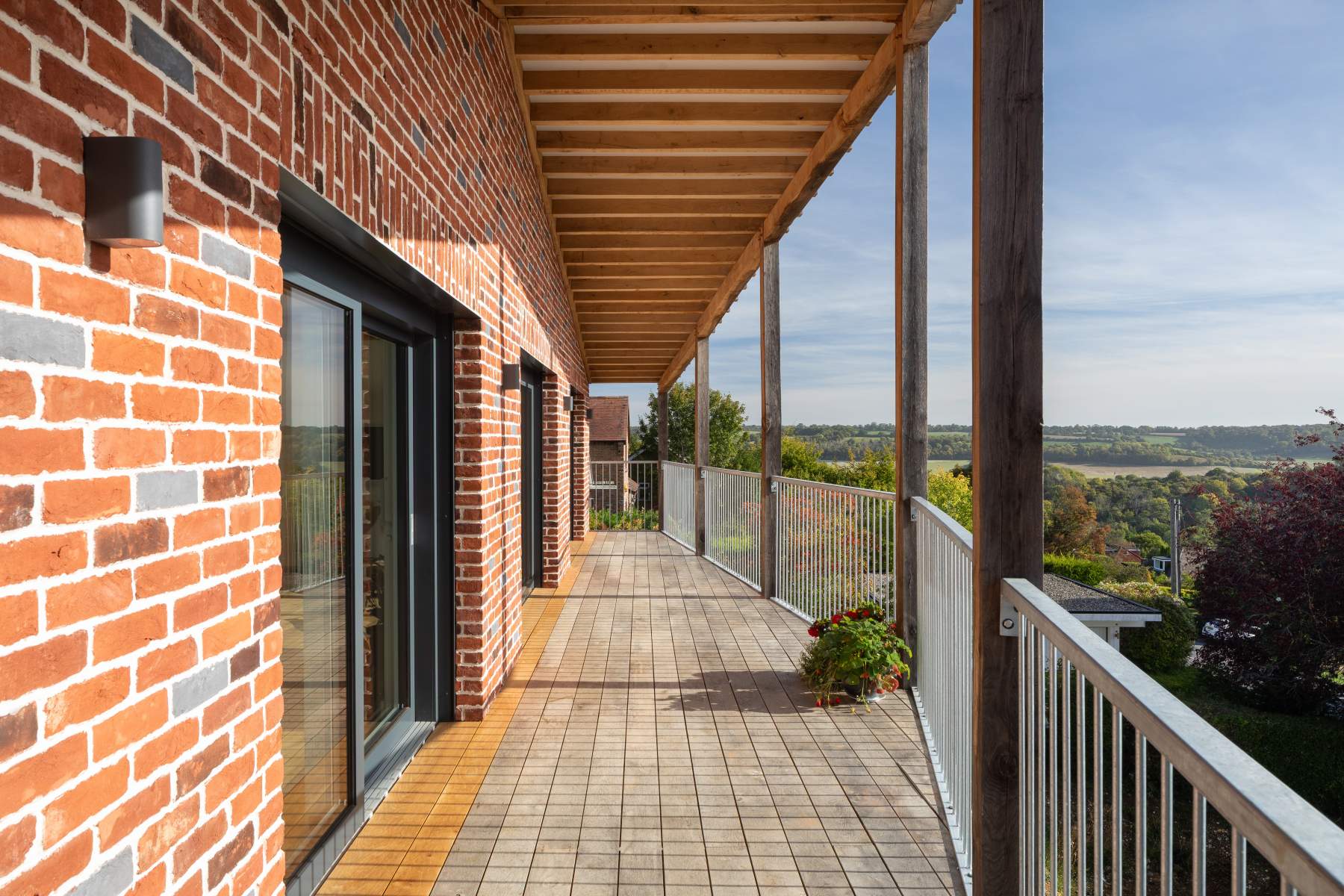
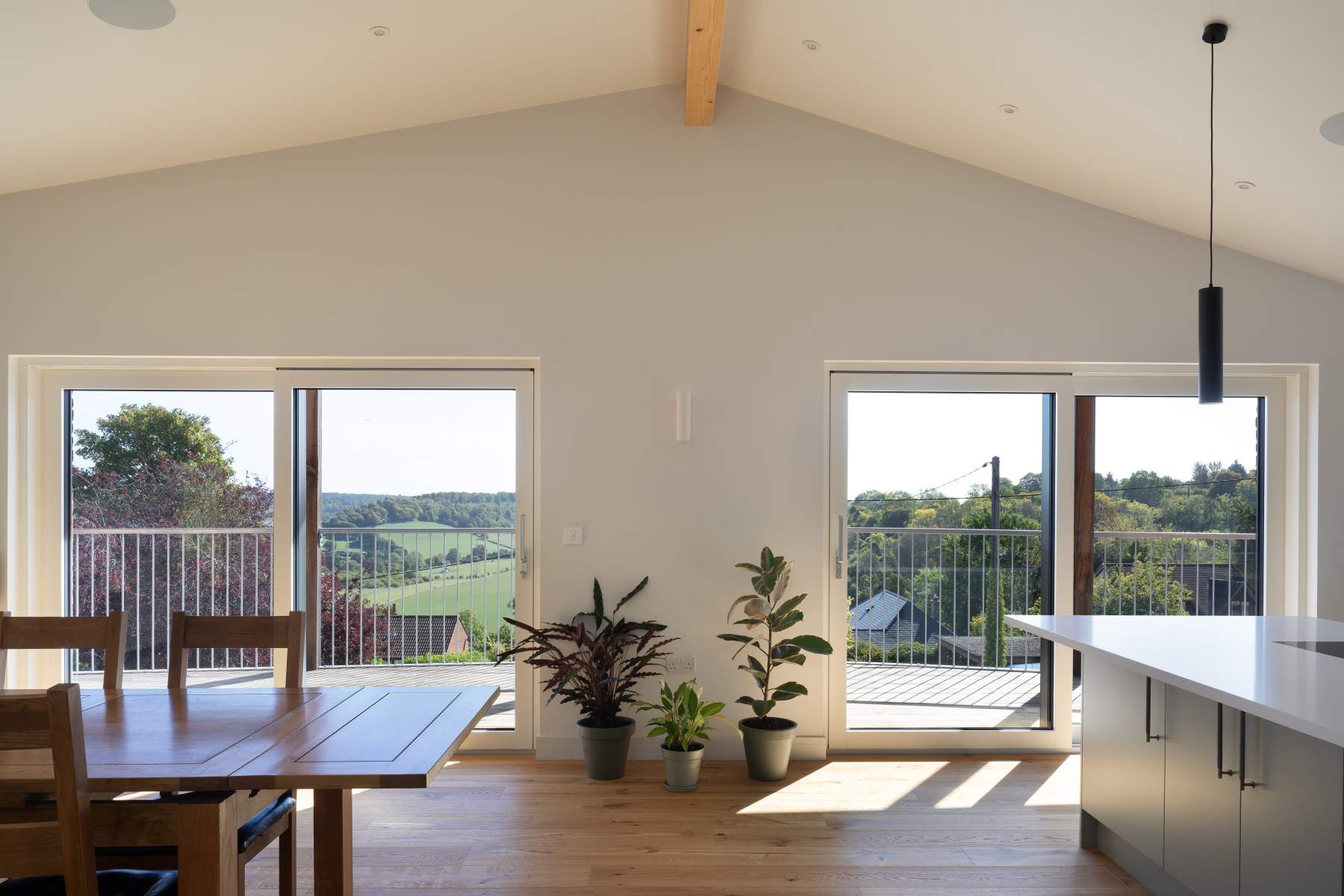
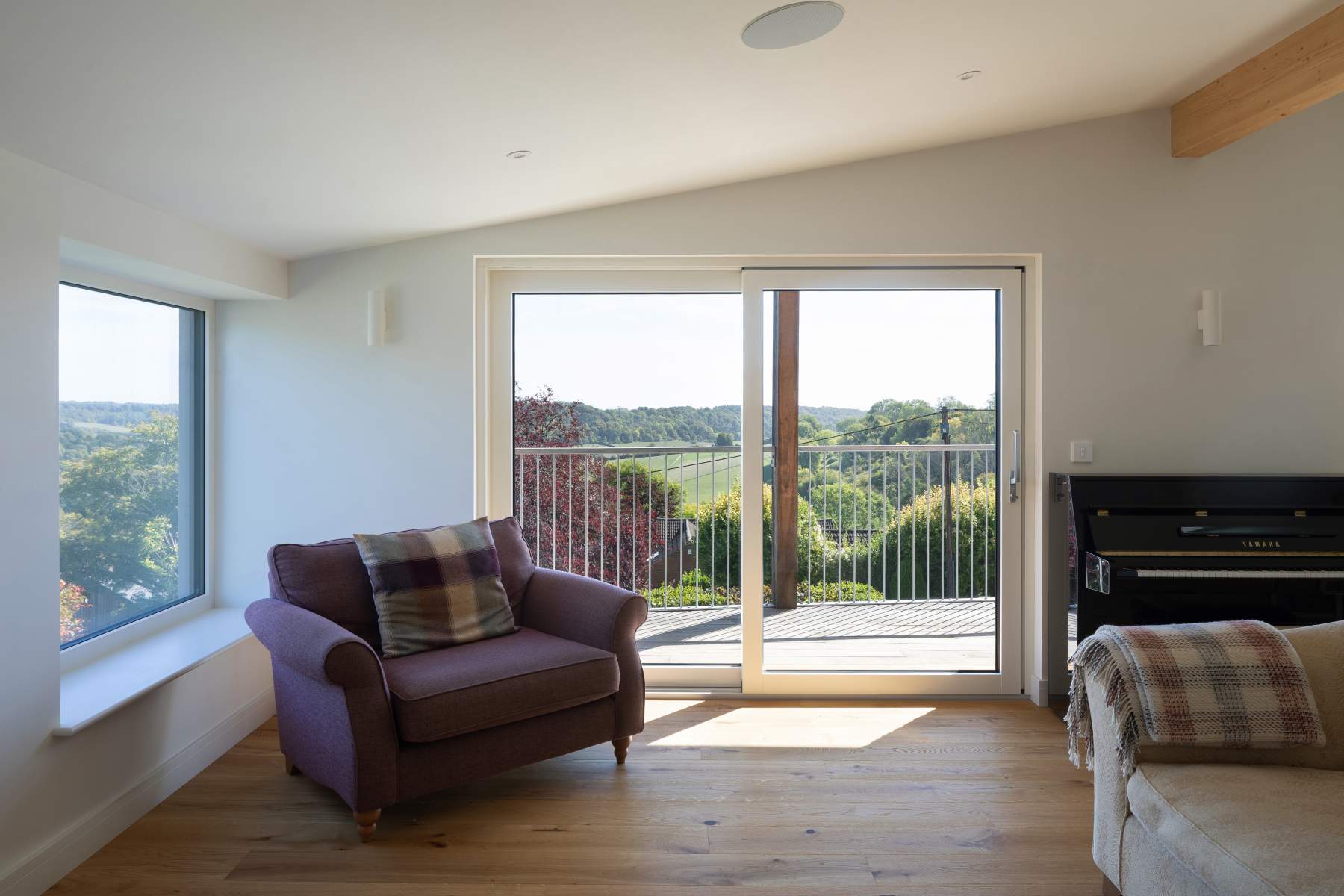
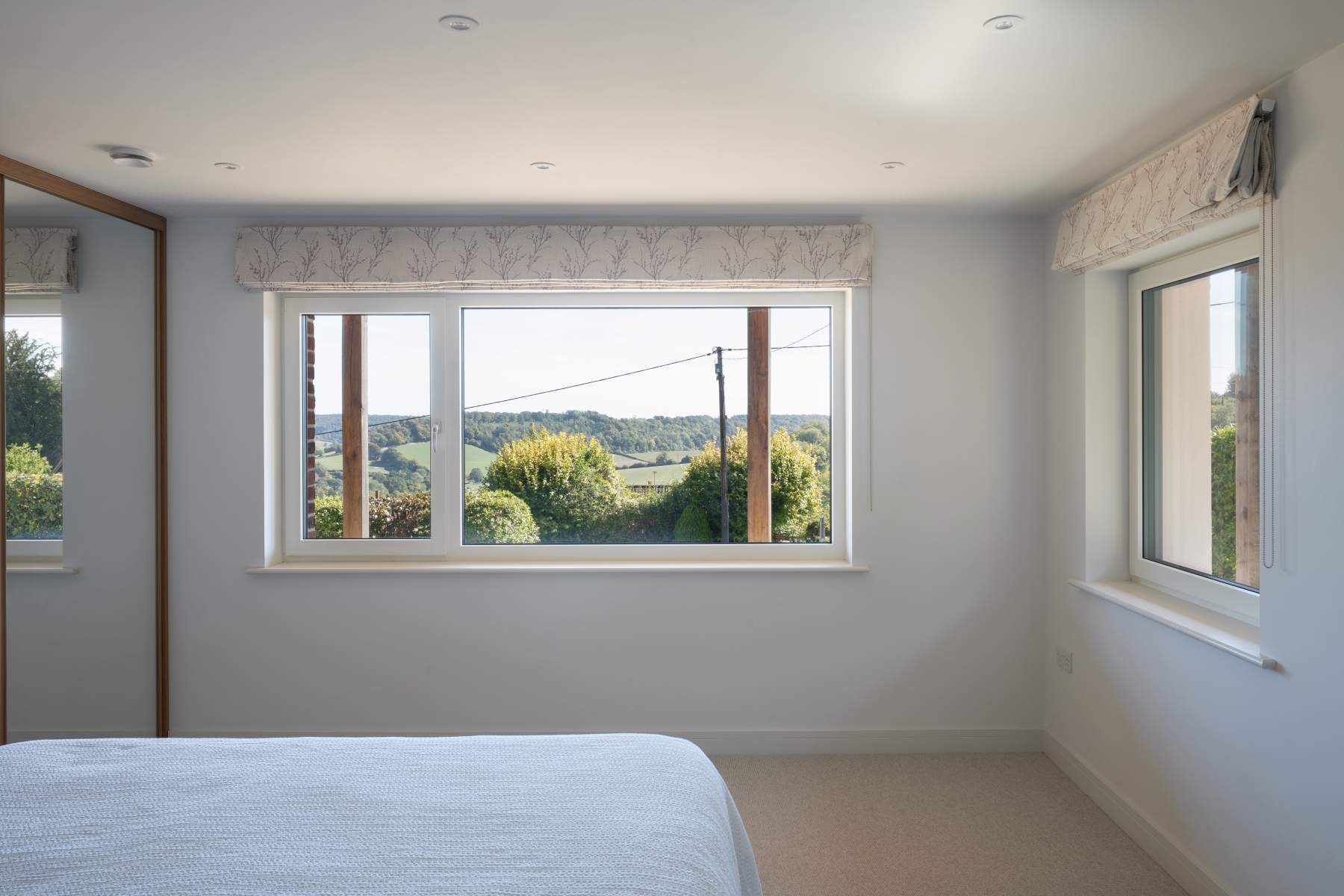
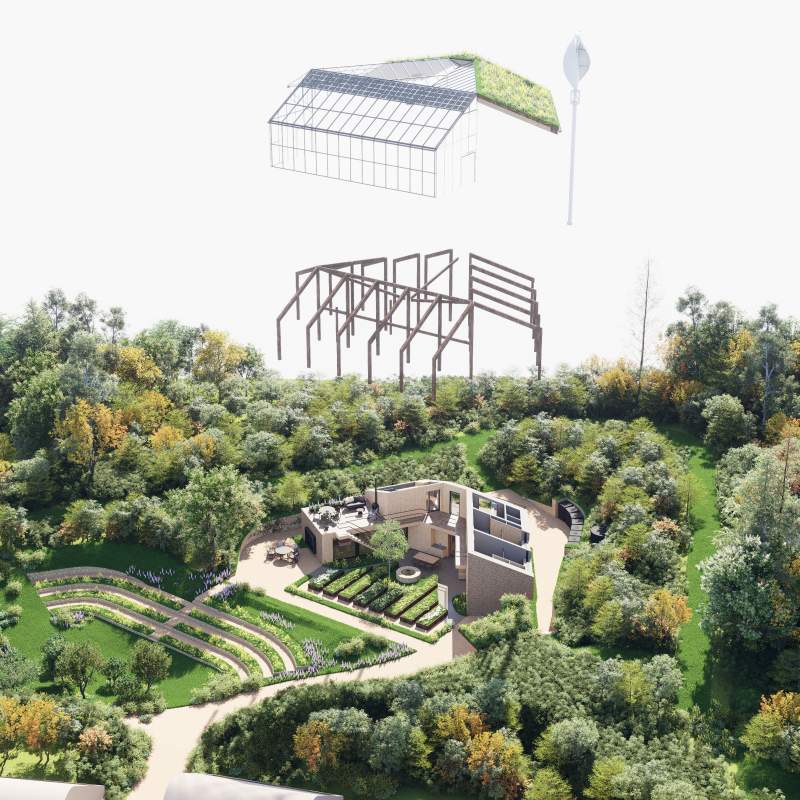
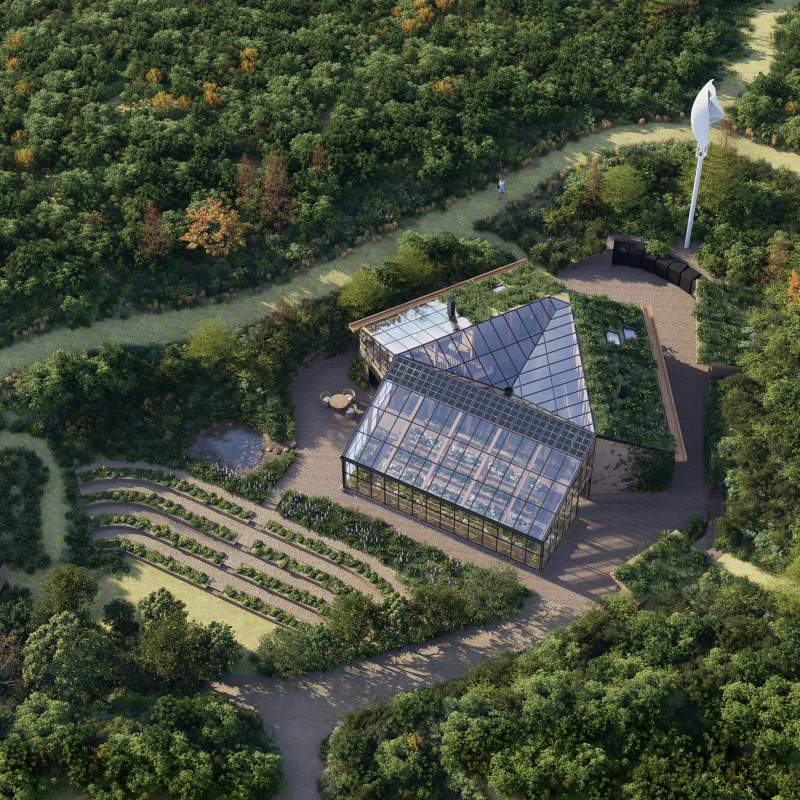
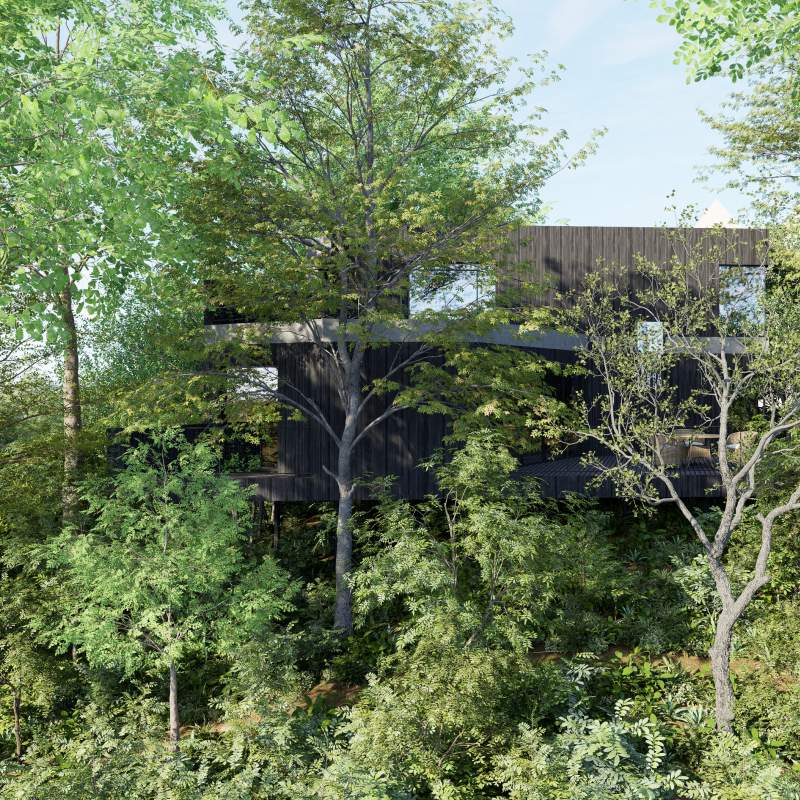
The site looks south-east across the Chiltern Hills. Rather than treating the slope as a constraint, the design works with the existing topography, using the changing levels to organise the house, its approach and its relationship with the garden.
The result is a calm, materially restrained home designed around daylight, views, comfort and very low energy demand.
Working with the site
The existing cottage occupied a constrained rural-edge site within a designated built-up area of the Green Belt. Replacing it provided an opportunity to improve both the quality of the accommodation and the environmental performance of the building.
The design was developed in response to the local planning context and the Chilterns Buildings Design Guide, with particular attention to scale, massing, materials and the relationship between the house and its surroundings.
Although the new house provides considerably more usable space, generous side gaps and careful positioning help retain a sense of openness across the site.
Arrival is from the upper part of the plot, making use of the existing driveway while introducing additional hardstanding. The building then follows the natural fall of the site, allowing the landscape to remain an important part of the experience of the house.
A house organised around light and landscape
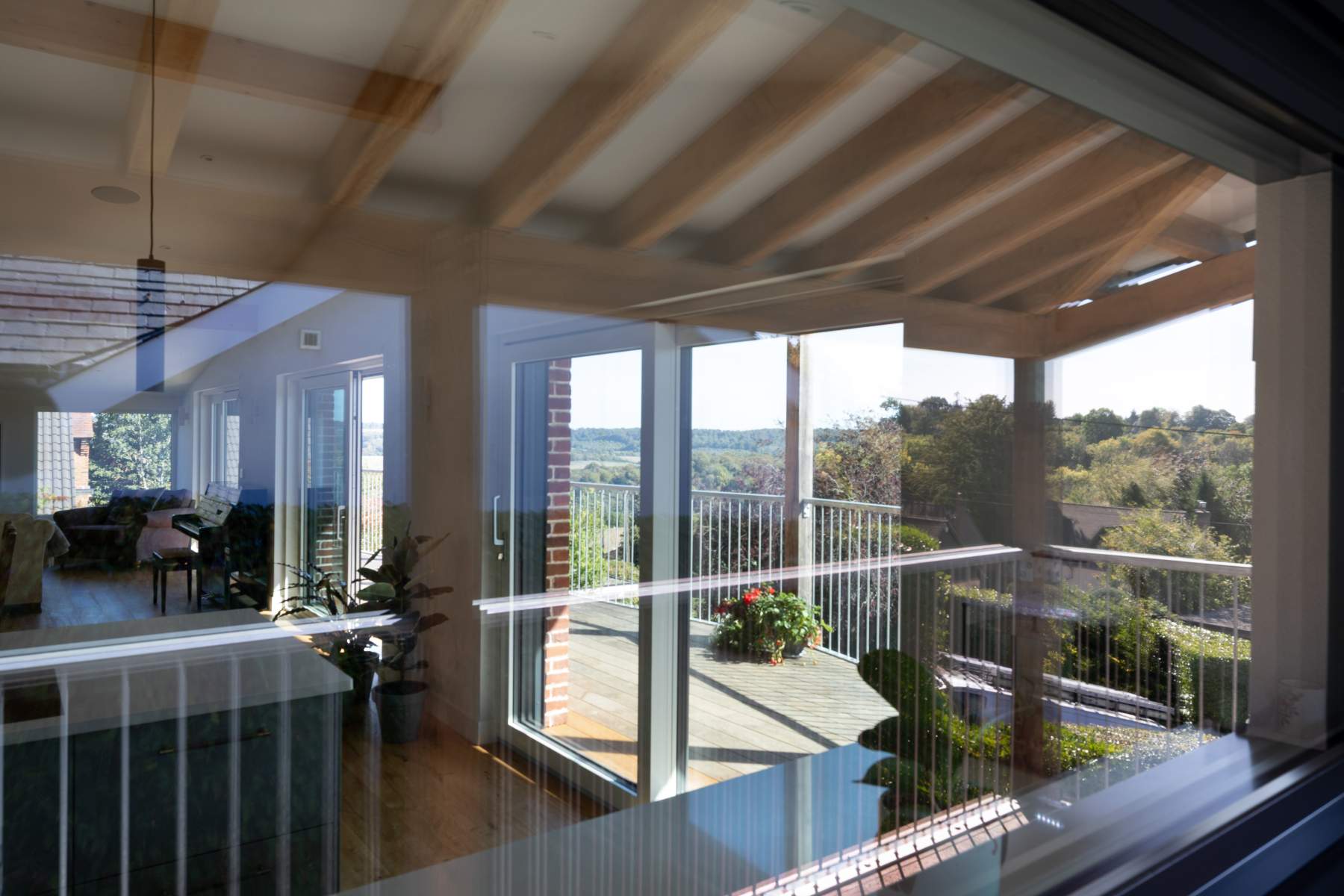
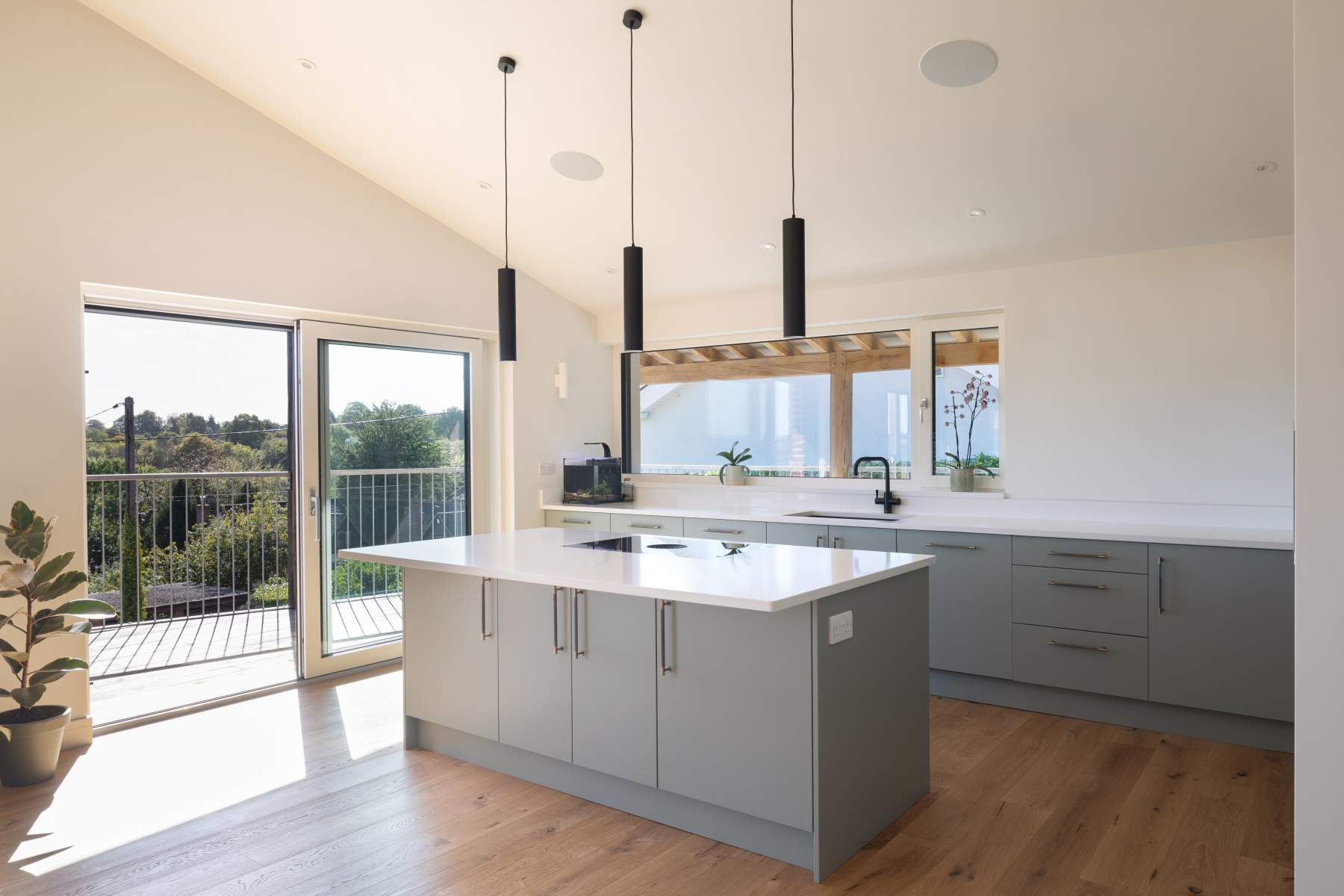
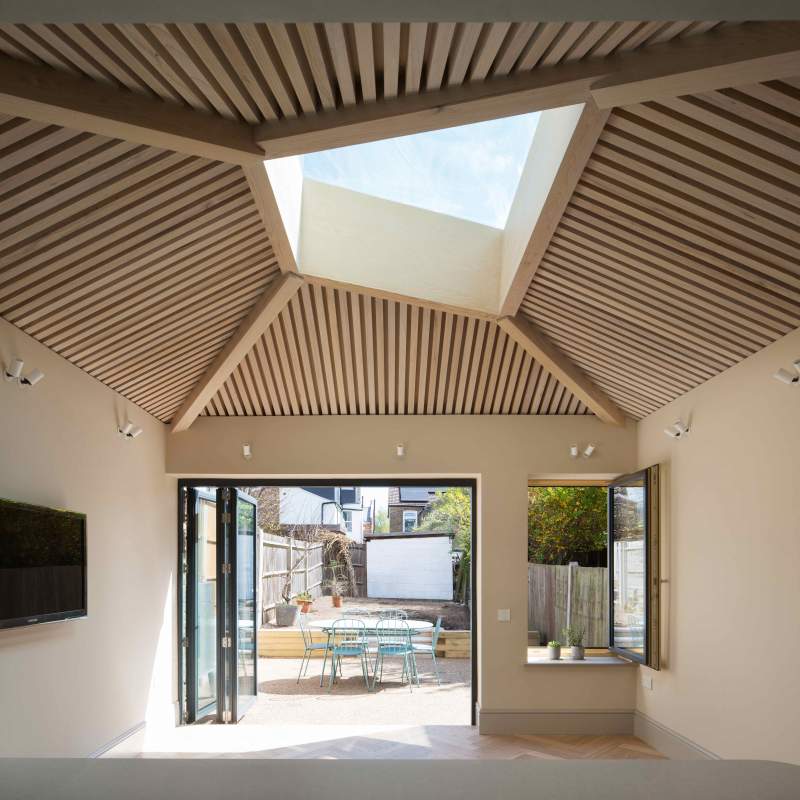
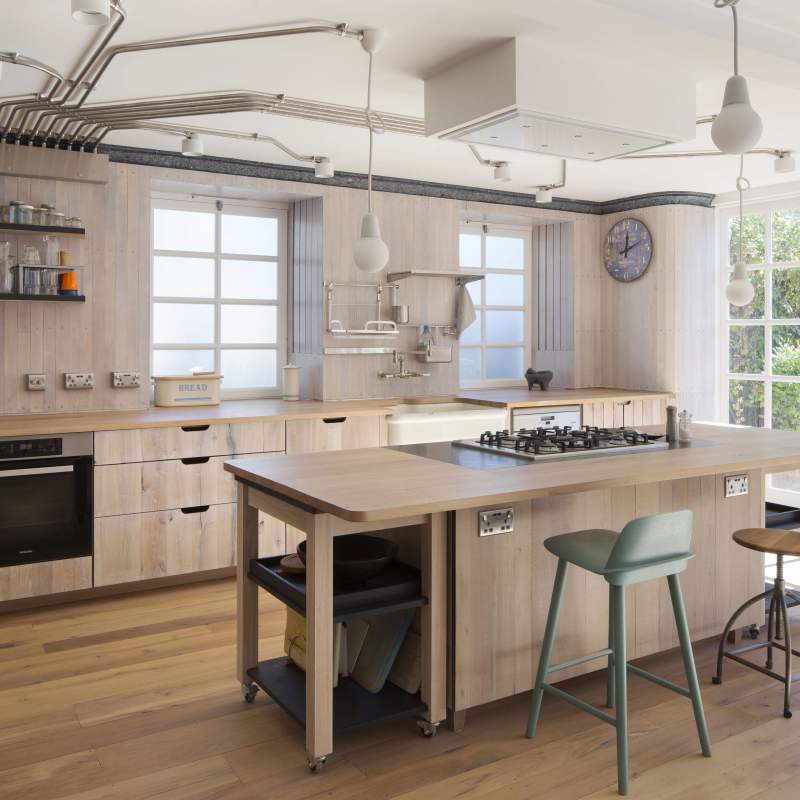
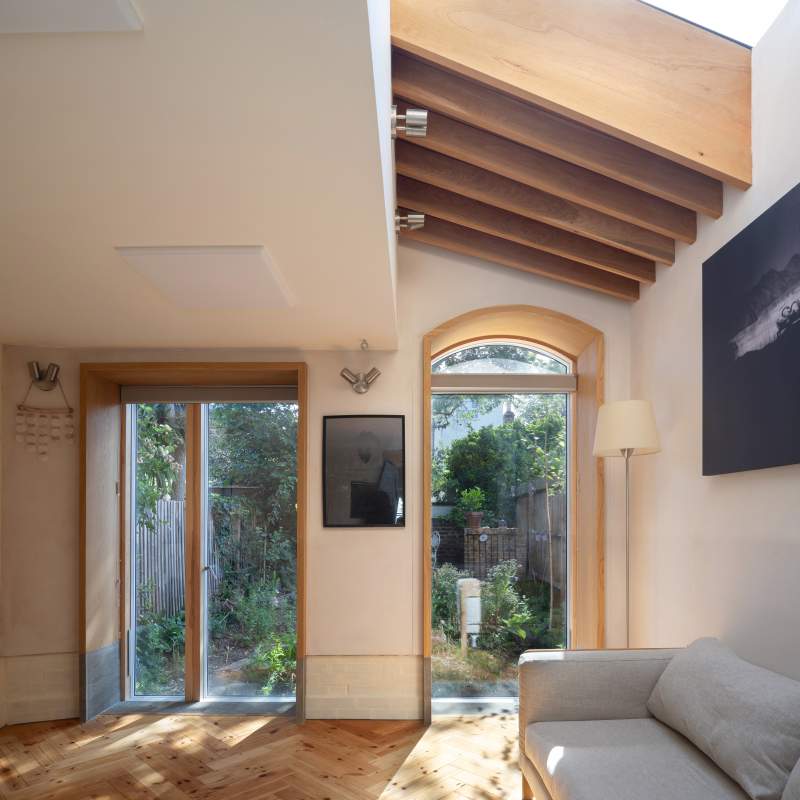
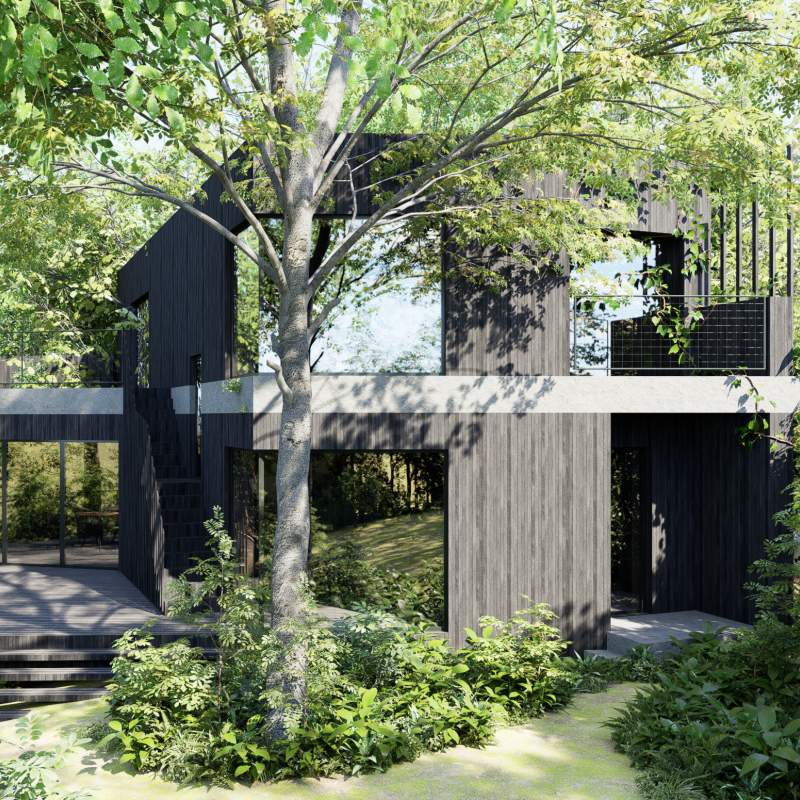
The main living spaces are arranged along the south-east elevation, bringing together kitchen, dining and living areas with views across the Chiltern landscape.
A separate snug provides a quieter space within the home, while a dedicated services area accommodates the utility, laundry and secondary access. A draught lobby and central stair help organise movement through the house.
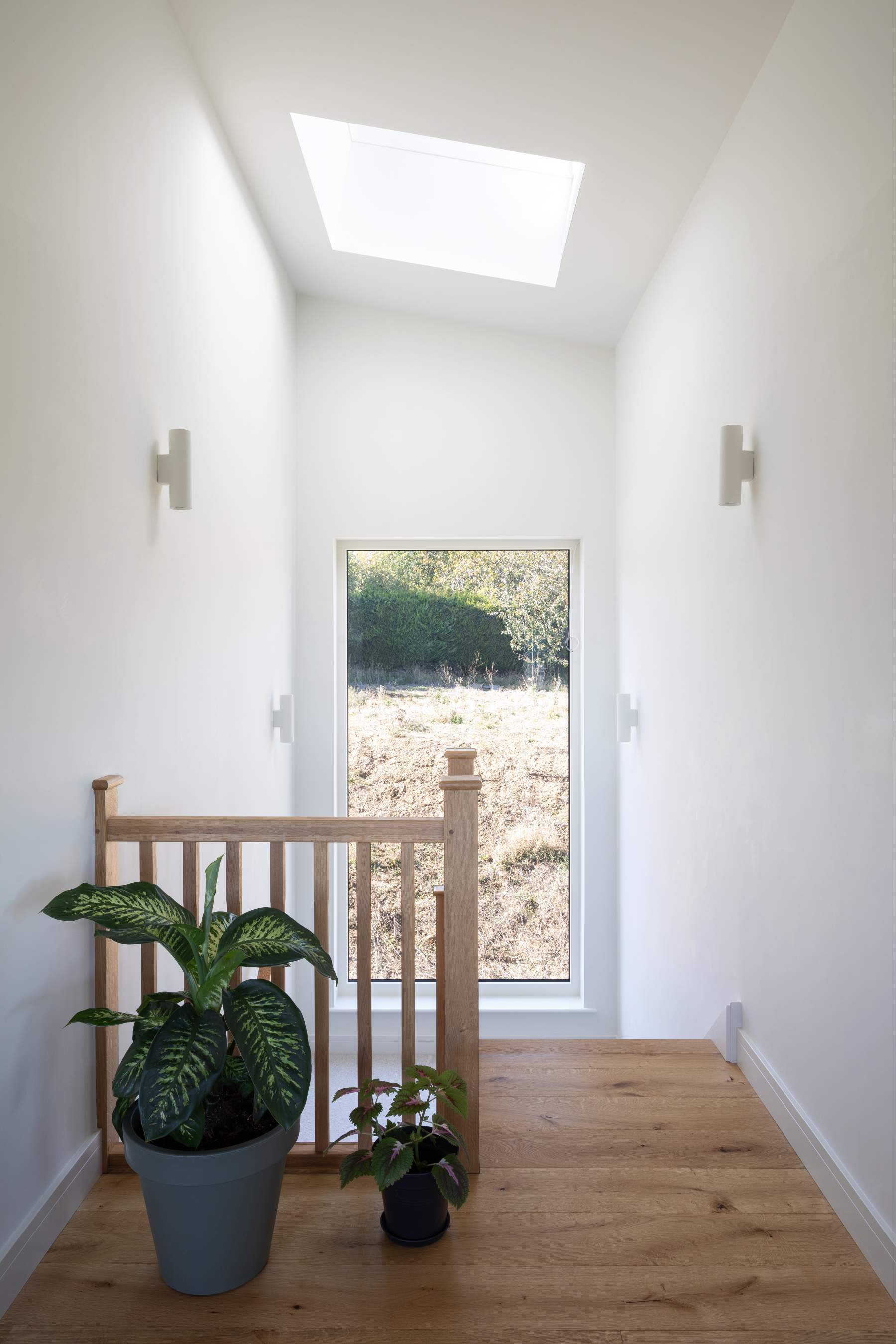
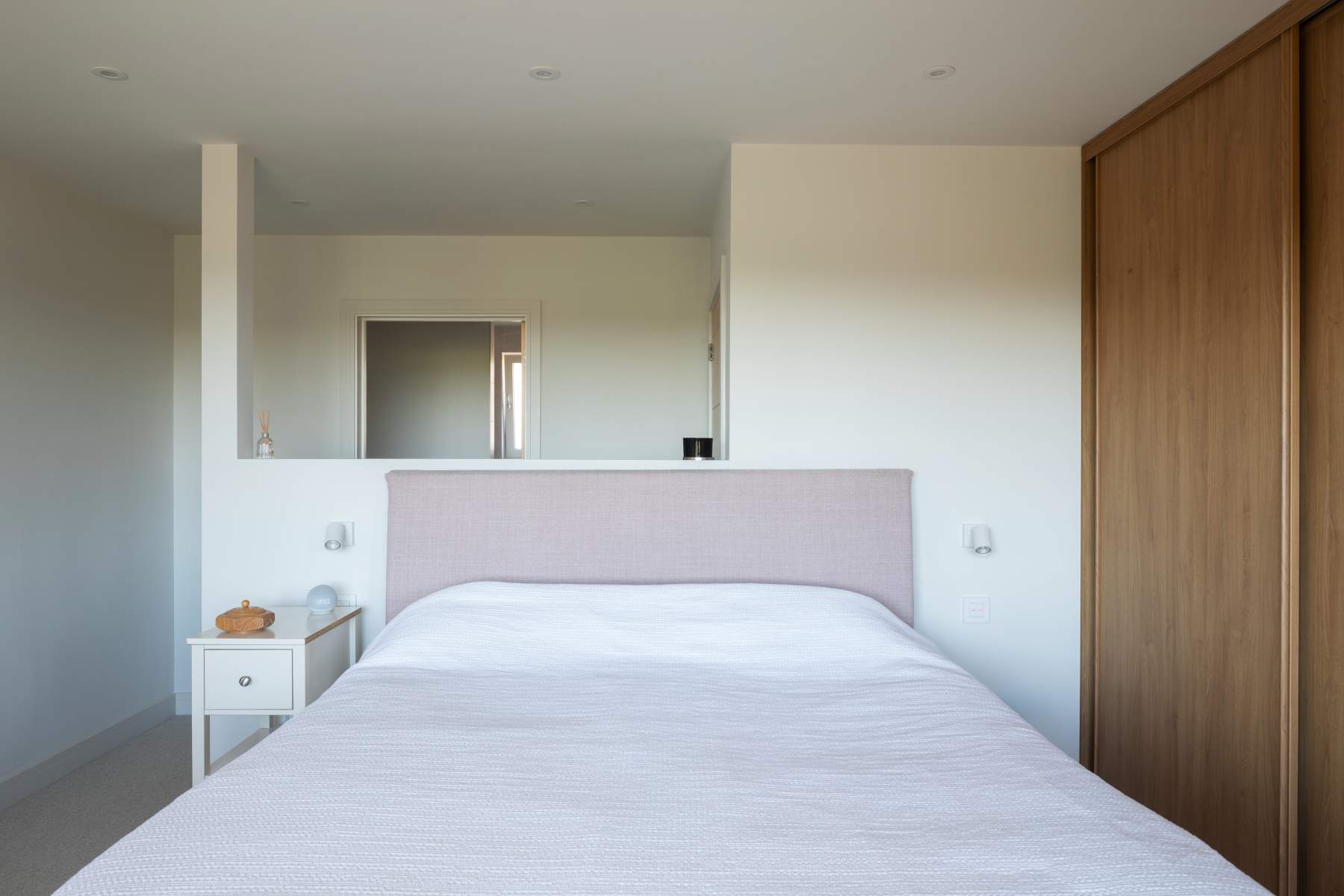
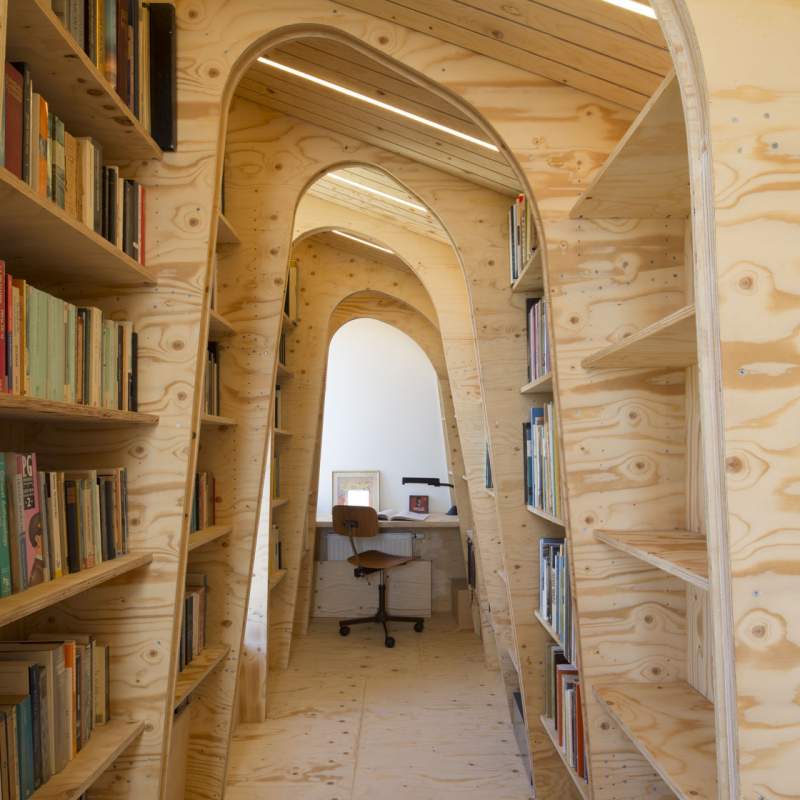
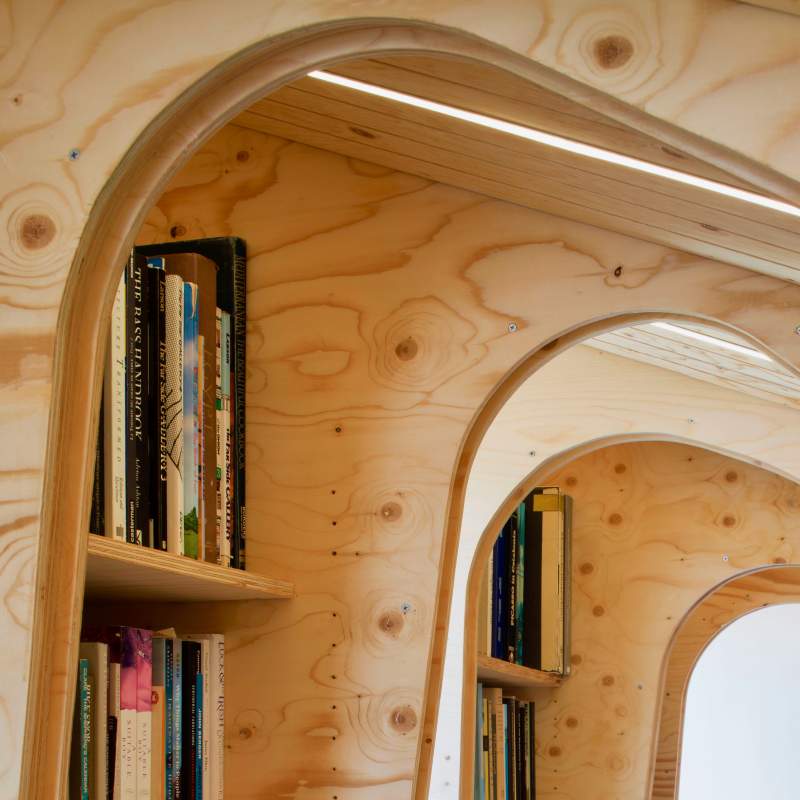
Upstairs, four bedrooms are arranged alongside a flexible additional room that can be used as a study or guest room. The circulation spaces are deliberately more than simply routes between rooms, using changes in volume and daylight to create a stronger sense of connection between the interior and the landscape beyond.
Passivhaus by design
The house has been designed and delivered to Passivhaus standard.
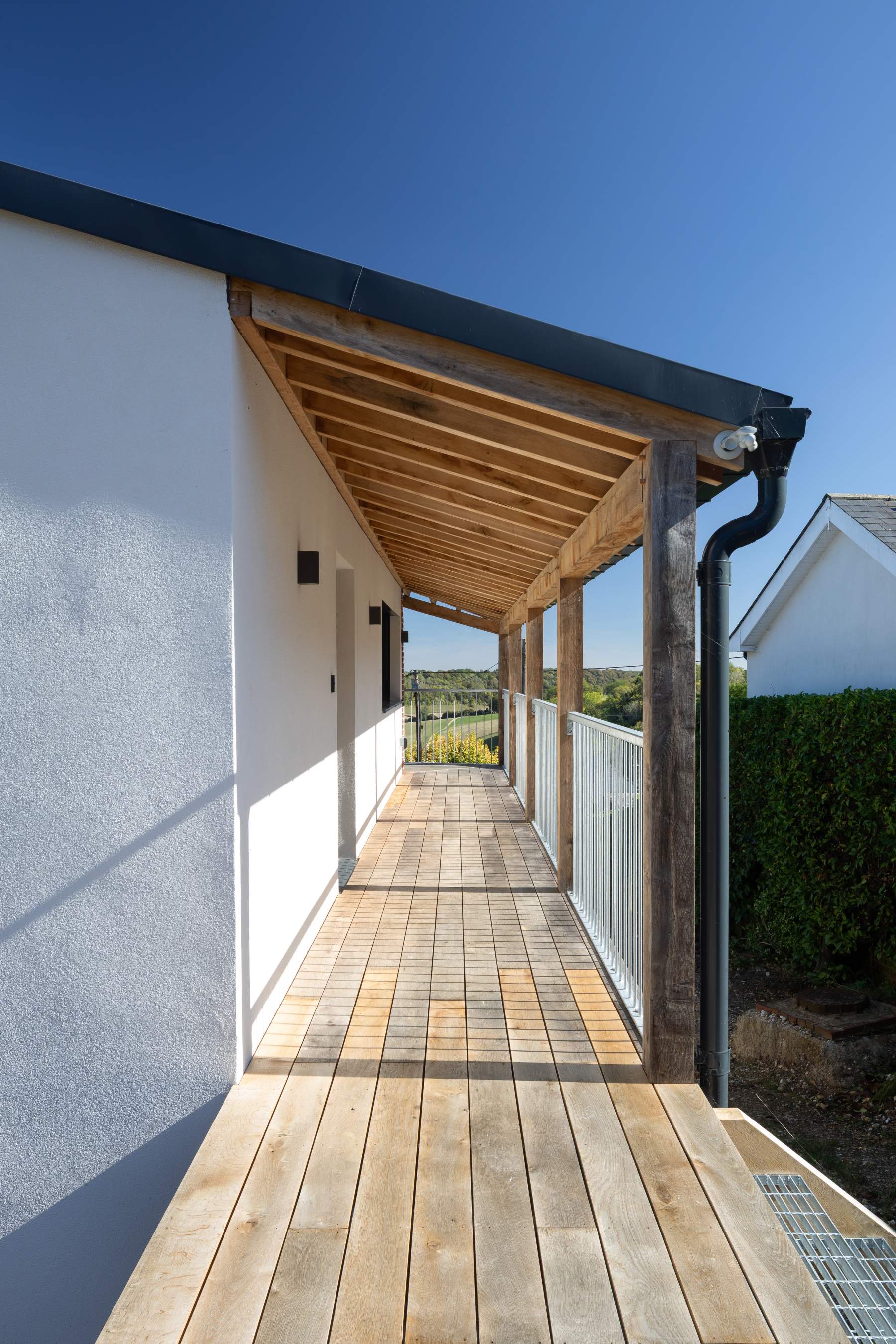
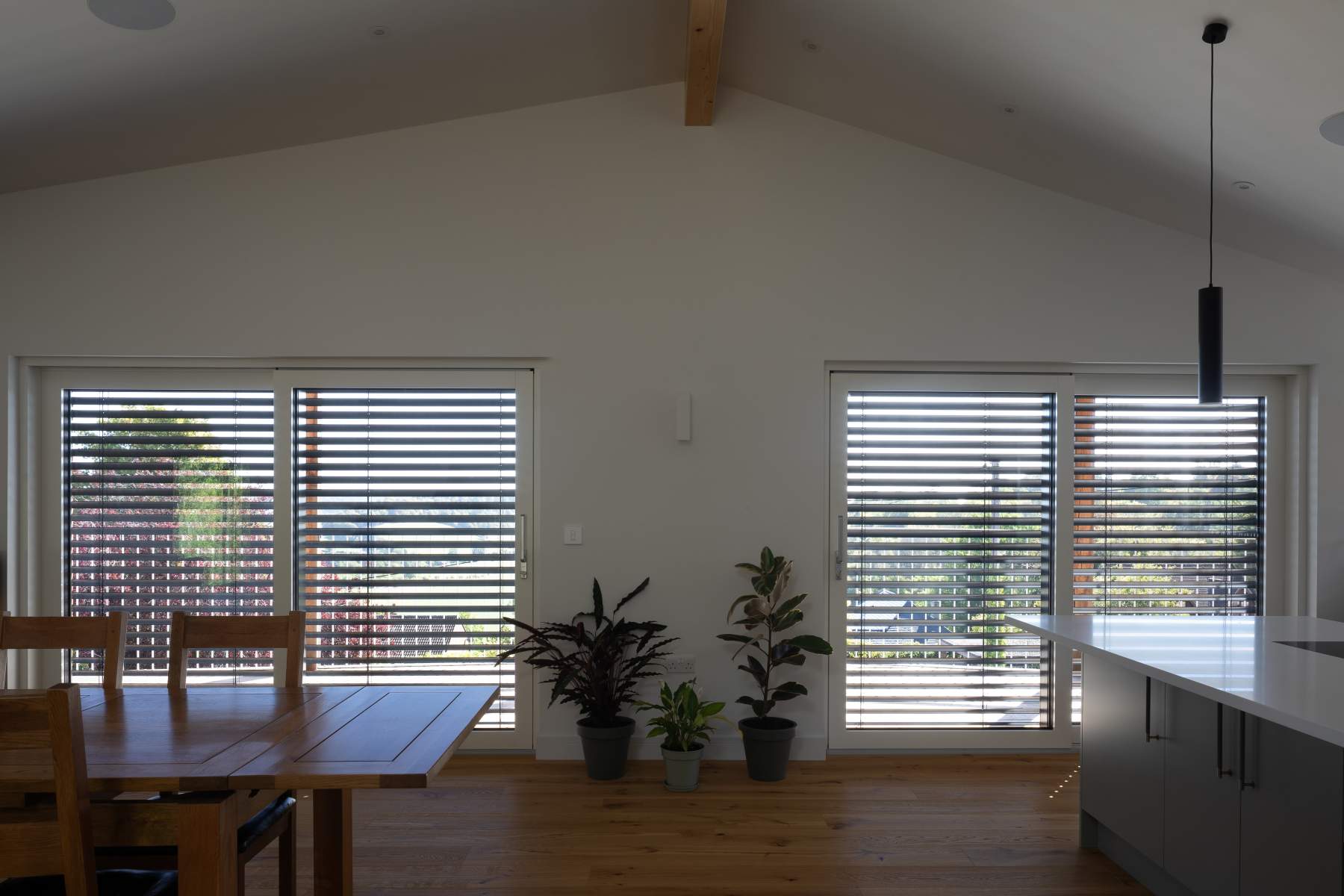
A highly insulated and airtight building envelope reduces heat loss, while high-performance glazing allows daylight and useful solar gain without compromising summer comfort. External shading is integrated into the design to help control overheating.
Mechanical ventilation with heat recovery provides a continuous supply of fresh, filtered air while recovering heat from extracted air.
The result is a home that requires very little energy for heating and maintains a stable internal environment throughout the year. Passivhaus brings together orientation, form, insulation, airtightness, glazing, shading and ventilation as one connected system.
Materials that belong to the setting
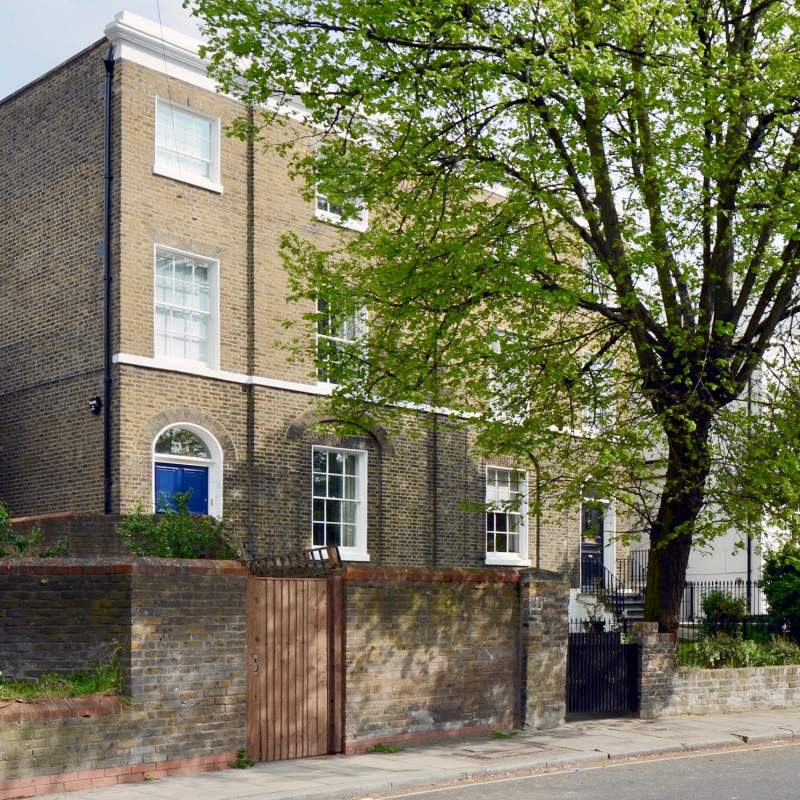
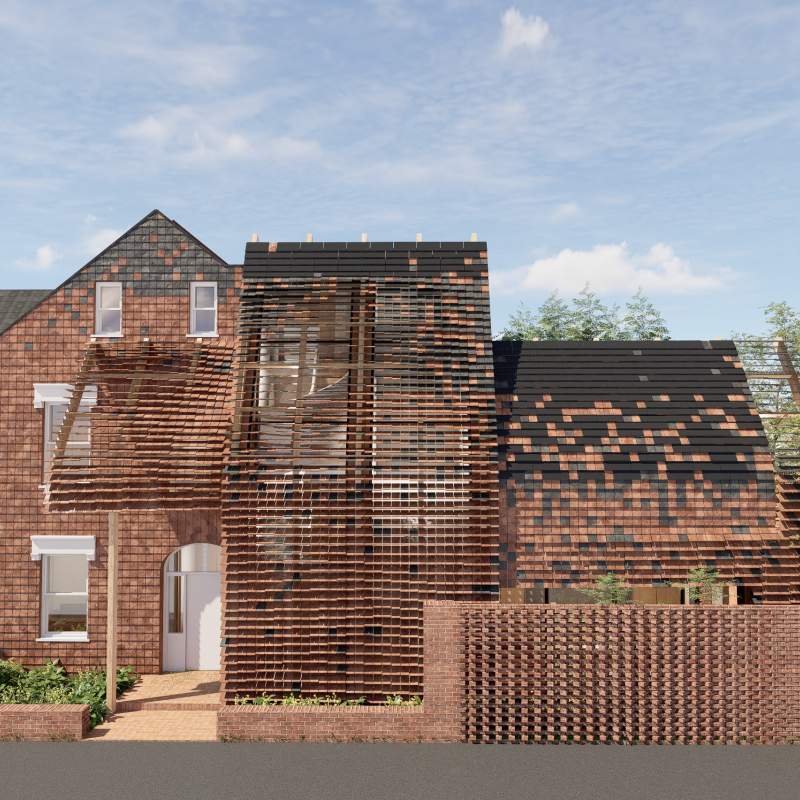
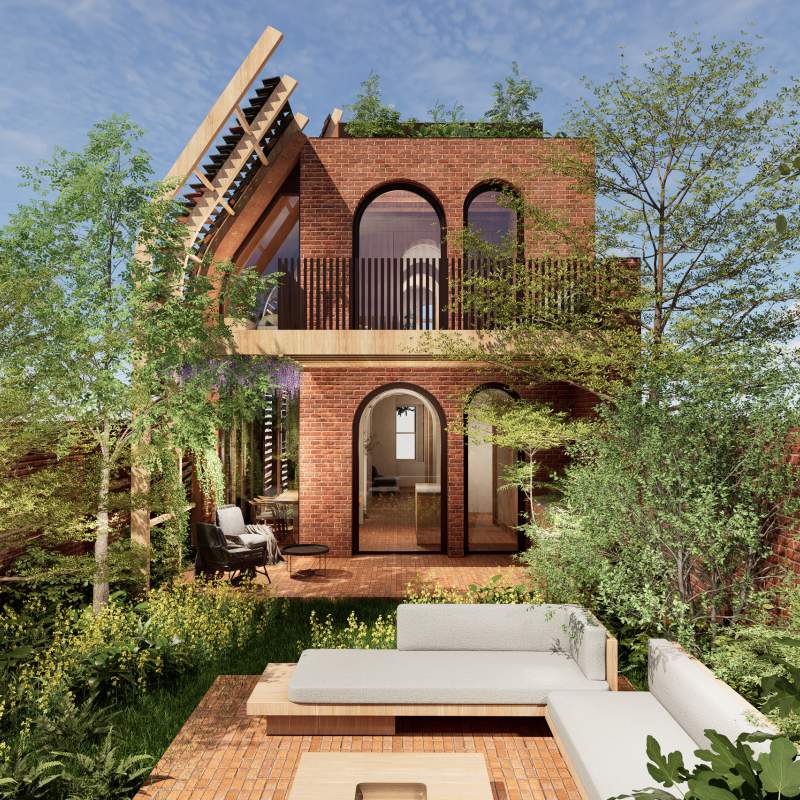
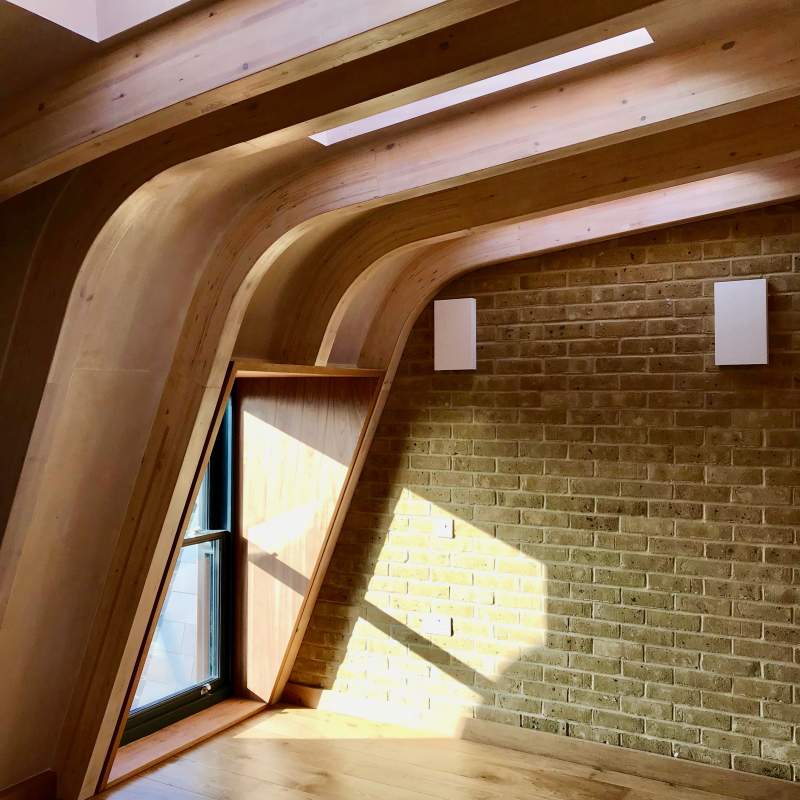
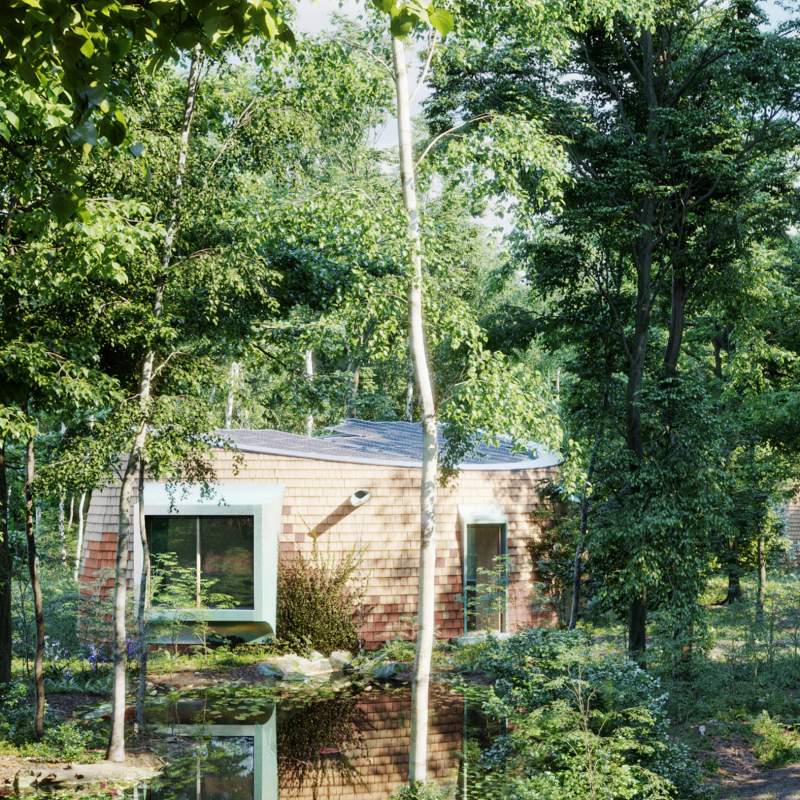
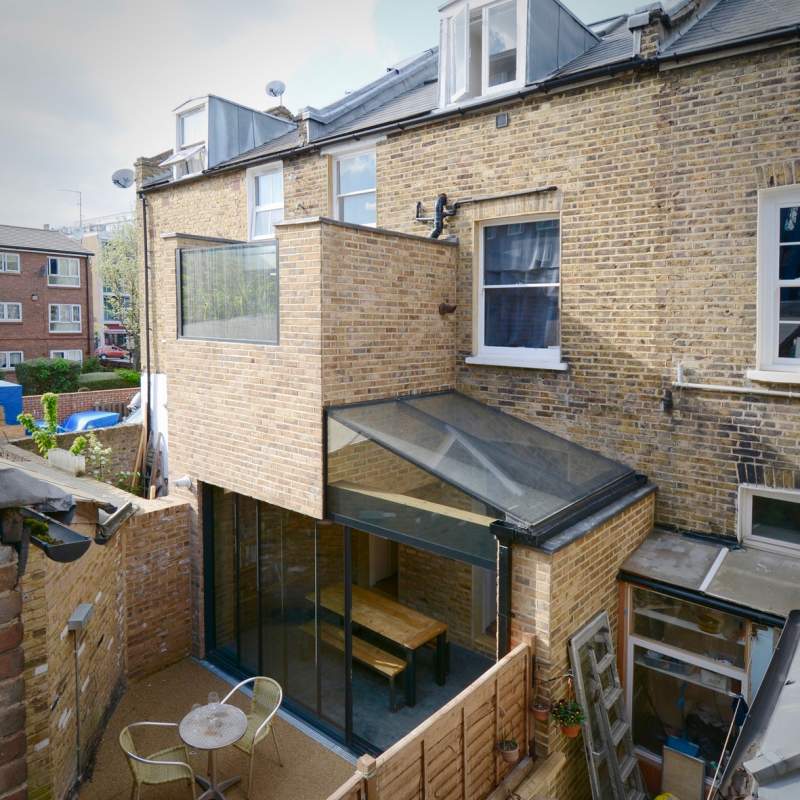
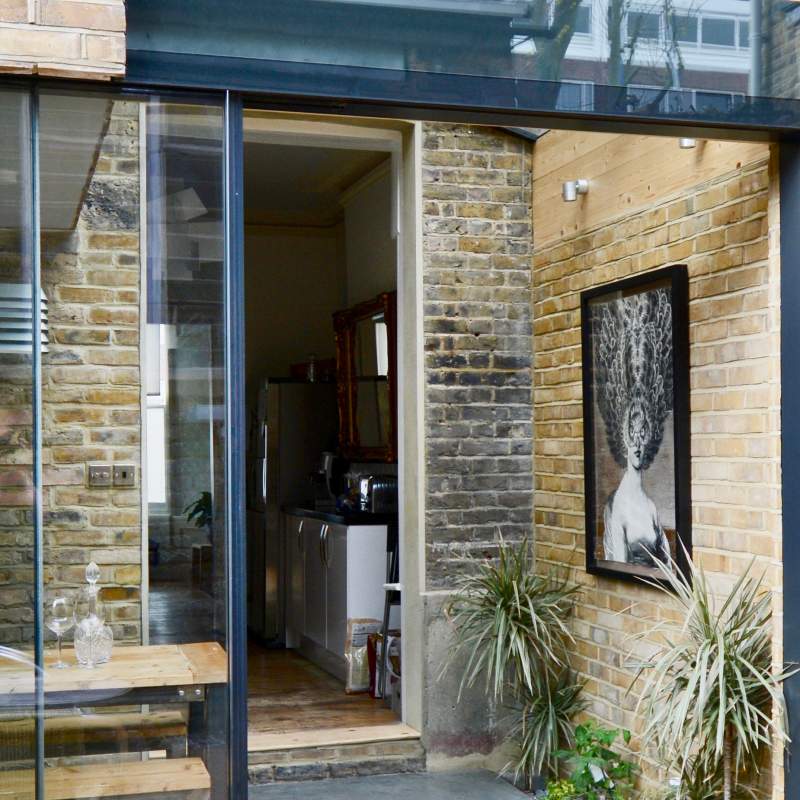
The external material palette is deliberately restrained. Brick was chosen for its durability, low maintenance and relationship to the local character of the Chilterns. Rather than applying render or additional finishes, the building allows the material and construction to remain legible.
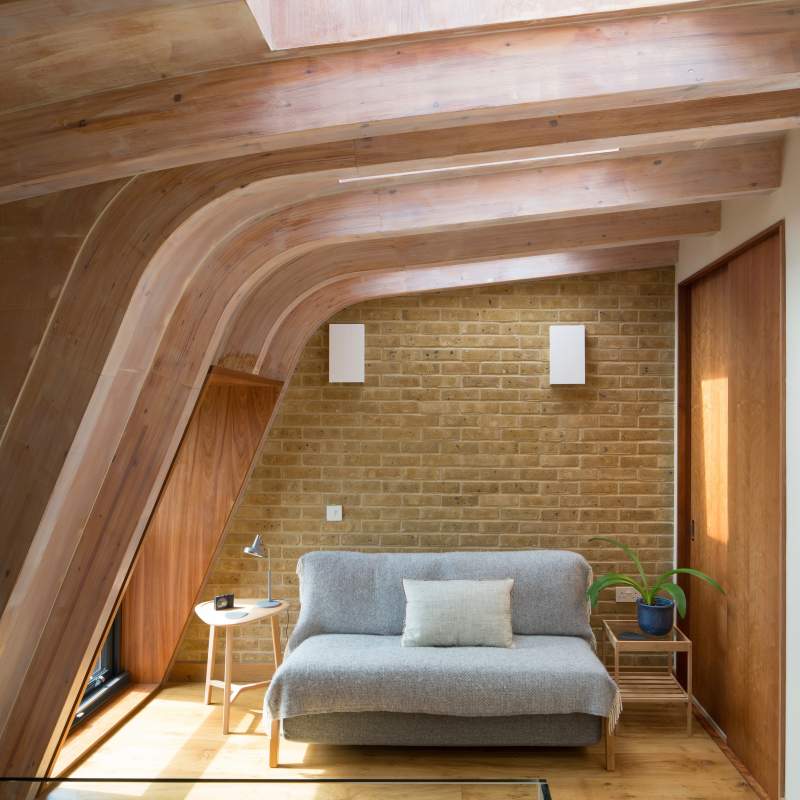
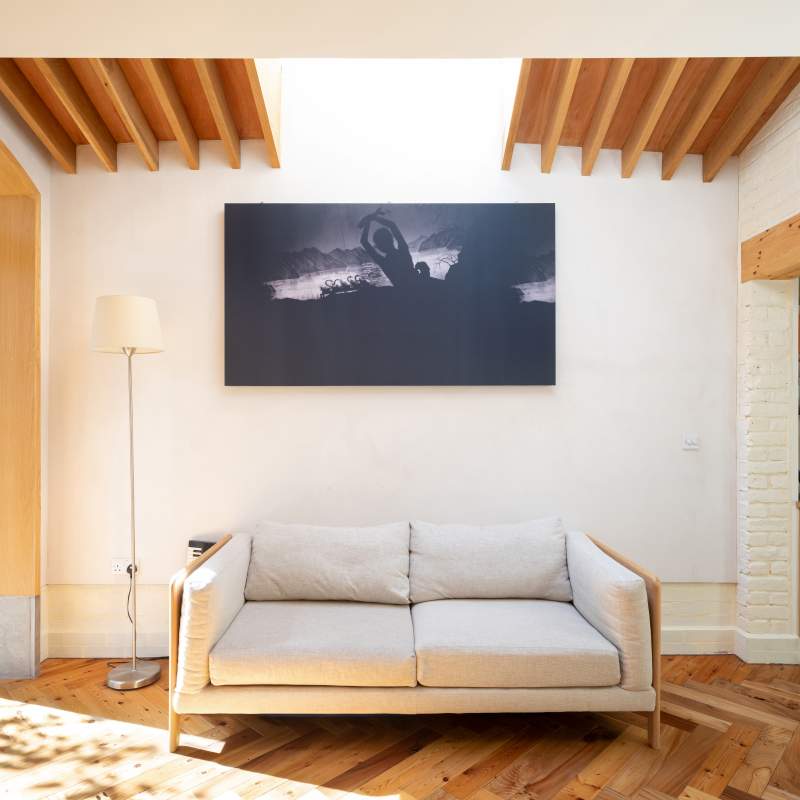
This simplicity continues internally, where the architecture is intended to provide a calm background to family life and the changing landscape beyond.
Landscape and biodiversity
The landscape design is closely tied to the architecture.
The front garden has been replanted with native, wildlife-supporting species, helping to soften the transition between the house and the street while providing habitat for insects and birds.
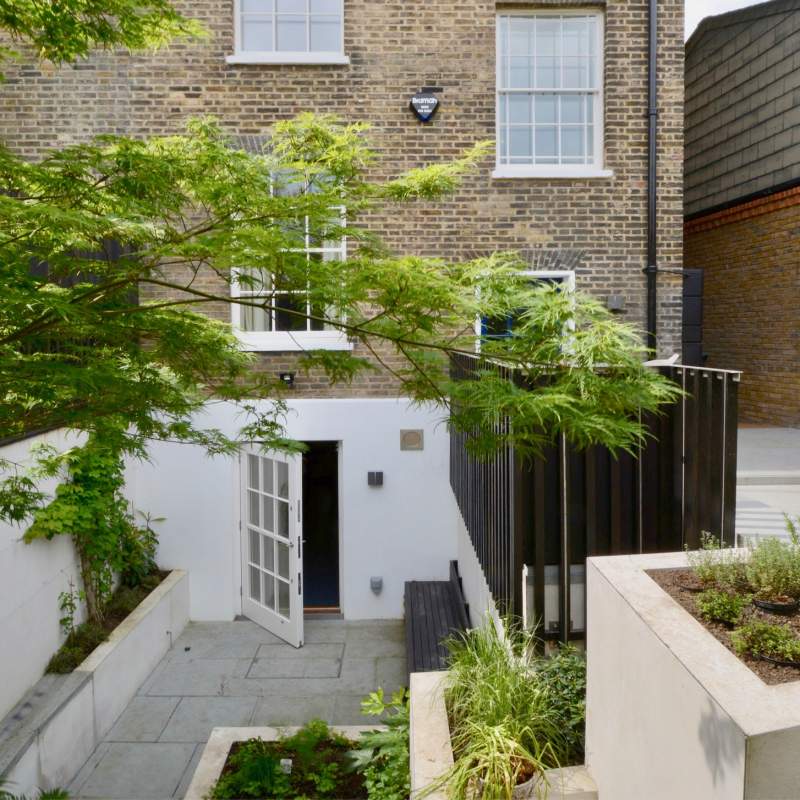
At the rear, the existing character of the garden has been retained as a simple orchard lawn. A small side patio provides a sheltered outdoor space connected to the main living areas.
The aim is not to create a highly manicured garden, but to allow the landscape to change naturally through the seasons and to strengthen the ecological value of the site.
Location: High Wycombe, Buckinghamshire, within the Chilterns Area of Outstanding Natural Beauty
Property: Four-bedroom Passivhaus family home
Status: Completed January 2026
Architect: Arboreal Architecture
Collaboration: Wilkinson Passiv Homes
Testimonials
"We couldn't be happier with our new-build Passivhaus and would recommend Arboreal without hesitation. We spoke to five other architects before choosing Tom and the team, but Arboreal stood out for their exceptional technical expertise, creative design ideas and genuinely personal approach.
Throughout the project they didn't just design us a beautiful home – they challenged our thinking, helped us understand what was possible and guided us through the principles of Passivhaus. They took the time to explain not only how the house would perform, but also how to live in it to get the very best from it.
That advice has proved invaluable. In particular, their guidance on managing solar gain has paid dividends during successive summer heatwaves, and the house remains remarkably comfortable in all seasons while using very little energy.
The end result is a beautiful forever home that sits perfectly in its landscape, makes the most of the views, and feels incredibly calm, peaceful and comfortable to live in.
If you're looking for an architect with outstanding low-energy and Passivhaus expertise, combined with creativity and genuine care for their clients, we can wholeheartedly recommend Arboreal.
Thank you, Tom and the whole team."