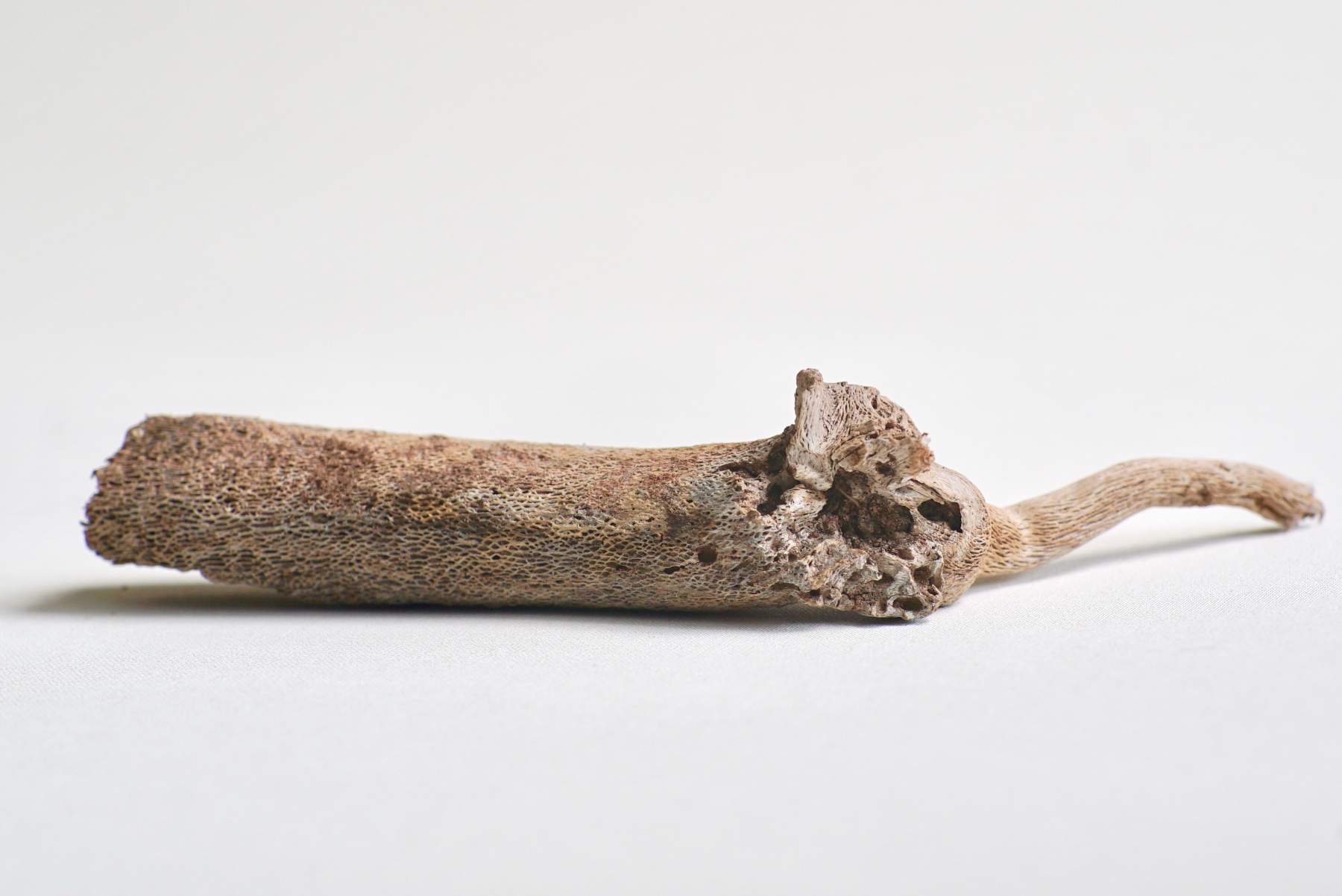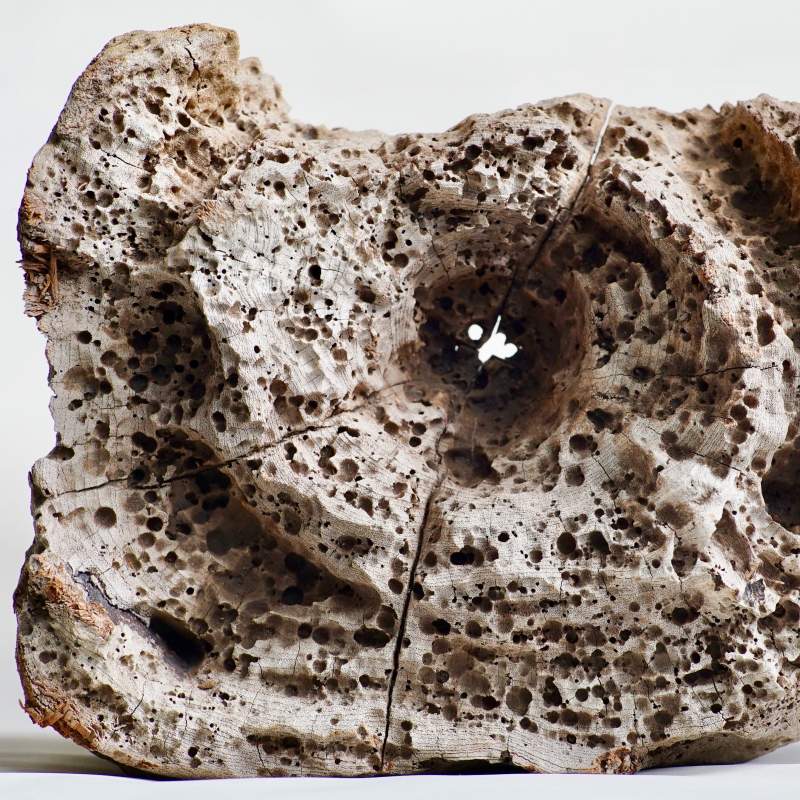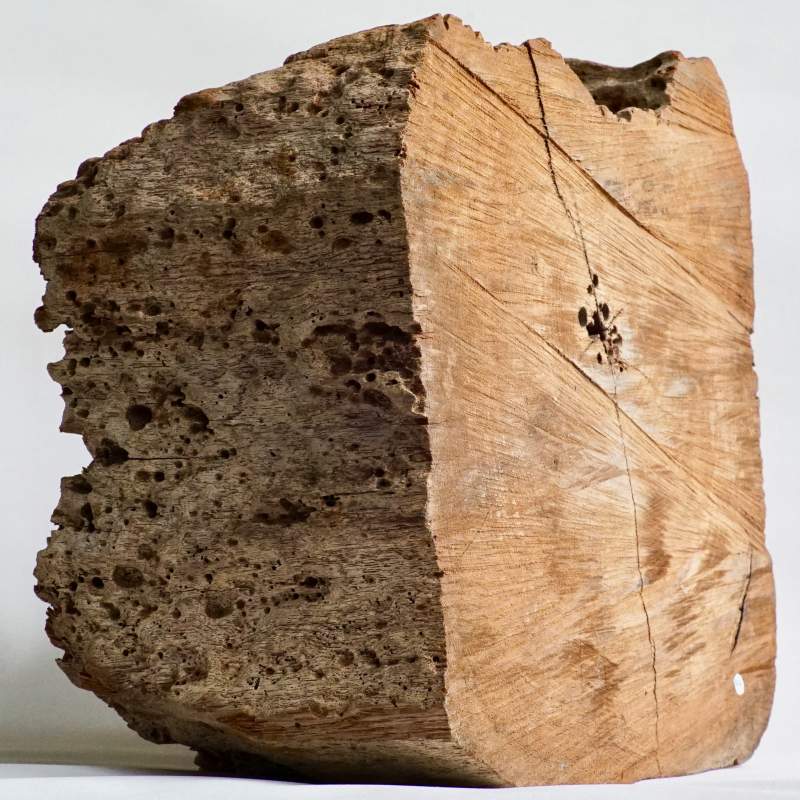
Polypore fungi in oak
Polypore fungi, often called bracket fungi or shelf fungi, are some of the most visible organisms we’ll find on deadwood. If you’ve spotted a tough, shelf-like growth projecting from a fallen trunk or old stump, you’re almost certainly looking at one.
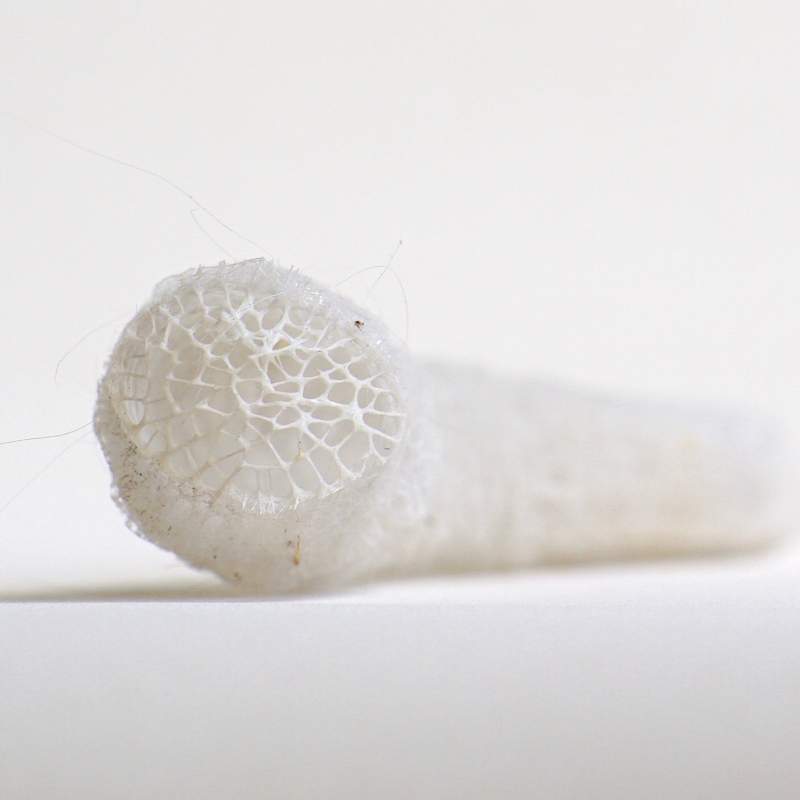
Polypores belong to a large group of fungi whose defining feature is the underside of the fruiting body: instead of gills, it’s packed with thousands of tiny pores. These pores release spores into the air, turning the fungus into a long-lived spore factory. Many polypores are woody or leathery in texture and can persist for years, adding a new growth layer each season.
The visible bracket is just the surface expression of a much larger organism. The real body of the fungu, the mycelium, spreads invisibly through the wood, digesting it from the inside. Depending on the species, polypores cause either brown rot (breaking down cellulose and leaving crumbly, brown lignin behind) or white rot (degrading lignin and leaving pale, fibrous wood). This process is essential for returning locked-up nutrients back into the ecosystem.
On dead or dying trees, polypores are master recyclers. They transform solid timber into softer, more complex habitats that insects, beetle larvae, mosses, and other fungi depend on. In many woodland ecosystems, deadwood colonized by polypores becomes a hotspot of biodiversity.
Polypores come in a surprising range of shapes and colors: thin, fan-like shelves stacked in tiers; thick, hoof-shaped brackets; smooth, varnished surfaces or velvety, zoned textures. Some grow close to the bark, others emerge from exposed heartwood, each species tuned to a particular niche, host tree, and stage of decomposition.
Without polypore fungi, forests would choke on their own deadwood. These fungi are essential engineers of decay, shaping woodland structure, soil health, and habitat creation.
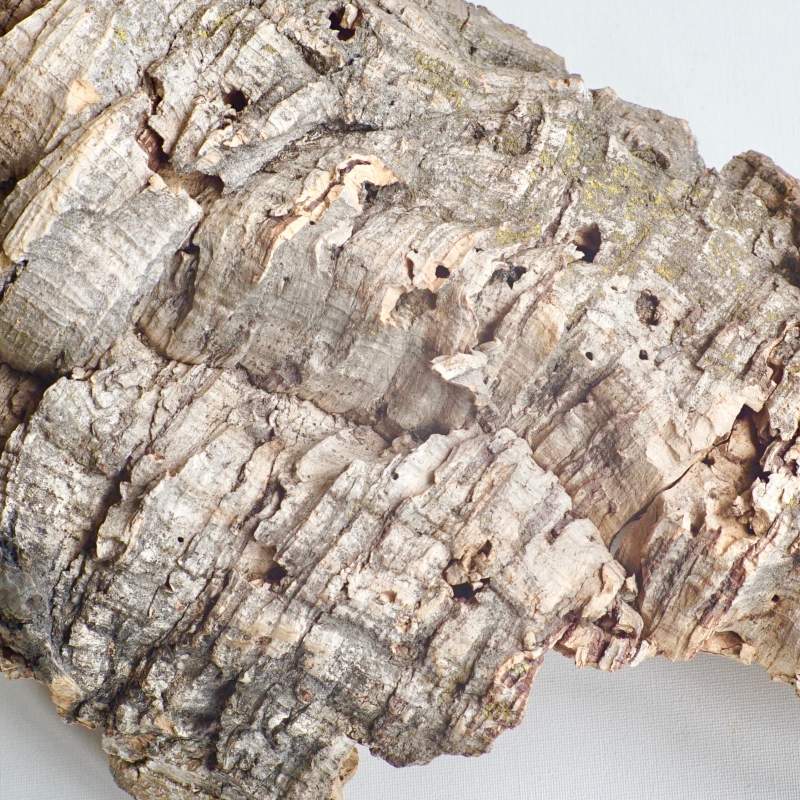
Many polypores specialize in broadleaf trees, especially: Oak – a big favorite (hosts loads of species), Beech, Birch, Willow, Poplar, Aspen, Maple. These woods are rich in lignin and cellulose, making them ideal for long-term decay. Ancient oaks and fallen beech trunks are especially likely to carry large, long-lived brackets.