Larix decidua
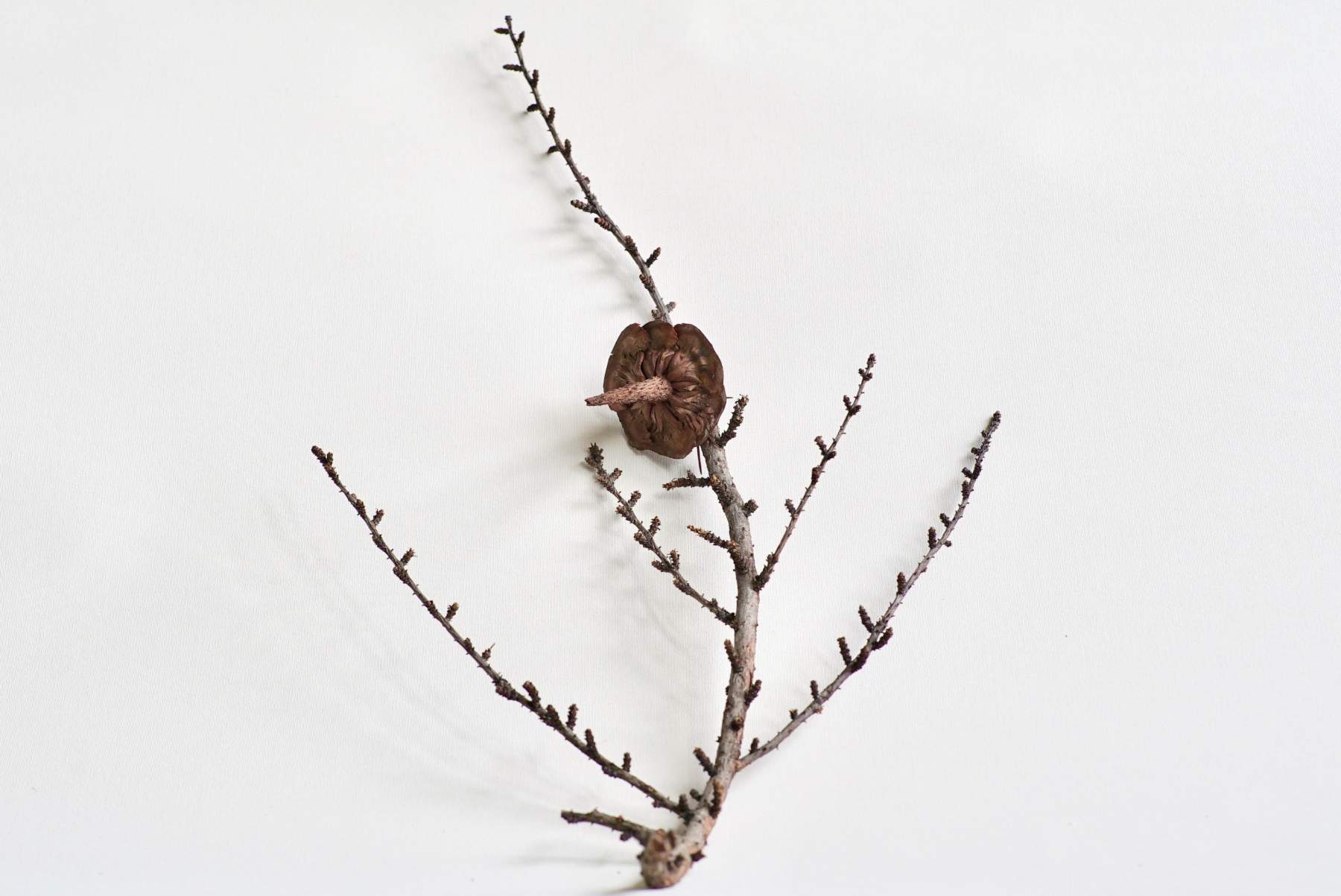
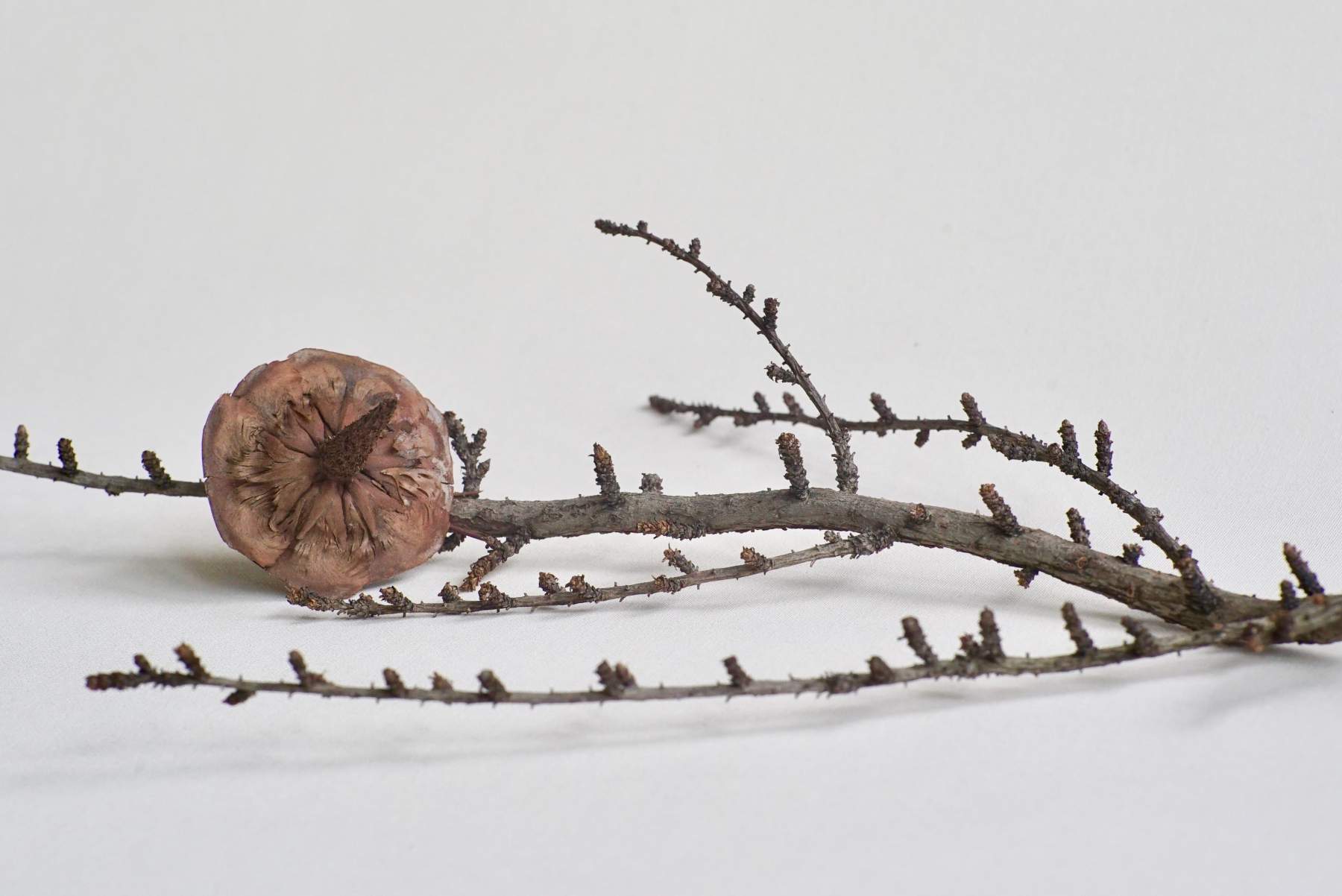
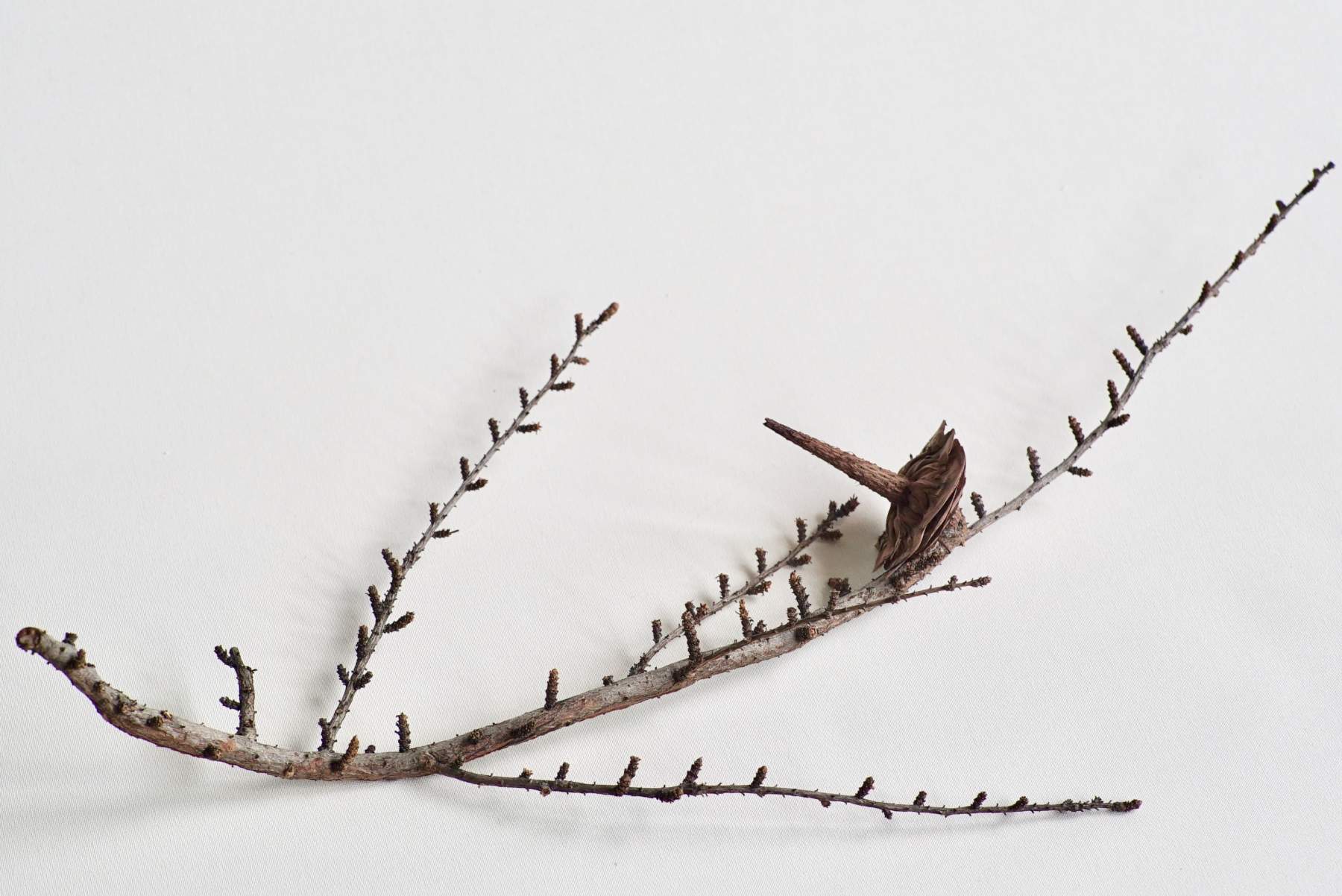
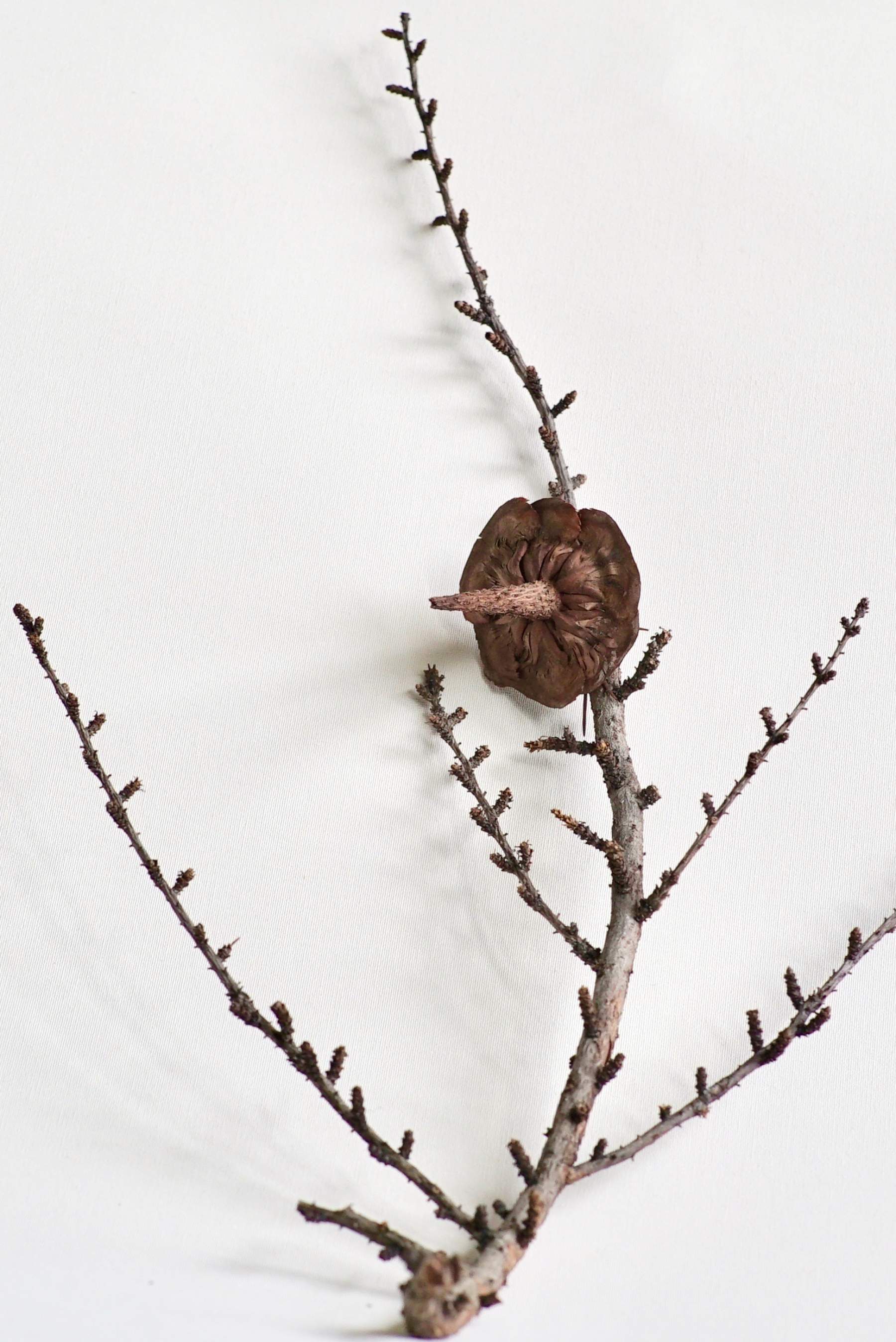
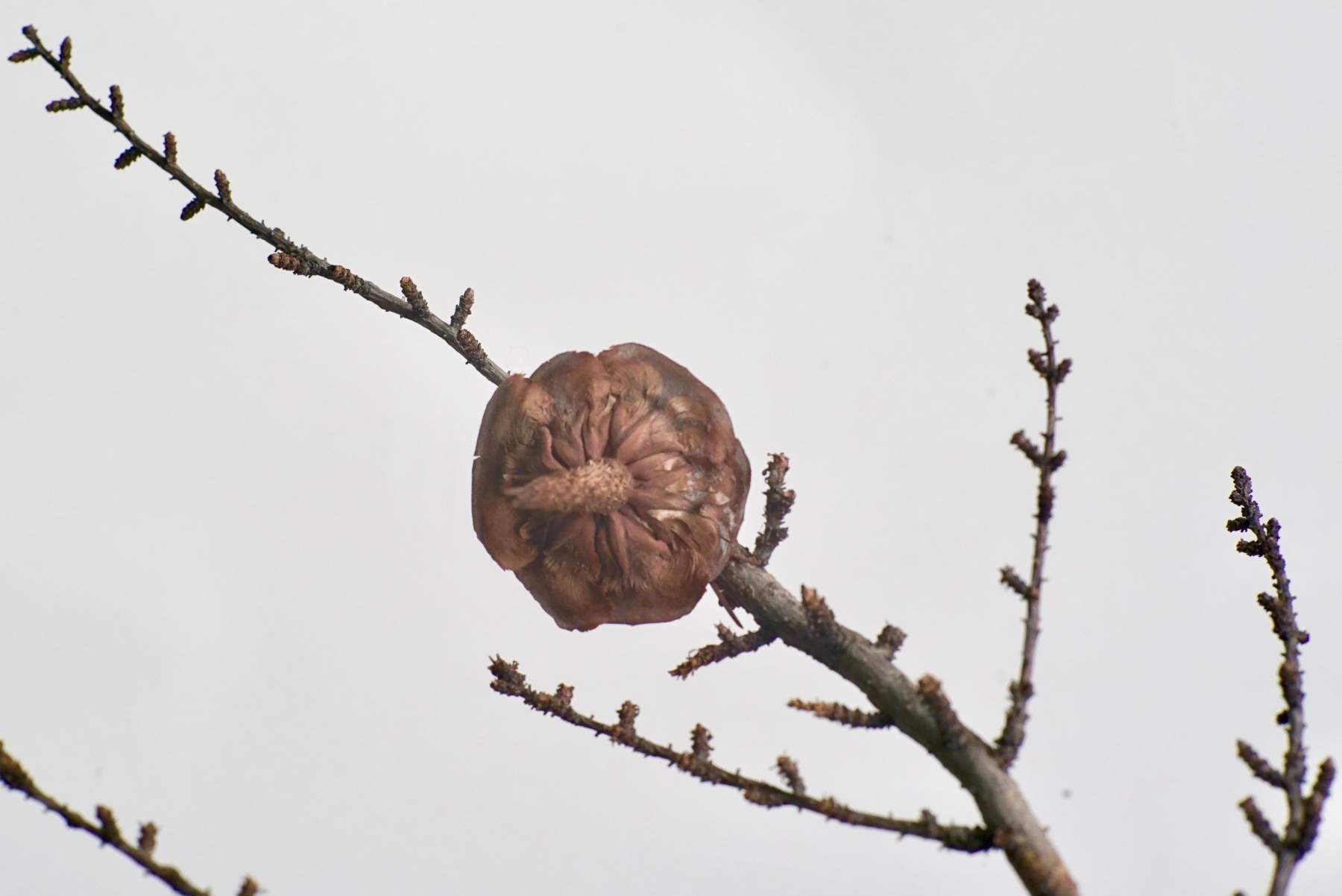
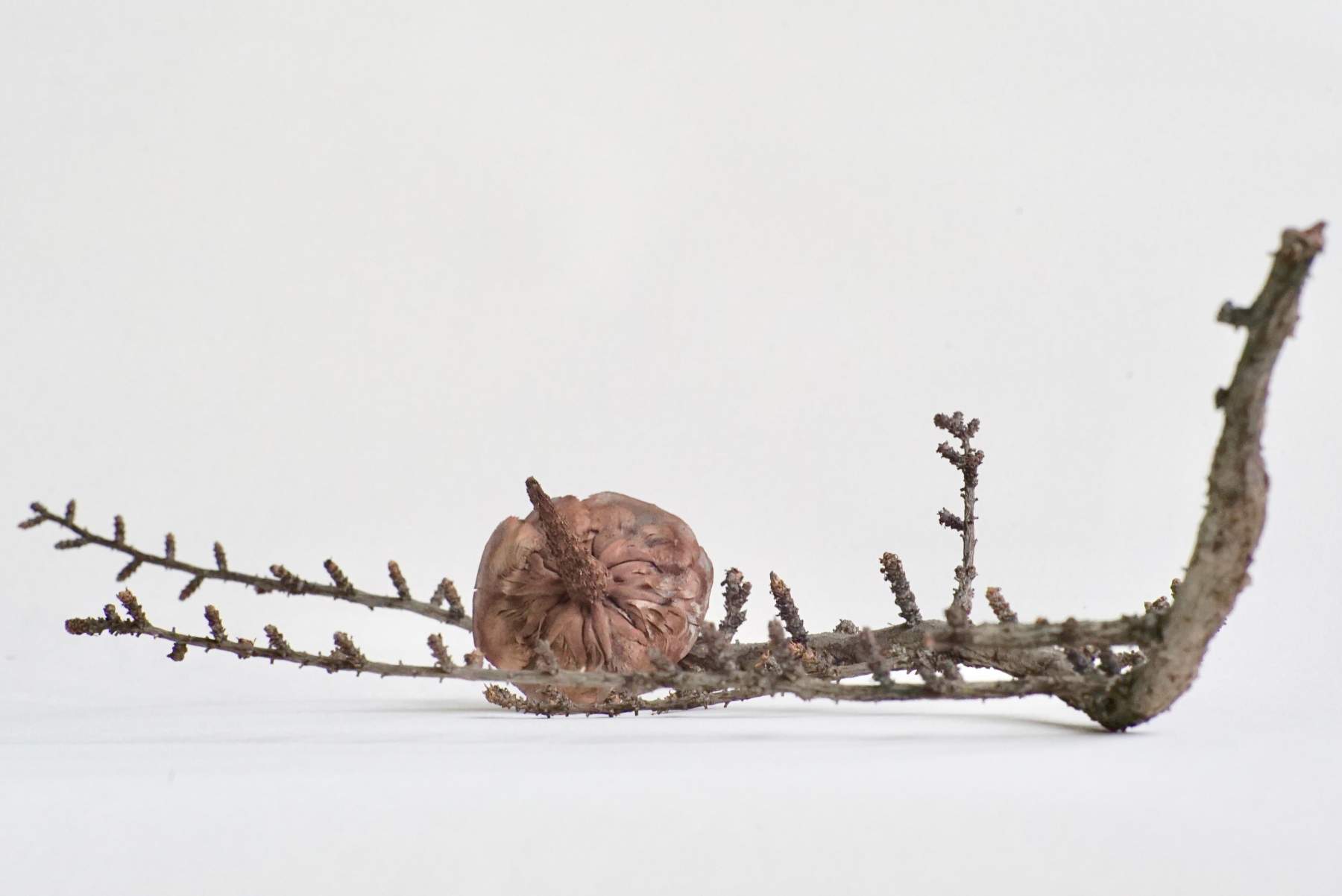
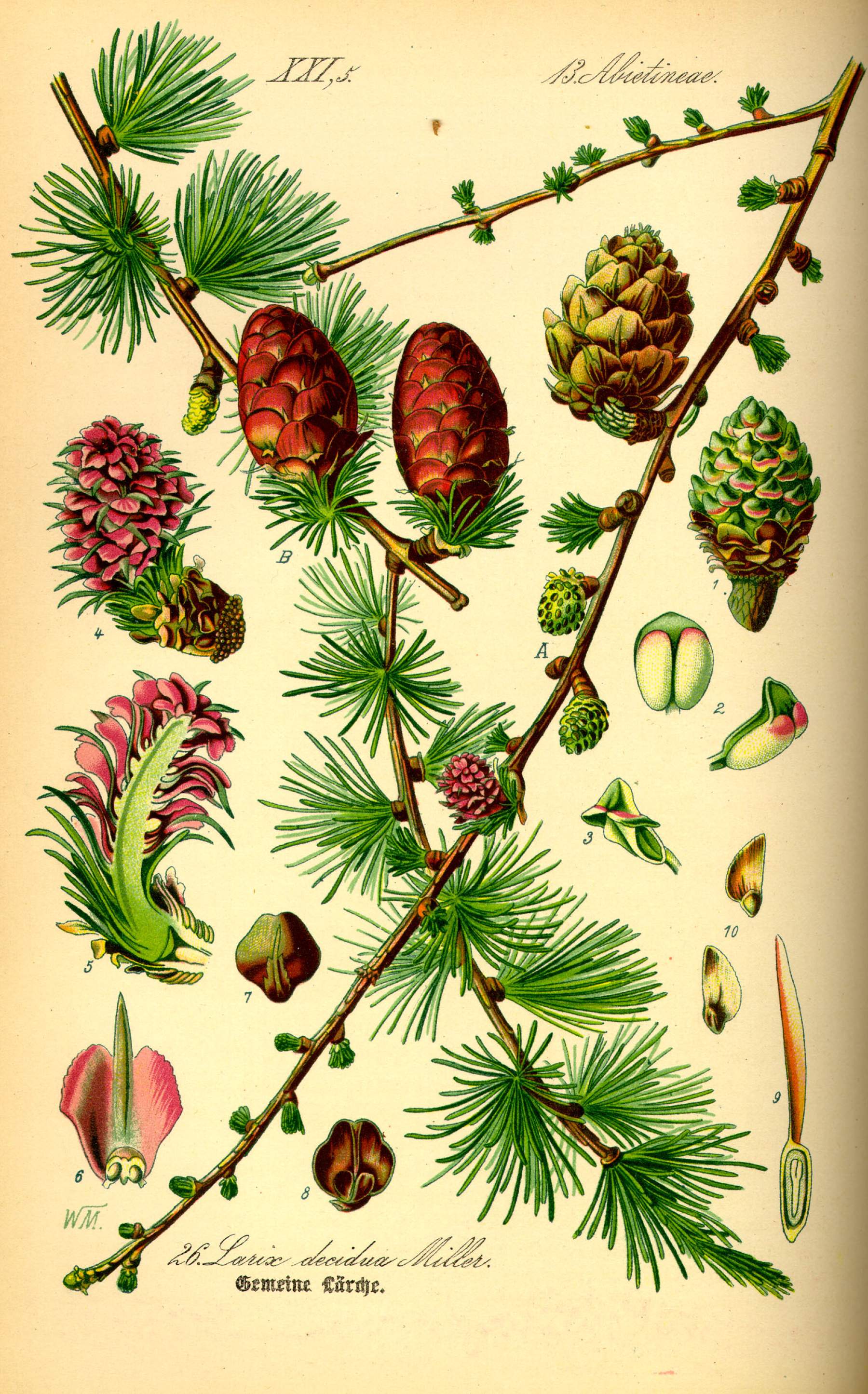
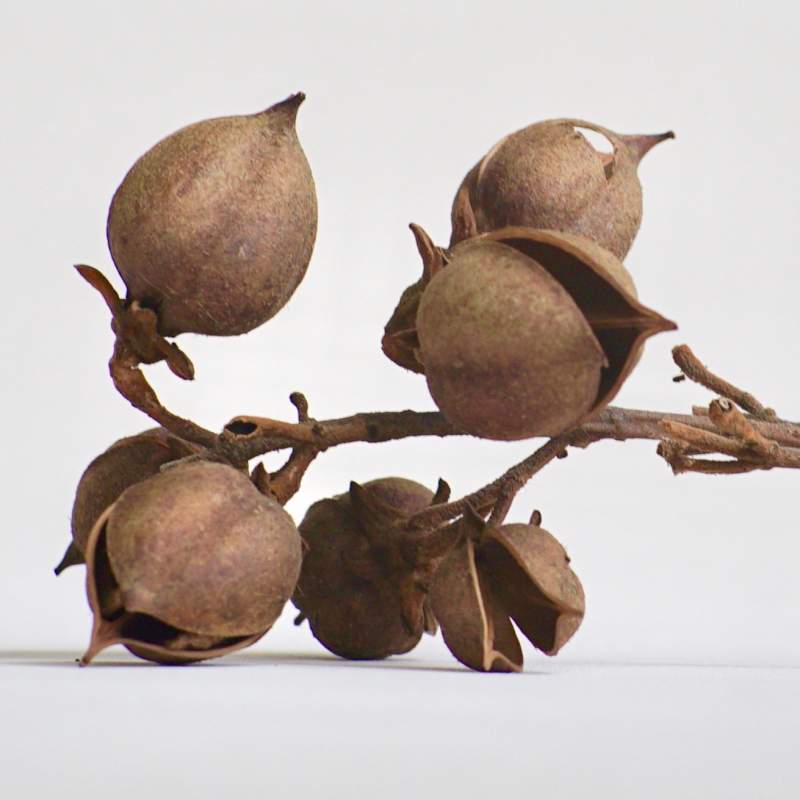
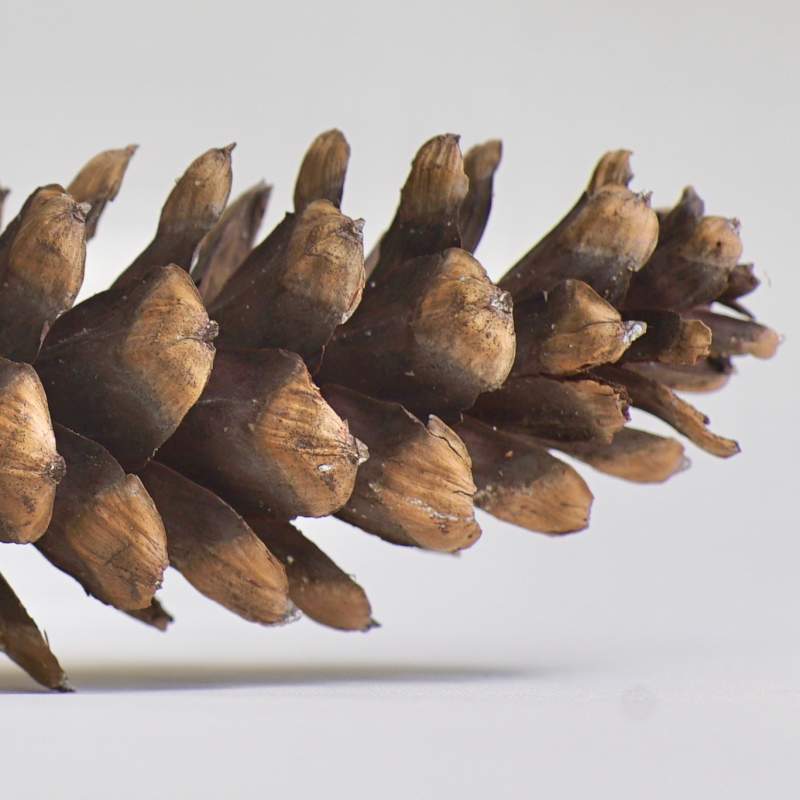
A small twig of Larix decidua can carry a whole season in it. The European larch is one of the few deciduous conifers, shedding its needles each autumn and standing bare through winter. On a slender, pale twig, you’ll often see two kinds of shoots: long shoots that shape the branch, and short spur shoots where soft, bright-green needles emerge in tidy clusters each spring. A cone may still cling to the twig; small, woody, and egg-shaped, often remaining in place for years.
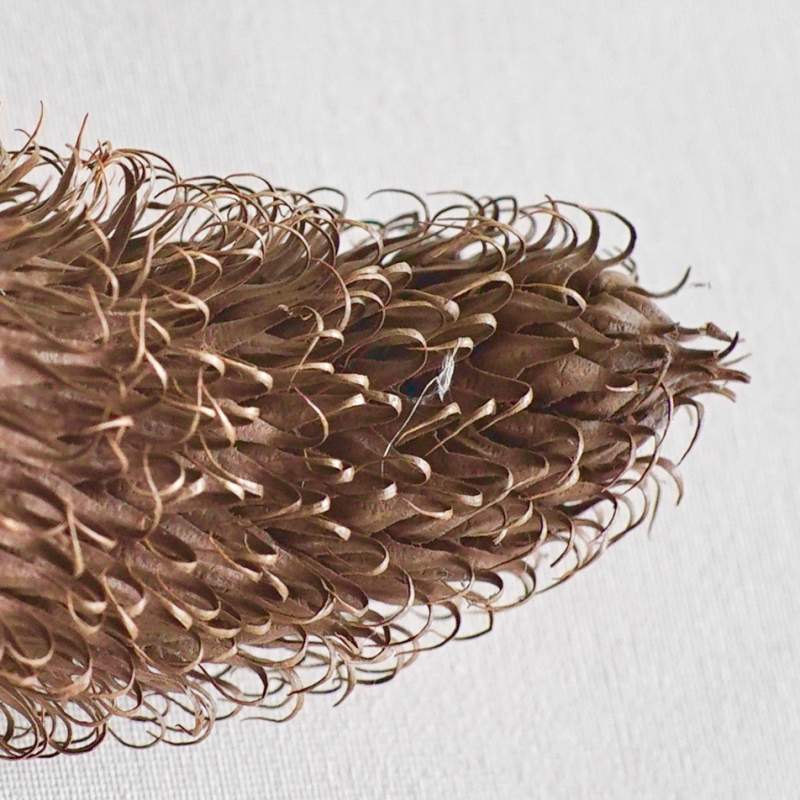
Larix decidua is built for contrast and change. Its needles are flexible and tender, unlike the stiff needles of many conifers, turning a clear golden yellow before they fall. The cones mature from green to brown, with thin, rounded scales that open to release winged seeds. Even after seed dispersal, the cones persist, giving the tree a textured, time-layered look.
European larch is a mountain specialist. Native to the Alps and Carpathians, it thrives in cold climates, high elevations, and well-drained soils, tolerating frost and snow with ease. As a light-loving pioneer species, it often colonizes open slopes and disturbed ground, helping stabilize soils and prepare the way for other forest species. Its open canopy allows sunlight to reach the forest floor, supporting a rich understory and diverse wildlife.