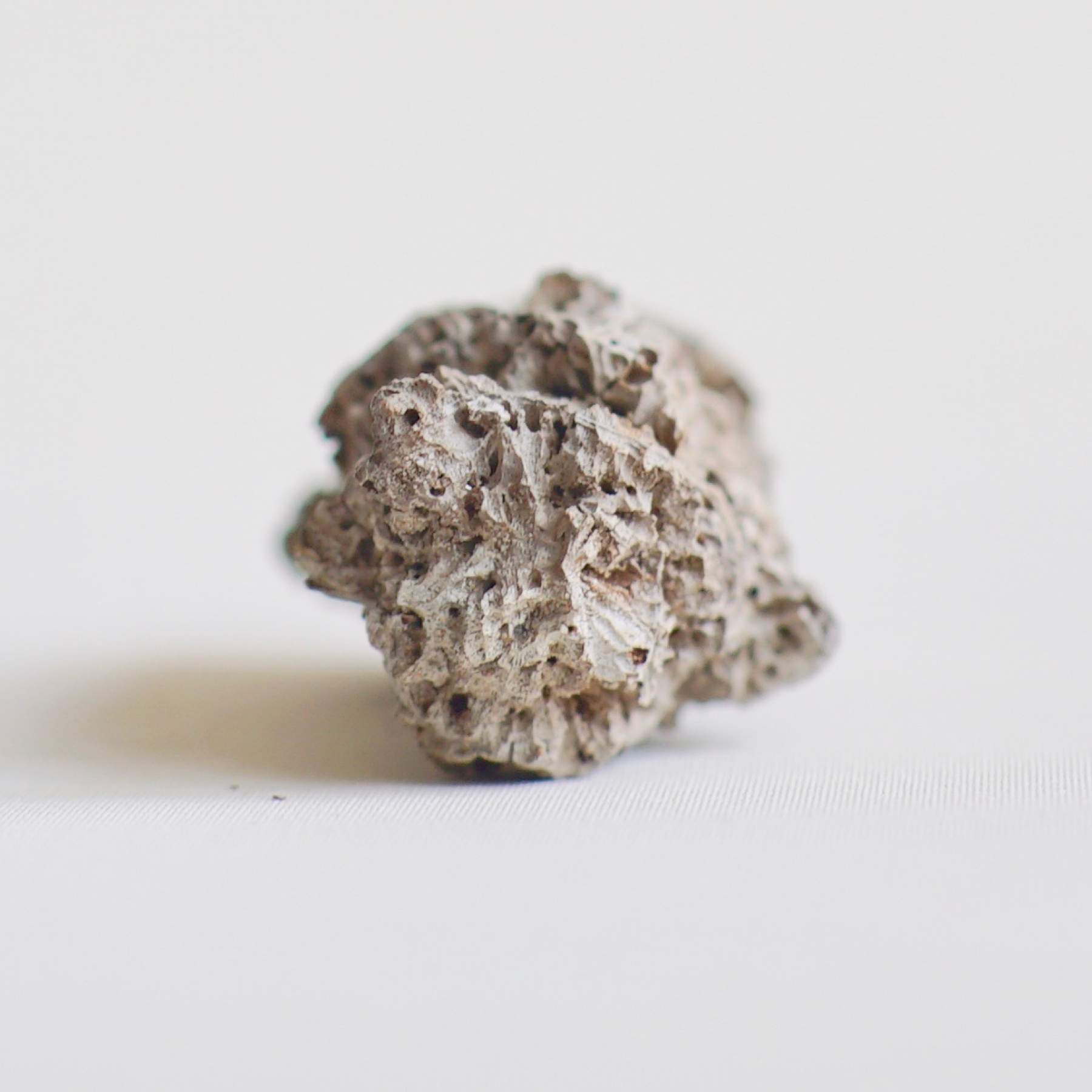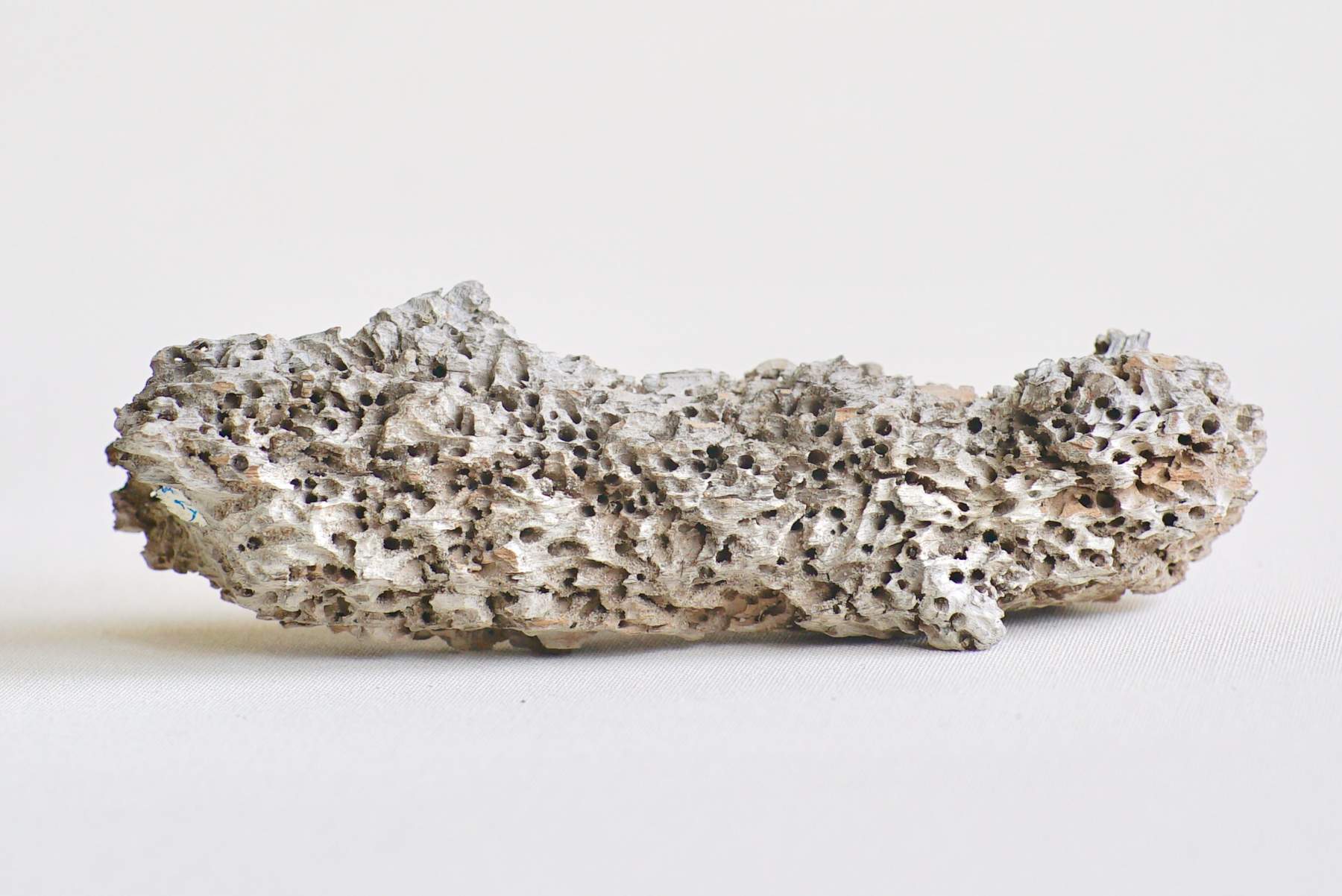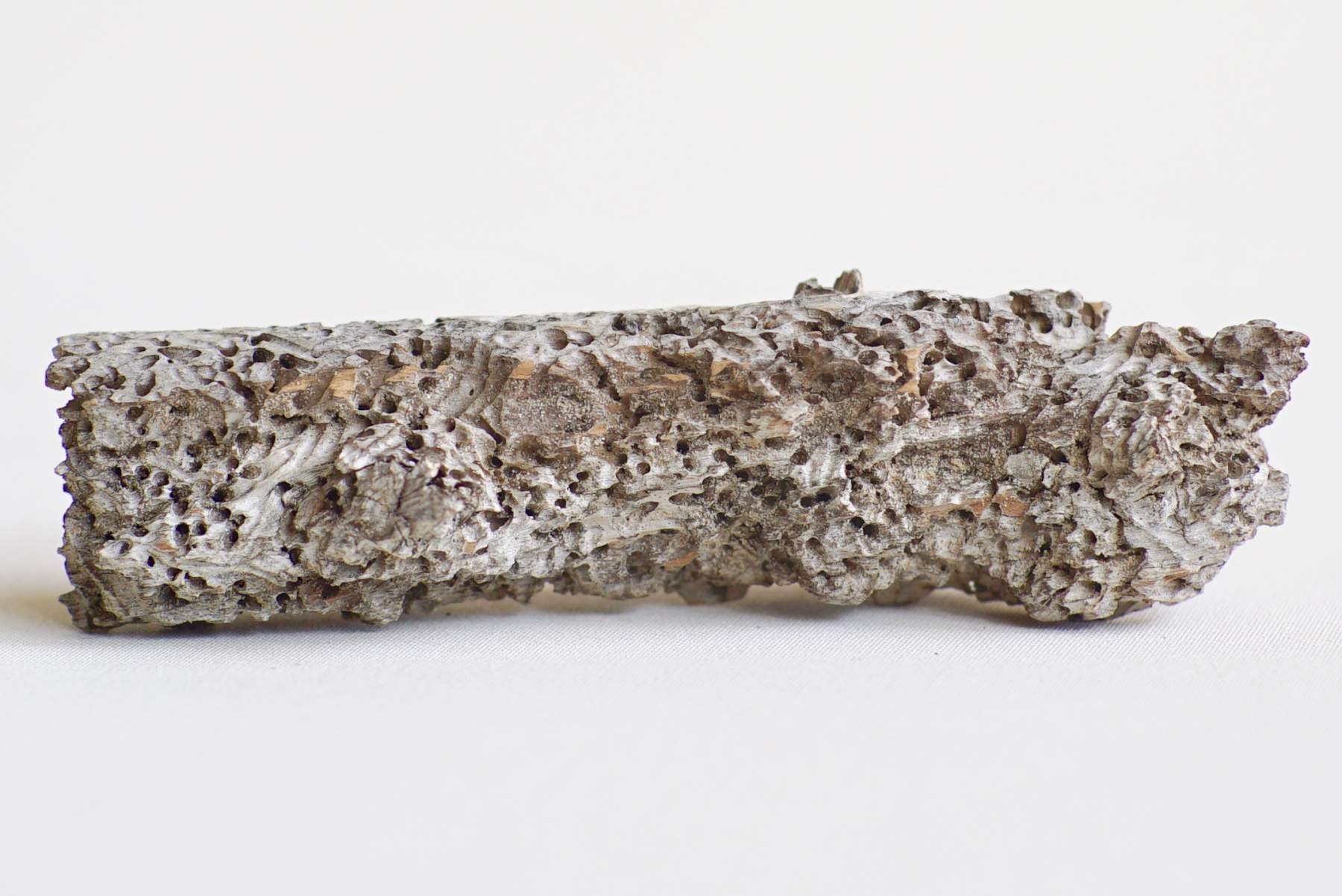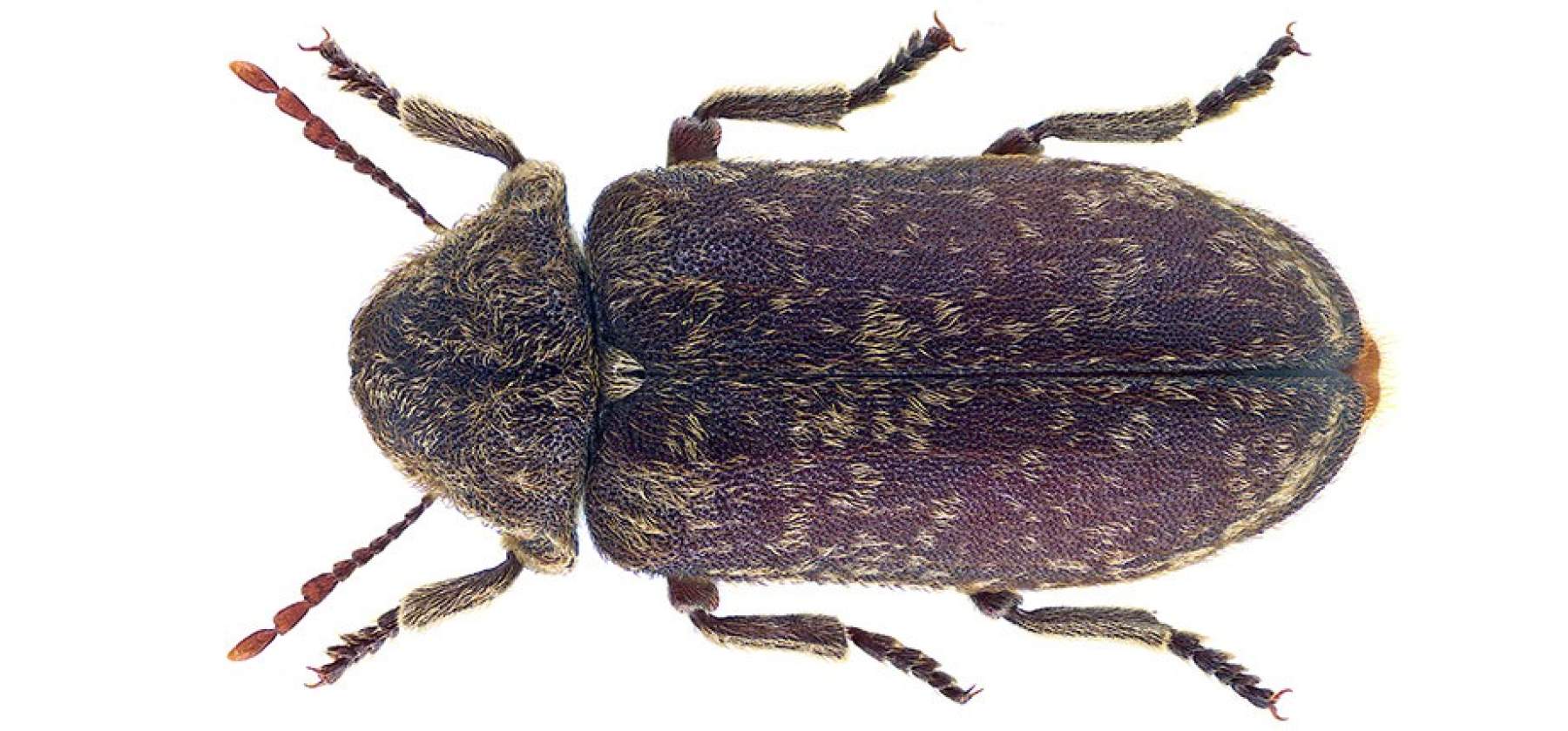
Xestobium rufovillosum in Quercus
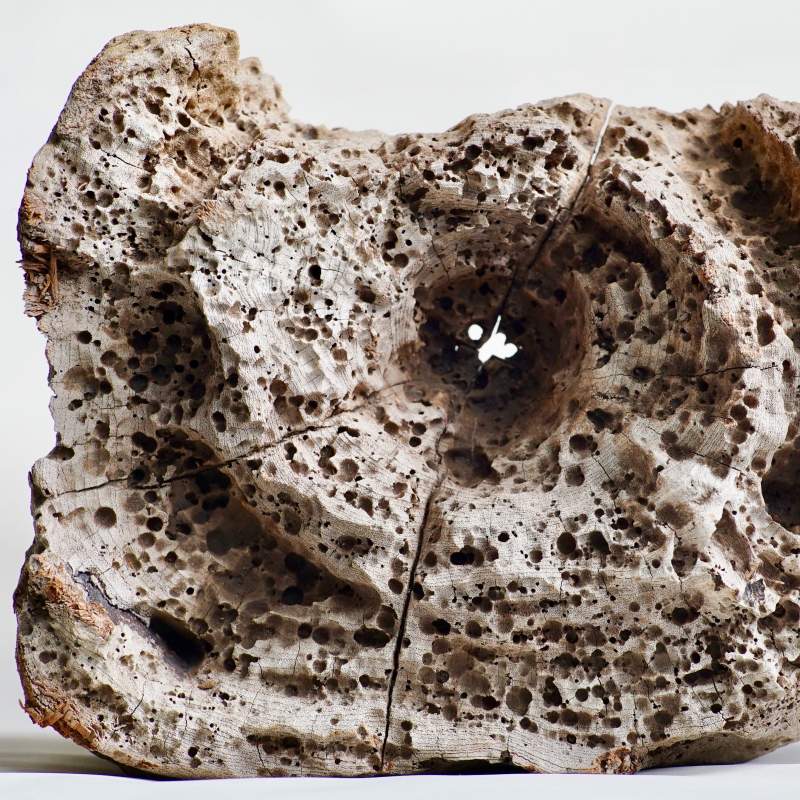
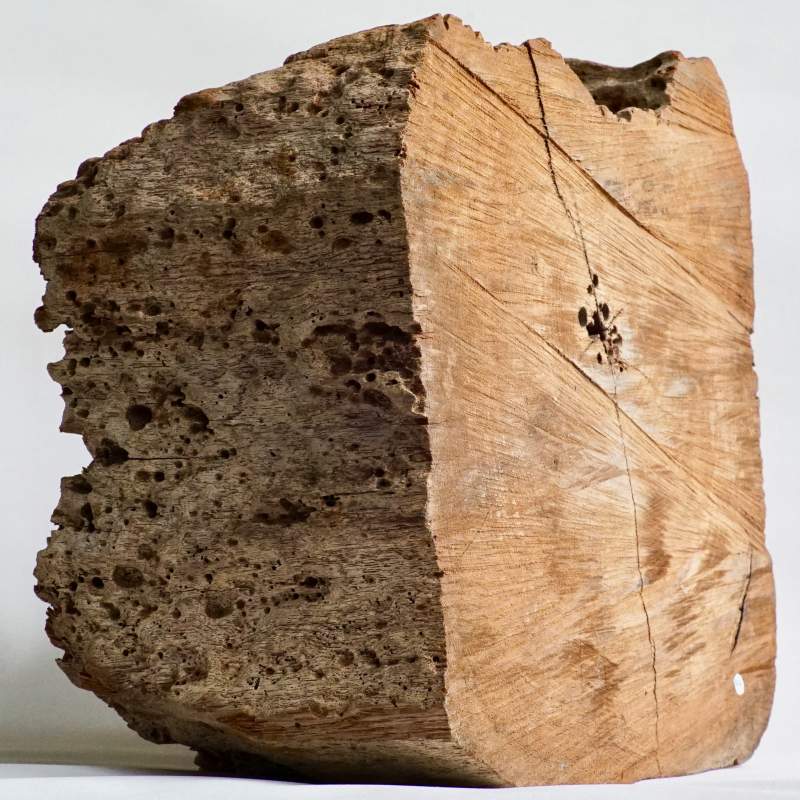
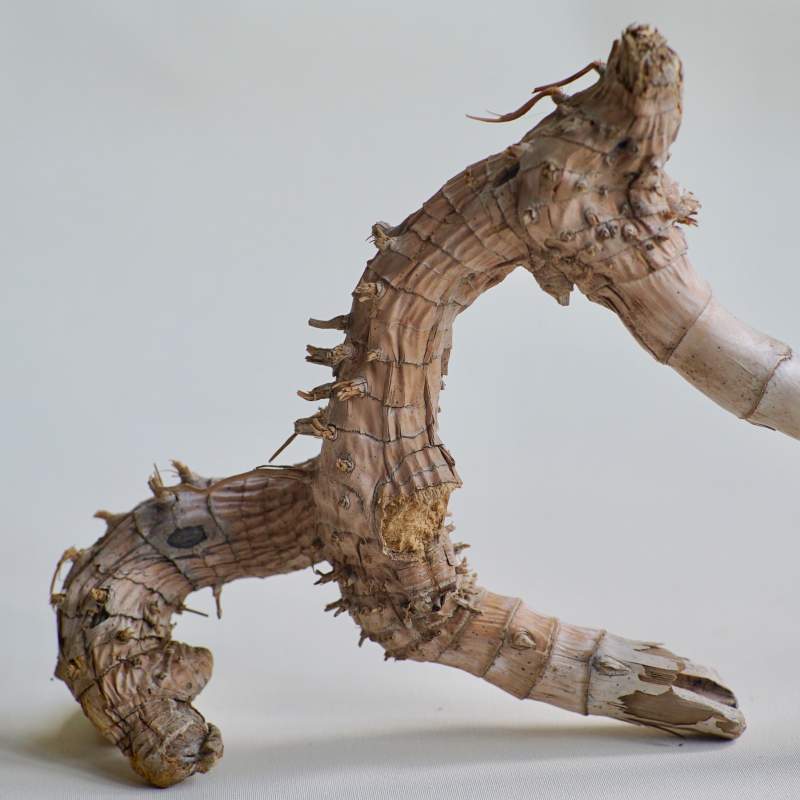
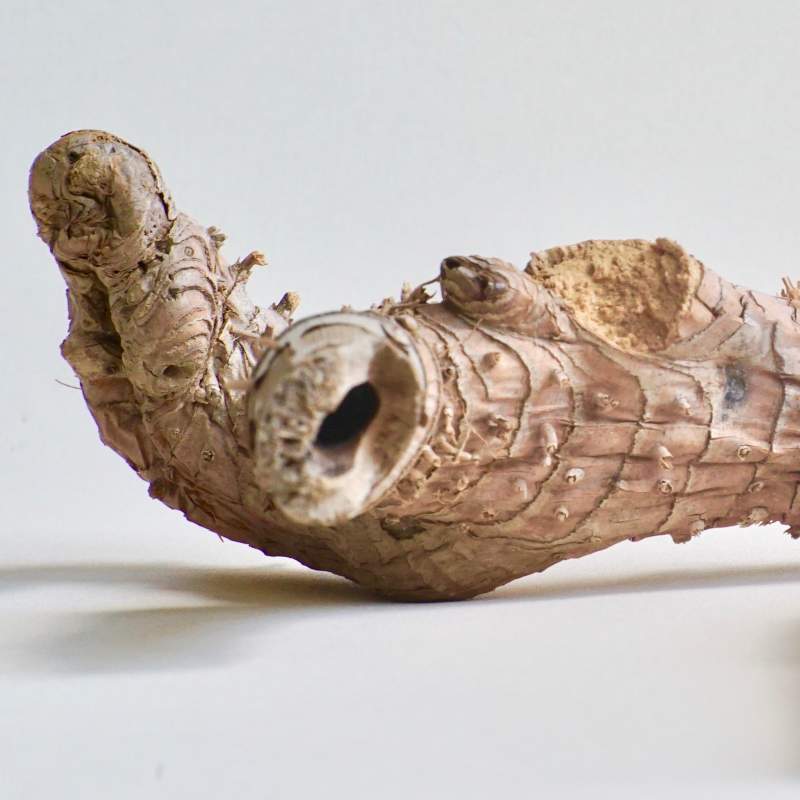
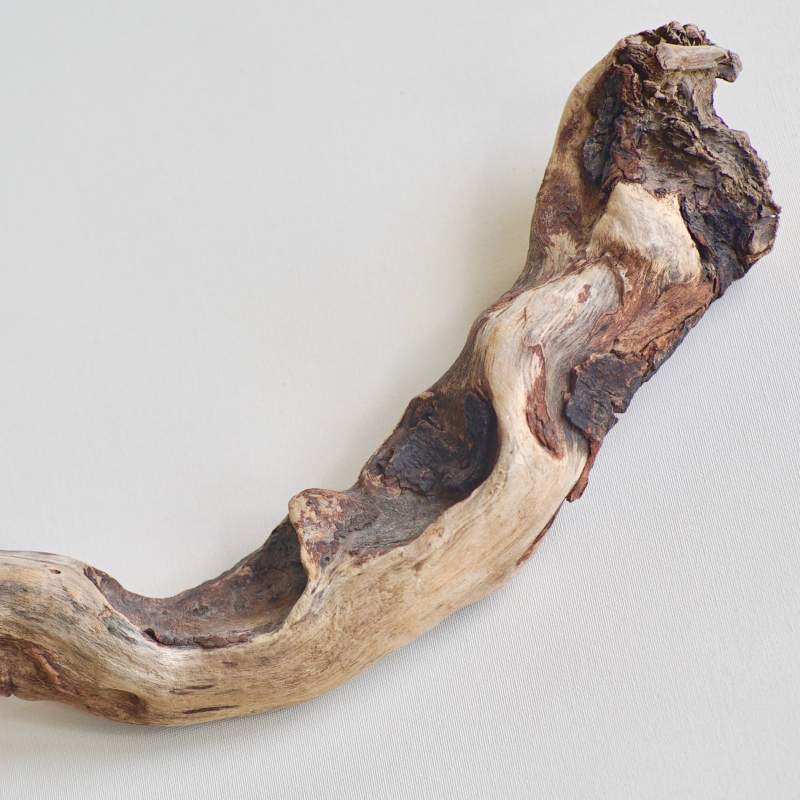
This wood became home to the Death watch beetle (Xestobium rufovillosum), one of those creatures that turns old wood into a quiet, hidden world. Best known for the neat, round holes it leaves in oak, this small, reddish-brown beetle has spent most of its life long before those holes ever appear.
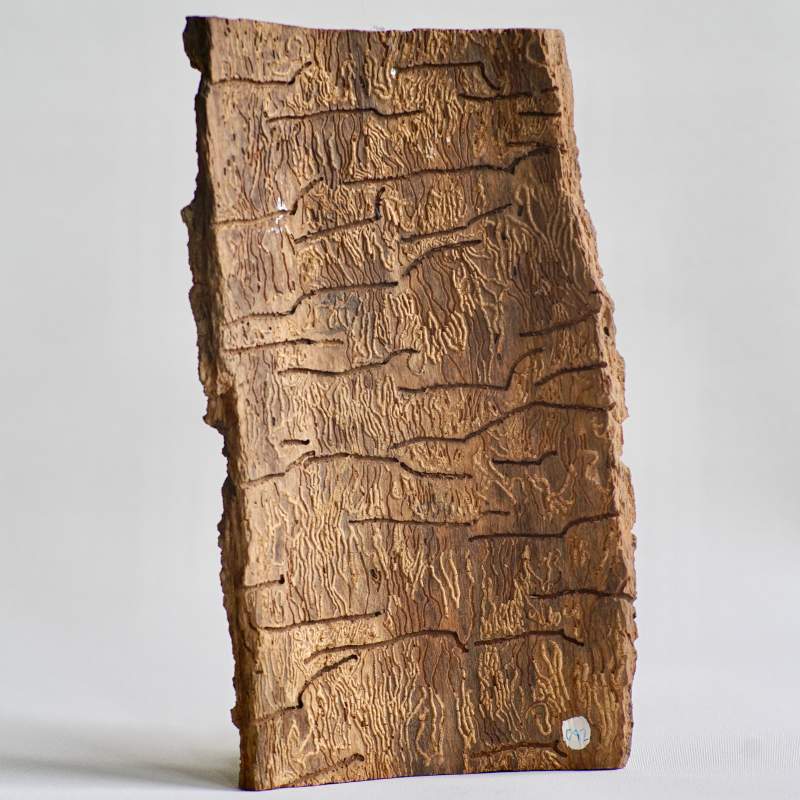
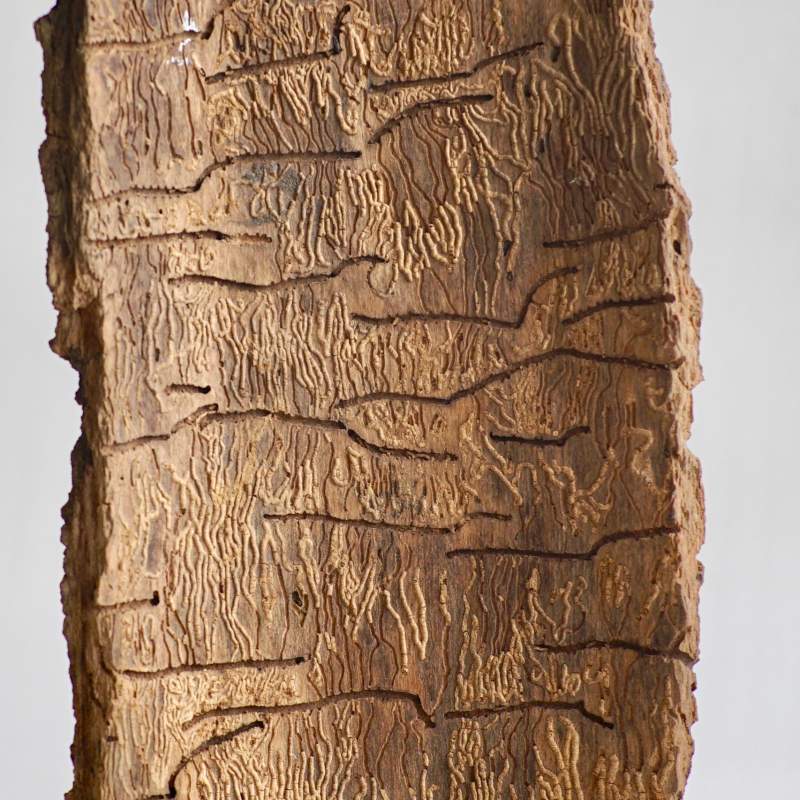
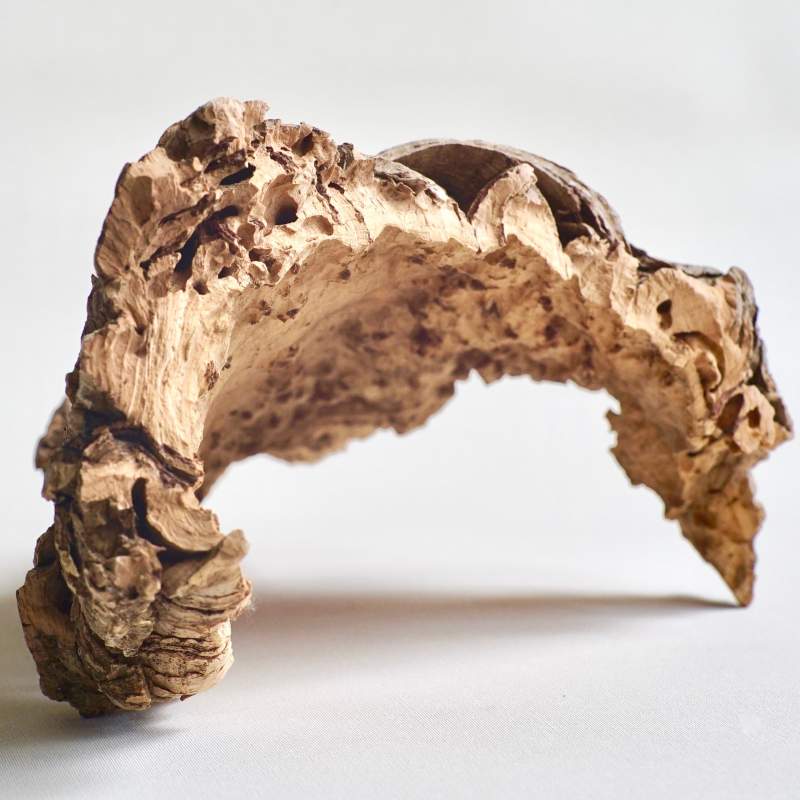
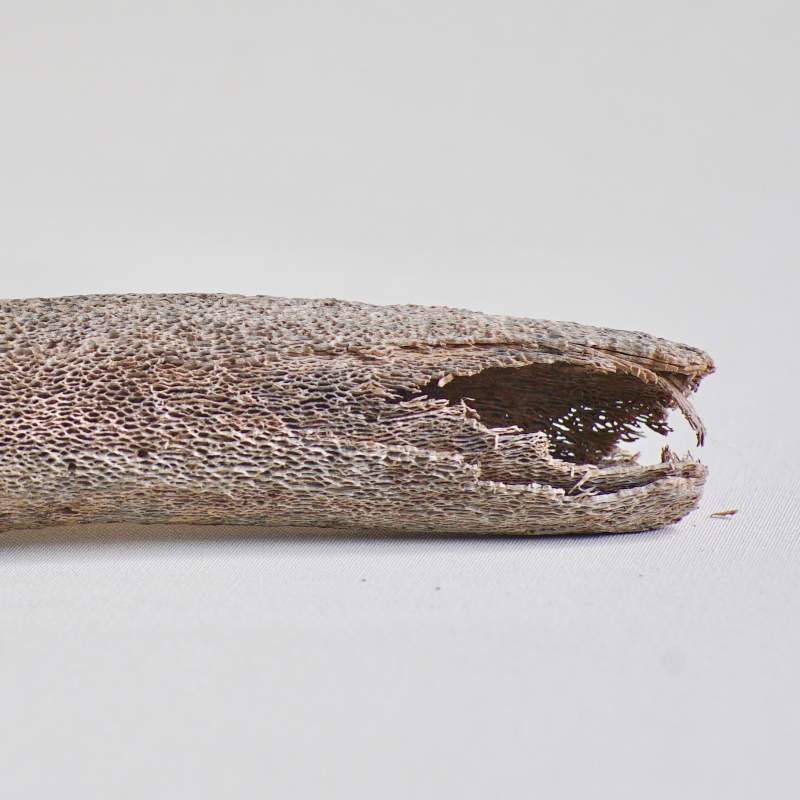
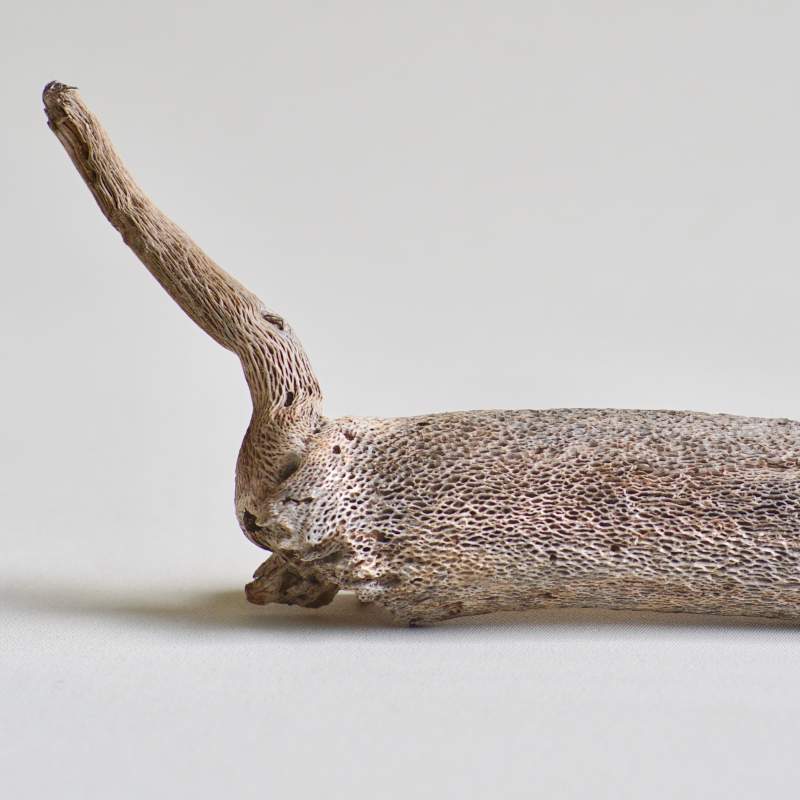
It all starts inside the wood. After eggs are laid in cracks or crevices, the larvae burrow deep into seasoned hardwood - especially oak that has been softened by age and fungal decay. There, unseen, they create an intricate network of tunnels, slowly feeding on the wood for years, sometimes even decades. These galleries become both home and pantry, carefully carved chambers that shelter the larvae as they grow. An incredible home with architectural structures.
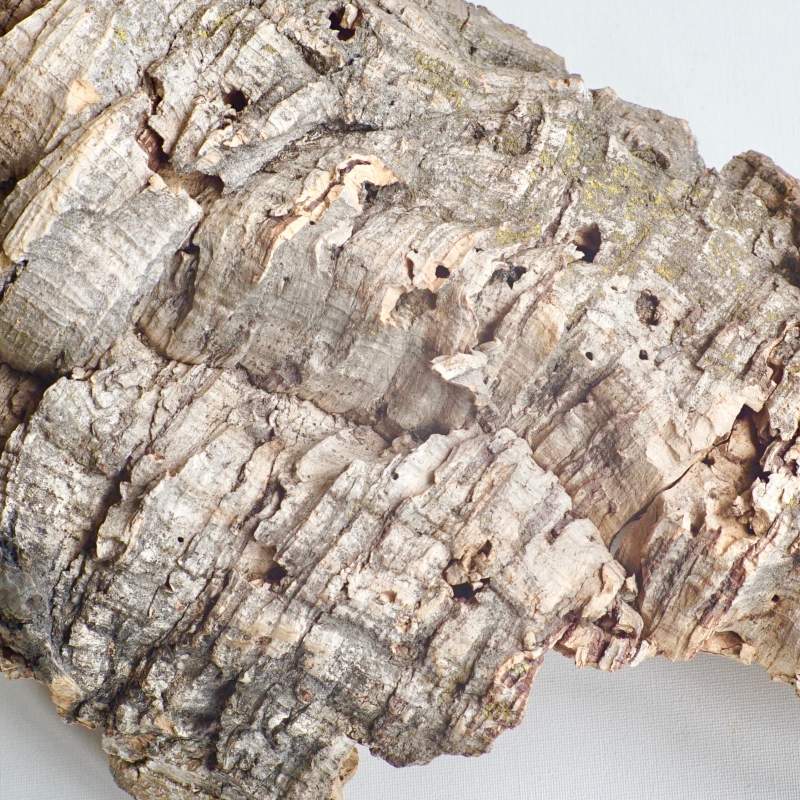
Only at the very end of its life does the beetle announce itself. The adult emerges by chewing a small, perfectly round exit hole through the surface - often the first visible sign of its long presence. In historic buildings, furniture, or ancient beams, these holes are like punctuation marks in the wood’s timeline. The beetle’s famous tapping sound, made by striking its head against the wood to attract a mate, once earned it an eerie reputation as an omen of death - but it’s really just a love song echoing through timber.
The death watch beetle is part of a slow ecological process, recycling old wood and inhabiting spaces shaped by time, moisture, and decay. Each hole is a doorway of a carefully made home inside the grain of oak itself.