UK Heat Resilience: A Call for Passive-First Design in a Warming Climate
20.05.26
The Climate Change Committee warns that the UK is increasingly unprepared for rising temperatures, with forecasts suggesting heatwaves could exceed 40°C by 2050 and that the majority of homes are at risk of overheating. The report highlights a growing need for large-scale adaptation, including potential widespread adoption of air conditioning in homes, schools, and healthcare settings, alongside concerns about rising heat-related deaths, water shortages, and wider infrastructure stress. It also notes that passive measures alone may not be sufficient under future climate conditions, though mechanical cooling raises concerns due to its energy demand and emissions impact.
From an eco-architecture perspective, the report highlights a reality we are already designing for: overheating in UK buildings is a form-finding and fabric problem, not just a mechanical one.
We believe that before defaulting to widespread air conditioning, the priority should be passive heat reduction strategies embedded in building design: high-performance external shading (brise-soleil, deep reveals, shutters), reduced glazing gains through orientation-sensitive design, and robust thermal mass to dampen daytime peaks. Equally critical is designing for natural cross-ventilation and stack-driven airflow, ensuring buildings can purge heat effectively during cooler night periods.
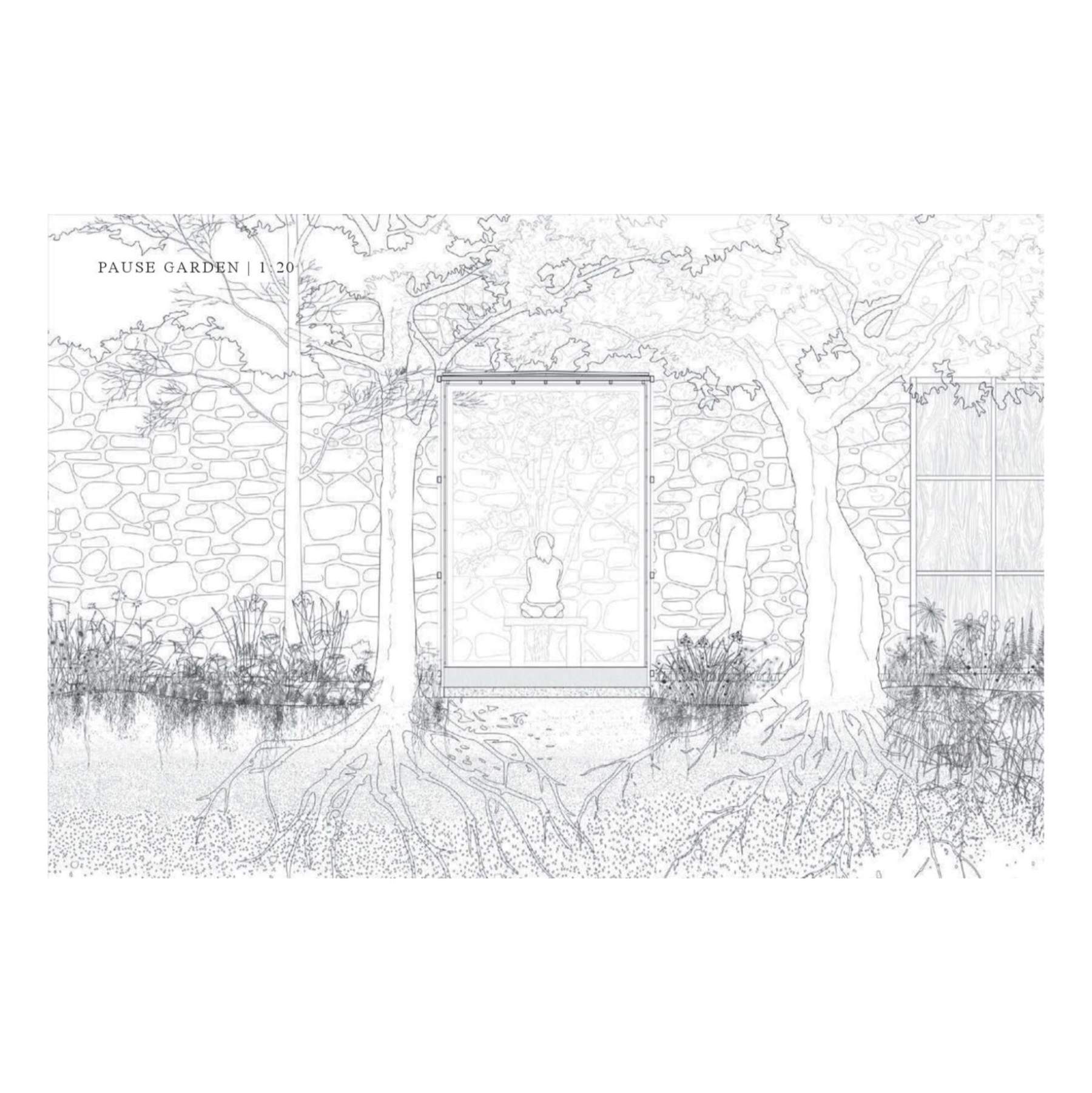
Urban and landscape-scale interventions matter just as much - tree canopy cover, shaded streets, green roofs, and evaporative cooling landscapes can significantly reduce ambient temperatures before heat reaches the building envelope.
Mechanical cooling may have a role for vulnerable settings, but resilient design should begin with form, fabric, shade, and airflow - not reliance on energy-intensive systems as a first response.