Revisiting Sefton House: A Home That Has Grown Into Itself
20.07.26
There is something particularly rewarding about returning to a completed project years after the builders have left. The architecture has settled, the landscape has matured, and the spaces have become woven into everyday family life. Our recent visit to Sefton House in south-west London gave us the opportunity to do just that.
Originally designed as a deep retrofit and extension of a late-Victorian house, Sefton House was conceived as a careful balance between preserving the character of a historic home and radically improving its environmental performance. Rather than replacing what existed, we focused on unlocking the potential already embedded within the building through thoughtful intervention, low-carbon design principles and a fabric-first retrofit strategy.
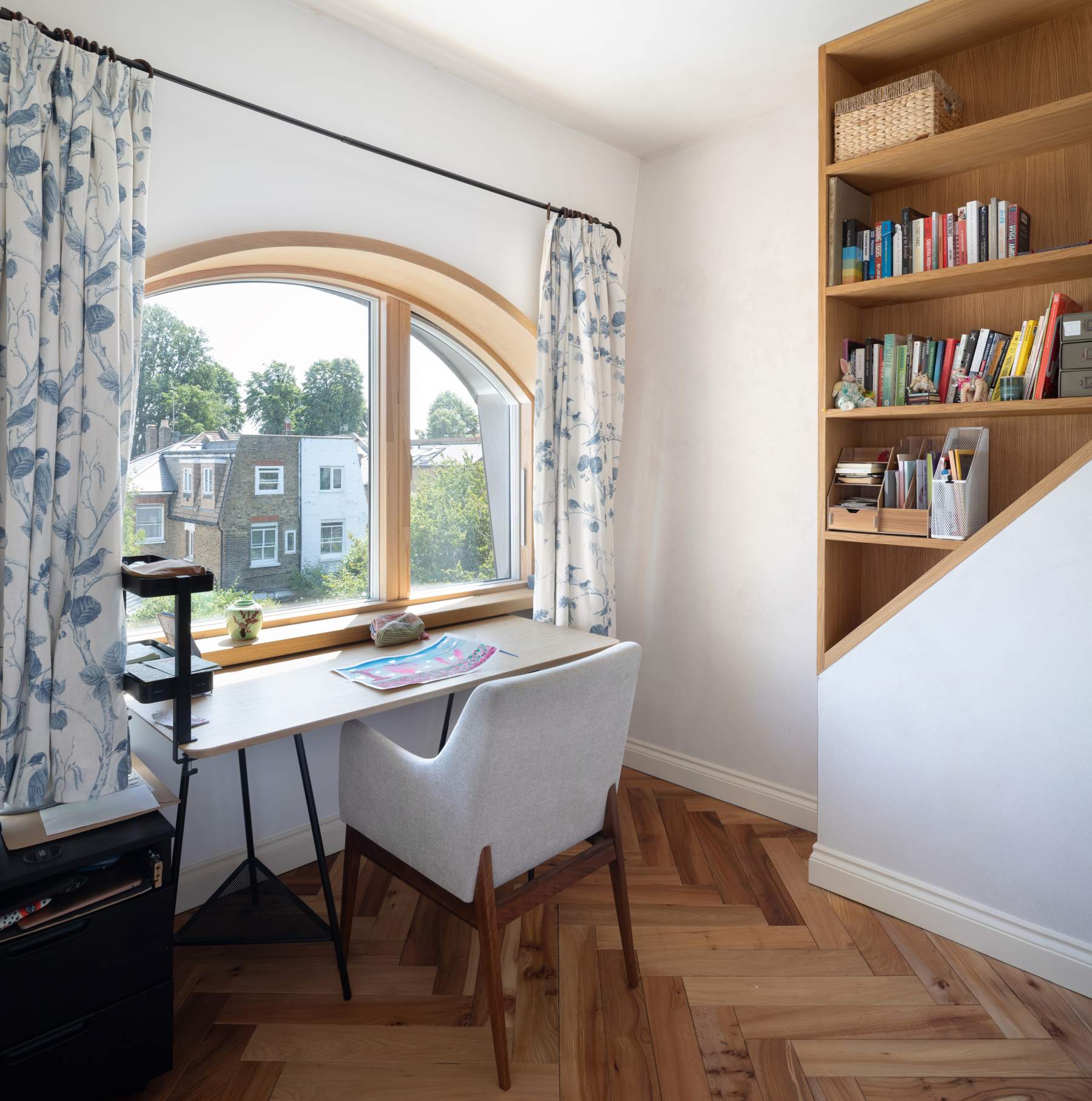
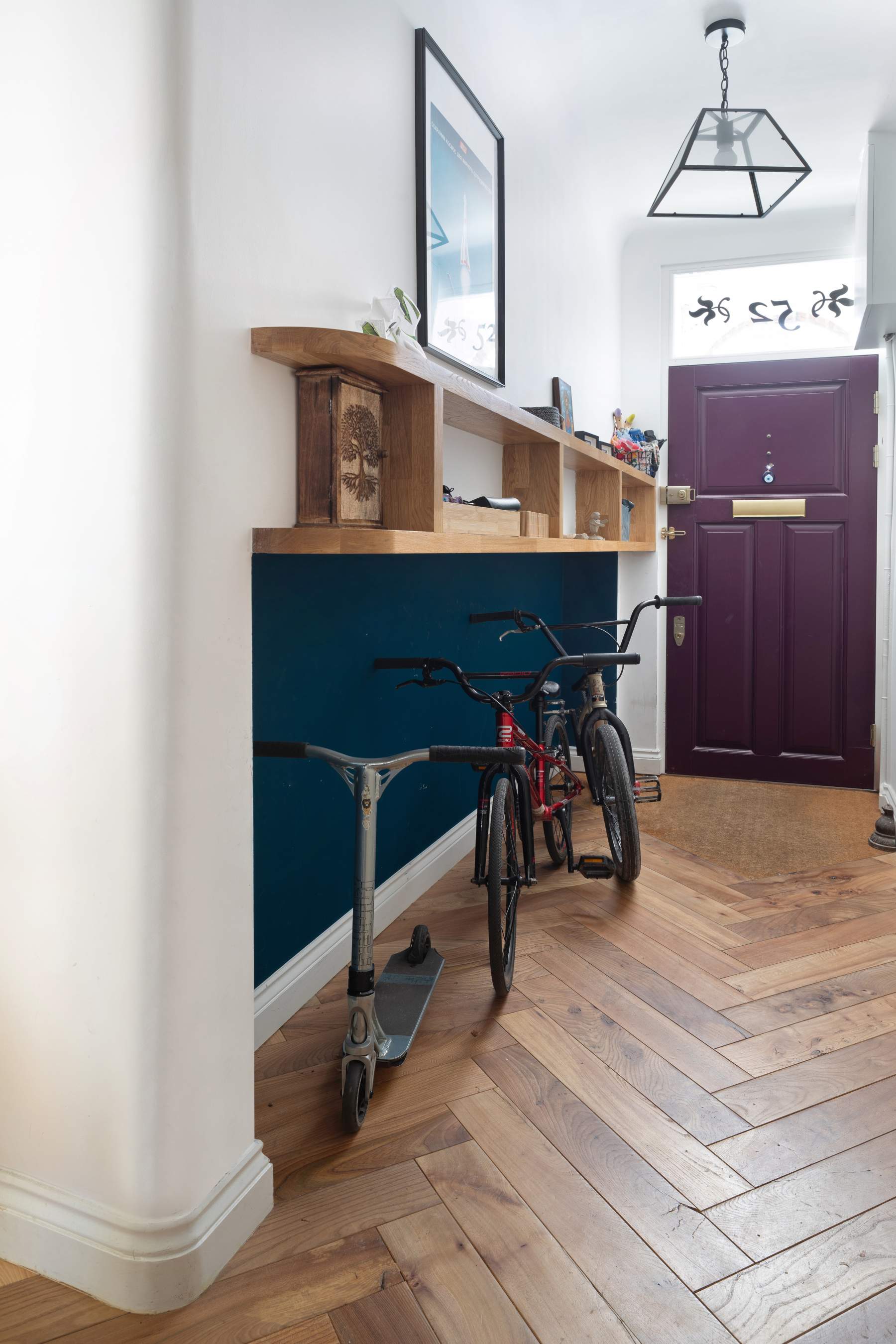
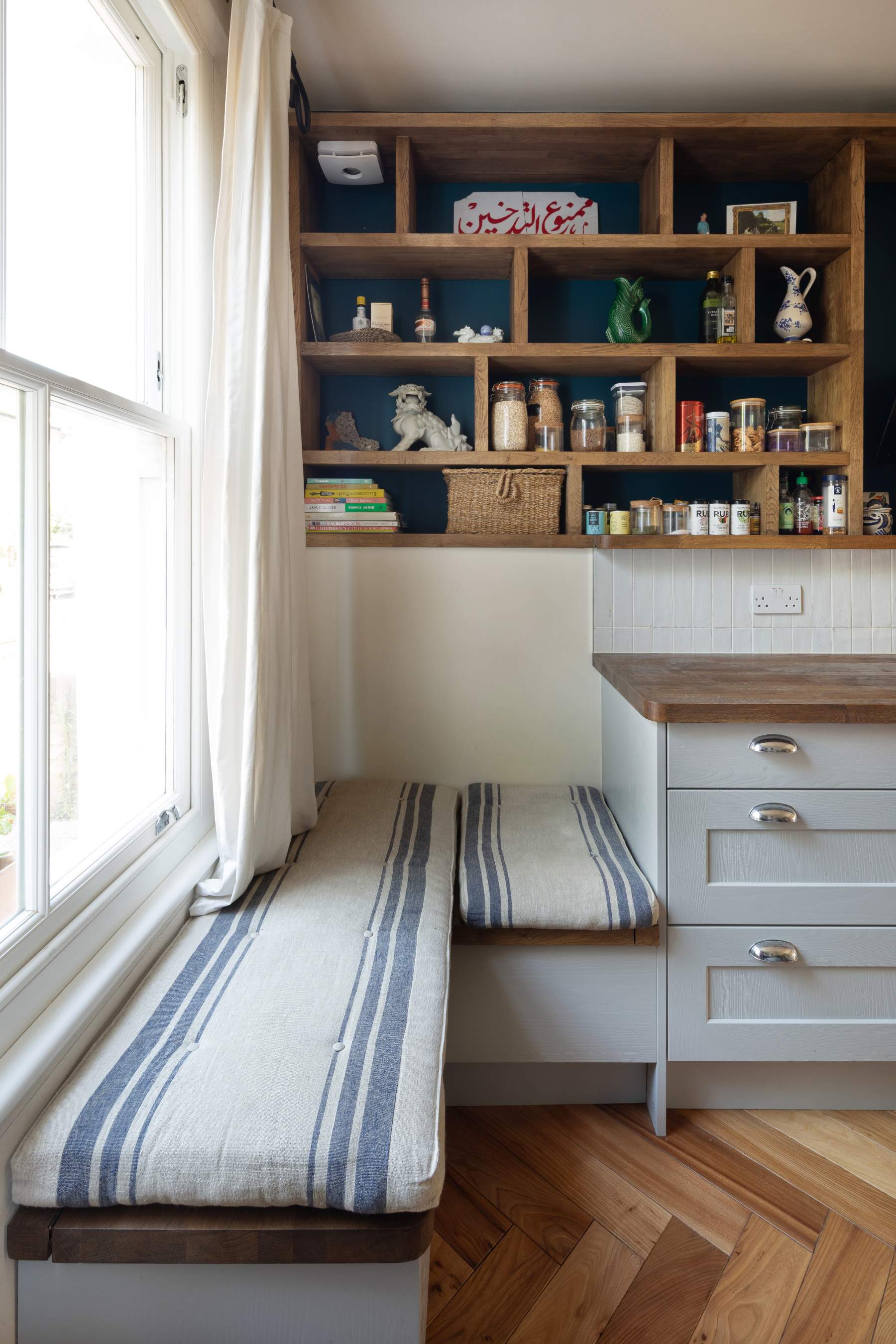
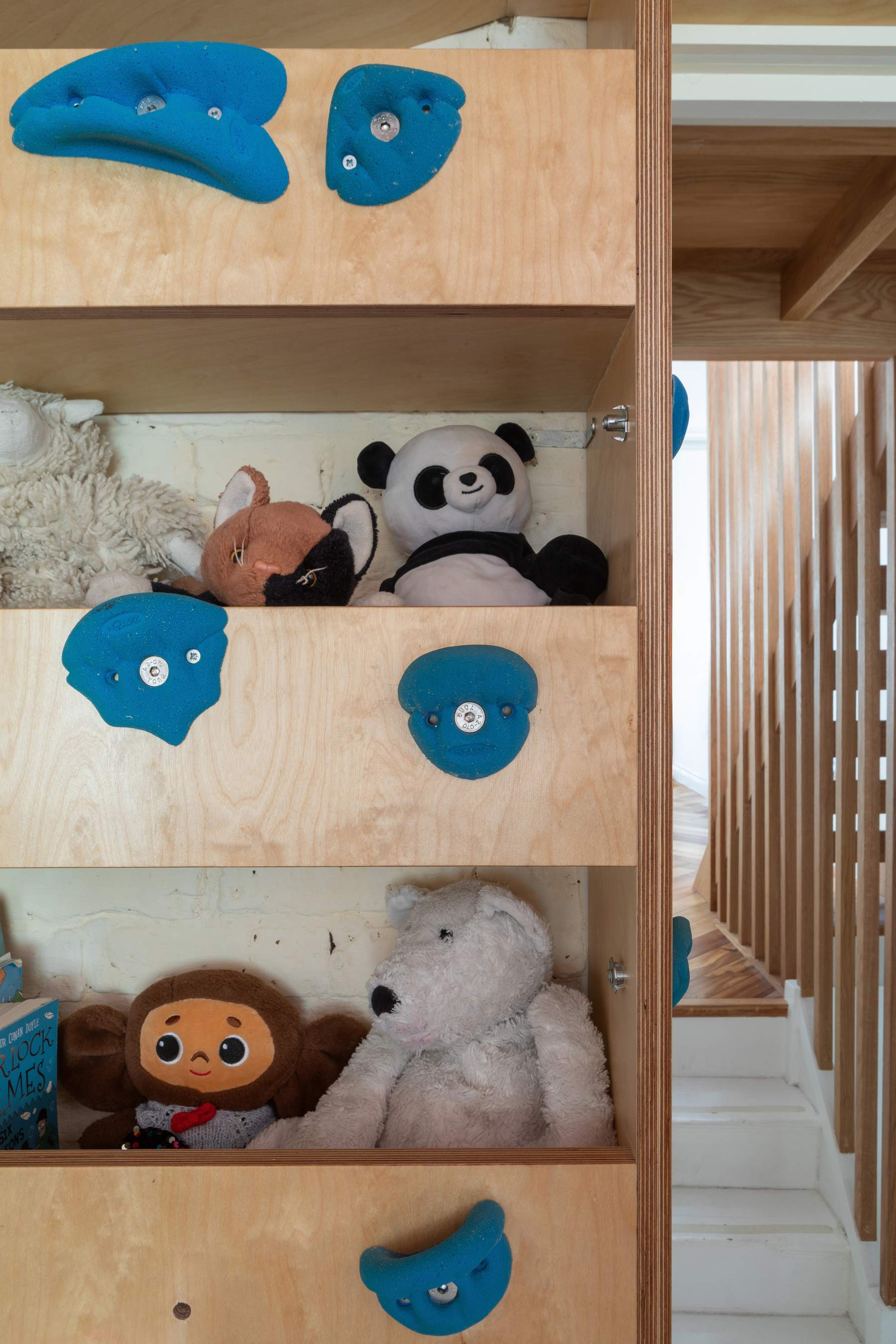
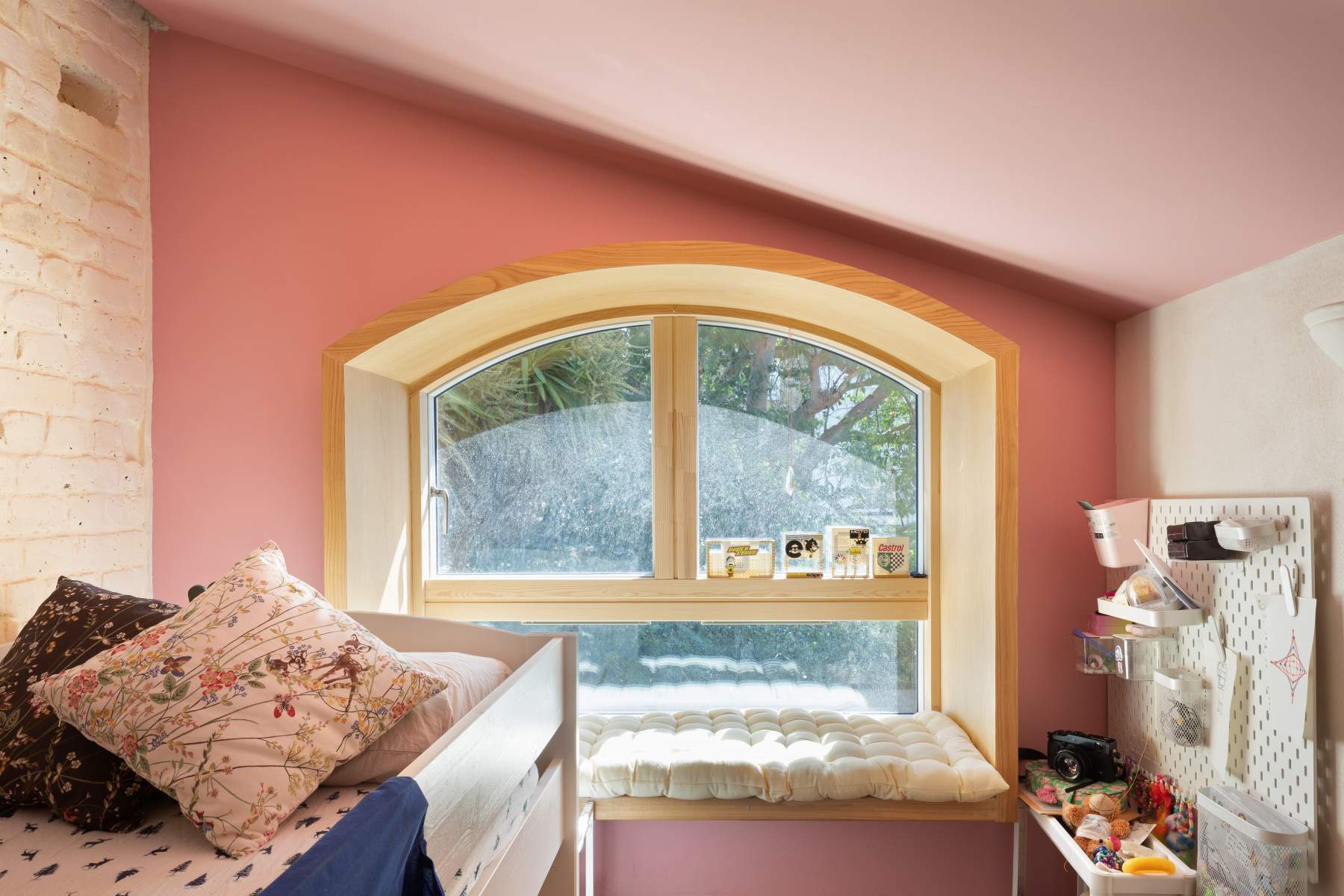
Returning to photograph the house, we felt we were stepping into a welcoming family home rather than simply revisiting a project that performs well technically. The new images capture a home filled with natural light, warmth and everyday life. Spaces that were once disconnected now flow effortlessly into one another and out towards the garden, creating an environment that feels calm, generous and connected to nature.
The project's environmental strategy combines a fabric-first retrofit with passive design and natural ventilation significantly reduce energy demand while improving comfort. Low embodied carbon materials and biodiversity-led landscaping further reduce the building's environmental impact.
These strategies are integrated into the design rather than expressed as visible features. Improved daylight, framed views of the garden and a stronger connection between inside and outside create bright, comfortable living spaces.
Projects like Sefton House highlight the potential of retrofit to reduce the environmental impact of our built environment. Existing buildings already hold significant value, not only in their embodied carbon but also in their history, character and place within our communities. Sensitive, performance-led interventions enable these buildings to serve future generations while significantly reducing their environmental impact.