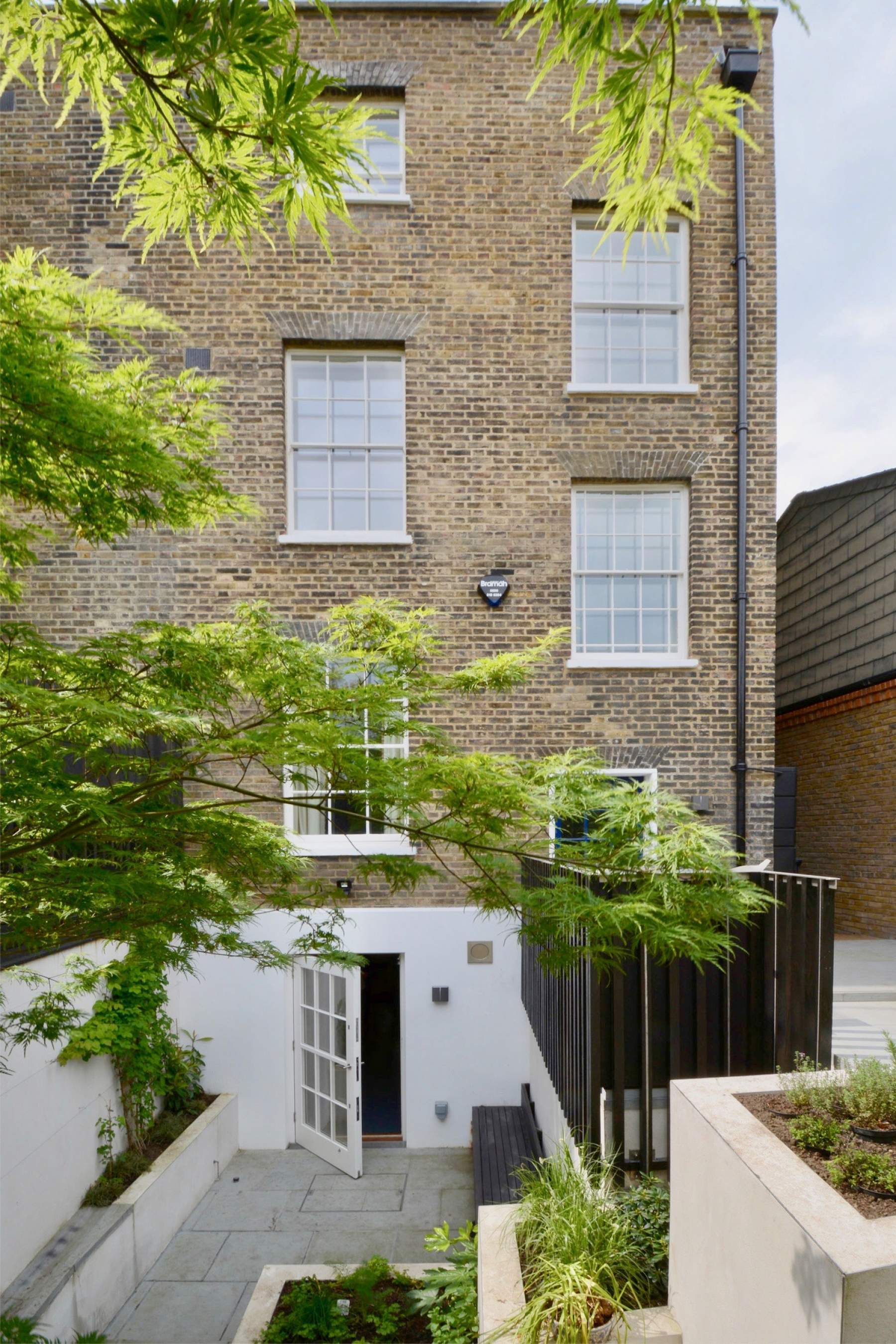
Retrofitting Victorian Houses to Passivhaus Standards
17.06.26
Victorian buildings are often assumed to be incompatible with Passivhaus standards. Their solid masonry construction, historic detailing and conservation constraints can appear at odds with the rigorous performance requirements of ultra-low-energy design. Our experience suggests otherwise.
At Arboreal Architecture, we have worked with a number of Victorian houses, including Grade II listed buildings and properties within Conservation Areas, demonstrating that exceptional energy performance can be achieved while respecting architectural character and historic significance. Several of our projects have reached Passivhaus levels of performance, including certified EnerPHit standards.
For us, however, retrofit is about more than meeting energy targets. We combine Passivhaus methodology with a deep understanding of traditional construction, favouring natural, breathable and low-impact materials wherever possible. We believe the most successful retrofit projects are those that improve comfort, health and energy performance while safeguarding the long-term integrity of the building fabric.
This approach has informed a range of our work, including an award-winning Victorian townhouse retrofit in Clapham, recognised with the CIBSE Building Performance Award for Residential Building of the Year.
Sustainable Retrofit of a Grade II Listed Victorian Townhouse
This 170-year-old Grade II listed townhouse demonstrates how Passivhaus retrofit principles can be successfully applied to historically significant buildings. The project was the first listed building in England to achieve the AECB Silver Performance Standard and received the CIBSE Building Performance Award for Residential Building of the Year.
A fabric-first retrofit reduced space-heating demand by over 75%, from 180 kWh/m²/yr to 40 kWh/m²/yr, while improving airtightness from 9.6 ACH to 1.8 ACH. The solid masonry structure was upgraded using nine bespoke insulation systems, selected according to local hygrothermal and thermal-bridge conditions. Original sash windows and doors were retained and enhanced through secondary glazing.
The design combined airtightness improvements, thermal bridge mitigation and moisture-safe insulation strategies. Embedded wireless sensors monitored hygrothermal performance within the historic fabric, informing both the retrofit design and subsequent research presented at the 18th International Passivhaus Conference.
Whether you are planning a retrofit of a Victorian property or exploring the potential of Passivhaus standards, we would be delighted to hear from you. Contact us to arrange an initial meeting and discuss how your building can be made more comfortable, efficient and future-ready while preserving its unique character.