Learning from Nature: The Giant Purple Barnacle
25.11.26
A natural example of structural design
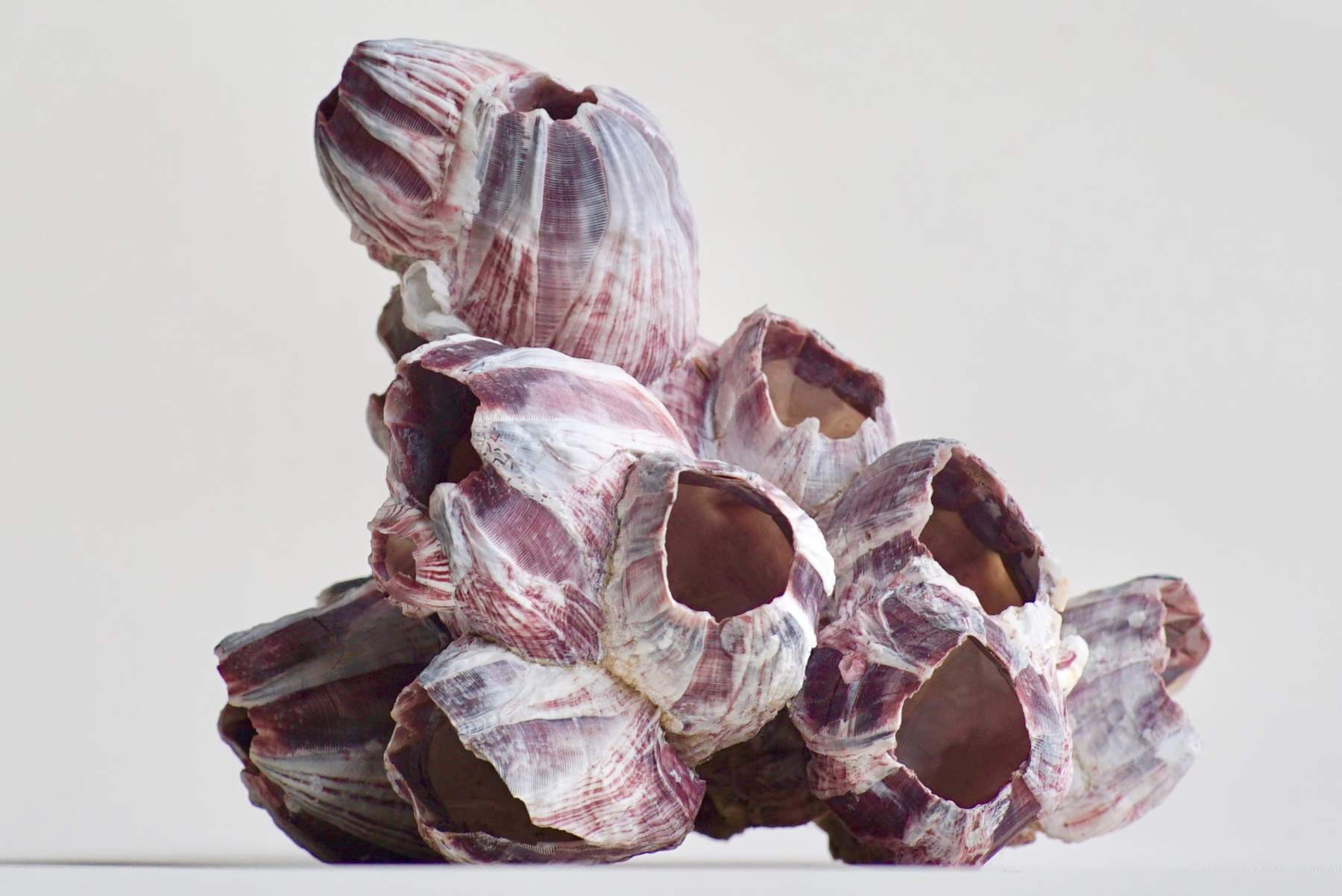
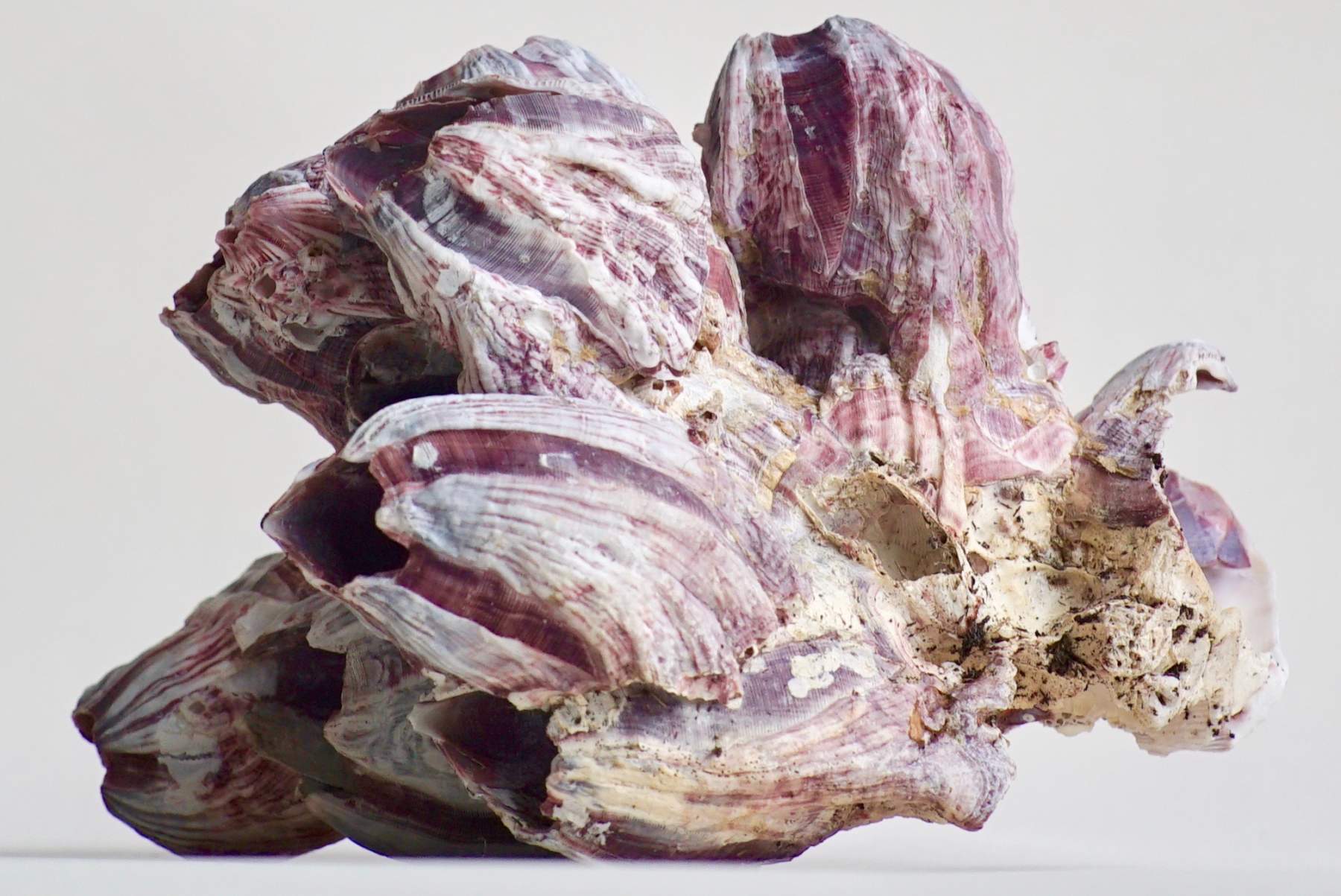
Permanently attached to rocks, reefs and submerged structures, the Giant Purple Barnacle must withstand waves, currents and changing marine conditions throughout its life.
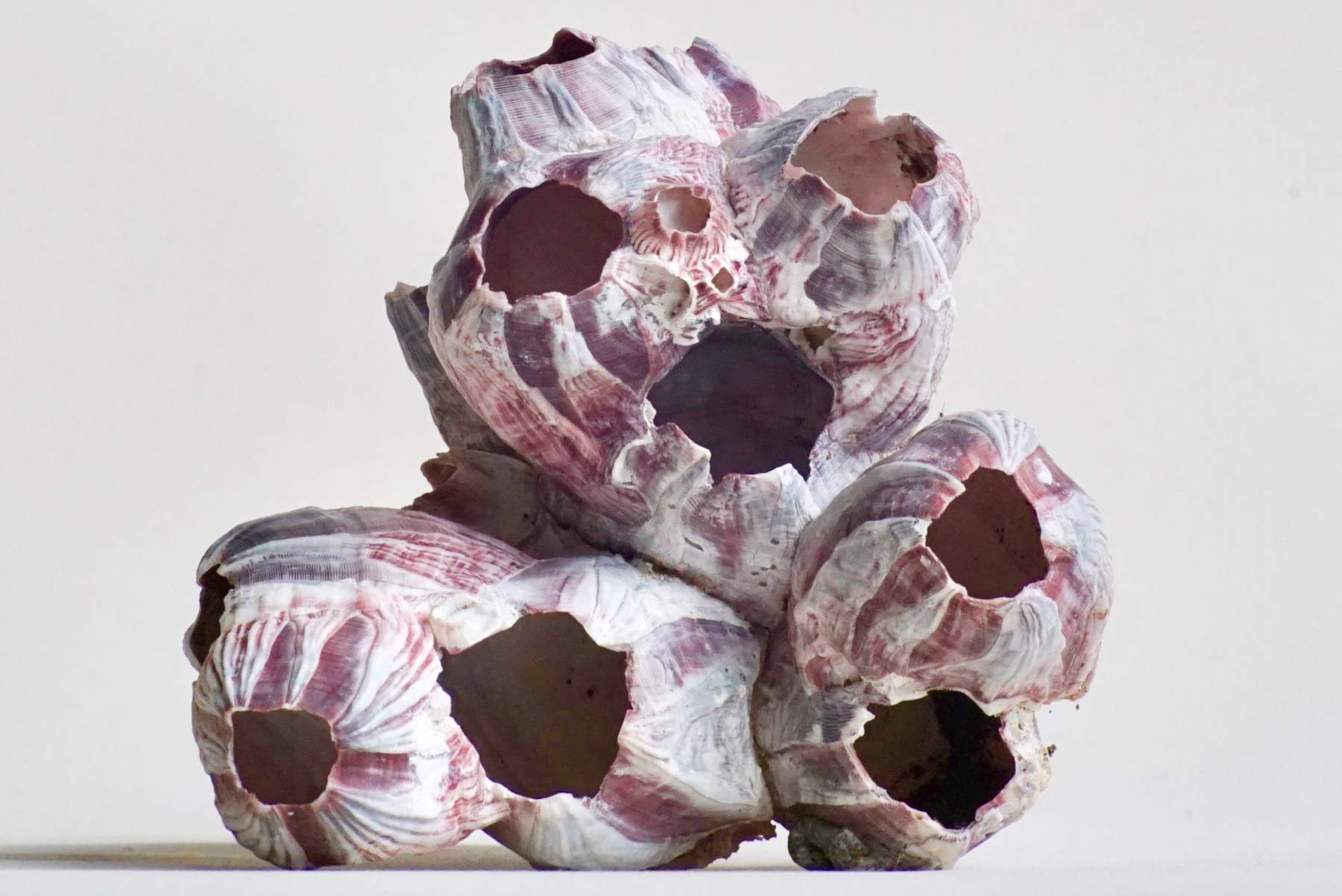
Its protective shell is made from interlocking mineralised plates, forming a robust enclosure around its soft body. At its base, a specialised biological adhesive secures it to the supporting surface, allowing it to remain firmly attached even in turbulent water.
The barnacle also has an efficient feeding system. When conditions are suitable, it opens the small plates at the top of its shell and extends feathery appendages called cirri into the water. These capture plankton and suspended organic particles carried by the current. When exposed to unfavourable conditions, the plates close to protect the animal.
Every part of its structure has a purpose: protection, attachment, feeding and adaptation to its environment.
From biological systems to architectural thinking
Looking closely at the barnacle reveals several principles that can be explored in architecture:
Structural organisation: Interlocking plates create a protective enclosure, offering an example of how smaller components can work together as a coherent structure.
Natural adhesion: Its biological adhesive demonstrates how organisms form strong, permanent connections with different surfaces.
Environmental adaptation: Its shell and feeding mechanisms respond to changing conditions, showing how form and function are closely connected.
Material efficiency: Its mineralised structure provides protection while integrating several functions within a relatively compact form.
These observations offer starting points for questions about how buildings can be assembled, how materials can work together and how architectural elements can respond to their surroundings.
Why nature matters to Arboreal
Our name, Arboreal Architecture, reflects our connection with trees and the wider natural world. It represents an approach to architecture grounded in observation, ecological understanding and learning from natural systems.
We look beyond the appearance of natural forms to understand the processes behind them: how trees manage water and energy, how organisms respond to climate, how structures provide protection, and how different materials and systems interact.
This way of thinking informs our work on ecological homes and sustainable buildings. From the choice of natural and low-carbon materials to the design of building envelopes, passive environmental strategies and the relationship between a building and its landscape, we aim to create architecture that responds intelligently to its context.
The Giant Purple Barnacle is just one example of the extraordinary solutions found in nature. By taking the time to observe and understand them, we can broaden the way we think about architecture.
For us, designing ecologically begins with looking more closely at the natural world.