Change of Use: Unlocking the Potential of Existing Buildings and Sites
10.11.26
When is planning permission required?
A change of use occurs when the purpose for which a building or piece of land is used changes. In England, planning legislation groups different types of use into categories known as Use Classes, defined by the Town and Country Planning (Use Classes) Order.
Generally, planning permission is not required when a proposed use falls within the same Use Class as the existing use. For example, a number of commercial, business and service activities fall within Use Class E, allowing certain changes between them without a planning application.
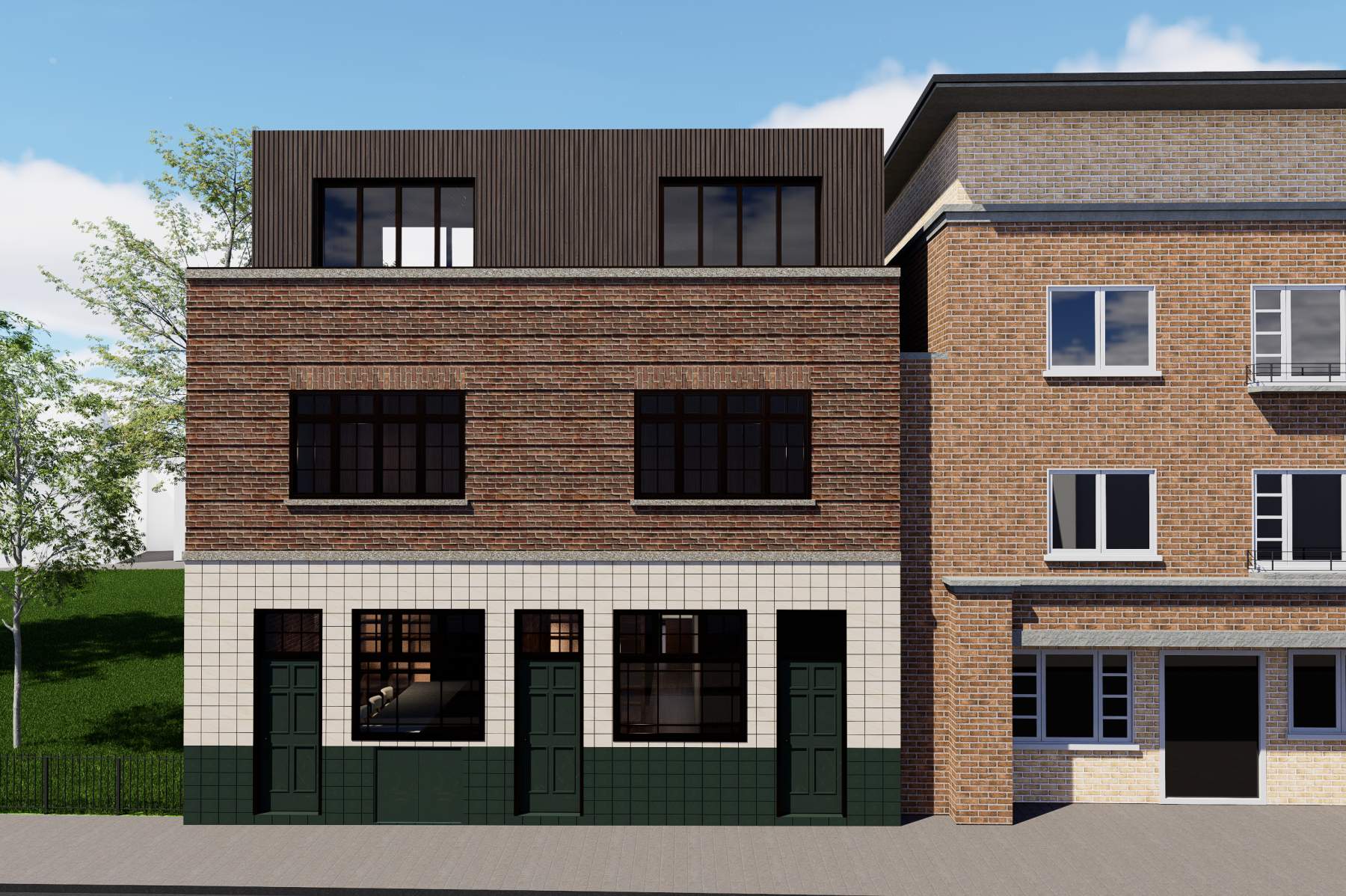
A change from one Use Class to another may constitute a material change of use and usually requires planning permission. However, some changes are covered by permitted development rights, which grant planning permission through national legislation, provided that the proposal meets the relevant conditions and limitations.
These rights can sometimes allow, for example, the conversion of certain commercial buildings to residential use. Depending on the specific right, an application for prior approval may still be required before the change can proceed.
Understanding the constraints
Permitted development rights are not universal. Their availability depends on the existing and proposed uses, the building's planning history, its location and the specific conditions attached to the relevant legislation.
Restrictions may apply to listed buildings, conservation areas and other designated or protected sites. Planning conditions or local restrictions may also affect the rights available. In some cases, separate consents, including listed building consent, may be required for associated works.
Prior approval allows the local planning authority to assess particular aspects of a proposal specified in the relevant permitted development right. Depending on the type of change, these may include transport and highway impacts, flooding and contamination risks, noise, natural light, fire safety or the external appearance of the building.
It is also important to distinguish between a change of use and the building work needed to make that change possible. Even where the change of use itself is permitted, alterations to the building may require separate planning permission, building regulations approval or other consents.
Establishing the planning history and understanding the site's constraints at an early stage can therefore make a significant difference to the feasibility and direction of a project.
A considered approach to unlocking potential
For us, a planning constraint is not simply a barrier to overcome. It is part of the context that informs the design response.
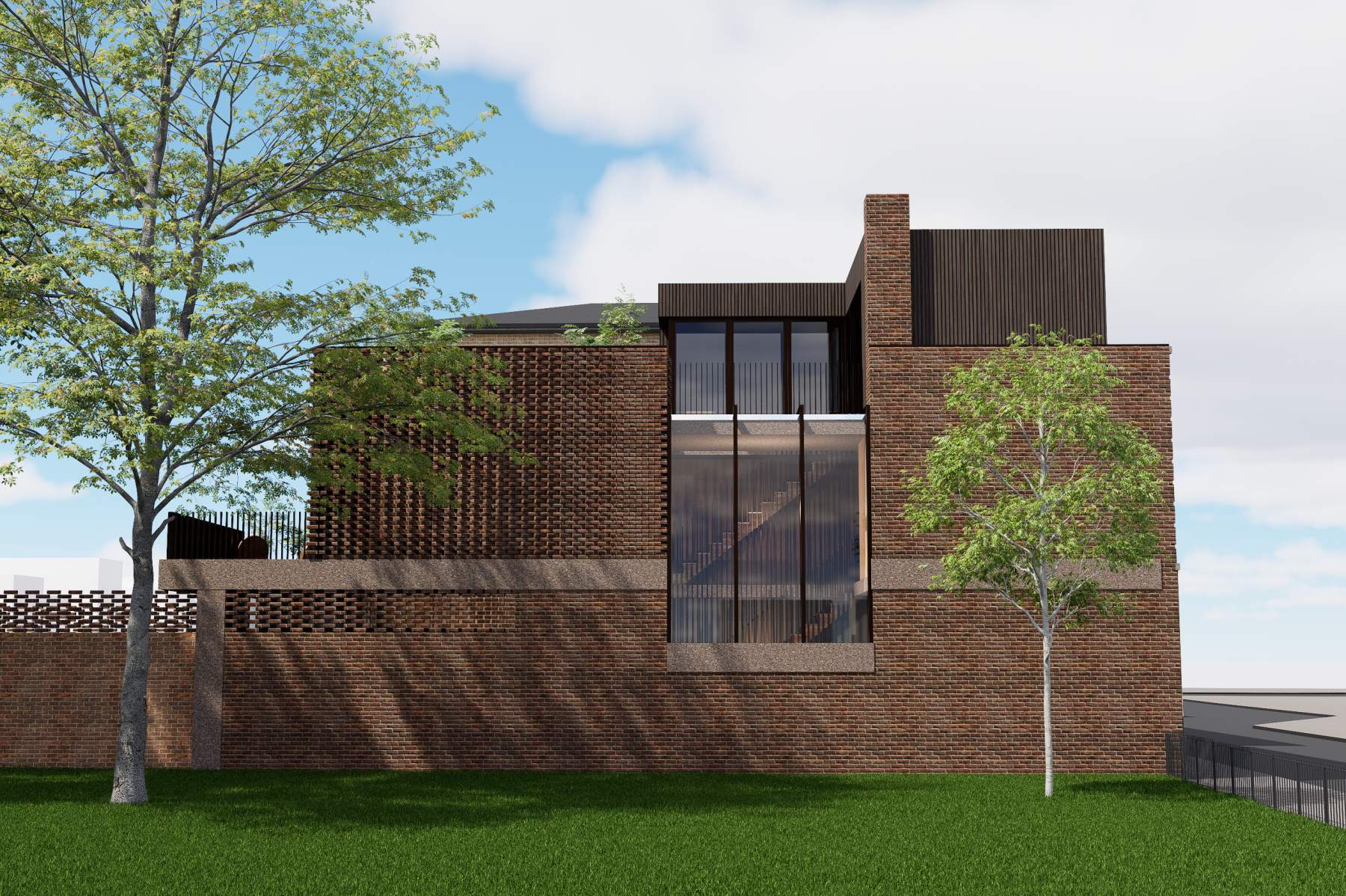
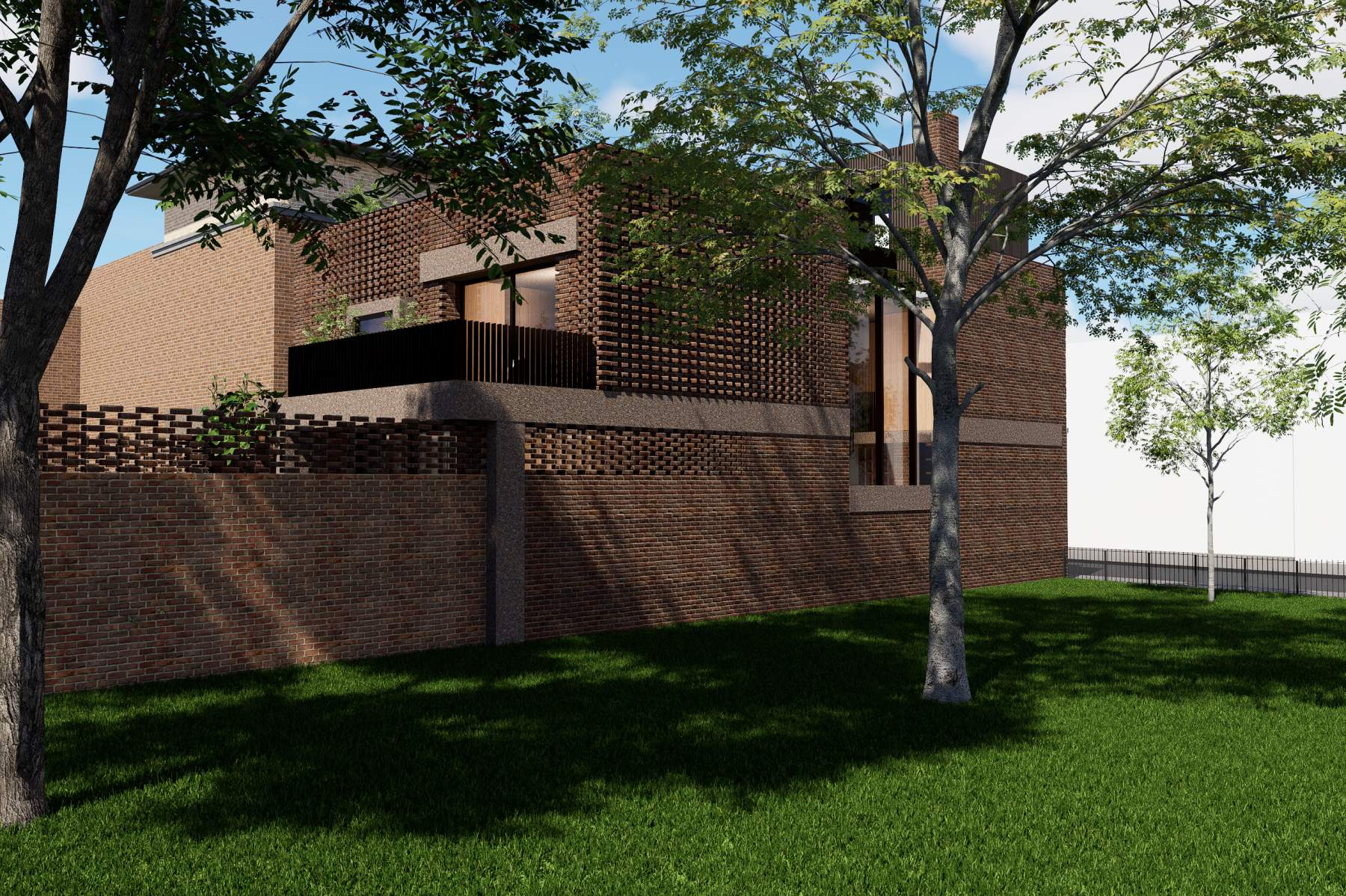
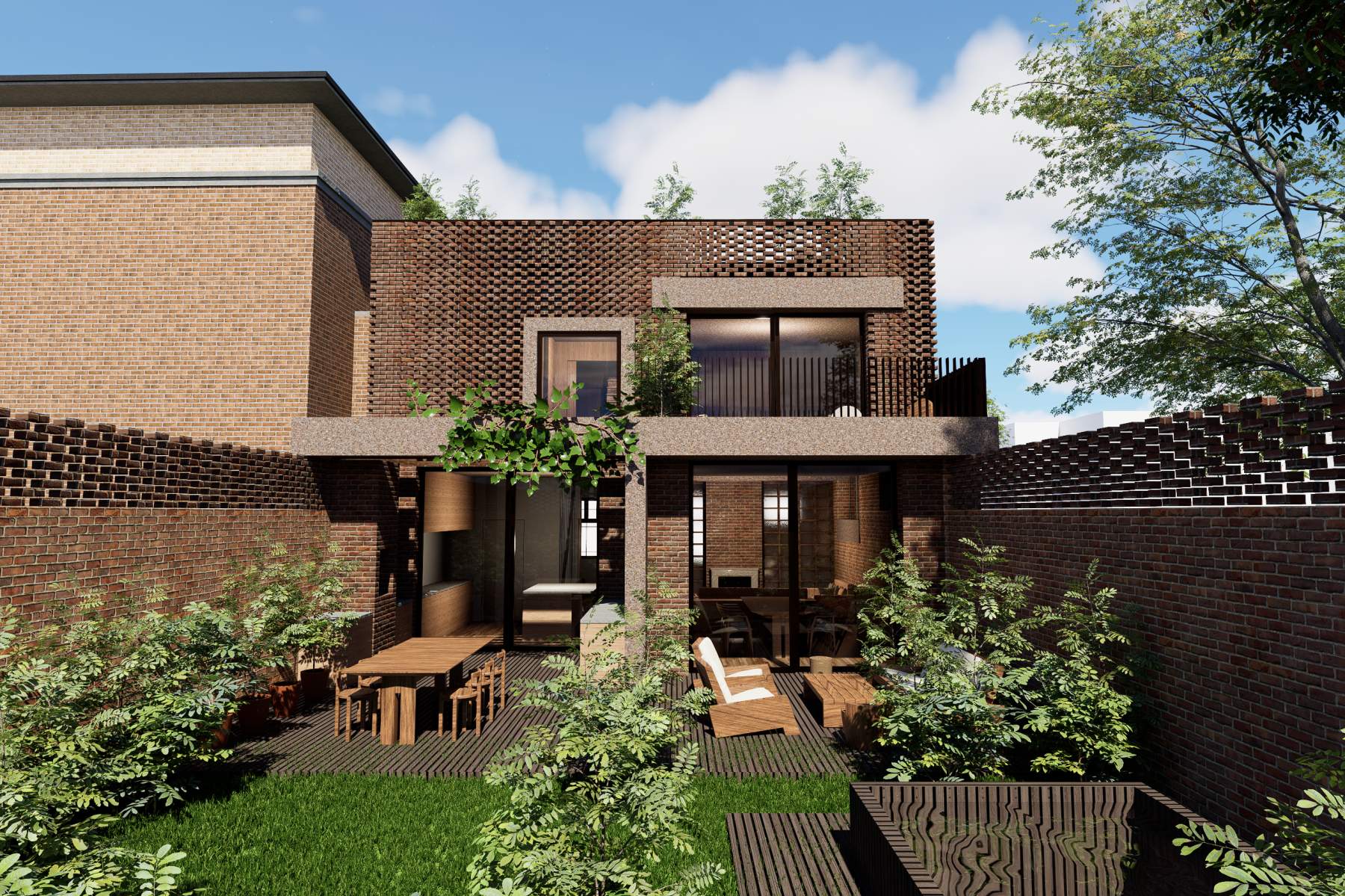
We look at the existing building, its surroundings and its ecological value alongside the proposed use. This may mean finding ways to retain and adapt existing structures, work around established trees, protect habitats or introduce new uses that make better use of an underperforming site.
Our work spans residential, workspace, new-build and urban projects. Across these, we aim to combine planning insight with thoughtful design, low-carbon materials and careful consideration of building performance.
Every site holds potential, but realising it requires more than identifying what the planning framework allows. It requires understanding how a place can work better for its occupants and its wider environment.
Considering a change of use for your building or site? Arboreal Architecture can help you understand the planning constraints, assess the opportunities and develop a considered route forward.