A Day at Haw Lane Passivhaus
23.09.26
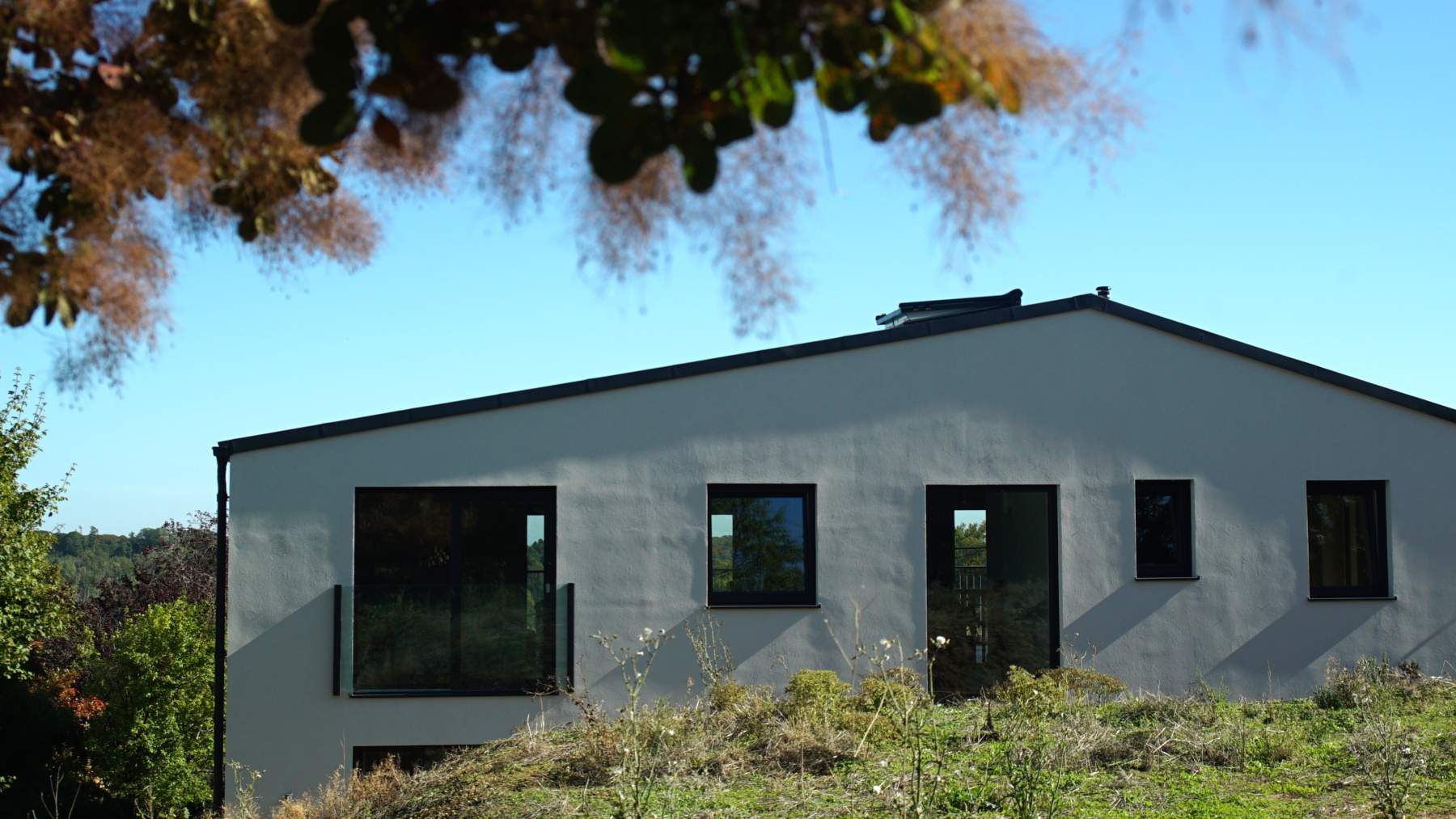
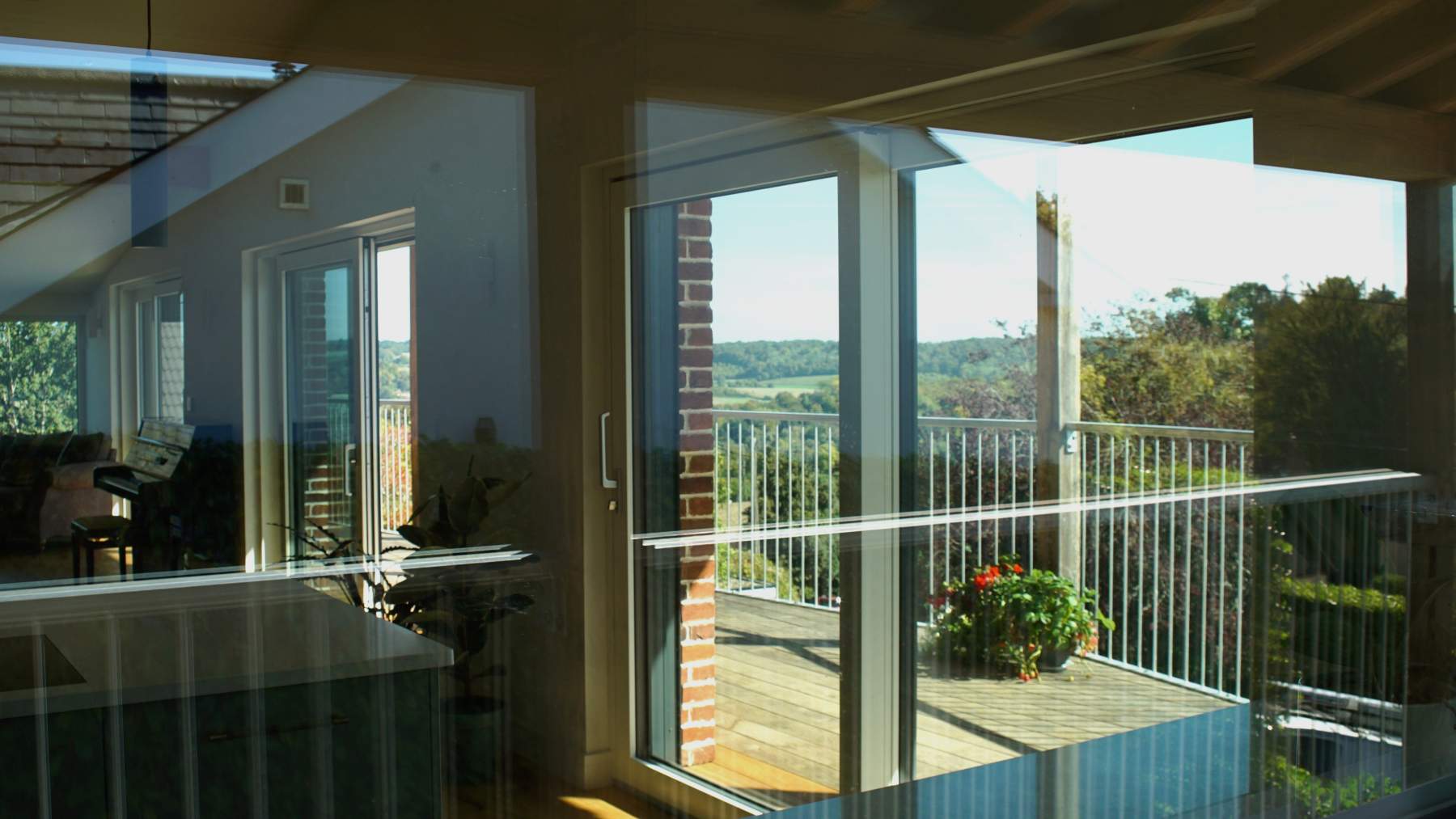
Our visual team recently spent a day at the almost completed Haw Lane Passivhaus, set within the Chiltern Hills. The location was as much a part of the experience as the building itself: long views across the landscape, open fields and a frequent shadow of red kites soaring overhead.
From the balcony and covered porch, we had an exceptional view of the surrounding landscape and the birds flying remarkably close to the house. Red kites were once extinct in England, but their successful reintroduction to the Chiltern Hills through a landmark conservation programme has made them a familiar part of the local landscape. The programme began in the 1990s, with birds brought from Spain and other European countries as part of efforts to restore the species.
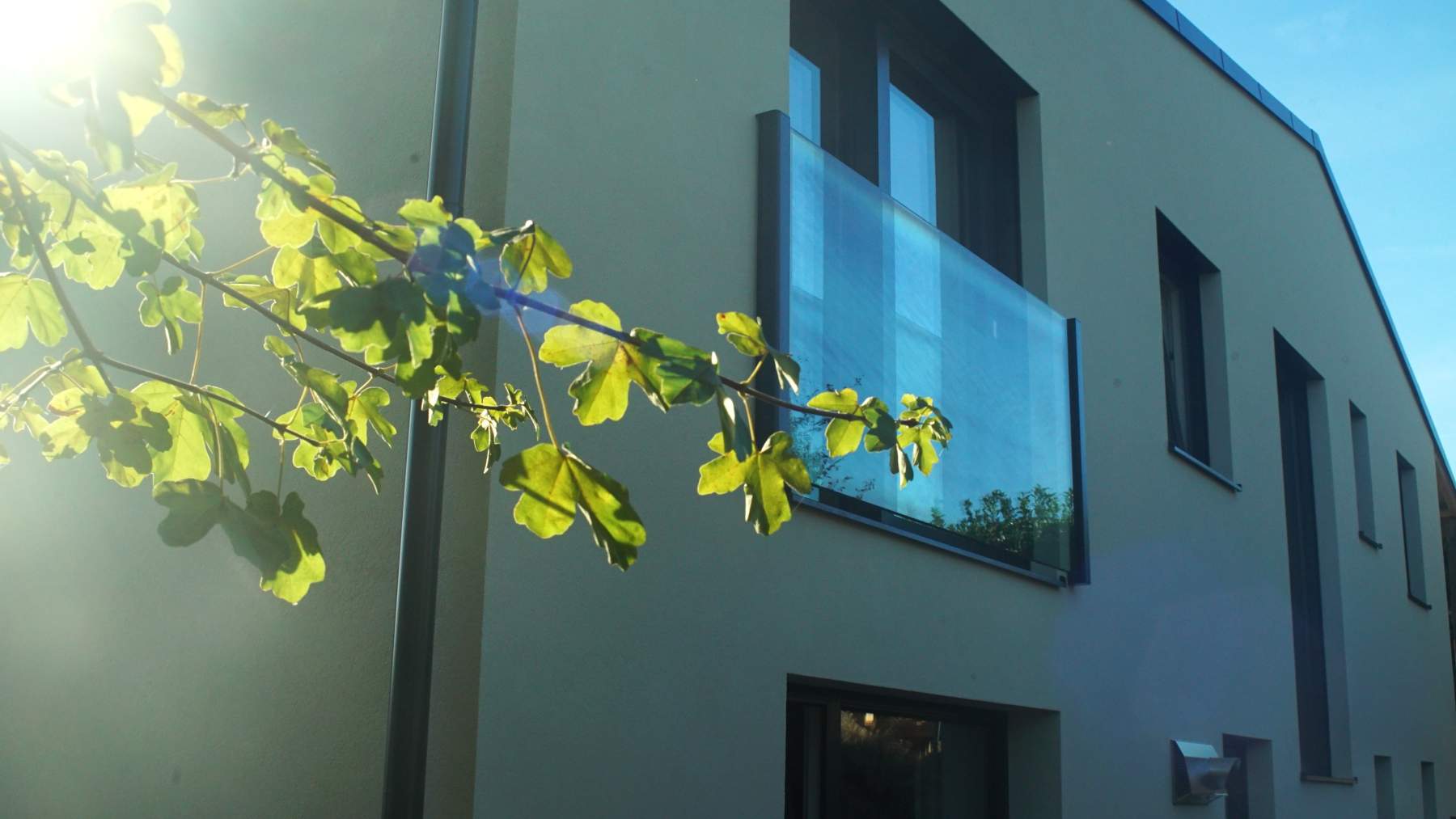
While our team was there to photograph and film the house, the visit also provided an opportunity to experience its performance during the summer heat. With the UK experiencing repeated heatwaves and temperatures rising, Haw Lane remained comfortable indoors. External blinds helped control solar gain and shading, while the building's highly insulated and airtight envelope helped maintain a stable internal temperature.
Passivhaus design is often discussed in relation to winter performance, reducing heat loss and maintaining warmth with very little energy. But the principles work in both directions. Careful orientation, shading, insulation, airtightness and ventilation can also help prevent overheating during increasingly hot summers.
At Haw Lane, this was particularly noticeable: while the landscape outside was exposed to the heat, the interior remained calm and comfortable.
We’ll be sharing photographs and videos from the visit soon, including more of the house, its relationship with the Chiltern landscape and the details of its Passivhaus design.
For enquiries about sustainable architecture, Passivhaus or retrofit projects, contact Arboreal Architecture on 07503 221 761 or at info@arborealarchitecture.com.