Sustainability Through Teaching and Practice
Tom Raymont’s commitment to sustainable architecture extends beyond practice and into education, where he has spent more than a decade teaching across some of London’s leading schools of architecture. Alongside his work delivering low-carbon residential retrofits and environmentally responsive homes, Tom has developed a teaching approach centred on climate-conscious design, material responsibility, and the integration of environmental thinking into the architectural process from the earliest stages of design.
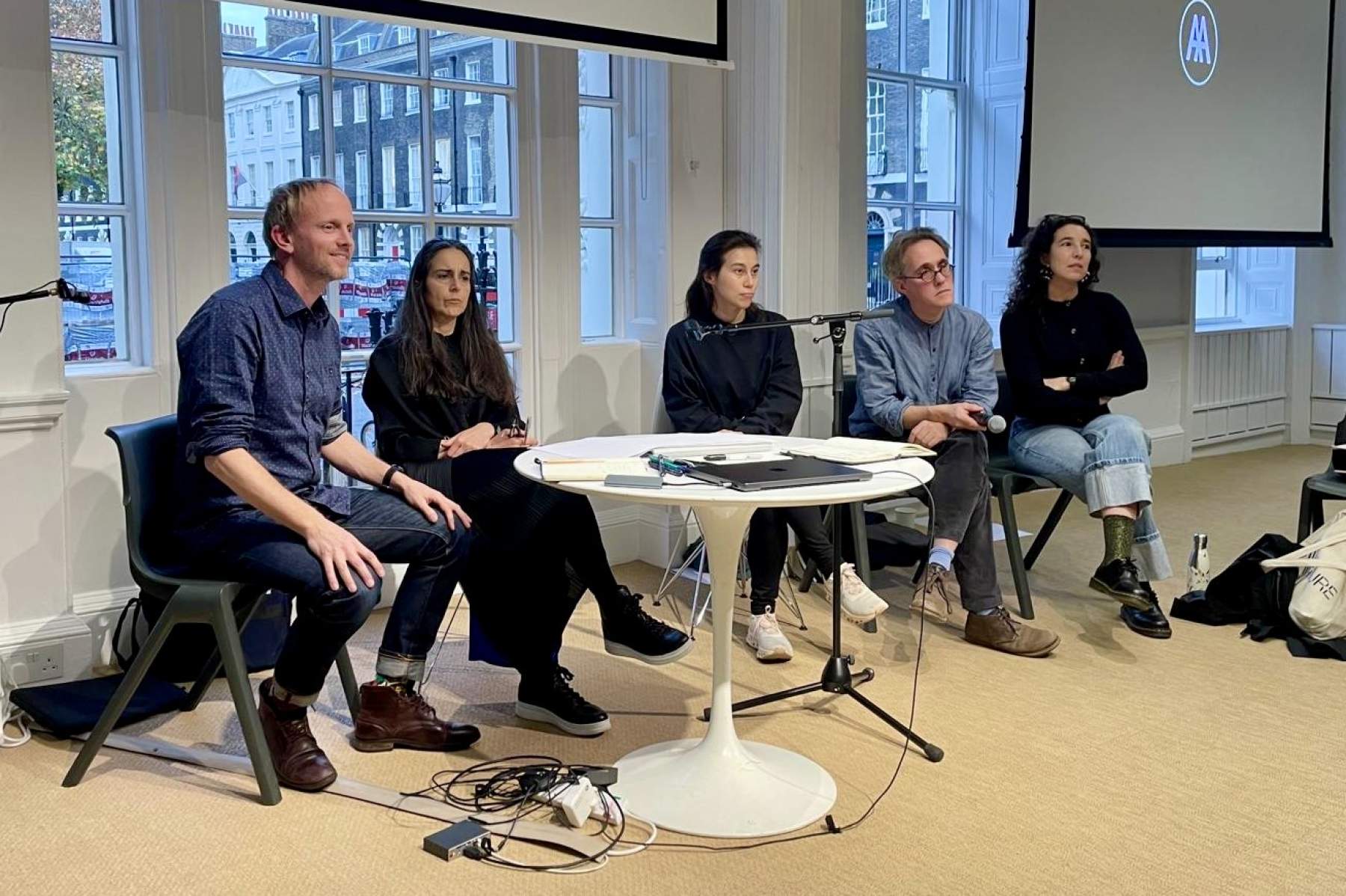
Tom currently teaches at the prestigious Architectural Association (AA) in London, contributing to the school’s Environmental & Technical Studies programme across multiple year groups. His teaching explores the relationship between architecture, climate, materials, energy, and construction - encouraging students to see environmental performance not as a technical afterthought, but as a fundamental driver of spatial and architectural quality.
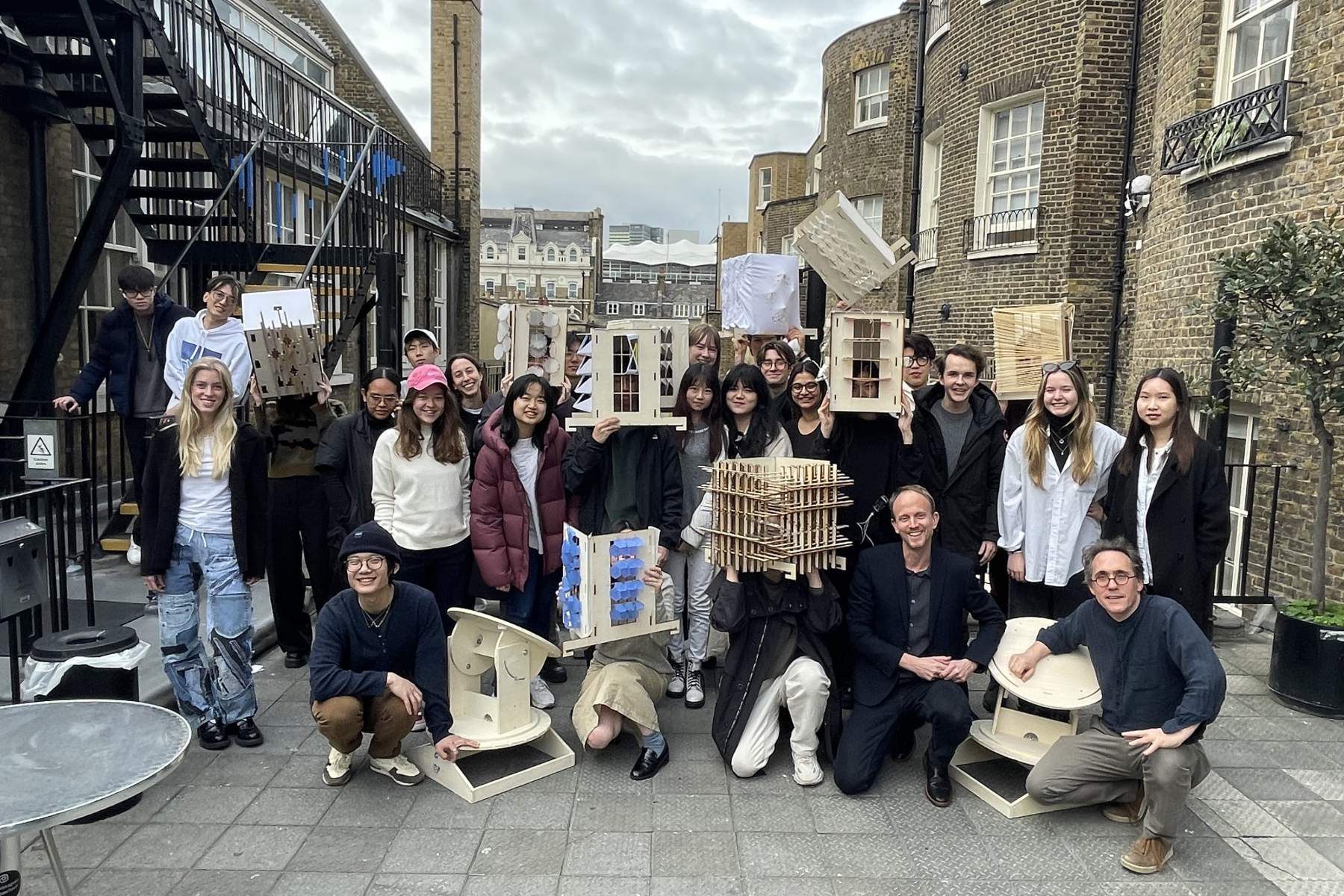
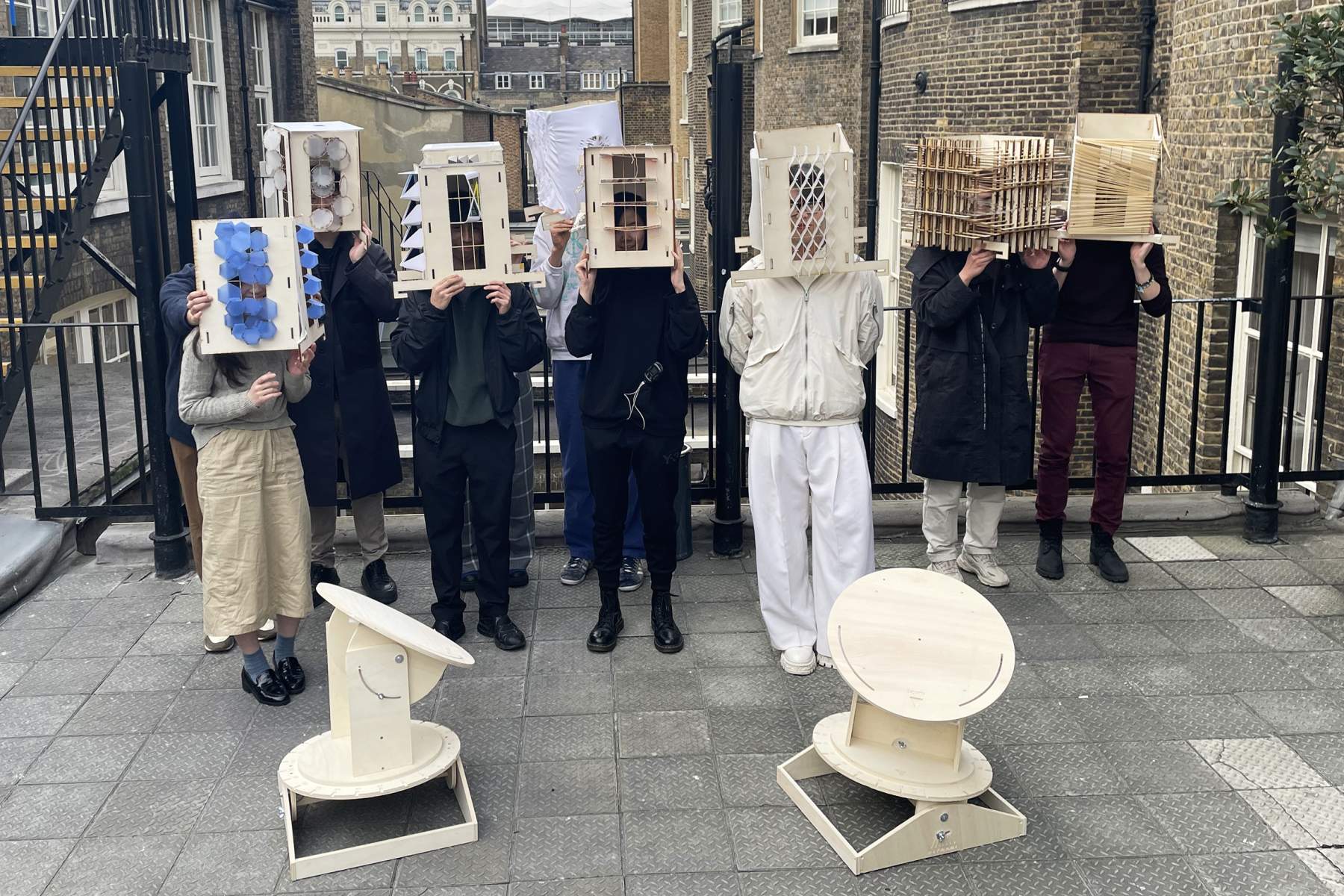
Across his courses, students investigate how buildings can respond intelligently to environmental conditions through passive design strategies, material innovation, and circular construction methodologies. Working through live case studies, environmental analysis, and hands-on experimentation, students are encouraged to engage critically with the urgent challenges posed by climate change and the construction industry’s environmental impact.
At the AA, Tom has taught within both undergraduate and diploma programmes, including first-year environmental studies, fourth-year technical investigations, and fifth-year design thesis development. His teaching has addressed themes including daylight and thermal performance, material lifecycles, passive environmental design, adaptive reuse, embodied carbon, circular economy principles, and responsive building systems.
A particular focus of his recent teaching has been the relationship between architecture and material responsibility. Through courses such as Responsive & Responsible Materials and Environment, students examine how construction materials are extracted, fabricated, used, maintained, and ultimately reused or recycled. These investigations align closely with the AA’s Cinnovate initiative, which promotes circular design thinking and sustainable innovation within architectural education.
Tom also brings professional practice directly into the studio environment. In recent years, students have studied live residential retrofit projects delivered through A-Zero Architects and Arboreal Architecture, engaging with the realities of construction, coordination, environmental performance, and low-carbon design delivery. By introducing structural engineers, contractors, suppliers, and consultants into the teaching process, students gain a deeper understanding of how sustainable architecture is realised collaboratively in practice.
Prior to his current role at the AA, Tom taught at the University of Westminster and Central Saint Martins, where he led and contributed to design studios focused on architecture, ecology, spatial experimentation, and material thinking.
Throughout his teaching, Tom’s aim has remained consistent: to equip future architects with the tools, knowledge, and critical awareness needed to design buildings that are environmentally responsible, materially intelligent, and socially resilient. His work in education reflects the same values that underpin his architectural practice - a belief that sustainable design should be ambitious, rigorous, and embedded within every aspect of the built environment.
Environment: Years 2024 - 2026
This course explores the critical influence of material and environmental factors in the design process. Through a dynamic mix of lectures and hands-on workshops, students will examine how design can respond intelligently to both climate and material context-balancing performance with user experience. In line with the AA’s Cinnovate Initiative, this curriculum places a strong emphasis on circular design and innovation. Students engage with a range of methodologies, applying their learning to create design solutions that are environmentally and materially informed.
Architectural Association. The Environmental and Technical Studies (ETS 4) – Fourth Year
This course examines two live residential projects delivered by the tutor’s practices in London: one by A-Zero Architects and the other by Arboreal Architecture. Over the course of seven weeks, students investigate both projects from a variety of perspectives, and are joined by the projects’ structural engineers, contractors, and selected consultants and suppliers. Their perspectives each offers a different insight into the design, delivery and construction of a project, allowing students to understand the underlying complexity and co-ordination that is required to bring a project into being.
Tutors: Giles Bruce, Tom Raymont
Architectural Association. The Environmental and Technical Studies (ETS 5) – Design thesis - Fifth Year
Fifth Year students develop a technical Design Thesis under the guidance of Javier Castañón and the Diploma ETS Staff. Tutorial support and guidance is also provided within the design unit. The central interests and concerns of the work may emerge from current or past design work, or from one of the many lectures and seminar courses students have attended in previous years. The Design Thesis synthesises the technical and architectural agendas that arise within the design units, and is developed through case studies, material experiments, extensive research and consultation.
Tutors: Tom Raymont, Xavier Aguiló, Francesco Anselmo, Giles Bruce, Javier Castañón, Laura de Azcárate, Anna Font, Joana Gonçalves, Alan Harries, David Illingworth, Jisoo Hwang, Sho Ito, Omid Kamvari, Nacho Martí
First Applications: Environment – Winter 2021
Architectural Association. Environment & Technical Studies – First Year (ETS 1)
First year students – many of whom had never been to the buildings of the Architectural Association (AA) due to the Coronavirus pandemic – took the buildings in Bedford Square as their site for investigation from afar. Working with physical models they explored how daylight and sunlight affected a series of spaces and developed an understanding of both the measurable performance and sensed experience of light in architecture. They went on to propose alterations to the AA façade firstly at the scale of one room and then the scale of the whole terrace. These modifications created new intermediate spaces between inside and out, redefined the solar performance and experience of the rooms behind and finally transformed the appearance of the AA within the context of Georgian Bedford Square.
Tutors: Giles Bruce, Tom Raymont
Responsive & Responsible Materials: Winter 2021
Architectural Association. Environment & Technical Studies – Fourth Year (ETS 4)
Students took two existing buildings that were in construction or recently completed as case studies for understanding the lifecycle of construction materials, beginning with extraction from the natural world through fabrication, installation, maintenance in use to waste, recycling or other end of life scenarios. They assessed how responsible these material-processes were with respect to the emergency of climate and ecological breakdown and also how effective these materials were at responding to external environmental conditions and shaping internal environmental conditions. In small teams, students went on to propose reinventions of the two projects that could radically improve the responsive and responsible characteristics of their materials.
Tutors: Giles Bruce, Tom Raymont
Environment, Energy & Ecology: Autumn 2020
Architectural Association, Environment & Technical Studies – Second Year (ETS 2)
Working remotely due to the Coronavirus pandemic, students in teams of two scoured London looking for small infill sites in which they could propose a Tower House. These small houses, like their ancient Scottish and Irish ancestors, were a place to live autonomously for an extended period of time, to survive an enforced lockdown. Students analysed the measurable impacts of daylight, sunlight and wind through modelling software and developed responsive tower house designs. Further analysis of the environmental properties of their proposals allowed them to iterate designs to take advantage of passive strategies for staying warm in winter and keeping cool in summer. The project was carried out jointly with the second year Materials course.
Tutors: Giles Bruce, Joana Carla Soares Gonçalves, Tom Raymont
First Applications: Environment: Winter 2020
Architectural Association. Environment & Technical Studies – First Year (ETS 1)
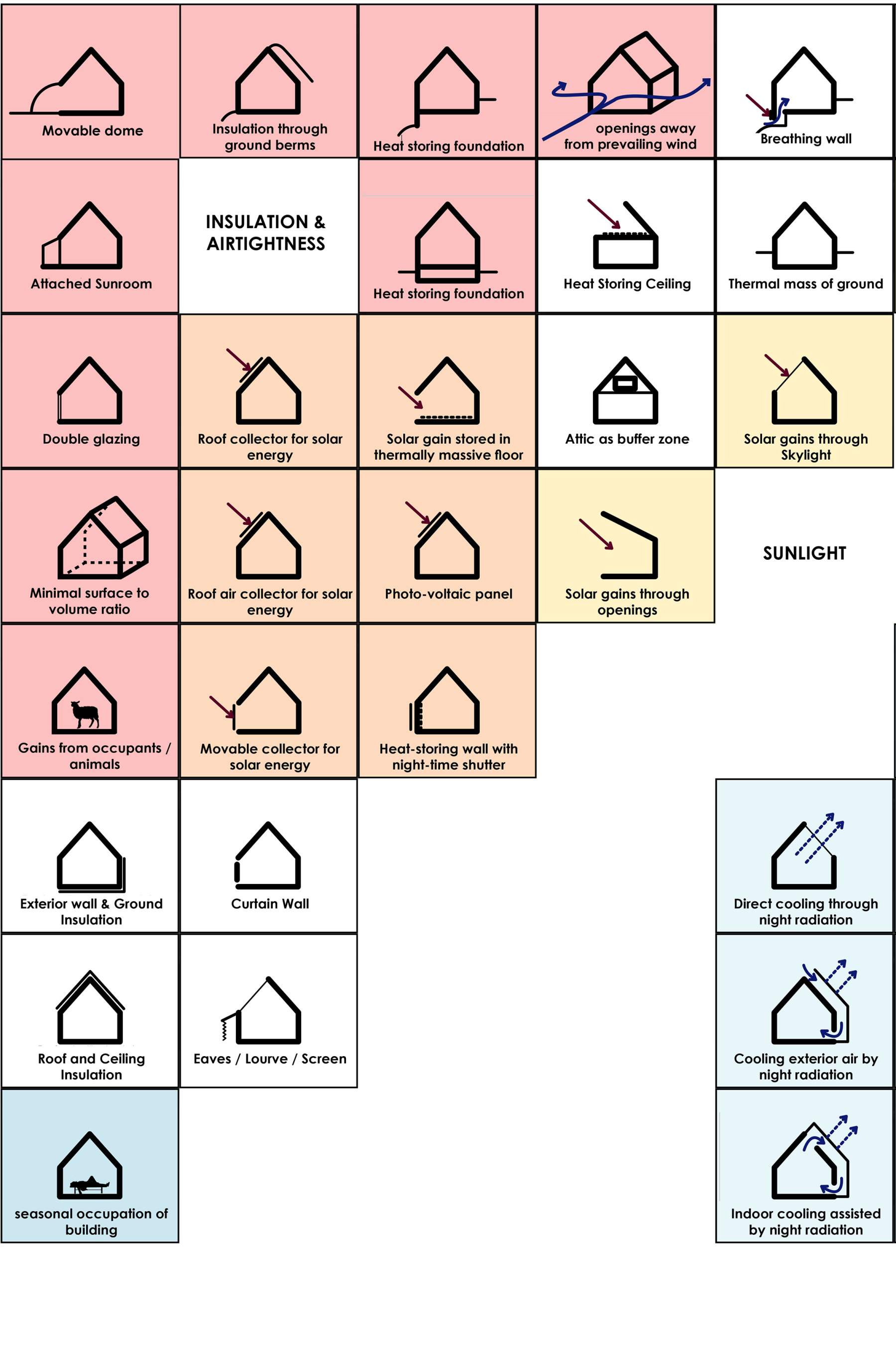
Students began by looking anew at the buildings of the Architectural Association (AA) around them, noticing the old fireplaces and coal shoots and tracking down the hot, dark and gassy boiler rooms. They uncovered the dirty secrets of uninsulated solid brick Georgian buildings kept warm by thousands of litres of natural gas being burned each day. Working in groups on each of the terraced buildings that make up the AA they explored and proposed alternate ways in which these spaces could be kept warm in winter and cool in summer. They developed understandings of a range of passive environmental techniques and put forward inventive ways for these to be used as drivers of design. Their proposals for new and transformed spaces in the AA revealed the links between thermal performance, experience and inhabitation of space.
Tutors: Giles Bruce, Tom Raymont
Tree Studio: 2016-17
University of Westminster. Architecture BA Hons - Second and Third Year
Tree Studio: 2015-16
University of Westminster. Architecture BA Hons - Second and Third Year
Design Studio: 2013-14
Central Saint Martins. Architecture BA Hons - Third Year