Arboreal Architecture
  • Approach
  • Projects
  • Practice
  • News
  • Arboretum
  • Beyond Certification: Passivhaus, EnerPHit and the Quest for Truly Ecological Buildings

    23.06.26

    Passivhaus vs EnerPHit: What's the Difference and Which Standard Is Right for Your Project?

    As the UK works towards net zero, attention is increasingly turning to the performance of our buildings. While Passivhaus has become the benchmark for ultra-low-energy construction, EnerPHit is emerging as its retrofit counterpart, offering a route to deep energy savings in existing buildings.

    Both standards are rooted in the same principles: reducing energy demand through high levels of insulation, exceptional airtightness, minimised thermal bridging and effective ventilation. The key difference lies in what they are designed to achieve.

    Passivhaus: The Gold Standard for New Build Performance

    Developed by the Passivhaus Institute in Germany, Passivhaus sets rigorous performance targets that are verified through detailed modelling and independent certification.

    A certified Passivhaus building must typically achieve:

    Space heating demand of no more than 15 kWh/m² per year

    Airtightness of no more than 0.6 air changes per hour (ACH) at 50 Pascals

    Strict limits on overall energy use and overheating

    Unlike many sustainability frameworks, Passivhaus is performance-based. Buildings are modelled using the Passivhaus Planning Package (PHPP) and tested during construction to ensure the completed building performs as predicted.

    The result is a building with very low heating demand, stable internal temperatures and consistently good indoor air quality.

    Why Existing Buildings Need a Different Standard

    Achieving Passivhaus performance is relatively straightforward in a new build, where orientation, form and construction can be optimised from the outset.

    Retrofitting an existing building is more complex. Structural constraints, heritage considerations, fixed window positions and unavoidable thermal bridges often make full Passivhaus certification impractical.

    To address this challenge, the Passivhaus Institute introduced EnerPHit in 2010.

    EnerPHit: Deep Retrofit with Realistic Targets

    EnerPHit applies the same fabric-first methodology as Passivhaus but recognises the limitations of existing buildings.

    For most UK retrofit projects, EnerPHit targets:

    Space heating demand of approximately 25 kWh/m² per year

    Airtightness of up to 1.0 ACH at 50 Pascals

    High-performance windows and doors

    Mechanical ventilation with heat recovery (MVHR)

    Significant reductions in thermal bridging

    While less demanding than Passivhaus, EnerPHit remains one of the most ambitious retrofit standards available.

    To put this into context, many older UK homes have a space heating demand in excess of 200 kWh/m² annually. Even a Building Regulations-compliant dwelling may require around 60 kWh/m². EnerPHit aims to reduce this figure by around 80–85%.

    Two Routes to Compliance

    EnerPHit can be achieved through two different pathways.

    The Heating Demand Method follows the same approach as Passivhaus, setting overall energy targets based on climate zone.

    The Component Method focuses on the performance of individual building elements such as walls, roofs, windows and ventilation systems. This route is often used where factors such as orientation or heritage restrictions prevent the building from meeting the overall heating demand target.

    Although the Component Method typically results in a higher heating demand, often between 30 and 40 kWh/m² per year, it still delivers a substantial improvement over conventional refurbishment standards.

    Beyond Energy Efficiency

    The benefits of both standards extend beyond reduced energy consumption.

    By combining airtight construction with continuous fresh-air ventilation, Passivhaus and EnerPHit buildings offer improved thermal comfort, better indoor air quality and reduced risk of condensation and mould growth. These outcomes are increasingly recognised as important health and wellbeing benefits, particularly in older housing stock.

    Is Certification Necessary?

    Not every low-energy project pursues formal certification.

    Many architects adopt Passivhaus or EnerPHit principles without seeking certification, using PHPP modelling, airtightness testing and thermal bridge analysis to guide design decisions.

    Certification adds an additional layer of independent quality assurance, helping to close the performance gap that often exists between design-stage predictions and completed buildings.

    At Arboreal Architecture, we support our clients whether they choose to pursue Passivhaus or EnerPHit certification or simply adopt their principles. However, our focus extends beyond operational energy performance alone. We are equally concerned with embodied carbon, material health and the wider ecological impact of a building. For this reason, we often favour natural insulation and low-carbon construction materials wherever possible. We believe that combining high-performance design with ecological materials allows us to make a more meaningful contribution to climate action than pursuing certification as an end in itself.

    Read more
    frame-8-7396dca59-2d48-44ac-be11-3a68d82b482e.jpg
  • Retrofitting Victorian Houses to Passivhaus Standards

    17.06.26

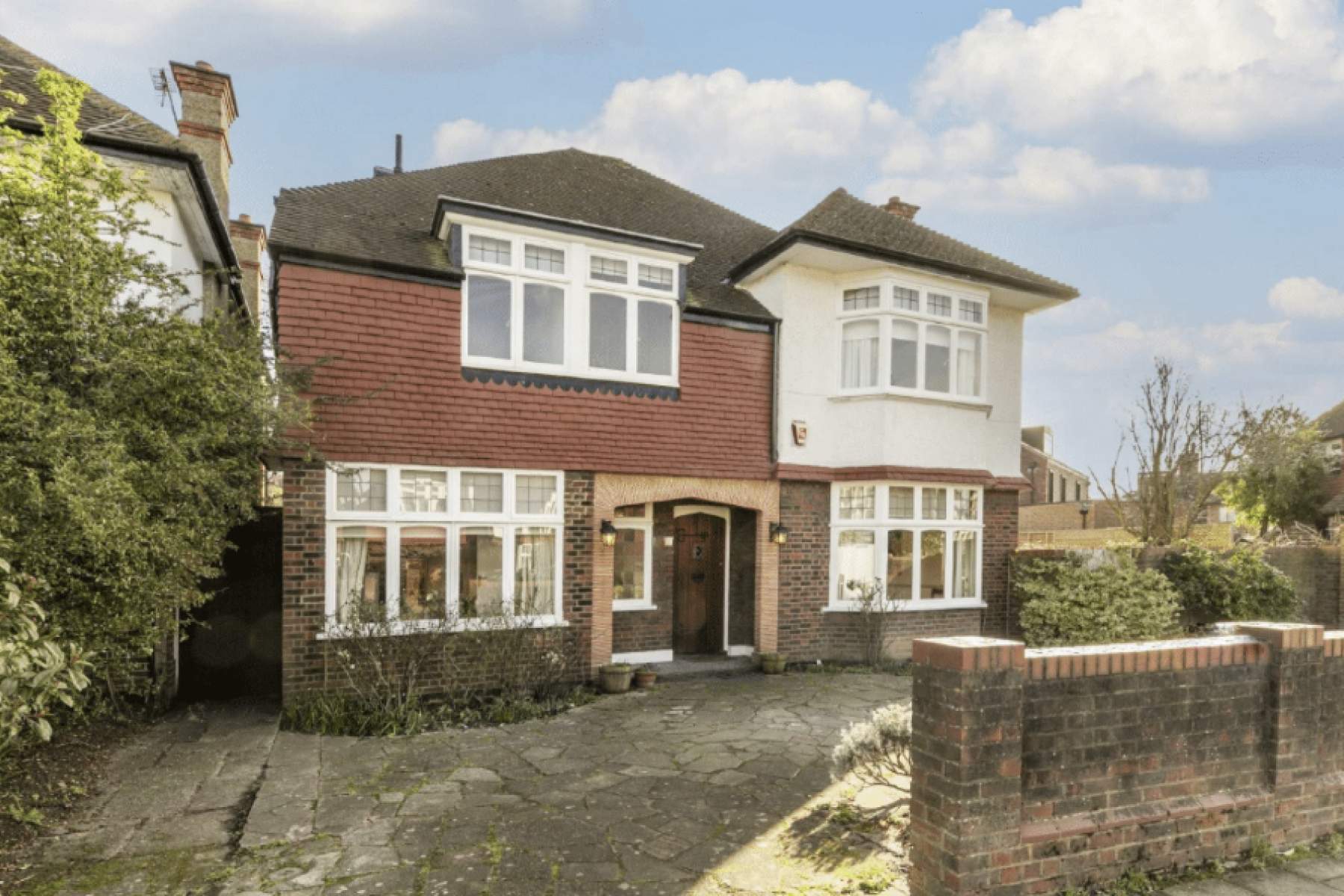
    Victorian buildings are often assumed to be incompatible with Passivhaus standards. Their solid masonry construction, historic detailing and conservation constraints can appear at odds with the rigorous performance requirements of ultra-low-energy design. Our experience suggests otherwise.

    At Arboreal Architecture, we have worked with a number of Victorian houses, including Grade II listed buildings and properties within Conservation Areas, demonstrating that exceptional energy performance can be achieved while respecting architectural character and historic significance. Several of our projects have reached Passivhaus levels of performance, including certified EnerPHit standards.

    For us, however, retrofit is about more than meeting energy targets. We combine Passivhaus methodology with a deep understanding of traditional construction, favouring natural, breathable and low-impact materials wherever possible. We believe the most successful retrofit projects are those that improve comfort, health and energy performance while safeguarding the long-term integrity of the building fabric.

    This approach has informed a range of our work, including an award-winning Victorian townhouse retrofit in Clapham, recognised with the CIBSE Building Performance Award for Residential Building of the Year.

    Sustainable Retrofit of a Grade II Listed Victorian Townhouse

    This 170-year-old Grade II listed townhouse demonstrates how Passivhaus retrofit principles can be successfully applied to historically significant buildings. The project was the first listed building in England to achieve the AECB Silver Performance Standard and received the CIBSE Building Performance Award for Residential Building of the Year.

    A fabric-first retrofit reduced space-heating demand by over 75%, from 180 kWh/m²/yr to 40 kWh/m²/yr, while improving airtightness from 9.6 ACH to 1.8 ACH. The solid masonry structure was upgraded using nine bespoke insulation systems, selected according to local hygrothermal and thermal-bridge conditions. Original sash windows and doors were retained and enhanced through secondary glazing.

    The design combined airtightness improvements, thermal bridge mitigation and moisture-safe insulation strategies. Embedded wireless sensors monitored hygrothermal performance within the historic fabric, informing both the retrofit design and subsequent research presented at the 18th International Passivhaus Conference.

    Whether you are planning a retrofit of a Victorian property or exploring the potential of Passivhaus standards, we would be delighted to hear from you. Contact us to arrange an initial meeting and discuss how your building can be made more comfortable, efficient and future-ready while preserving its unique character.

    Read more
    04.jpg
  • Fresh Air by Design: An Introduction to MVHR

    16.06.26

    As the UK's climate continues to change, homes are increasingly being asked to do more: stay warm in winter, remain comfortable during hotter summers, and use less energy overall. Improving the performance of our buildings is an important part of responding to these challenges while creating healthier places to live.

    One of the questions we are frequently asked by clients is whether Mechanical Ventilation with Heat Recovery (MVHR) is worth considering. While MVHR has become increasingly common in low-energy and Passivhaus-inspired homes, many people are unfamiliar with how it works and the benefits it can provide.

    This guide brings together the questions we are most often asked about MVHR systems, offering clear explanations to help homeowners, self-builders and renovators make informed decisions about ventilation, comfort and energy performance.

    What is MVHR? Mechanical Ventilation with Heat Recovery (MVHR) is a whole-house ventilation system that continuously supplies fresh, filtered air while extracting stale air from kitchens, bathrooms and utility spaces. As the air passes through the unit, heat from the outgoing air is transferred to the incoming fresh air, helping maintain comfort while reducing heat loss.

    Will MVHR reduce heating demand? Yes. An MVHR system recovers heat that would otherwise be lost through extractor fans, trickle vents and uncontrolled draughts. By retaining more of this useful heat, the heating system has less work to do, helping improve overall energy efficiency.

    Does my home need to be airtight? MVHR performs best in an airtight building. Reducing uncontrolled draughts improves comfort, lowers energy use and allows the ventilation system to work as intended.

    As homes are renovated or built to modern standards, they naturally become more airtight. Without adequate ventilation, this can increase the risk of condensation and mould. MVHR provides a reliable supply of fresh air while allowing the building fabric to remain well sealed.

    Are MVHR systems noisy? A well-designed and correctly commissioned system should be barely noticeable in day-to-day use. Careful sizing of ductwork, appropriate air speeds and acoustic attenuation all help ensure quiet operation throughout the home.

    How much space does an MVHR system require? The ventilation unit itself is typically located in a utility room, plant room, loft or similar service space. Ductwork is distributed throughout the building and can often be concealed within floors, ceilings or service zones. We work closely with the wider design team to integrate the system as discreetly as possible.

    Where should the MVHR unit be located? Ideally, the unit should be positioned close to an external wall or roof to minimise the length of external ductwork. This helps improve efficiency and simplifies installation and maintenance.

    Can MVHR help keep my home cool in summer? MVHR is primarily a ventilation system rather than an air-conditioning system. During warmer weather, most units use a summer bypass mode, which helps remove excess heat from the home when external conditions are favourable. While this can improve comfort, MVHR should not be relied upon as the primary means of cooling.

    Will MVHR help with condensation and damp? In many cases, yes. By continuously removing moisture-laden air and introducing fresh air, MVHR helps maintain healthier humidity levels throughout the home. This can significantly reduce condensation and the conditions that encourage mould growth.

    Do I still need a cooker hood? Yes. Cooker hoods remove grease, cooking odours and high concentrations of moisture directly at source. They perform a different role from the MVHR system and remain an important part of a healthy kitchen environment.

    Can I have a wood-burning stove or fireplace? Open fireplaces are generally incompatible with low-energy, airtight homes because they require significant amounts of replacement air.

    Room-sealed stoves with a dedicated external air supply can often be incorporated successfully. We recommend discussing the specific appliance during the design stage.

    Does MVHR filter outdoor pollution? Yes. MVHR filters remove pollen, dust, insects and many airborne particles before fresh air enters the home. Additional filtration options are available where outdoor air quality is a particular concern.

    What is the difference between radial and branch ductwork? Radial systems use individual ducts running directly between the unit and each room. They are typically quieter, easier to balance and simpler to maintain than traditional branch systems. For most residential projects, we favour radial layouts because of their performance and reliability.

    How does air move between rooms? Air is supplied to living spaces and bedrooms and extracted from bathrooms, kitchens and utility areas. Small gaps beneath internal doors allow air to move through the home even when doors are closed.

    Will the external ducts go through the roof or the wall? Either approach is possible. The preferred solution will depend on the location of the MVHR unit, the building design and aesthetic considerations. We coordinate these details carefully to ensure both good performance and a clean external appearance.

    Where are ventilation valves positioned? Extract valves are typically located at high level in kitchens, bathrooms and utility spaces, where warm, moisture-rich air naturally accumulates. Supply valves can often be positioned at high level, low level or within floors, depending on the design requirements of each room.

    What maintenance is required? MVHR systems are straightforward to maintain. Filters should be checked every six to twelve months and cleaned or replaced as required. Valves and external grilles should be kept free from dust, and the unit itself should be professionally serviced periodically to ensure optimal performance.

    Can MVHR provide active cooling? Some systems can incorporate cooling functions, although cooling capacity is limited by the amount of air being moved through the building. Where greater cooling is required, alternative ventilation and heat pump solutions may be more appropriate.

    Read more
    mvhr.jpg
© Arboreal Architecture Limited 2026
  • info@arborealarchitecture.com
  • Instagram
  • LinkedIn
  • YouTube
  • Facebook